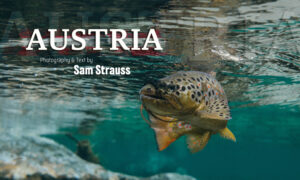
My name is Sam Strauss, and I was born in 1986 in Austria. For the past twelve years, I have worked as a freelance photographer specializing in sports and advertising. About six years ago, my professional path took an unexpected turn when I discovered fly fishing—a pursuit that quickly became both a passion and a purpose. With my camera already equipped for work above and below water, I began photographing fish during catch-and-release sessions with friends. Capturing those fleeting moments—when a fish glimmers in the current before vanishing again—requires not only technical skill but also a good deal of luck. Each fish behaves differently, adding to the unpredictability and excitement of the craft.
As with most things in my life, I dove into fly fishing completely. In my first seasons, I spent up to 200 days a year on the water, taking full advantage of the freedom my freelance career allowed. My favorite river lies just five minutes from my home, a perfect place to experiment with new flies and casting techniques. I would test patterns in the morning, cycle home to tie new ones, and return hours later to try again. Some days were frustrating; others were magical. The constant trial and error kept me hooked—and taught me more about patience and persistence than anything else.
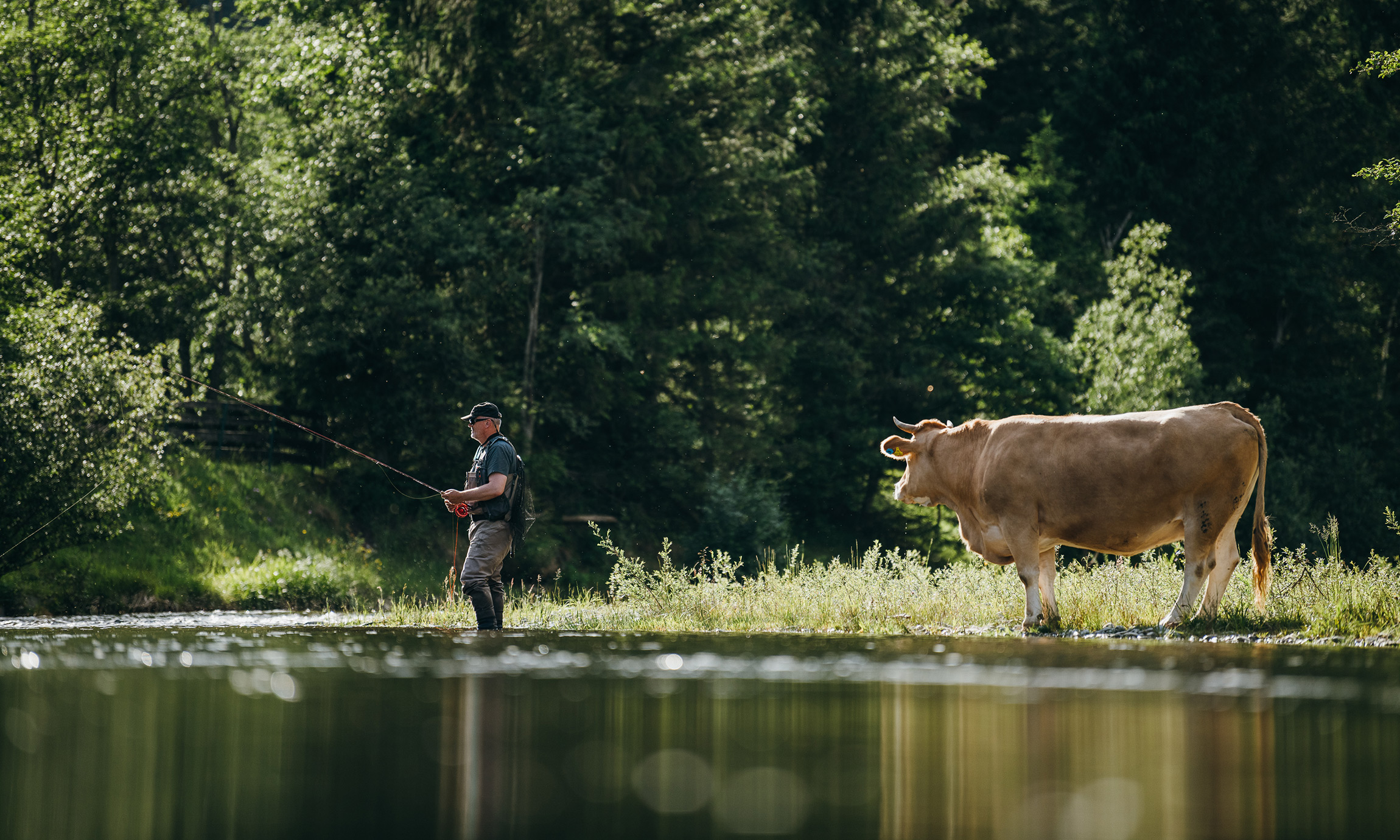


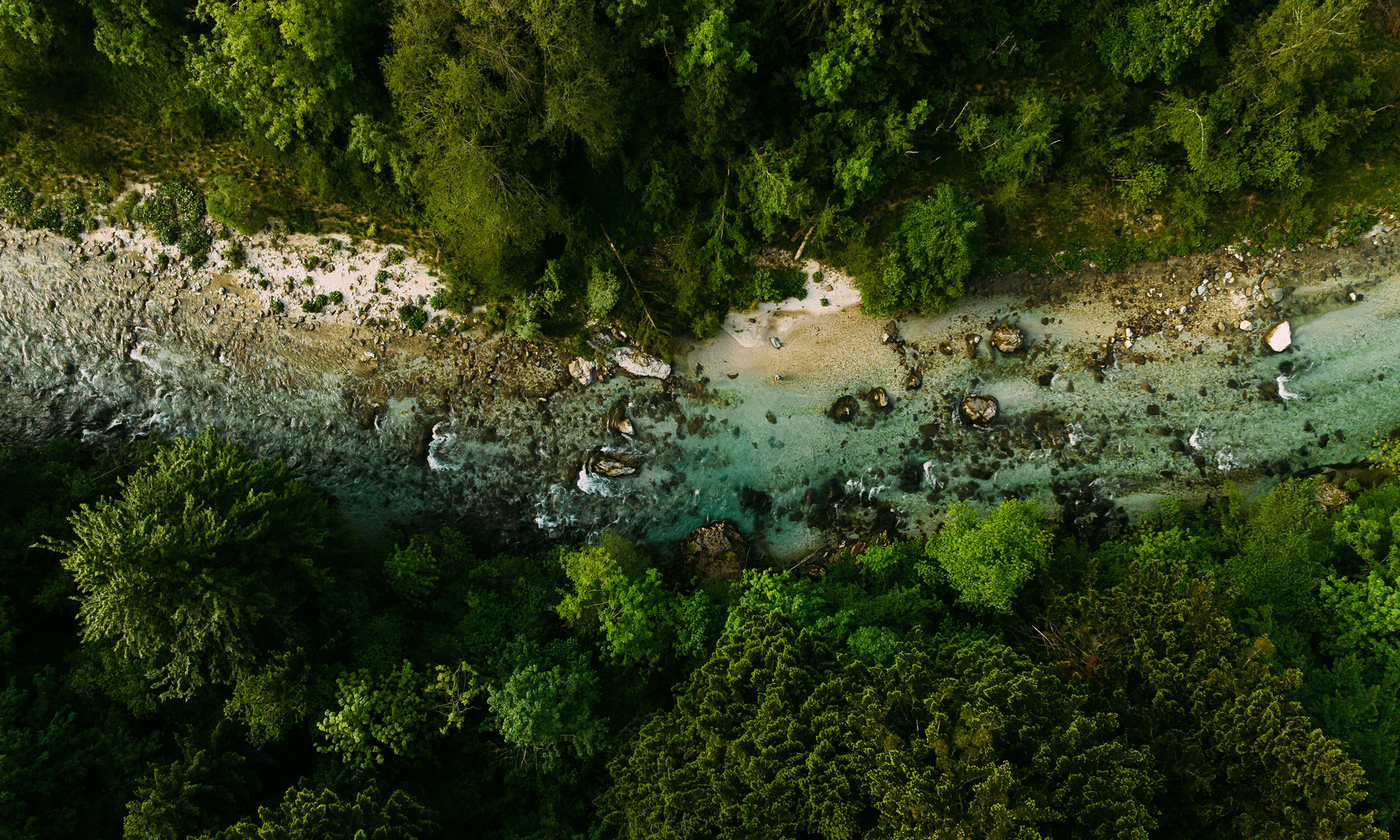
Fly fishing also opened my eyes to a hidden dimension of my homeland. While I had long admired Austria’s mountains, I began to see the intricate network of rivers flowing from them as living veins shaping the land. Yet what I discovered beneath their beauty was troubling. Austria, despite its small size, has nearly 5,000 hydropower plants. While hydropower is often promoted as clean energy, years of observing the rivers have shown me a different truth. Many waterways are regulated, redirected, or damaged beyond recognition. The problem of hydropeaking—sudden surges and drops in water flow—destroys fish habitats, dries out spawning grounds, and devastates aquatic life.


Despite strict European water protection laws like the Water Framework Directive, loopholes and profit motives often overshadow ecological responsibility. Large, partly state-owned companies generate hundreds of millions in profit while doing little to repair the damage. In some cases, new hydropower projects are even justified as environmental improvements, though they leave rivers nearly dry. It’s a painful irony to watch rivers—once full of life—reduced to artificial channels.


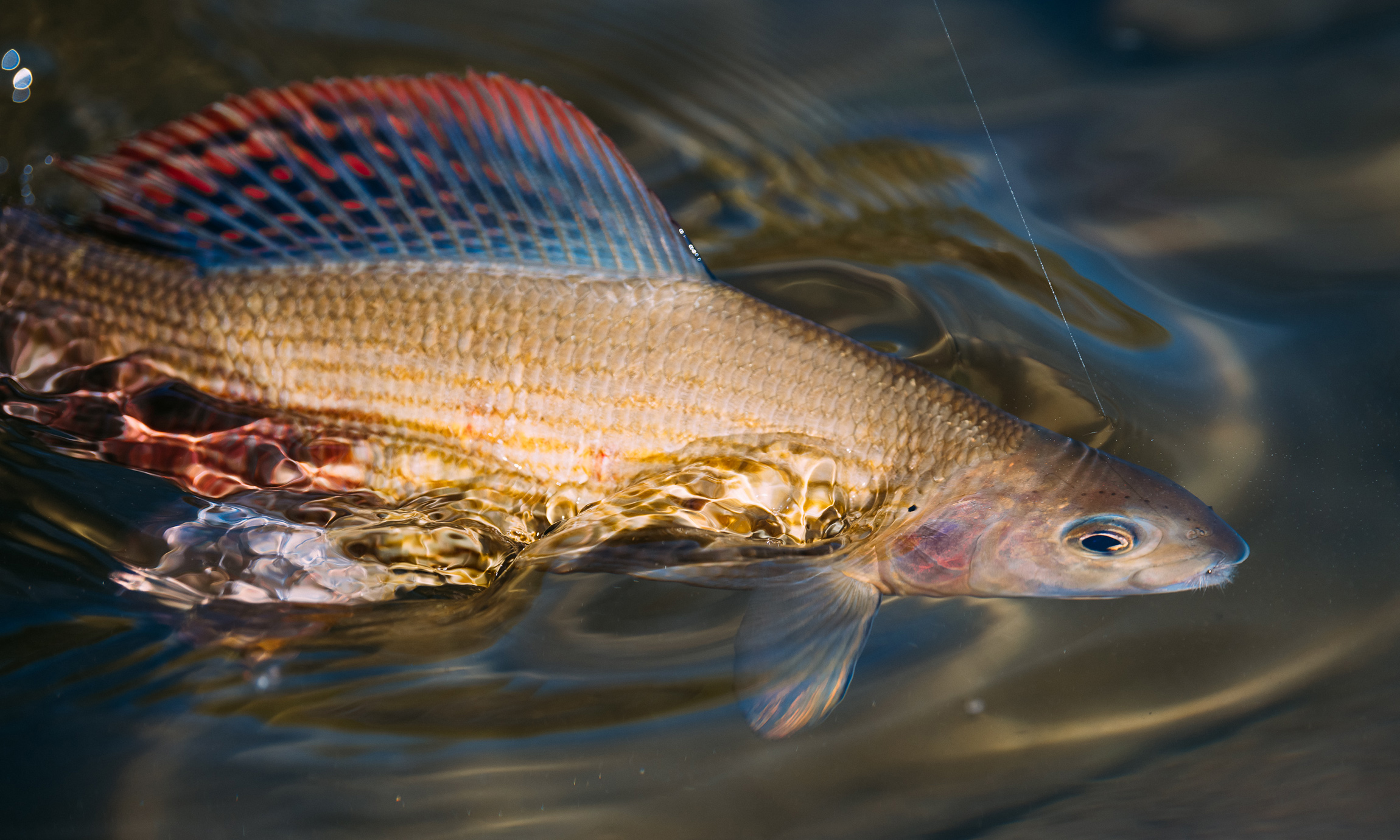


These experiences have profoundly shaped both my art and my message. My photographs often appear idyllic—crystal waters, perfect light, flawless fish—but beneath that beauty lies a fragile reality. I aim to capture nature’s magnificence while reminding viewers that it is under threat. Too often, people see a pristine image and assume all is well. It isn’t. Our rivers are vanishing in silence, and with them, the ecosystems that sustain life.
Still, I remain hopeful. Each cast, each photo, each quiet morning by the river reminds me why I do this. Fly fishing connects me to my home and to others who share a love for wild places. Through my work, I hope to inspire awareness and action—to show how essential water truly is, and why protecting it is no longer optional but vital for our future.



Contributed By
Sam Strauss
Born and based in Spittal, Carinthia, Austria, Sam Strauss is a photographer driven by
curiosity, light, and the constant pull of the outdoors. His work moves between mountains and sea, people and stories, sport and silence, always grounded in authenticity and emotion. When he’s not behind the camera, you’ll find him knee-deep in cold water, chasing trout with a fly rod. For Sam, fly fishing and photography share the same rhythm, patience, precision, and the art of being in the right place at the right time.
He once tried city life but traded concrete for open skies, because mountain light and
moving water have always felt more like home. Sam’s images capture the beauty of motion, solitude, and adventure. Whether it’s a surfer in the Atlantic or a quiet morning on the river, he tells stories about connection, between people, nature, and time itself.