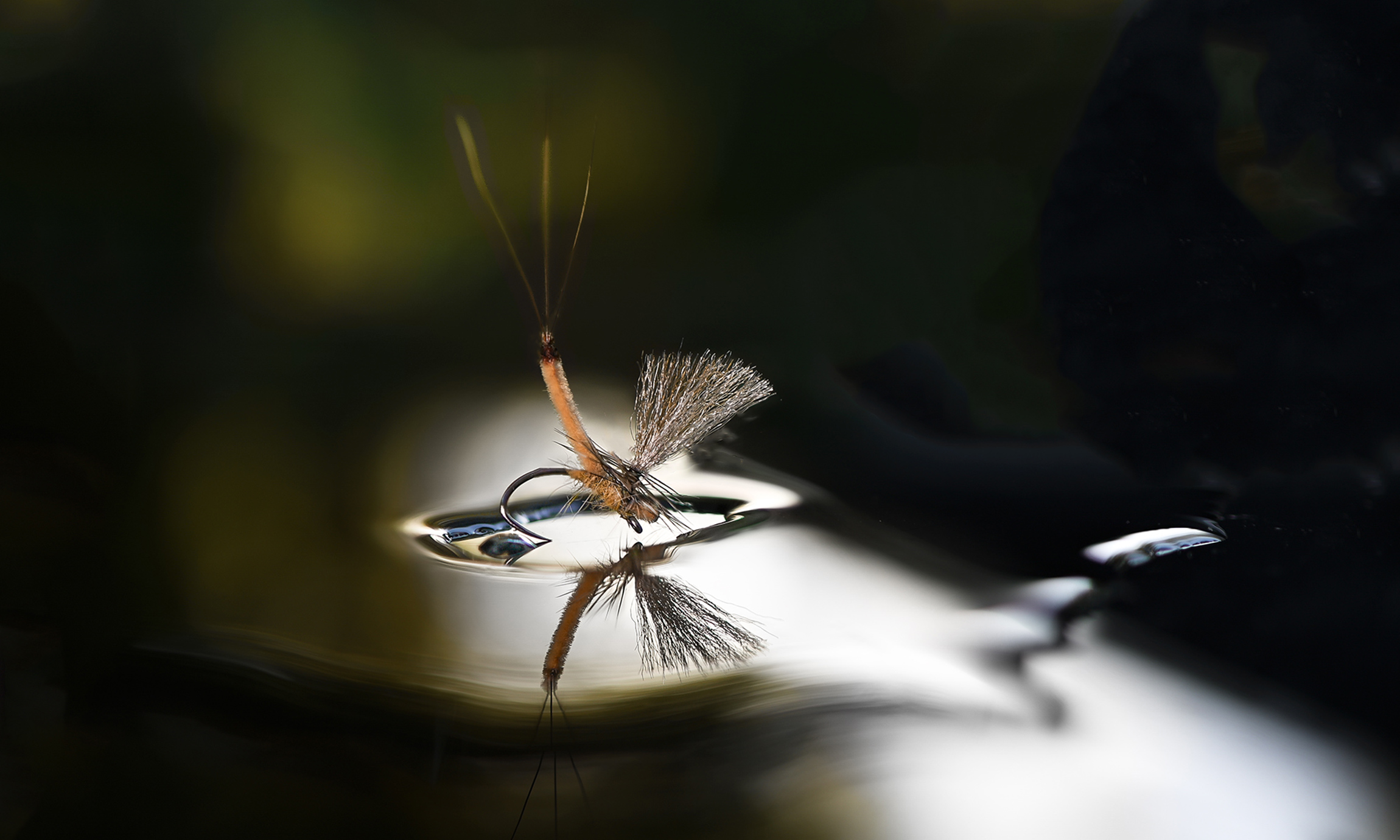
I probably inherited my love of both fishing and photography from my father. He was deaf, and through his camera, photographs, and films he told stories where words had no place. When a friend of his gave me a fly rod as teenager, I was captivated by the rhythm and timing, by the challenge of placing the fly exactly where I wanted it. Soon I was tying flies of my own, devouring books from the library, and eventually discovering Lennart Bergqvist’s Flugfiske på mitt sätt (Fly Tying My Way) a revelation that opened my eyes to the richness of Swedish insects and the art of imitation.
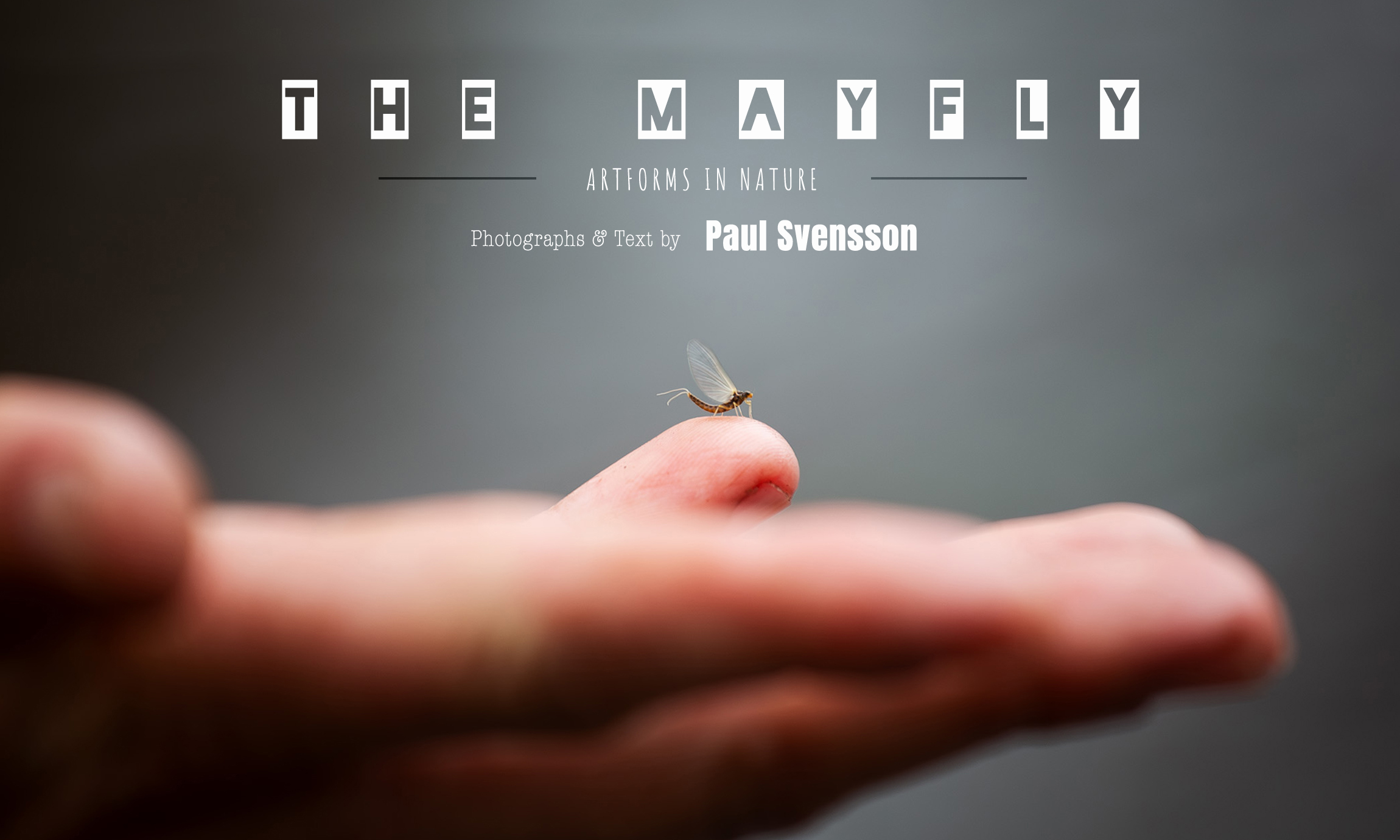
Photography began simply to document my fishing, to extend the experience. The real breakthrough came when I bought a small Olympus compact camera with a macro function. I still remember those first hesitant attempts to photograph newly emerged mayflies drying their wings. Most of the photos were failures, but a few were sharp and a whole new world opened up. The stained-glass wings, the segmented bodies, the delicate tails. I realized these insects were not just fish food, but works of art.



For me, the essence of fly fishing lies in those summer evenings when mayflies hatch and when the surface comes alive with rising trout. The river turns into a banquet, and every rise feels like a secret shared. Moments like these remind me why I keep returning. I don’t think I’ll ever grow tired of it because fly fishing, tying and photographing these insects is a craft you can never truly master and that’s what makes it so rewarding.


Contributed By
Paul Svensson
Based in Borås, southwestern Sweden, Paul Svensson is a dedicated fly angler, fly tier, and photographer. He began fly fishing as a teenager, always with a rod in one hand and a camera in the other drawn to the quiet magic of life by the water. Through photography, Paul captures the beauty of insects, flies, and the Scandinavian outdoors a way to extend the fishing experience and relive it long after the cast. But more than that, it’s a way to be fully present in the moment: to observe, to appreciate, and to connect with the quiet rhythms of nature.
Fly tying is a natural extension of his fishing, deeply inspired by the insects that inhabit Scandinavian waters. Even after years at the tyvise, he continues to find fresh ideas and subtle details in nature, learning something new with every pattern.