PROLOGUE
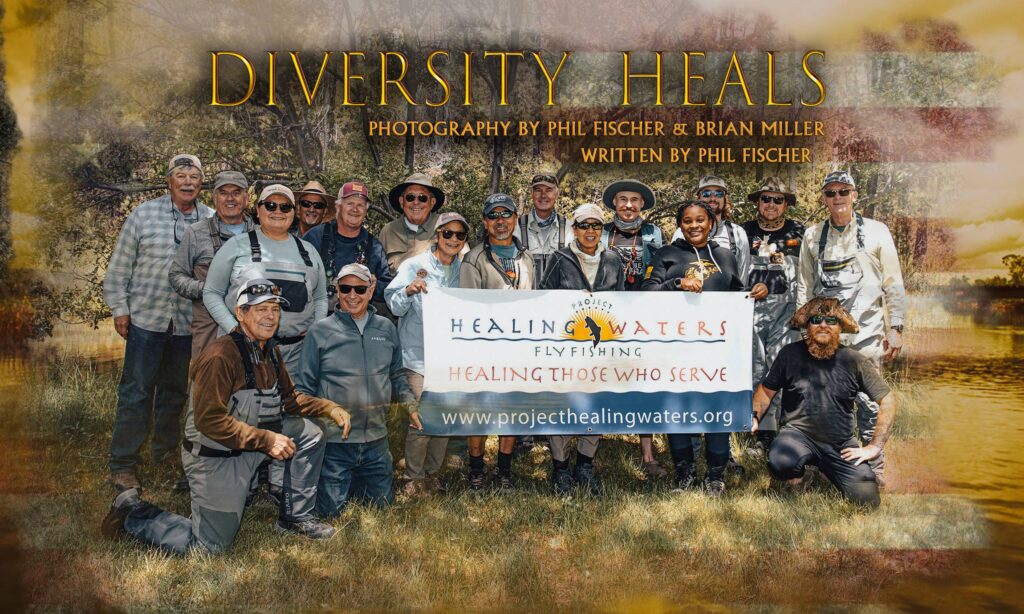
Project Healing Waters (PHW) exists to help disabled veterans heal from both physical and psychological trauma through fly fishing. Founded at Walter Reed Army Hospital in 2005, there are now 152 local programs actively serving more than 9,800 veterans across the US. Fly fishing is the vehicle—but healing is the objective. Structured programming allows veterans to reconnect with one another over fly tying, rod building, fly casting, and most critically on group outings that allow them to find peace in nature, with each other, in a way that words alone cannot begin to touch. It’s literally life-saving for many veterans who have felt isolated for years after their discharge.
At the same time, PHW searches for ways that their community of veterans can give back, combining their efforts at healing themselves with action to heal the beautiful and often threatened places where they fish. It’s a win-win: participants find their way back to a sense of purpose while immersing themselves in healing landscapes.
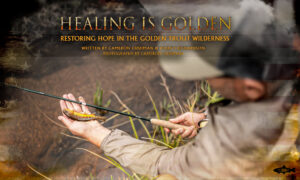
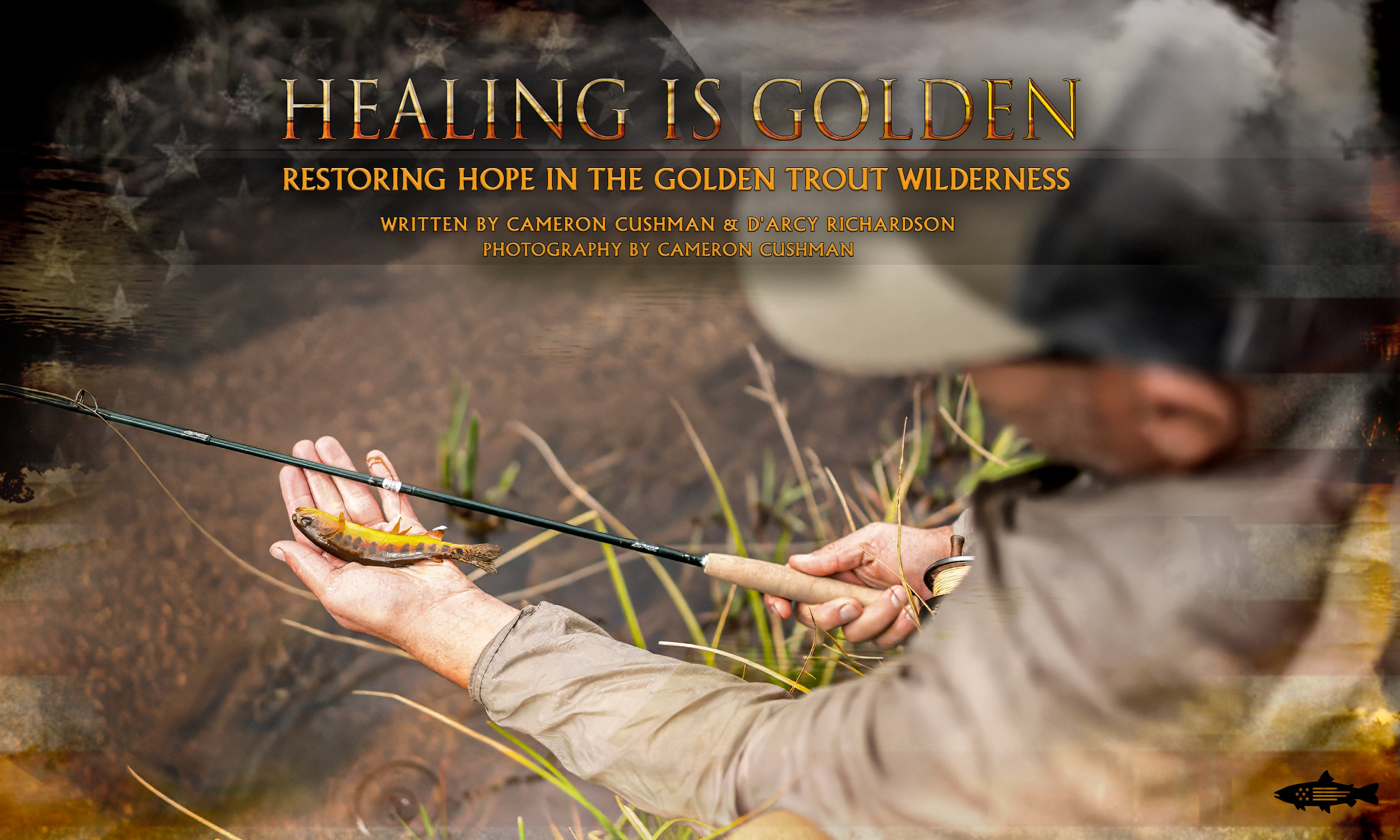
Healing is Golden traces the story of a hearty group of veterans from Project Healing Waters who ventured into the Golden Trout Wilderness (GTW) in 2025 to lend a hand to this extraordinary place alongside their US Forest Service and Trout Unlimited counterparts, and in doing so to lay down some of their own burdens.
There are places in this country that feel older than memory. Places where the landscape seems to carry weight, not from modern life or advancements, but from time. The Golden Trout Wilderness in California’s Eastern Sierras is one of those places. It is not easy to reach. It does not offer comfort in the traditional sense. It does not bend itself to your convenience. And that is precisely why it is as special as it is.
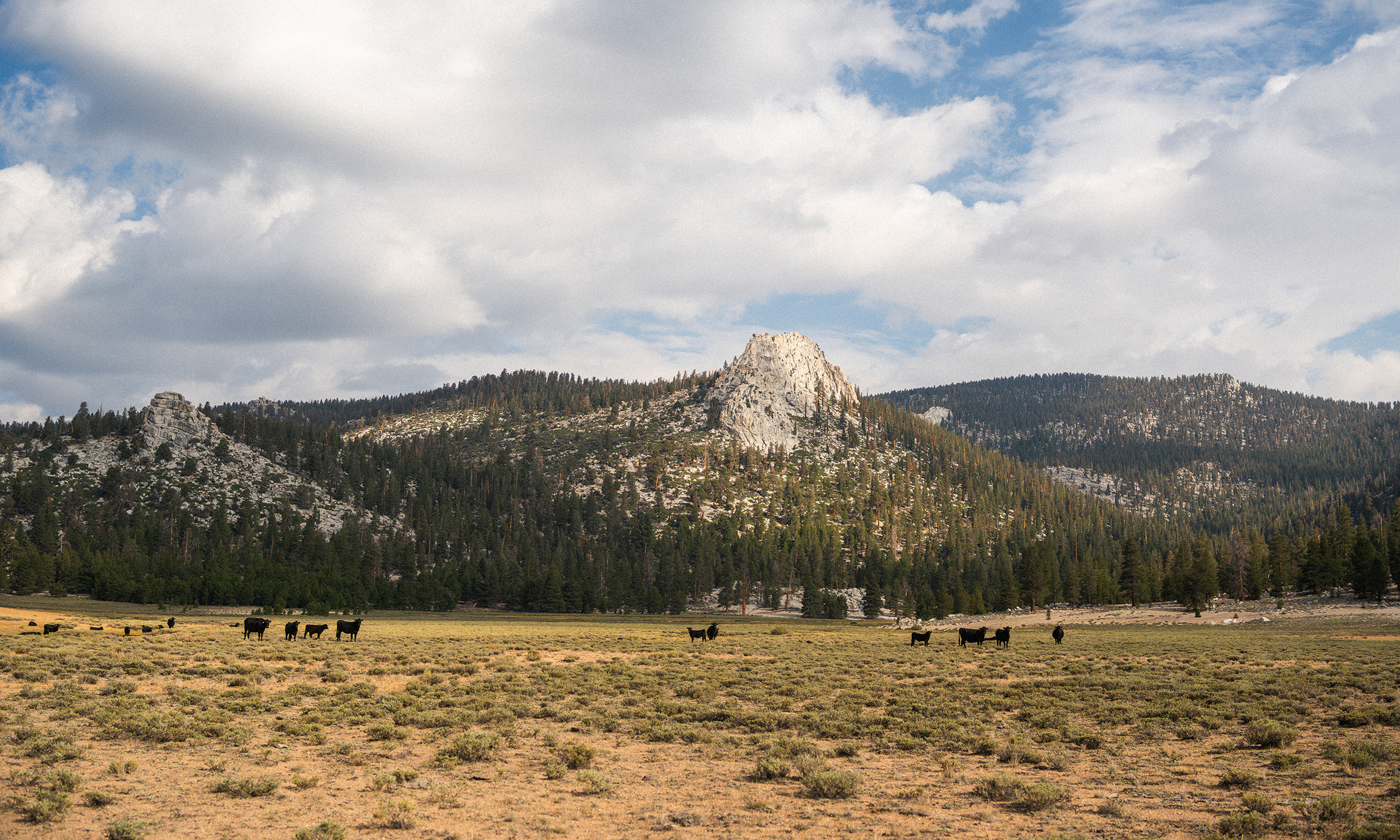
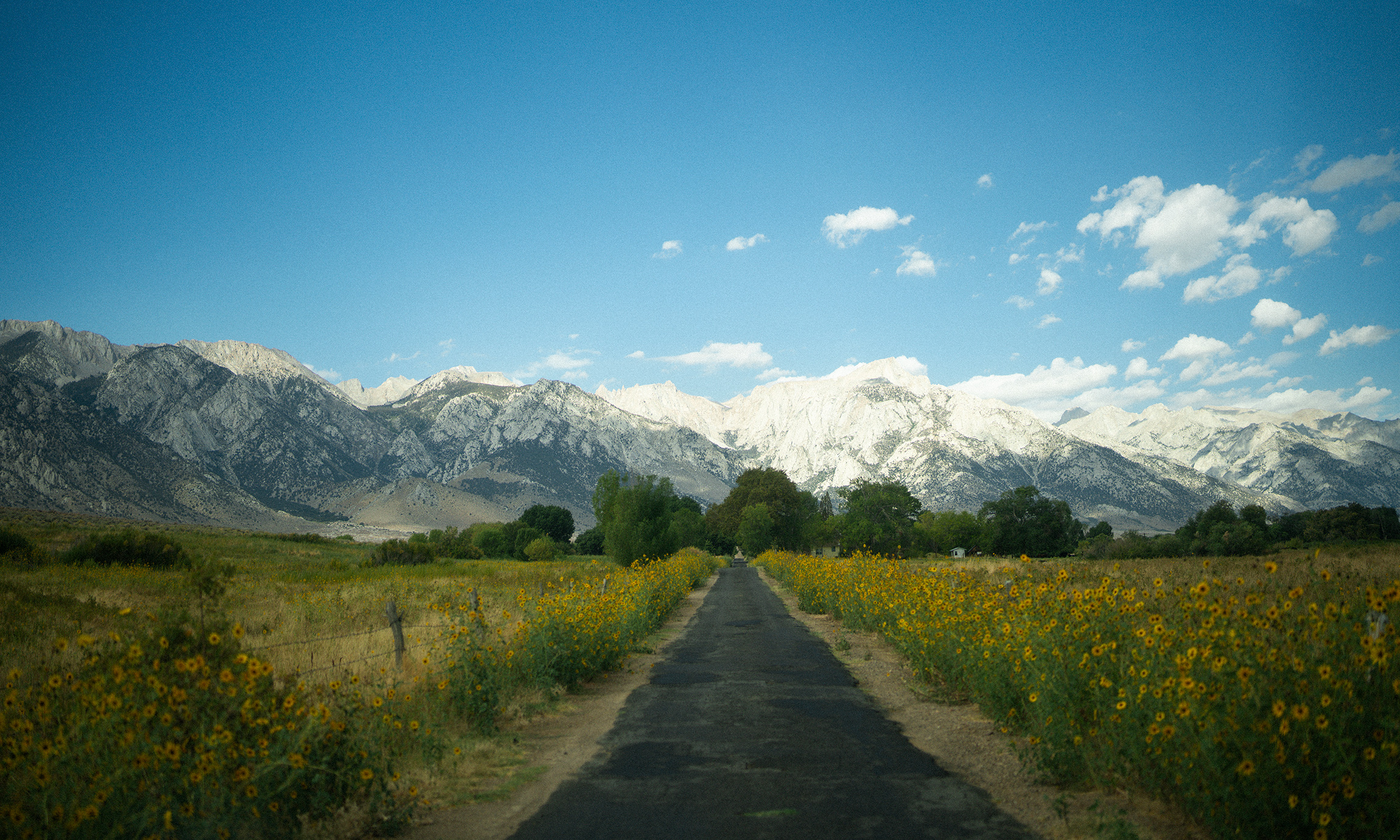
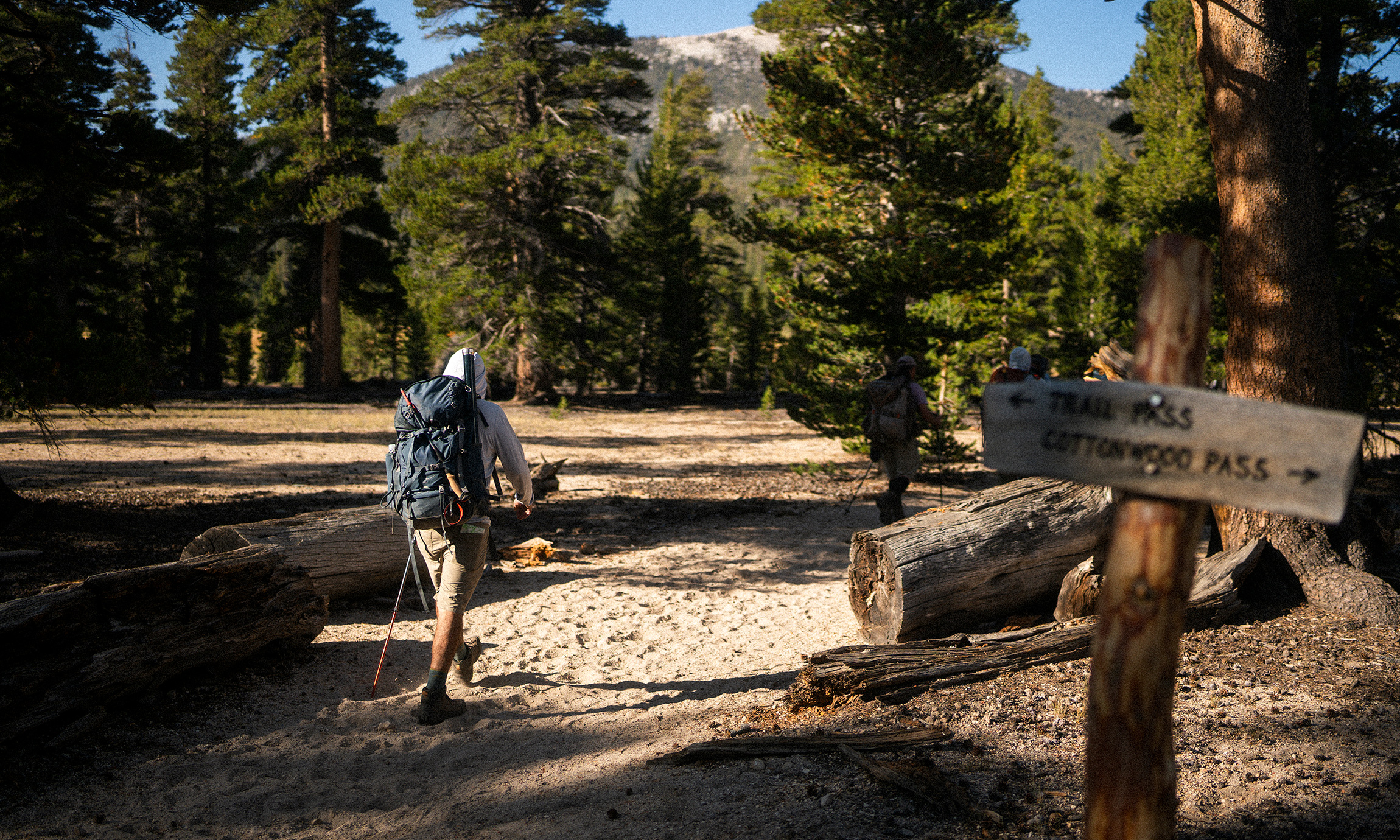
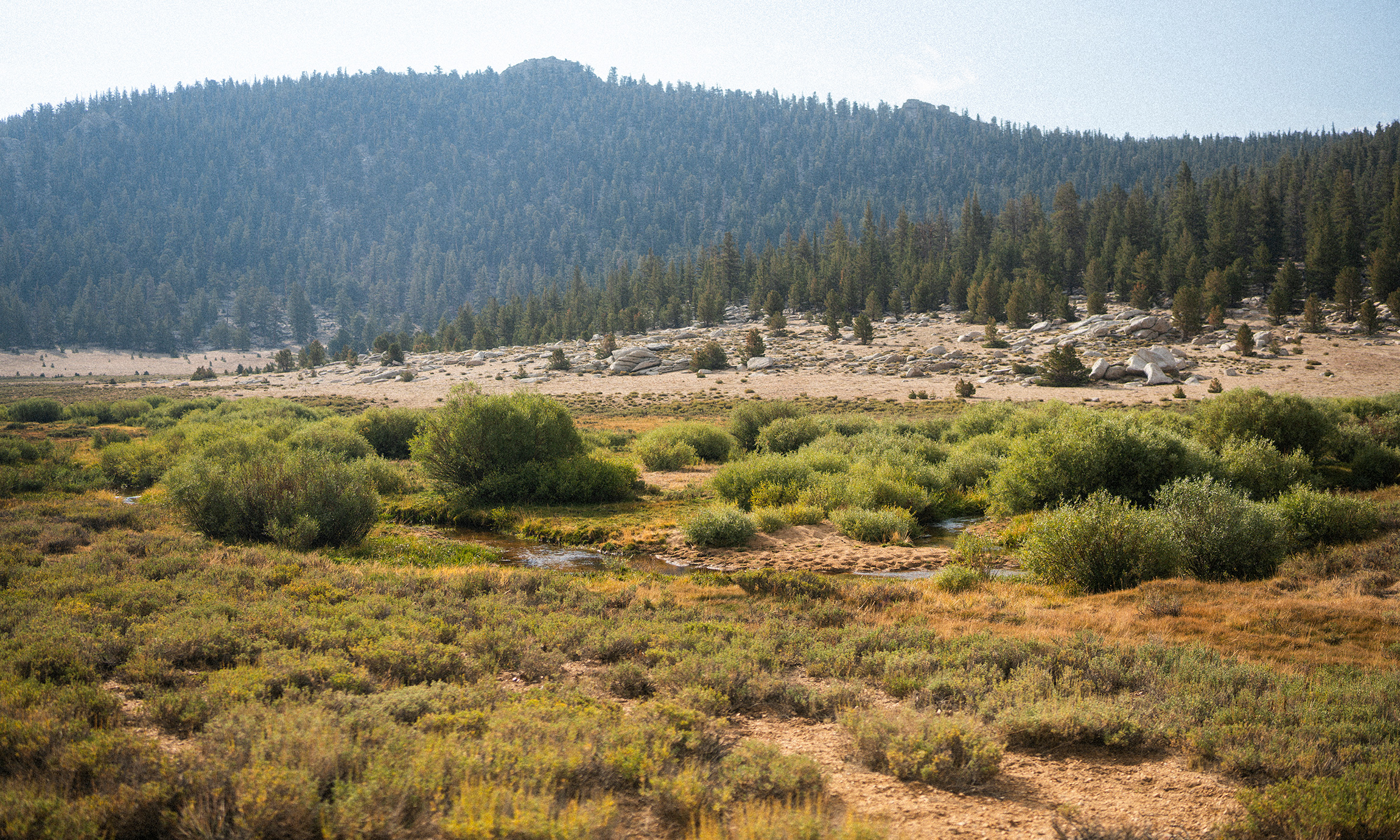
The Golden Trout Wilderness spans more than 300,000 acres of designated wilderness, rising from roughly 7,000 feet to well over 12,000. It sits largely within Sequoia National Forest, brushing up against the edges of Kings Canyon National Park. Granite basins carved by glaciers. Alpine meadows that bloom for a few short weeks each year. Cold, clear headwaters that give life to the Kern River system. The terrain is open and exposed, yet at the same time dense and intimate. It demands attention and the proper effort.
It also holds what may be one of the most beautiful species of trout known to man. A fish that arguably shouldn’t be as beautiful as it is when it comes to living in such a harsh place as the GTW. That fish is the California Golden Trout. It was officially designated the state fish of California in 1947.
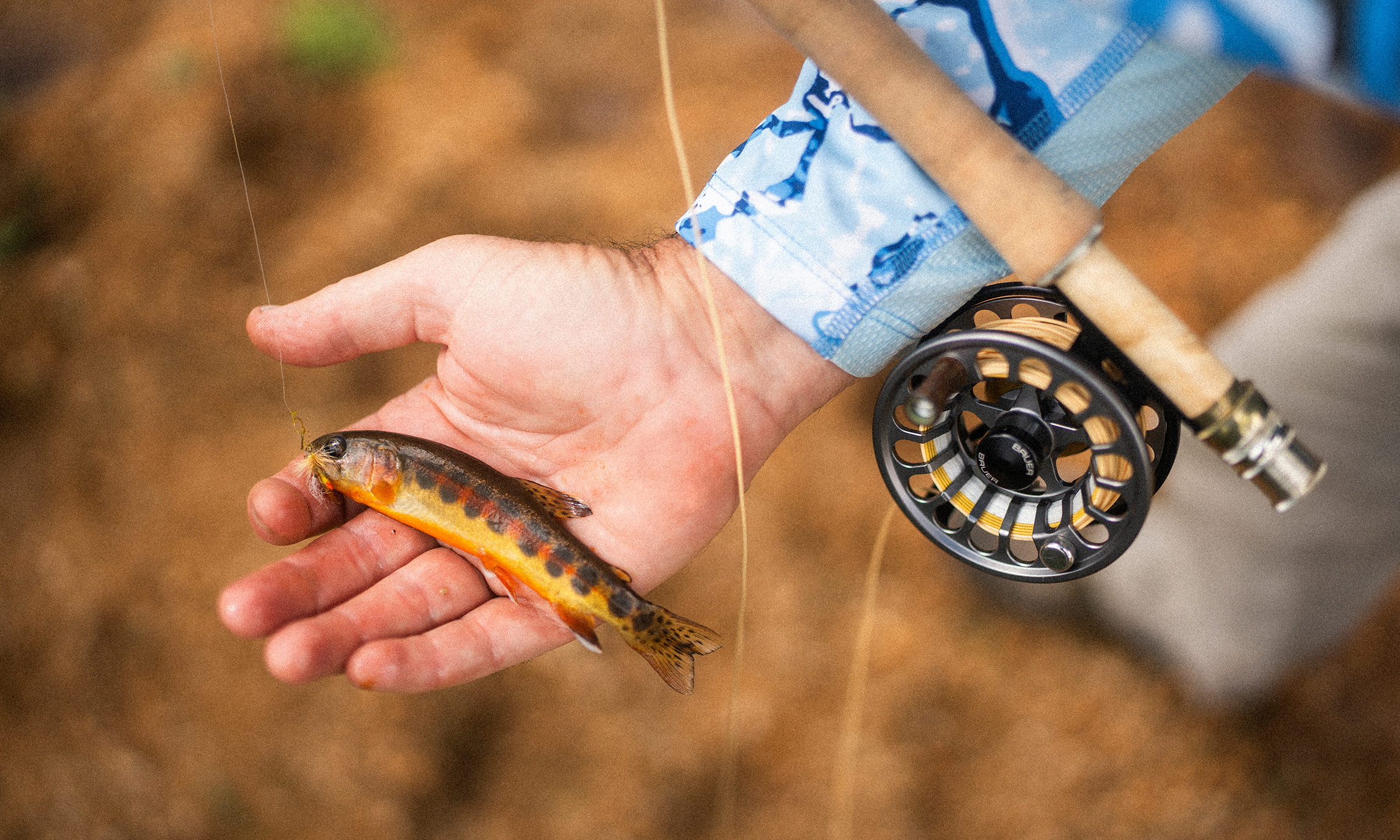
The Golden Trout evolved in isolation in high elevation tributaries of the Kern River basin. For thousands of years, it existed only in these cold, nutrient-poor streams above 9,000 feet. Its flanks glow with gold and orange. A crimson stripe cuts across its side. Black speckling decorates the tail and dorsal fin. Most are not large by modern angling standards, often reaching lengths of only 10 inches in their native habitat. While Goldens introduced into lakes can reach lengths upwards of twenty inches, these are rarely sought after compared to their native creek-born counterparts.
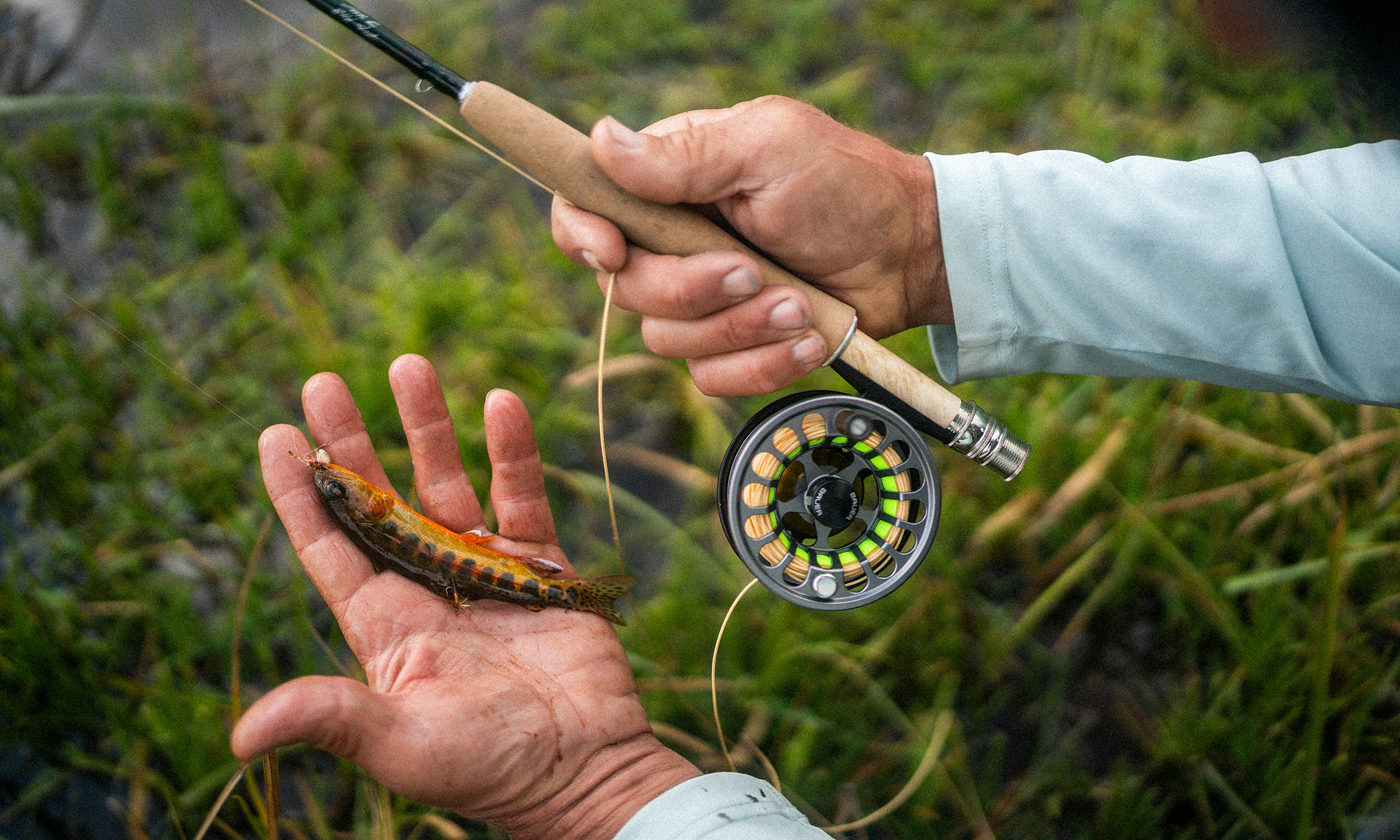
Today, there are multiple states that have stocked Goldens, but no state holds as many as California, both within their native range and outside of it. On this trip, the group would cover multiple creeks that fall within the Golden Trout Wilderness, while both fishing and working.
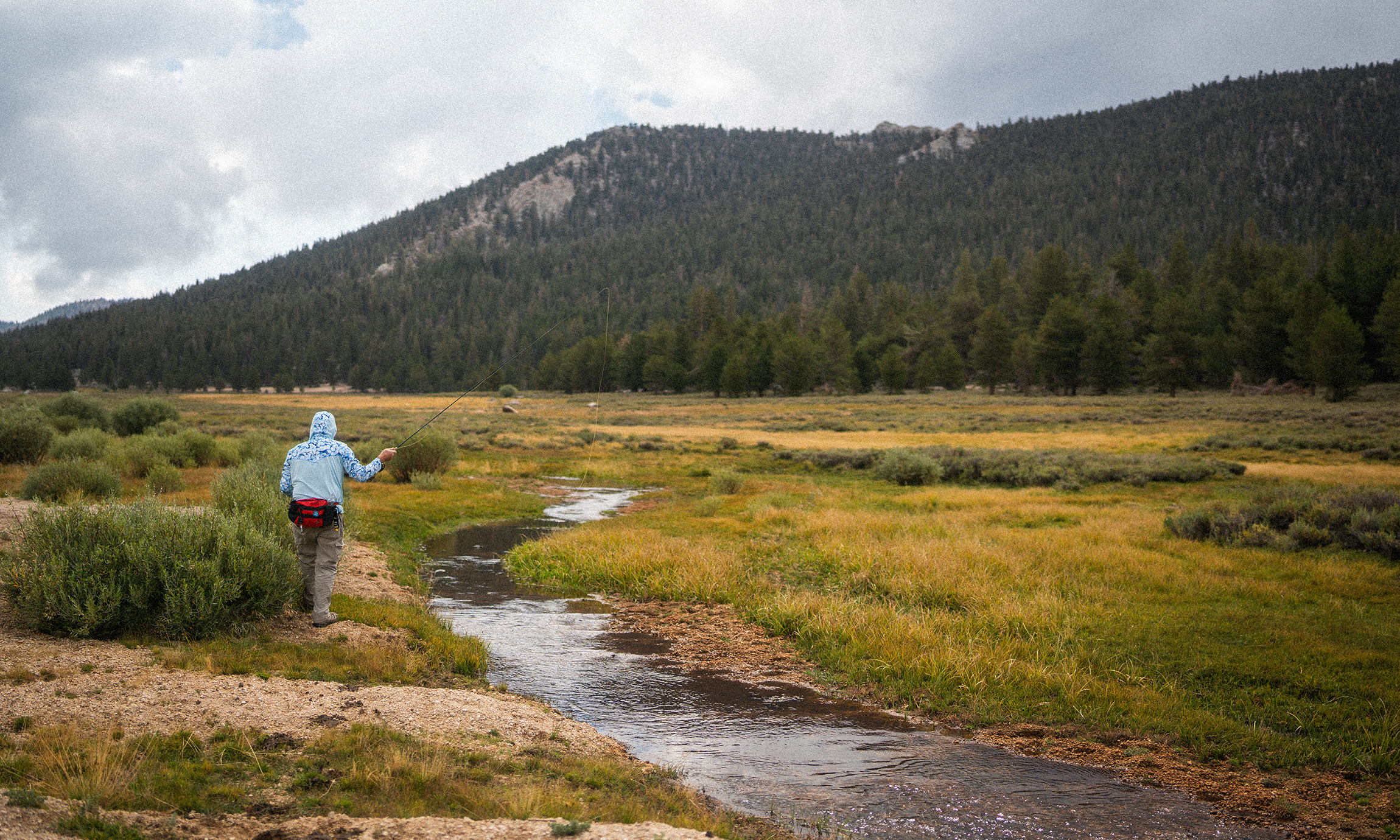
You don’t hike miles over mountain passes into thin, almost desert-like air for inches. You go for something else entirely.
You see, places like the GTW often need support. Today, Golden Trout populations are struggling. Experts fear they could be extinct in their native watersheds in as little as 50 years if nothing is done to save them. The threats are straightforward: changes in weather patterns, interbreeding and competition with non-native rainbow trout populations, and livestock grazing. Generations of habitat loss and hybridization have limited native Golden Trout to a tiny fraction of their historic range and numbers.
Organizations including Trout Unlimited, the US Forest Service, CA Department of Fish & Wildlife, California Trout, and Fly Fishers International have dedicated years of rigorous planning and decades of work to expand, protect, and restore Golden Trout.
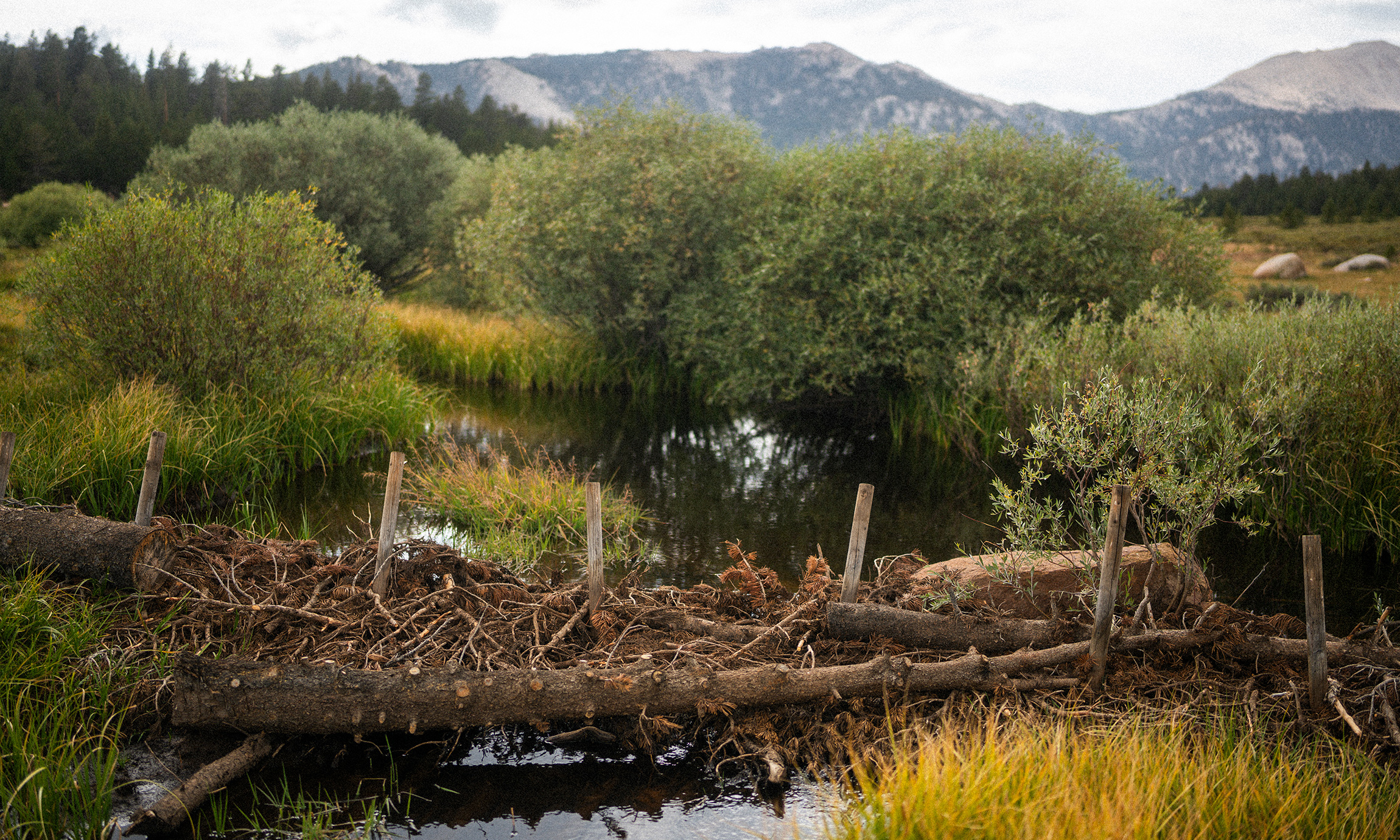
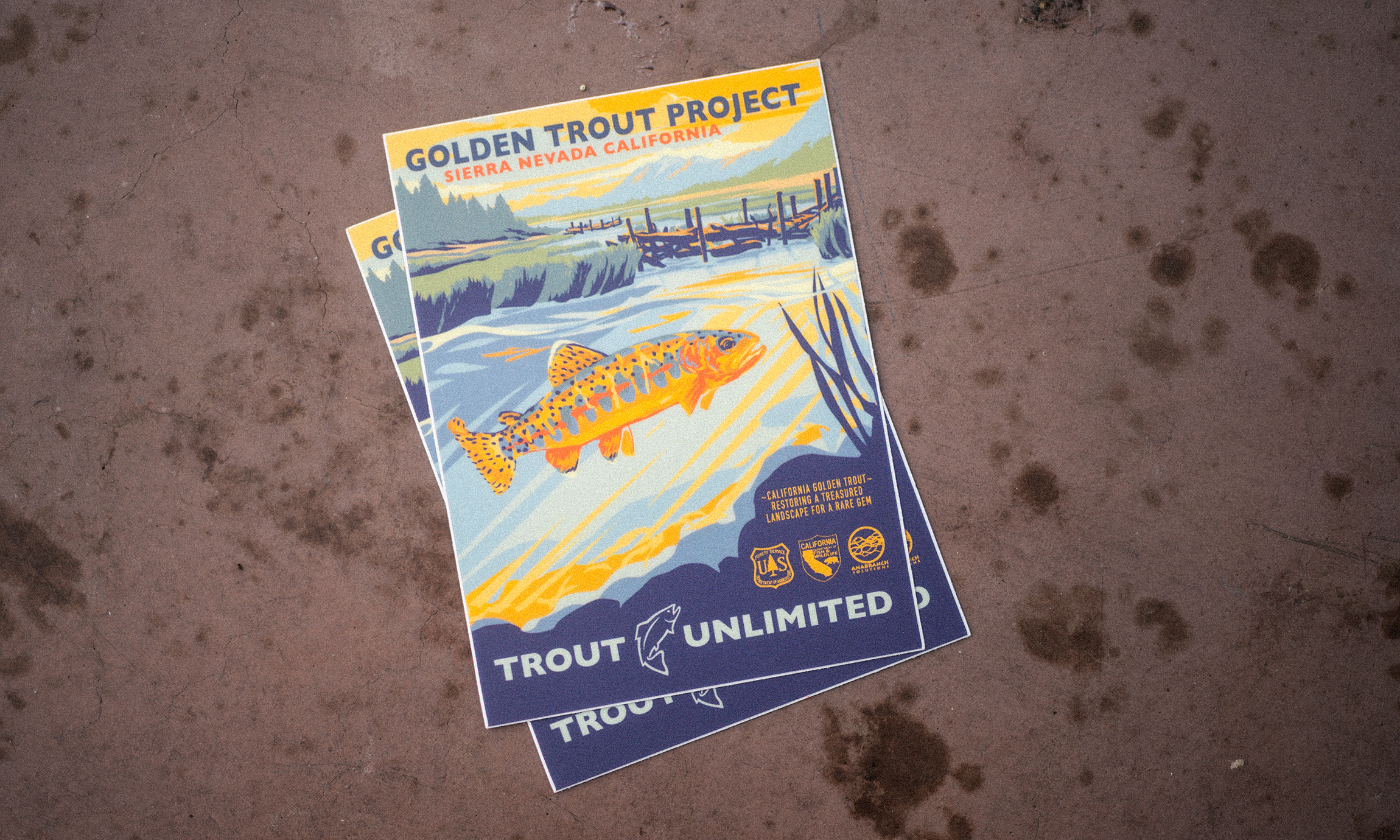
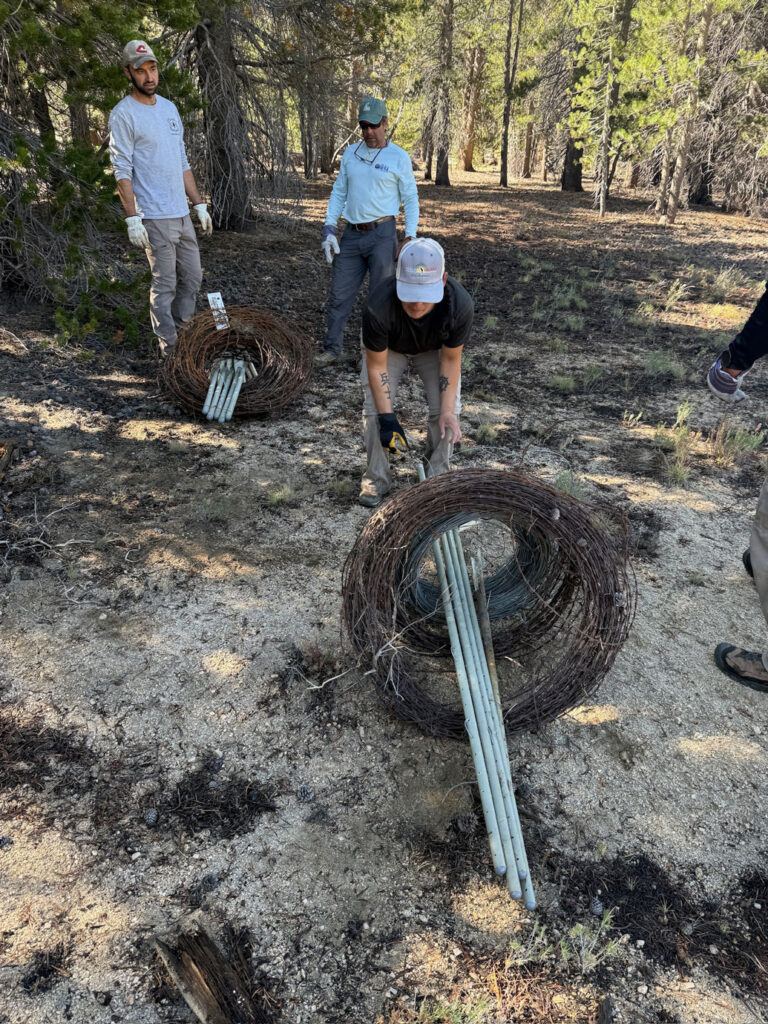
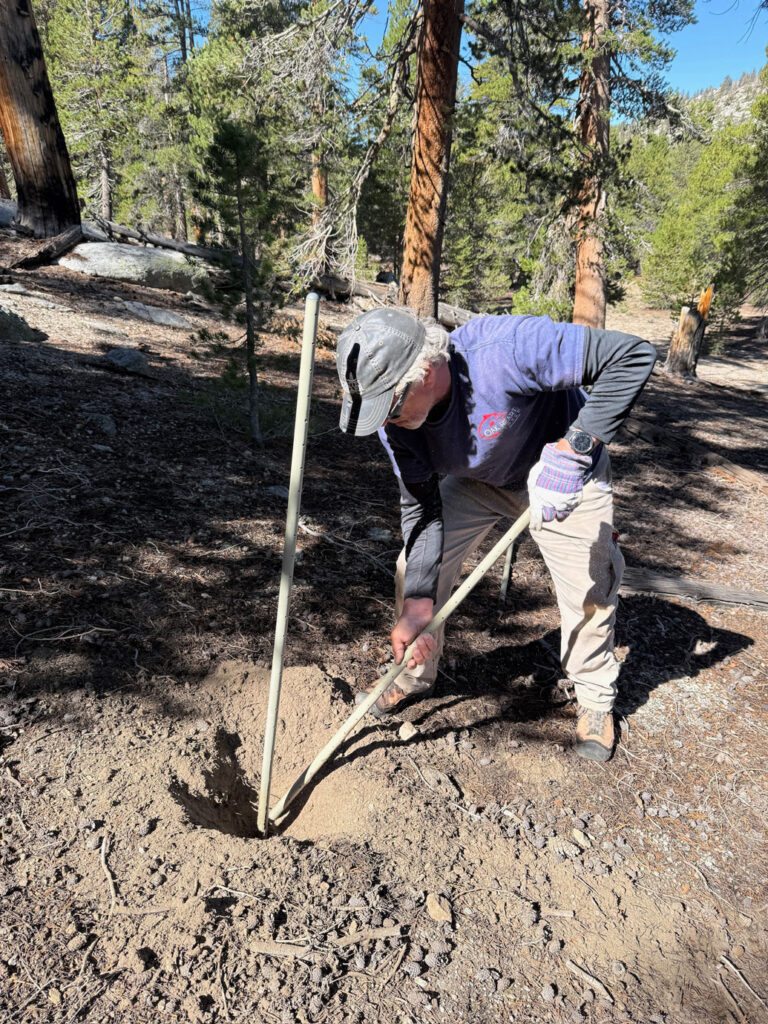
They have been fencing streams to protect from grazing livestock, planting native shrubs to reinforce the stream beds, and building man-made Beaver Dam Analogs (BDAs) during the second phase of the California Golden Trout Project, launched in 2021. No machinery is allowed due to the sensitive nature of the habitat, so all restoration work must be done with hand tools.
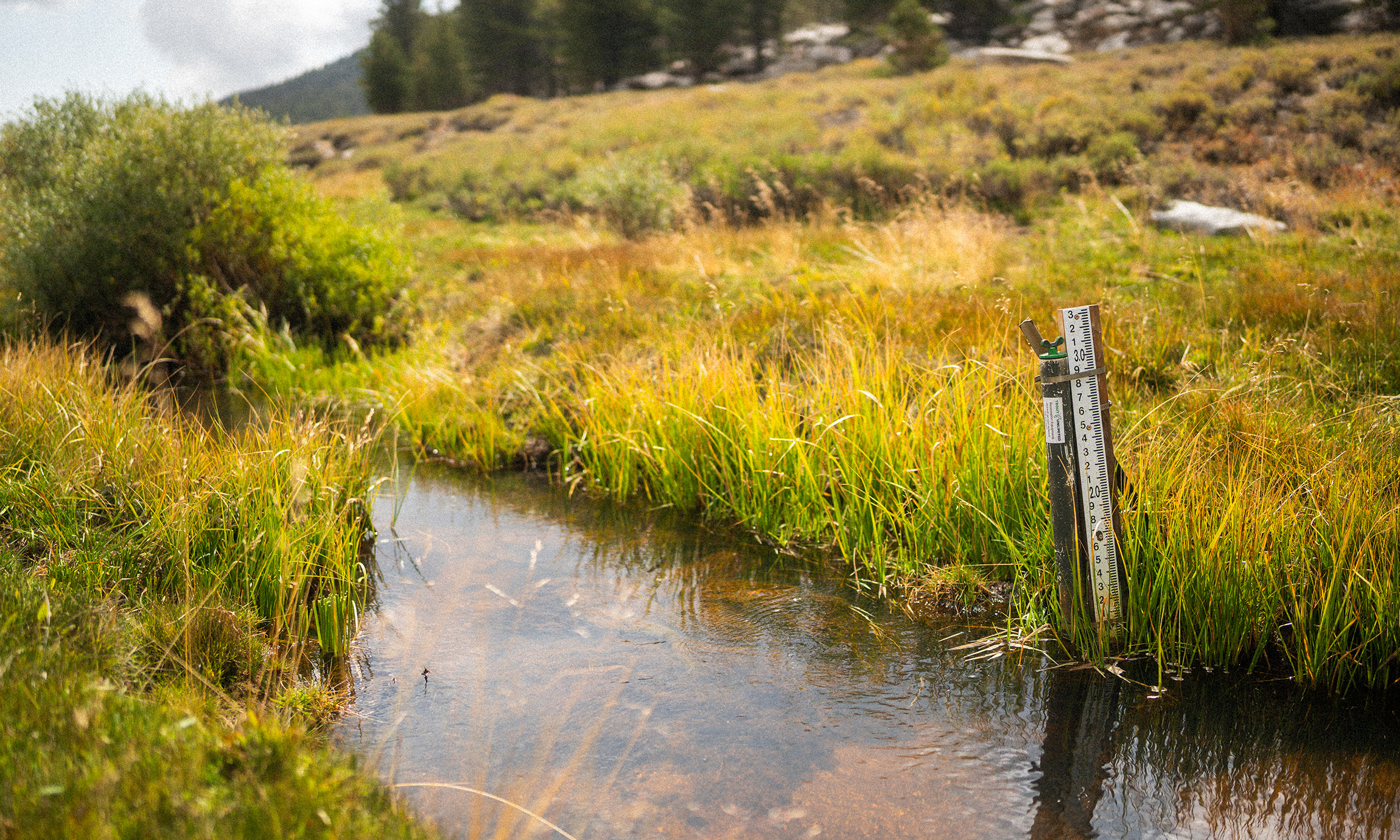
Their goal is a large one. In the coming years, the State and organizations doing the hard work have plans to restore over 75 miles and 7,000 acres of critical headwater habitat, a lifeline for the threatened populations of these incredible trout. PHW was privileged to be asked to join a Trout Unlimited/US Forest Service team to help with some of this critical work. They combined their restoration work with several days of backcountry fishing to create what for many of them was the trip of a lifetime.
The story of this PHW trip into the Golden Trout Wilderness begins several years earlier, woven together through the visions of two of the participants whose deep love of this land independently drove them to find a way to share it with others in the PHW community.
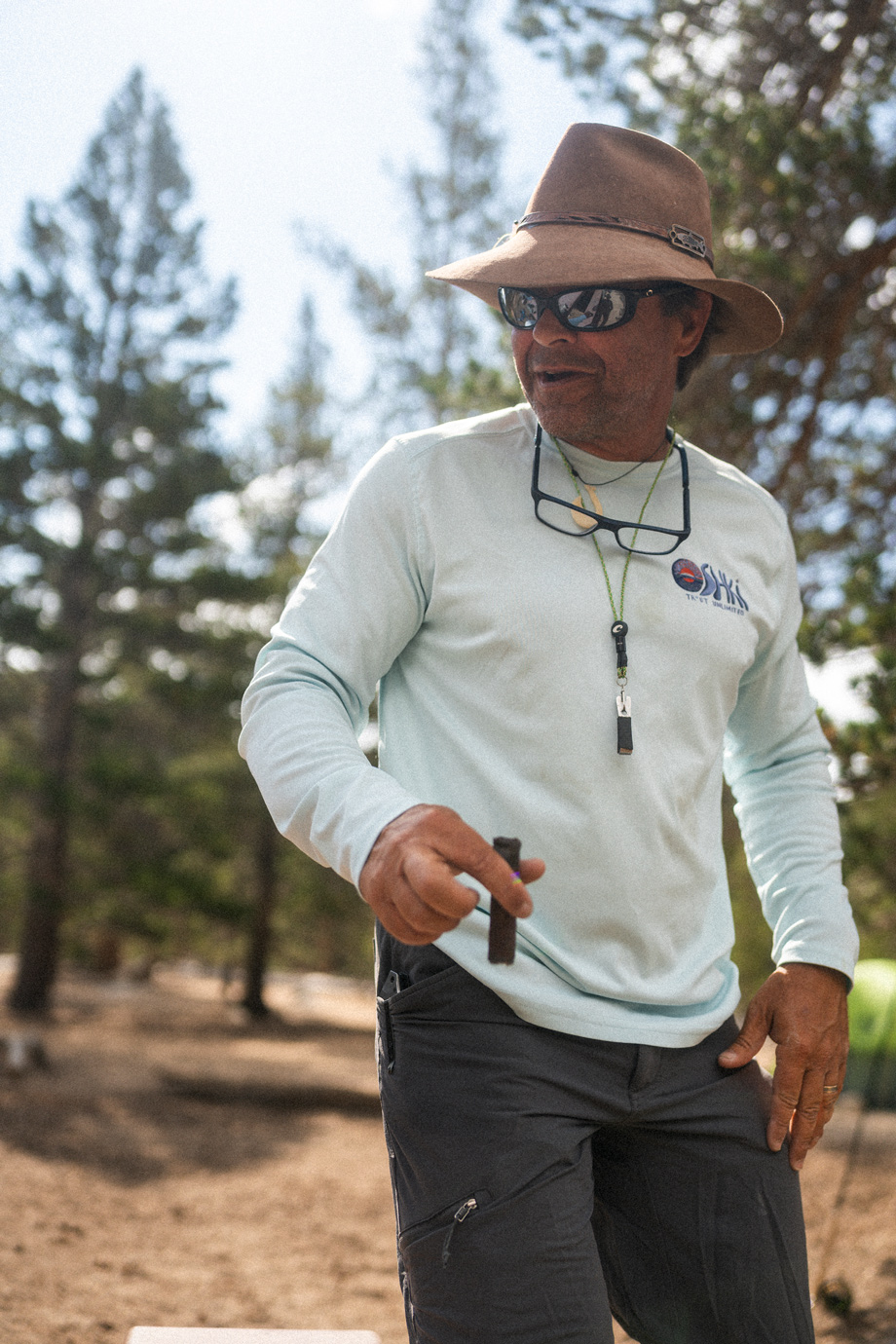
Blain Tomlinson was the Board Chair for Project Healing Waters and a member of the Board of Trout Unlimited when he began dreaming of a way to partner these two programs in an effort he called Habitat Healing Veterans. For a couple of years, they discussed options for a joint project, but nothing had yet come to fruition.
Unbeknownst to Blain, a young PHW Martinez volunteer and active Coast Guard serviceman named Daniell Hurtado was busy planning his own pilgrimage to the GTW at the same time. Dan remembers it this way:
“Years ago, when I first started getting into backpacking and fly fishing in Washington state, I heard about a Golden Trout high up in isolated Alpine Lakes Wilderness Area. Those who were in the know spoke in hushed tones at first, then grew into grandiose stories as if they were mythical fish that only the worthy would hope to land, equal to a Loch Ness monster sighting. After several memorable trips but no Golden Trout, I began to believe the Golden Trout were as rare as Bigfoot.“
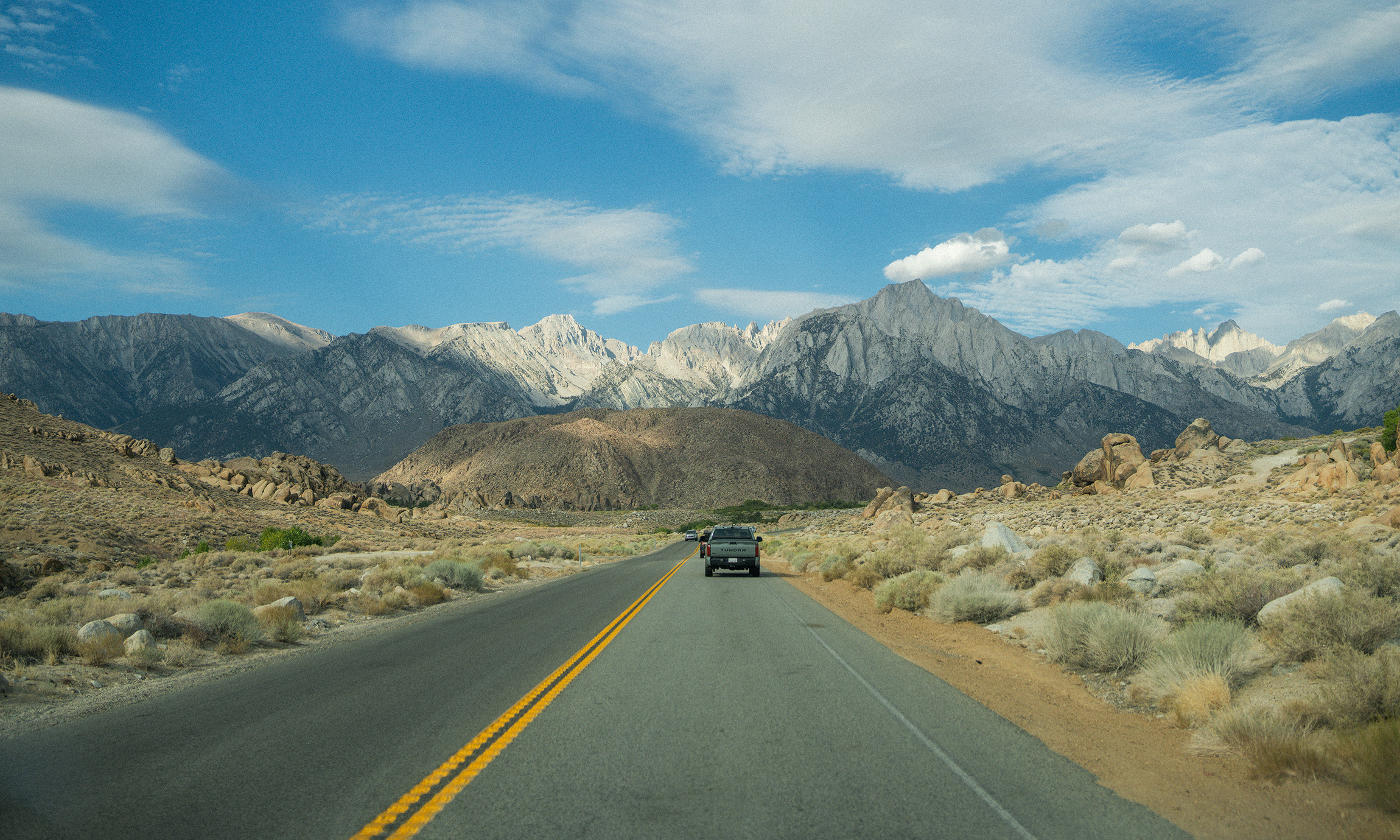
“A decade later I was transferred to California where I would have another chance at the Trout that eluded me. but this time a genetically pure strain in native water. Driving along Highway 395 in the dry desert looking west at the formidable Eastern Sierra, I began to question my planned 40-mile solo backpacking trip, and those feelings of apprehension remained until I got to the trailhead. After all my planning, I failed to account for the altitude and how ill-prepared I was going from sea level to 10,500’. That first climb was rough! “
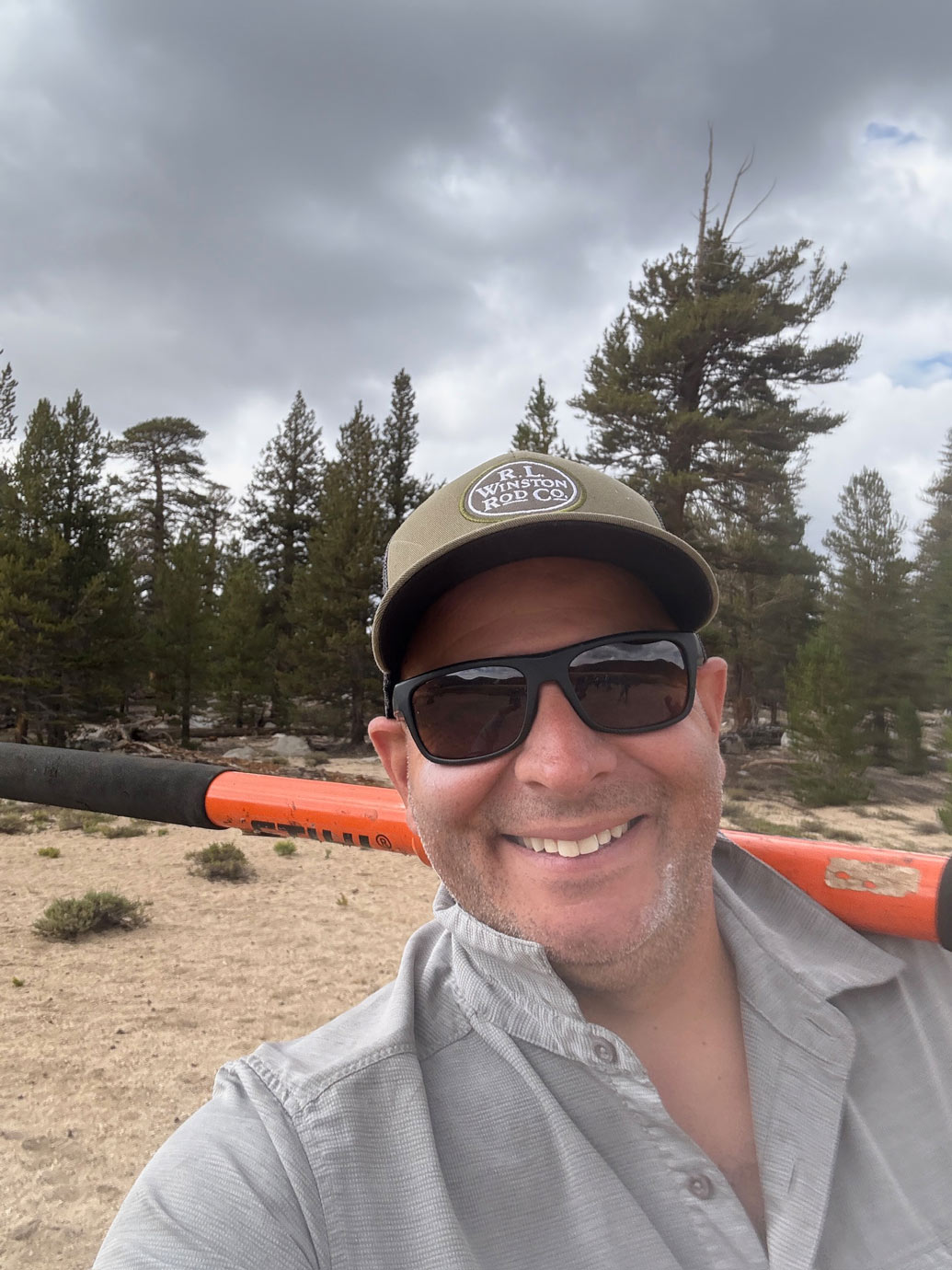
When he returned from his trip, Dan approached PHW Martinez Program Lead Brian Miller with a proposal: why not plan a conservation and Golden Trout fishing trip in partnership with TU and USFS for PHW Martinez veterans? Brian agreed enthusiastically and reached out to Blain, asking him to become the Executive Sponsor for the trip. Connections made. Dream realized! As Brian reflects:
Back to the trip. It’s now time for a little introduction. My name is Cameron, and I am the photographer and a writer of this piece. I also am a combat veteran and the filmmaker who embedded with the group in the GTW. I am an avid visitor of the GTW, and a lover of all things Golden Trout.
On August 20th, I leave my house and begin the sixteen-hour drive to Lone Pine, California. I arrive late that evening, after a long push from Montana, where I meet up with a fellow veteran and great friend, Will Wendelman. We spend the next two days fly fishing in the area before the PHW group is set to arrive.
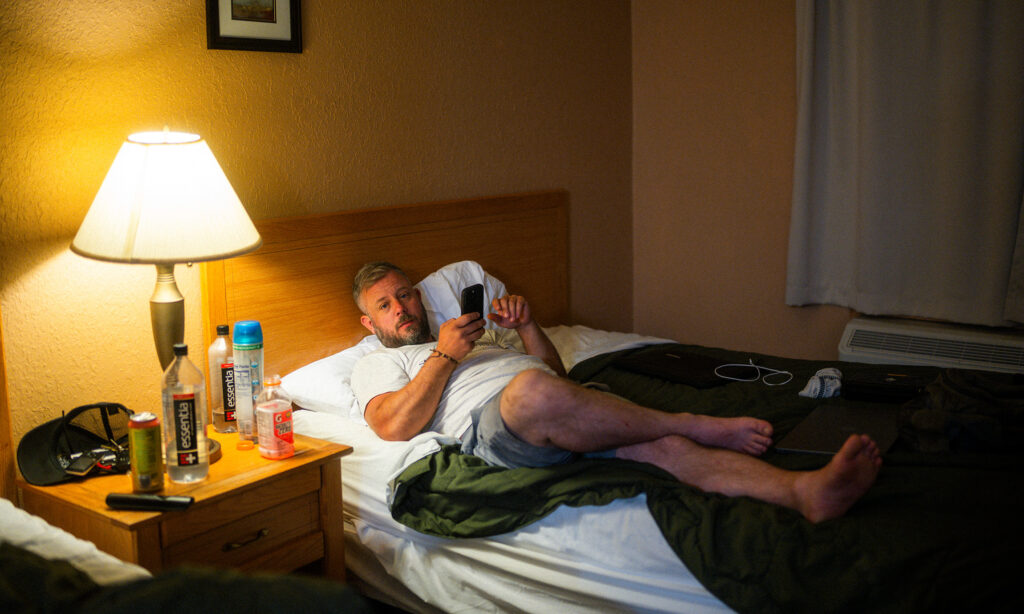
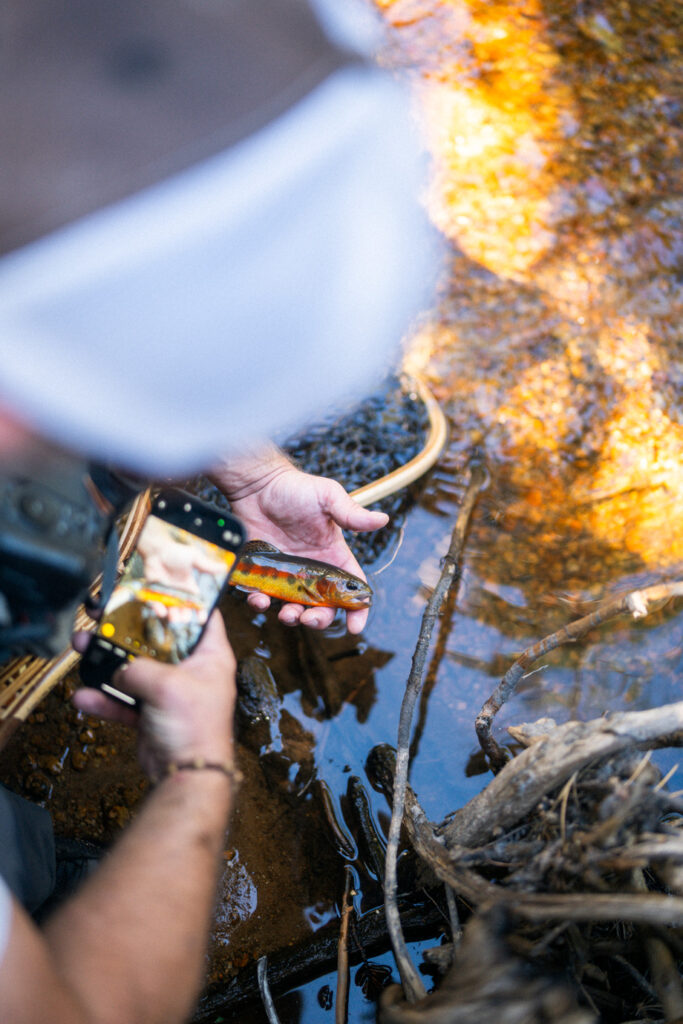
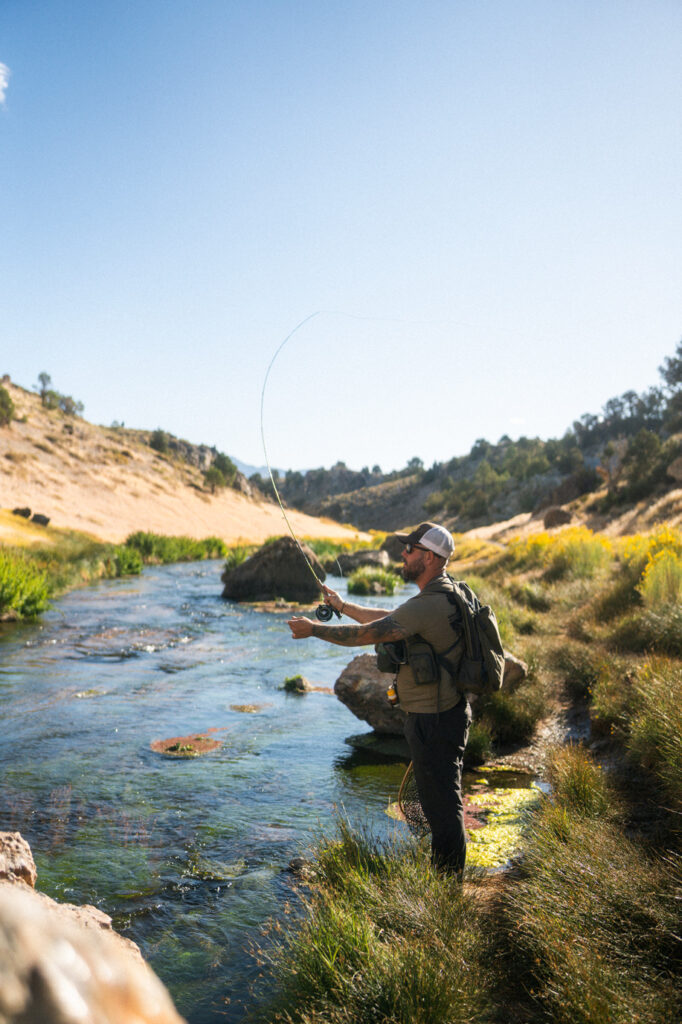
We cover tons of water, with time spent chasing Goldens in the GTW, as well as fishing other local water bodies all the way up to the Mammoth area. We catch dozens of Goldens, Cutthroat, as well as some Browns and Rainbows. I utilize this time to dial-in my 65-pound pack and my 17-pound camera package that I will carry across mountain after mountain chasing this fine group that is arriving in the next few days.
On August 22, Will and I meet up with a portion of the group on the Owens River where we make our introductions.
We leave the group to do some fishing, which gives Will and me time to say our farewells before the big kickoff day.
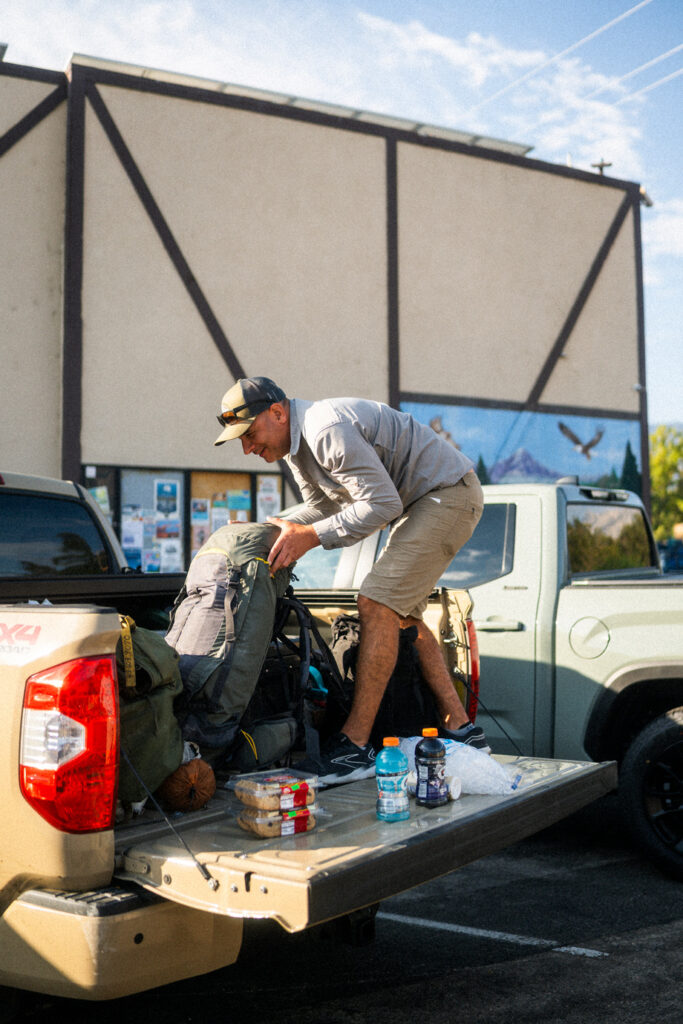
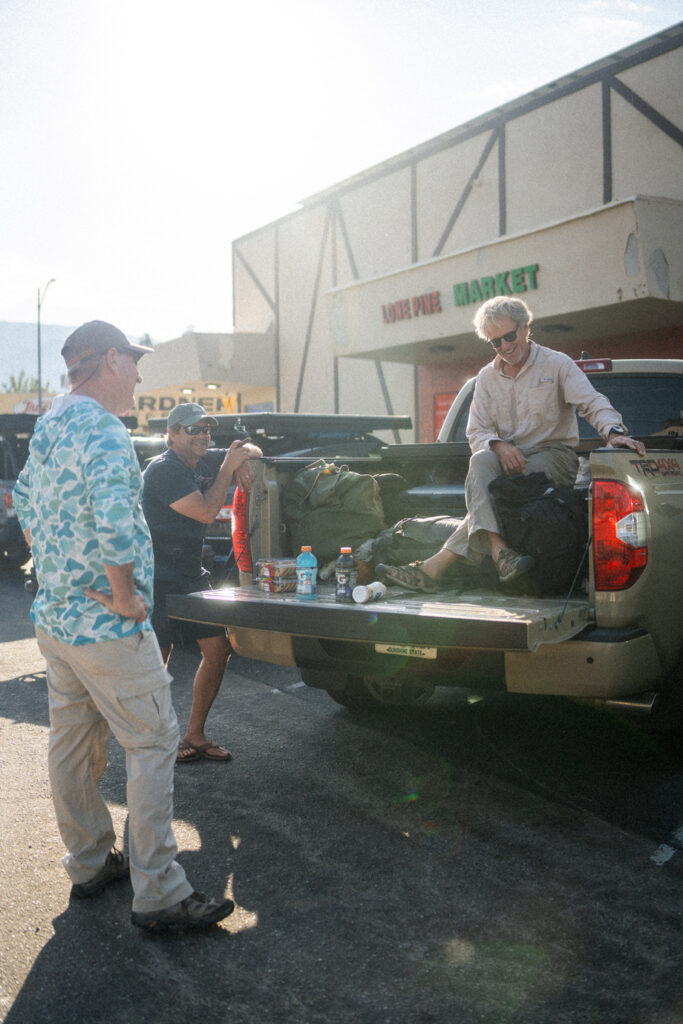
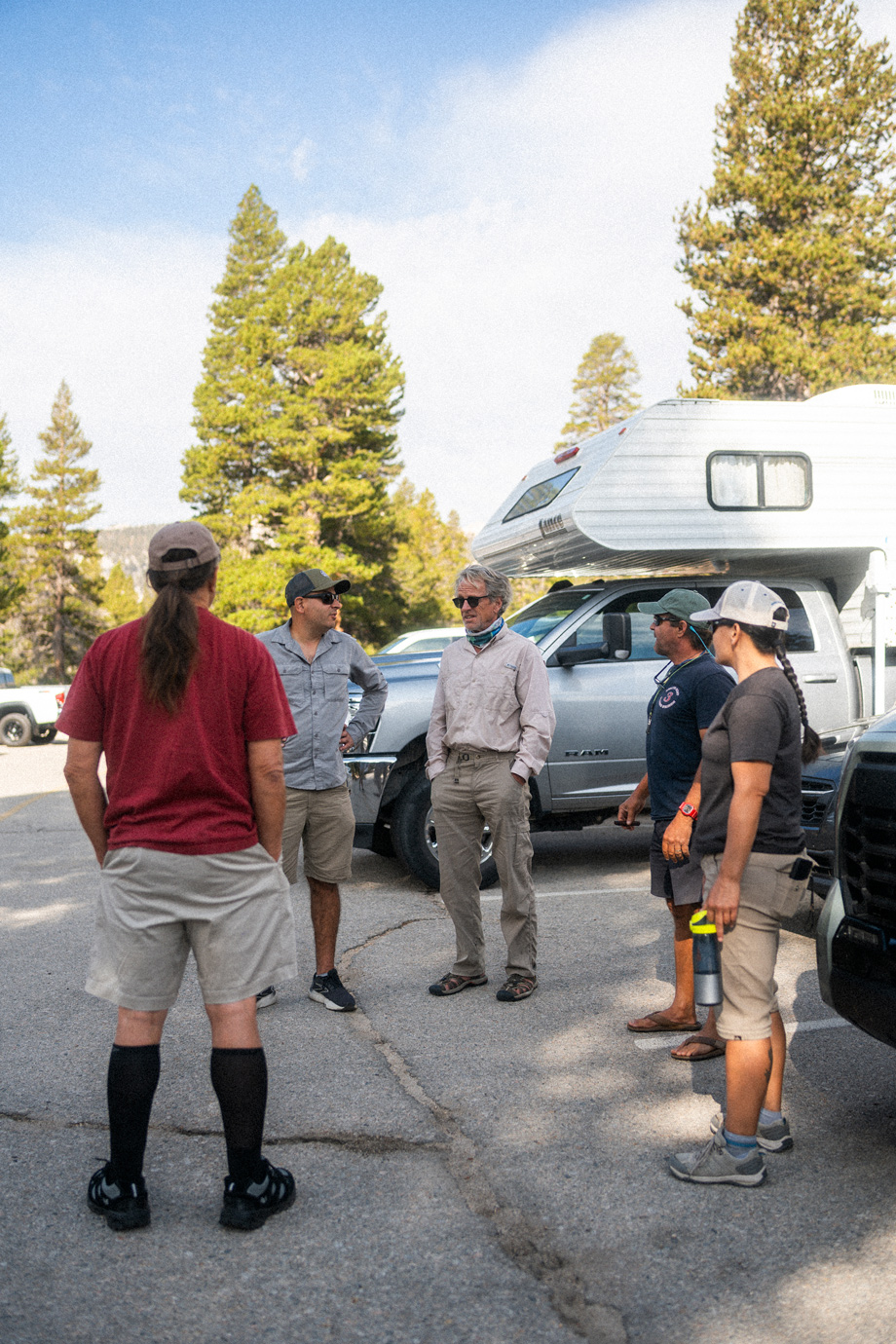
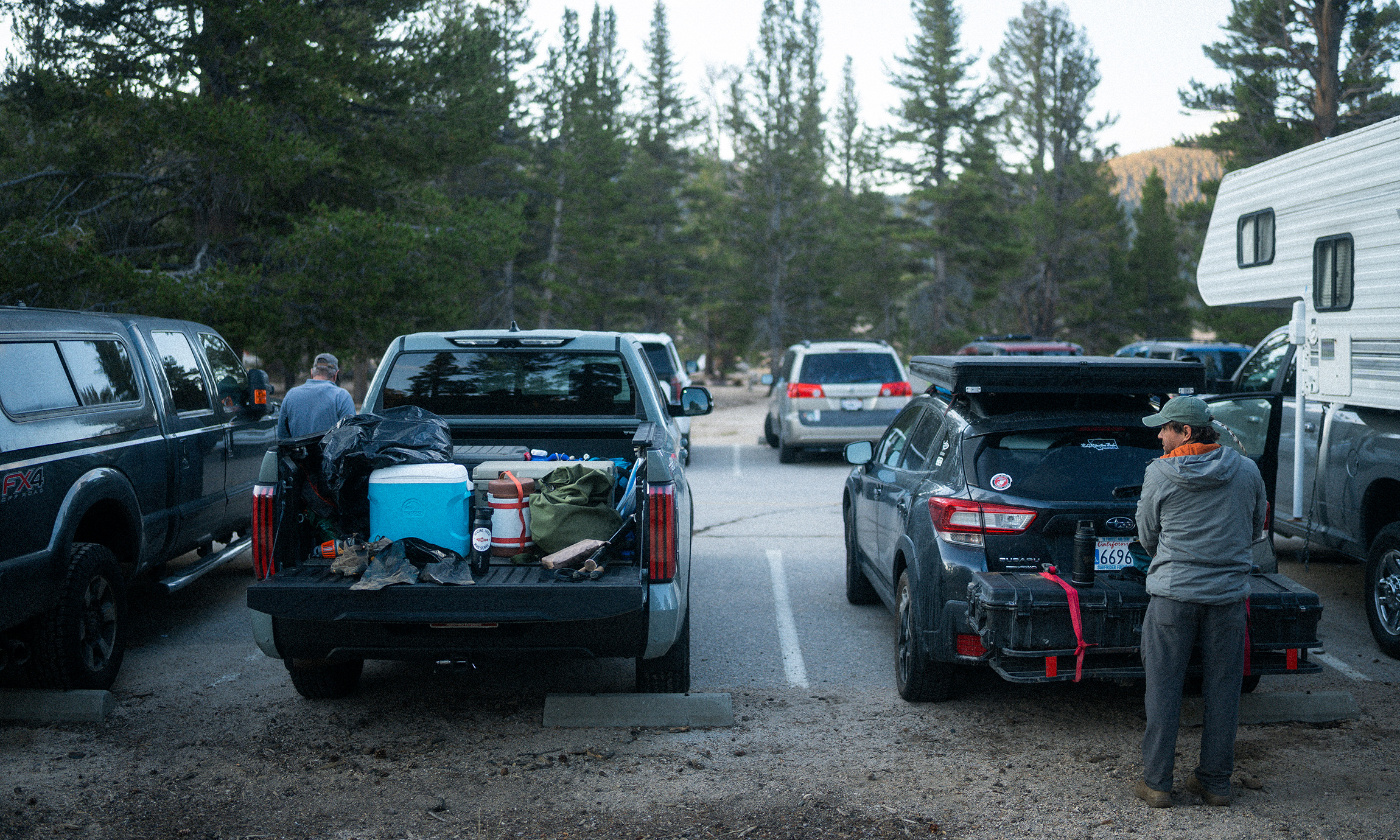
August 23rd, the group sits outside a grocery store in Lone Pine, California where they get their final snacks and goodies before driving up the mountain to set up their basecamp at the Horseshoe Meadow Campground. This is where the group spends the next two days acclimating to the elevation before making their big push deeper into the GTW backcountry.
Meet the Veterans
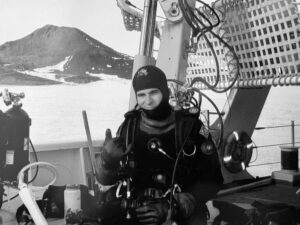 Dan HurtadoU.S. Coast Guard
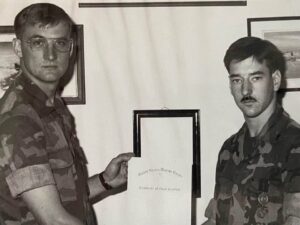 Mike ScottU.S. Marine Corps
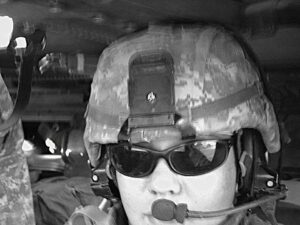 Lorina Walker-KaloiU.S. Army
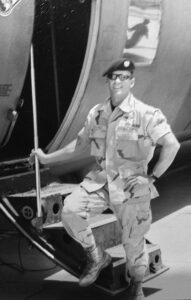 Tim YoungU.S. Air Force
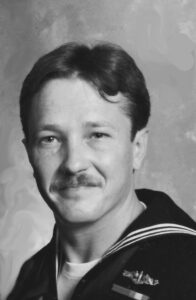 Dave AllenU.S. Army & U.S. Navy
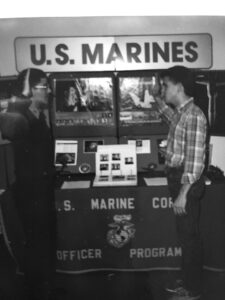 Blain Tomlinson
U.S. Marine Corps
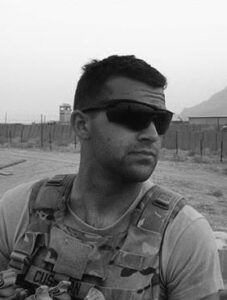 Cameron Cushman
U.S. Army
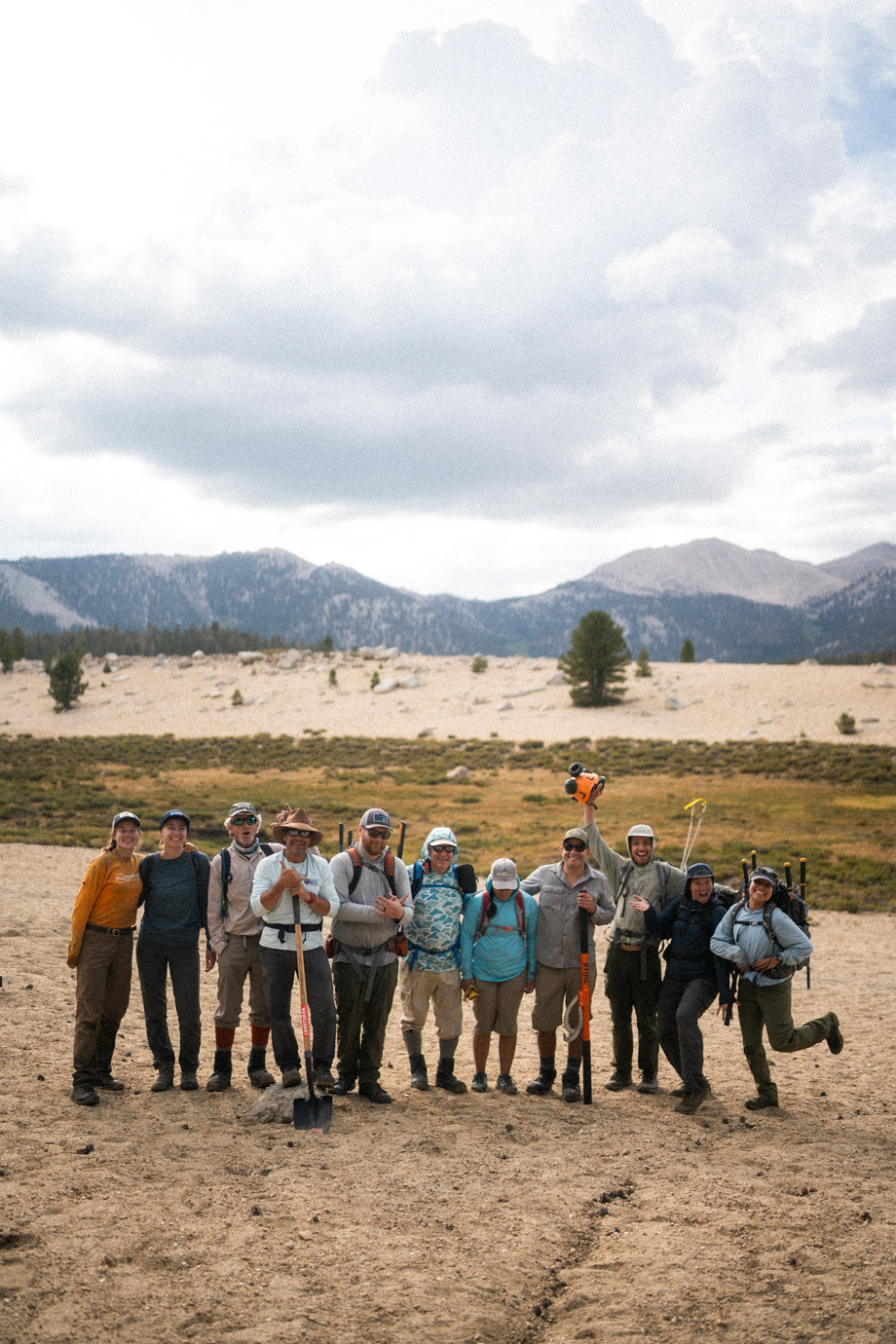
Now let’s meet the rest of the PHW team. Dan Hurtado, Group Leader, PHW Martinez Volunteer, active duty Coast Guard, and lover of the backcountry. Dave Allen, US Army veteran, using this opportunity as a shakedown for backcountry big game hunting trips later in the season. Mike Scott, US Marine Corps veteran, PHW Martinez Volunteer Outings Leader and Water Safety instructor. Lorina Walker-Kaloi, US Army veteran and wilderness enthusiast. Tim Young, US Air Force Special Operations veteran, trained in advanced paramedic procedures and long-range high altitude overland navigation. Blain Tomlinson, US Marine Corps veteran, the then PHW Board Chair and Executive Sponsor of the trip. The team’s plan is to link up with conservation project partners Dan Johnson from Trout Unlimited (TU) and Egan Cornachione from the US Forest Service (USFS) to help on the meadow restoration efforts.
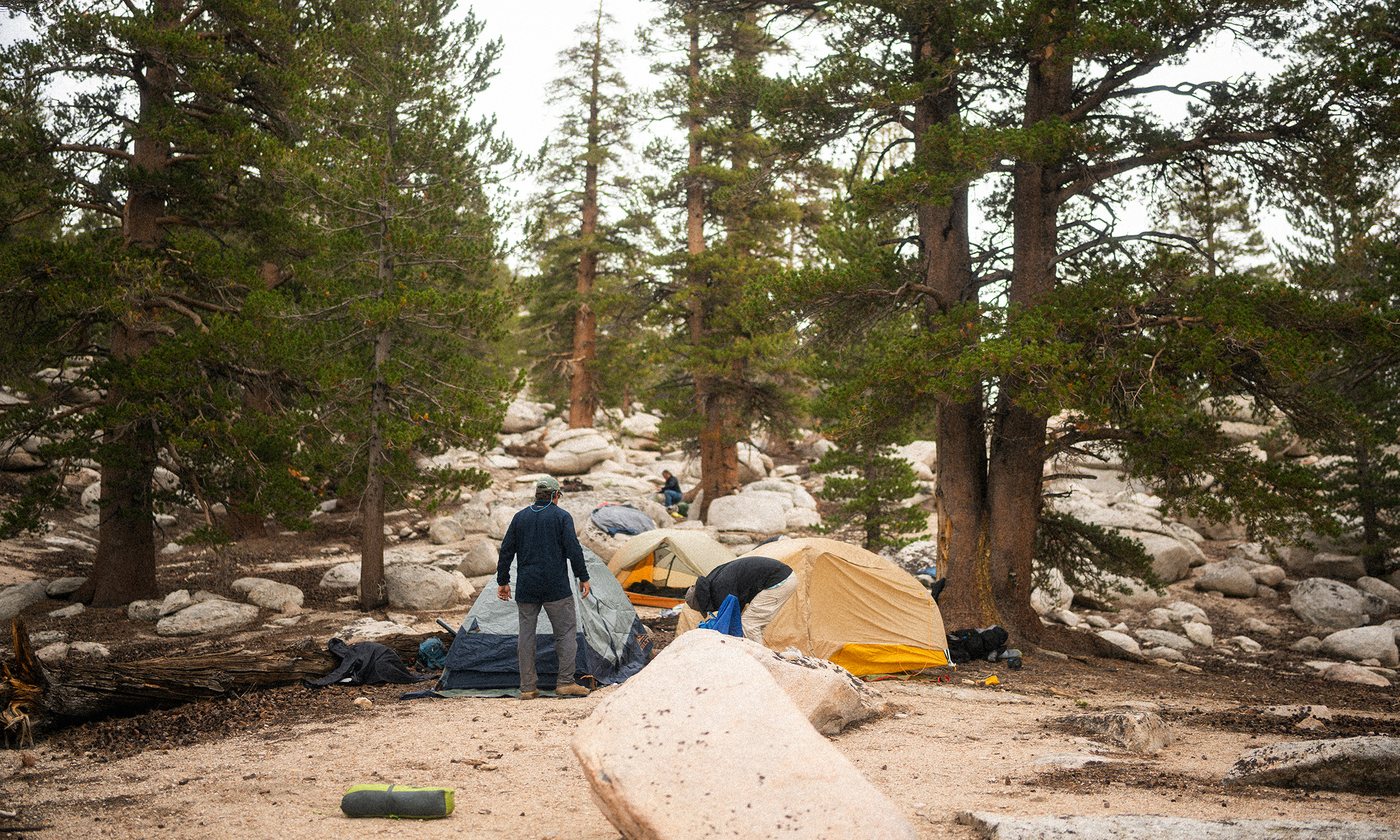
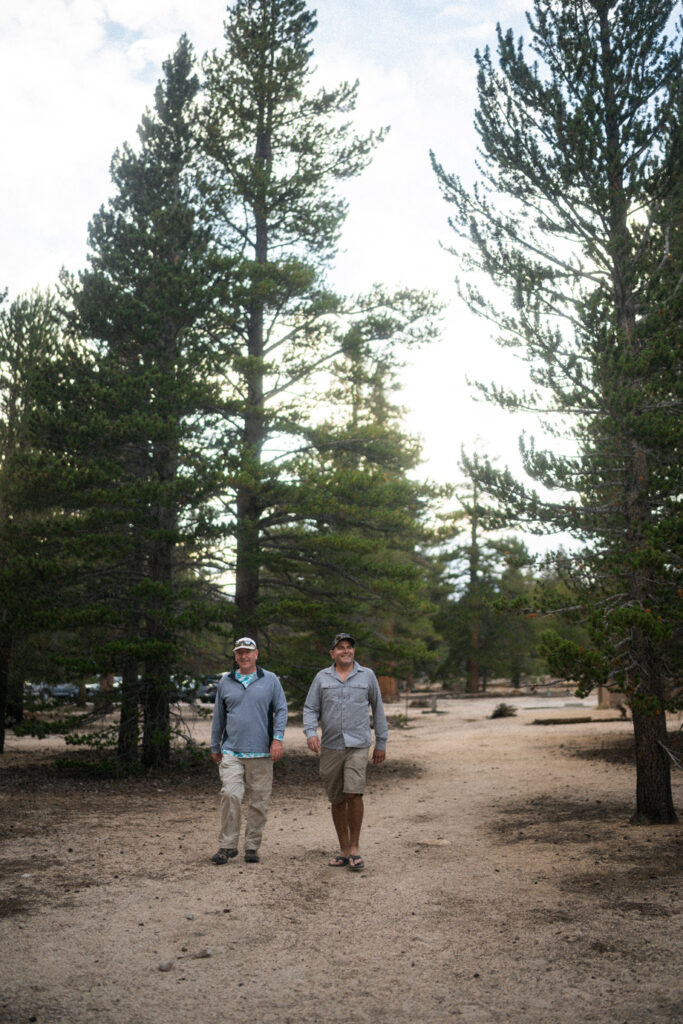
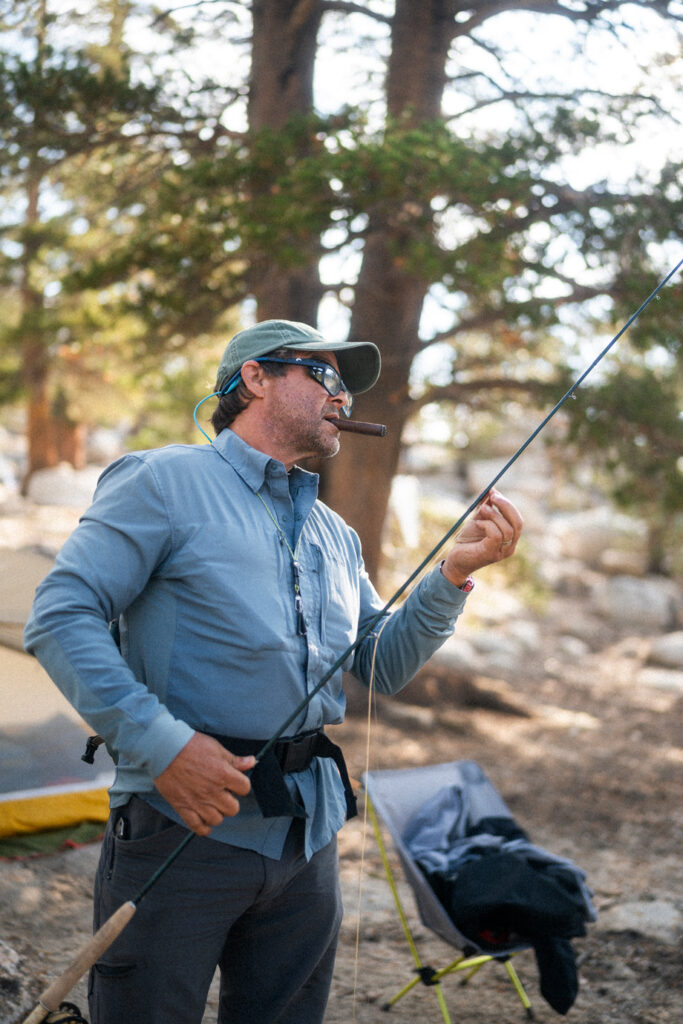
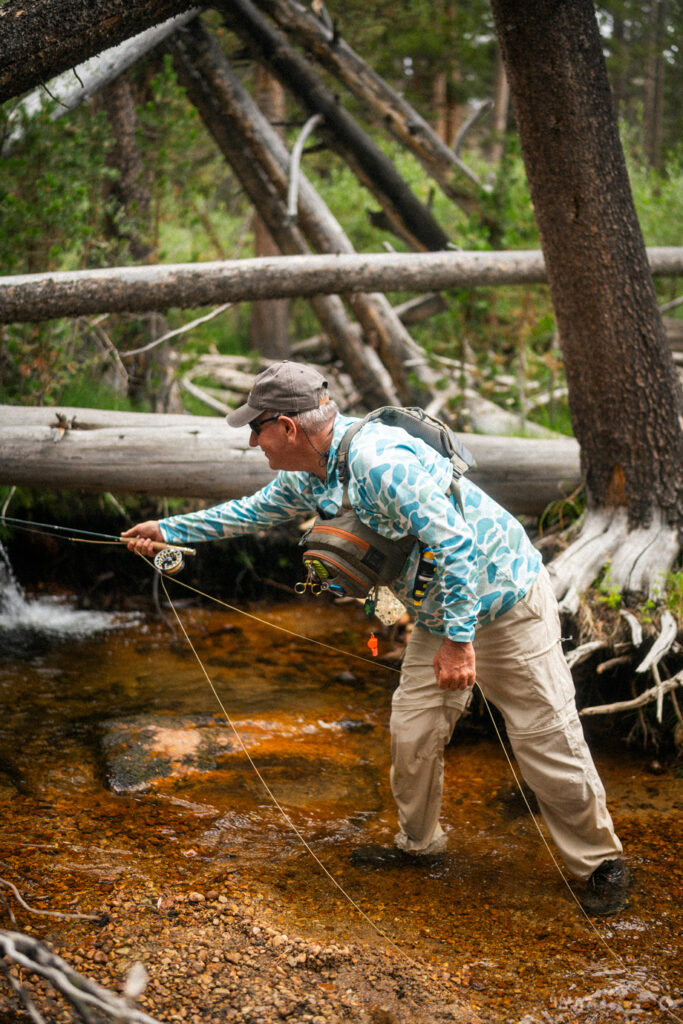
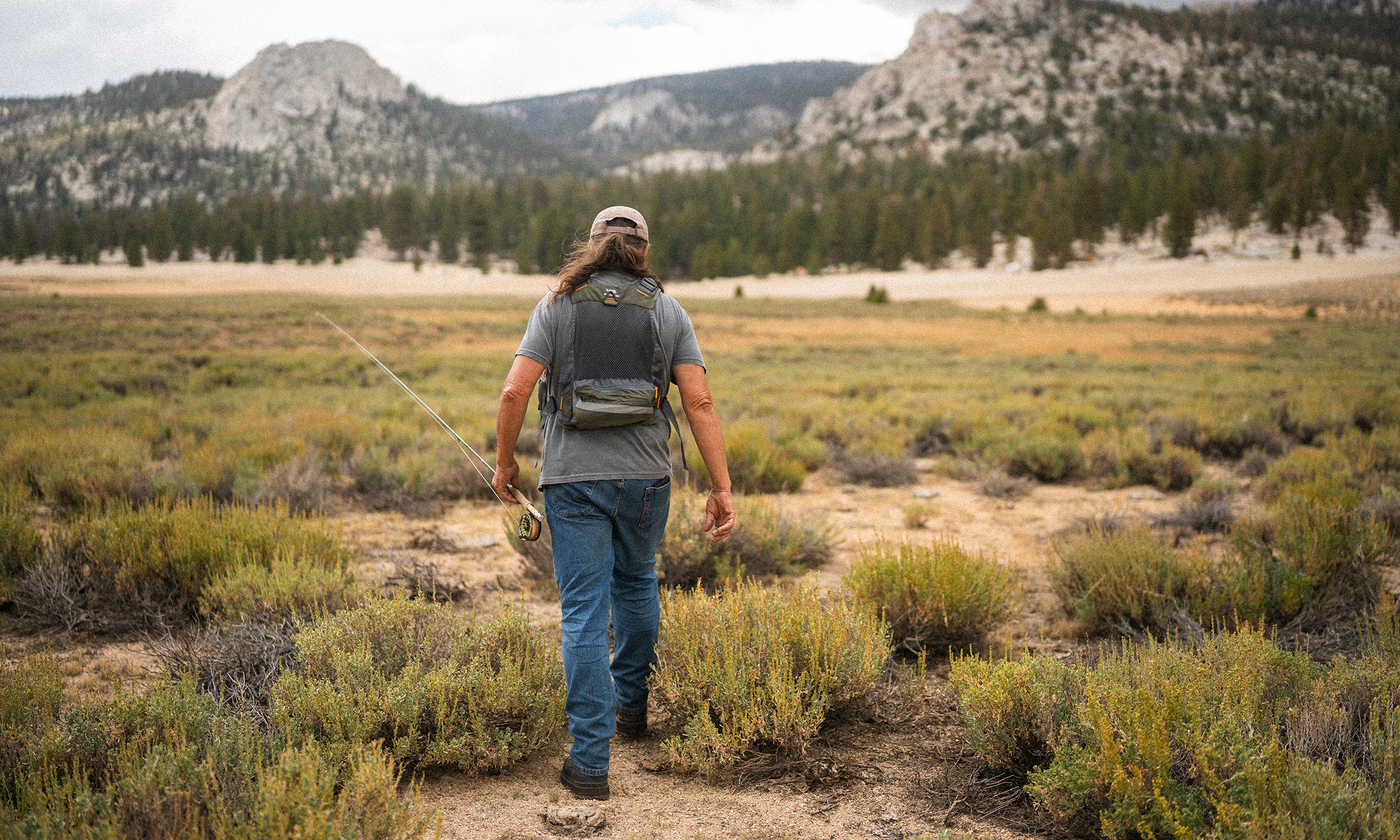
What neither the group nor I are expecting on this trip is the number and intensity of summer storms we experience. I have been fortunate enough to spend multiple years in the GTW, and never in all my years have I experienced the level of weather that we do on this weeklong journey. From day one to the final day, almost every single day is filled with heavy rainstorms paired with the never-fun electrical systems that can tag along.
I bring the group to one of my favorite spots, and within a few minutes the rain begins. Fortunately, the thunder and lightning hold off for about an hour and a half, which allows the group to hook into a few of their first Goldens. The group slowly but surely makes our way back to camp where we enjoy a brief lunch before linking up with the TU folks for our first experience of restoration work, as well as receiving a bit of orientation on the entire area, work process, and impact on the bodies of water that we will be restoring.
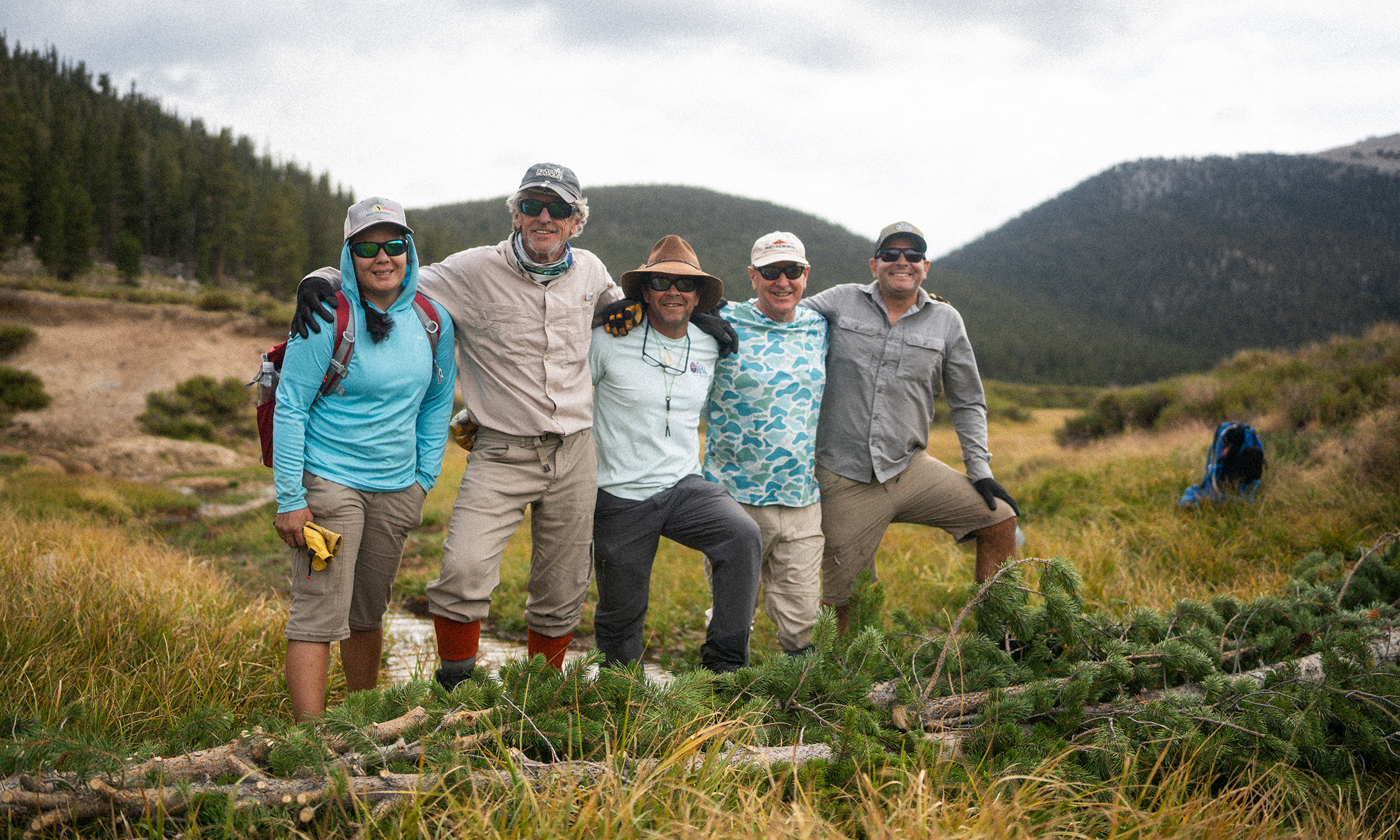
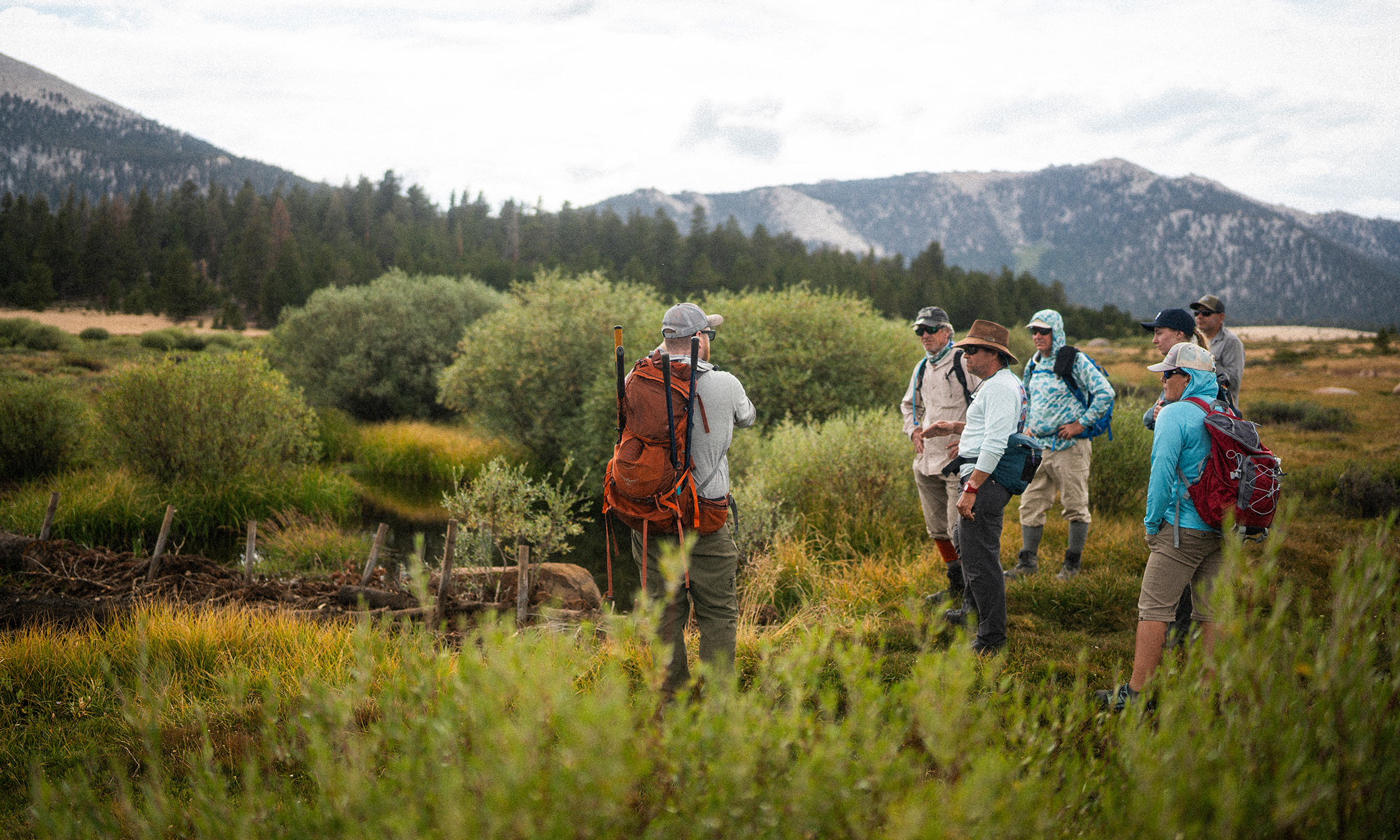
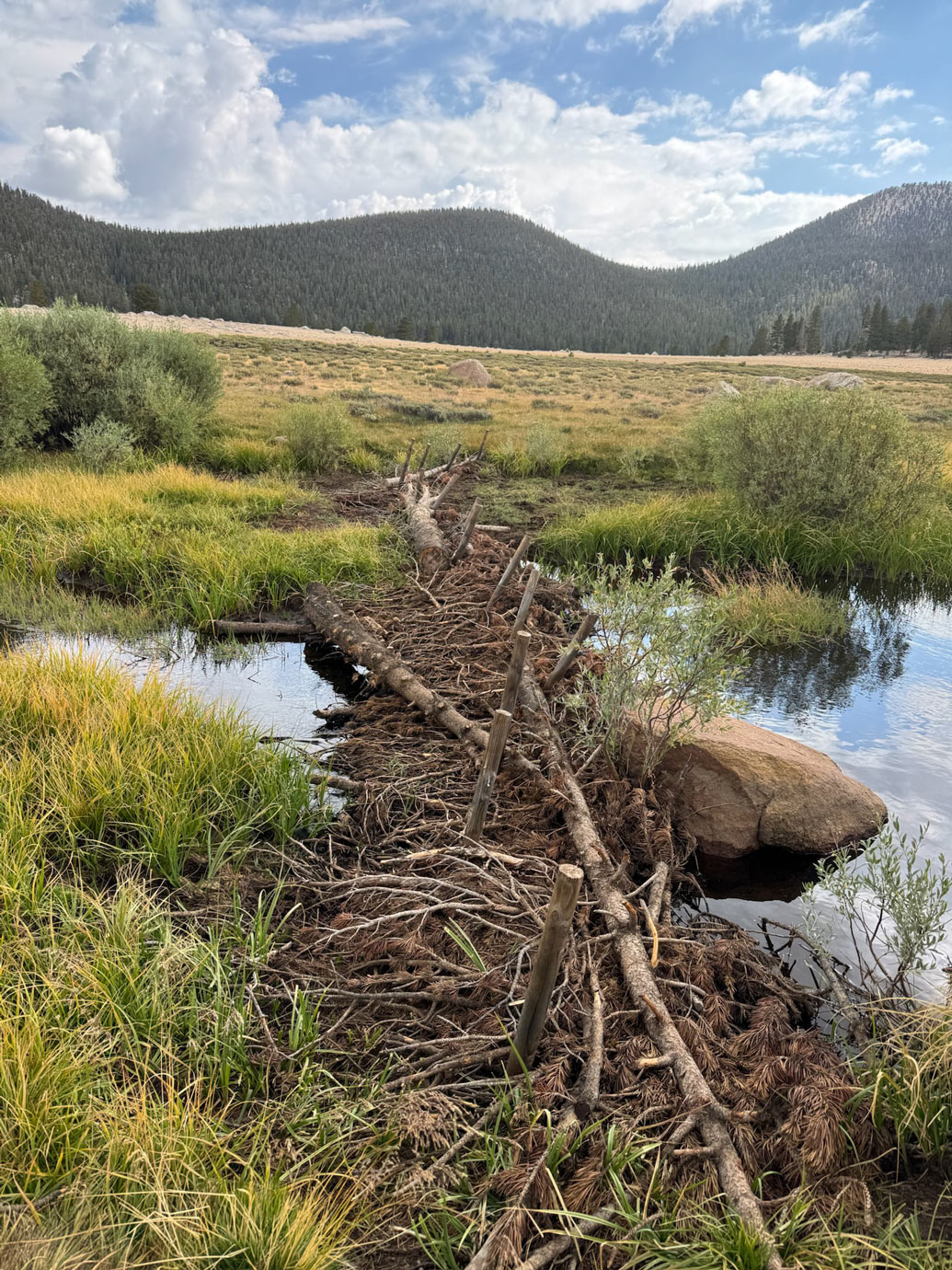
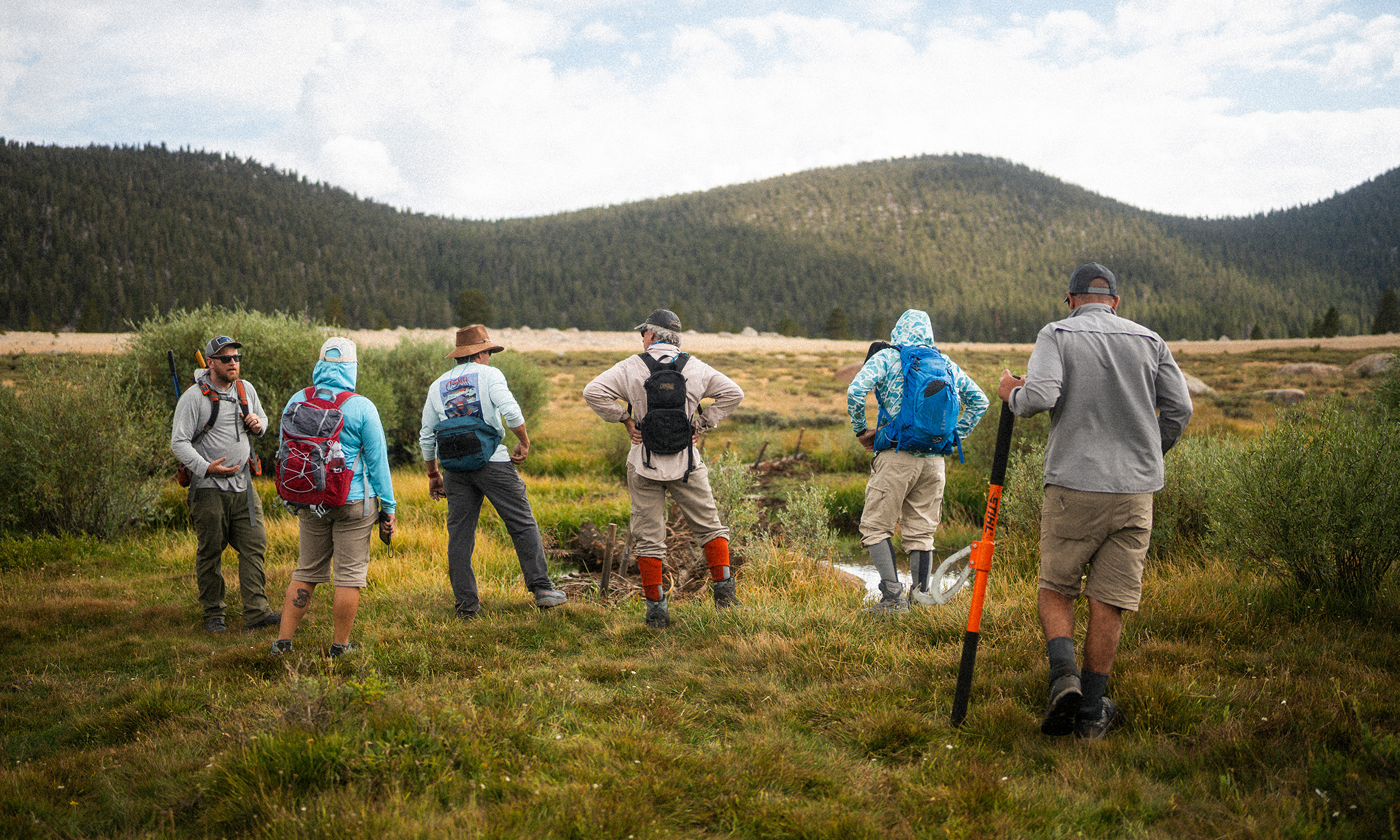
The mission for the day is to get a better understanding of the work that has been done, the work being done, and the work that needs to be done. After a hike through a few meadows and across a few creeks, the group is at our first worksite, an area where they are establishing Beaver Dam Analogs (BDAs). These are temporary man-made beaver dams. By using surrounding natural materials, these BDAs serve multiple functions. They artificially slow the water flowing through the landscape, reestablishing the floodplain and ensuring adequate flows year-round for spawning fish and juvenile habitat. During the summer, the BDAs create deep, cool water and in the winter, stable warmer water as sanctuaries for the fish.
On the walk to the worksite, the TU team takes us by multiple areas that have had intensive work done where fish are now flourishing to future spots that have yet to be touched. This work is very much a team effort, guided by the US Forest Service and supported with the extra resources other partners contribute, including and especially Trout Unlimited. Dan Johnson, TU’s lead on the trip, has been working with TU for four years.
Officially, Dan is now TU’s California/Nevada Public Lands Manager—responsible for public lands advocacy, but he was originally hired as an outreach and engagement specialist, making TU work accessible to the public. He straddles all of this work now, and loves every minute of it.
With a good backstory on the work that TU and the State have done, the team is split up and handed various tools to get to work. Some hike up into the timber to find downed or dead trees to bring back down to the creek bed, others toss on their gloves and begin placing small branches into an already started BDA. With plenty of new hands between the two teams, the work for the day is finished quickly.
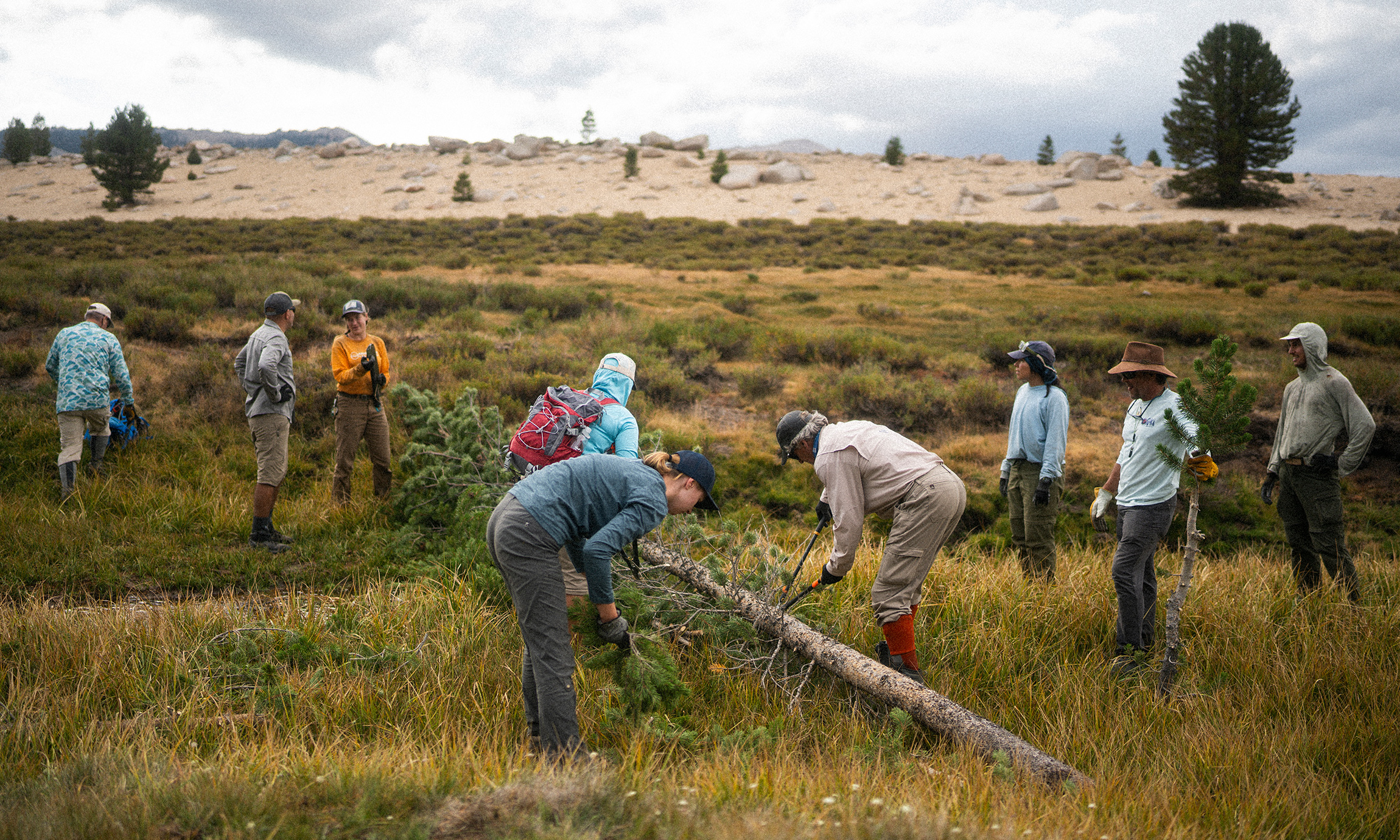
Lorina Walker-Kaloi lights up as she remembers this work… hard work, the team did building the BDAs.
On the other end, Dan Johnson holds great appreciation and respect for the veterans, their help, and their shared love of wilderness. He had little contact with veterans before this—neither he nor his immediate family had served in the military, so working with veterans was all new for him. Dan had read about Project Healing Waters—he knew that these were veterans who “had been through some stuff” and used PHW as a vehicle for healing through camaraderie and nature, but he didn’t fully appreciate the impact until he saw it for himself.
For Dan, that moment embodies the grit and determination our group of veterans bring to this work as well as to their daily lives.
Egan Cornichione is the USFS project lead for the wilderness stewardship projects:
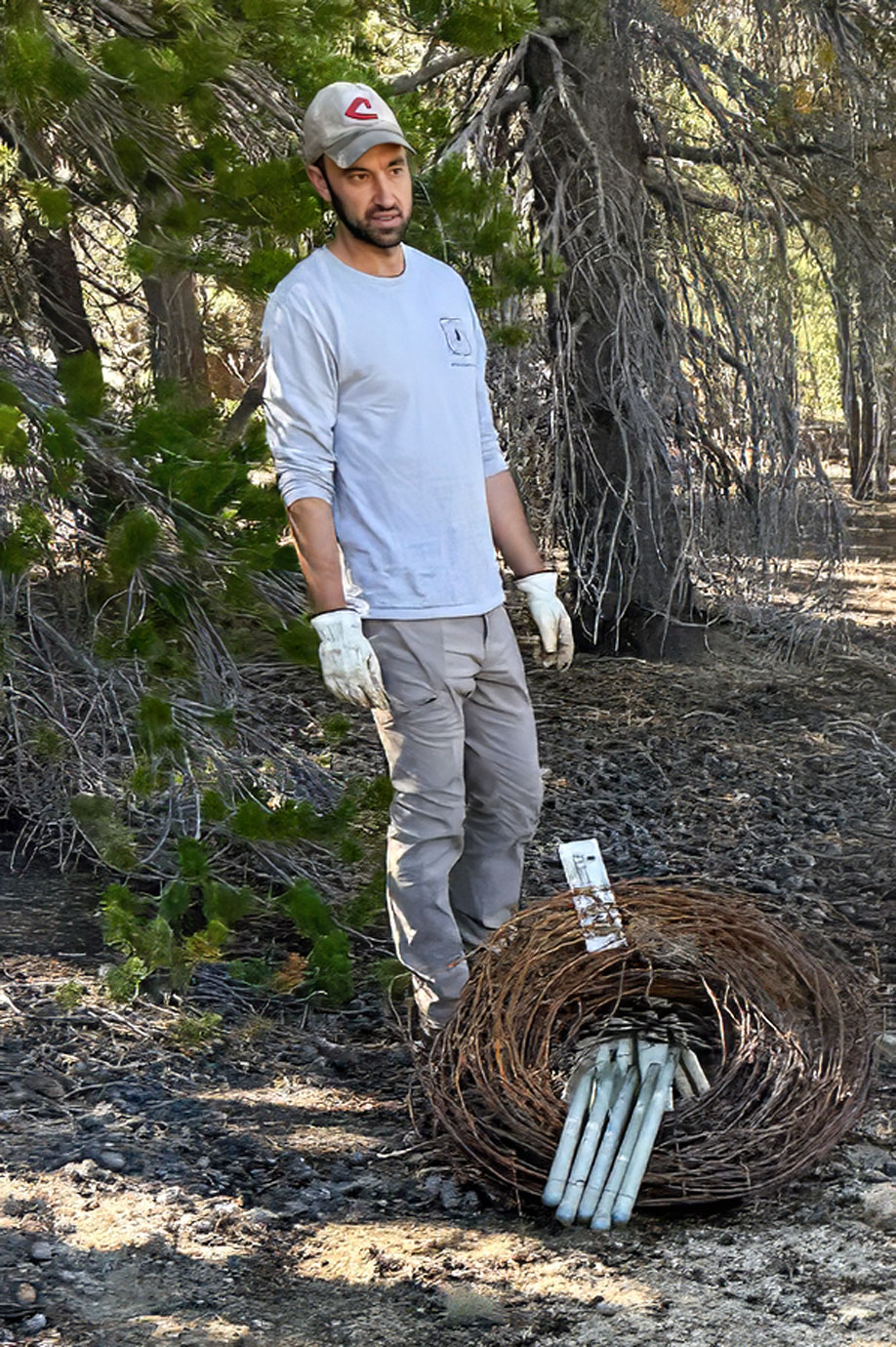
“I coordinate with nonprofits and volunteers for backcountry trips to remove fence and debris. I am also the project lead for the Forest Service for the second phase of restoration by Trout Unlimited in Big Whitney, Stokes, and Tunnel Meadows…The restoration and stewardship work being done in the Golden Trout Wilderness would just not happen without partner organizations to fund and support the work. That PHW has been an eager partner in engaging with the work to protect and improve stream conditions is so critical in bringing more resources and attention to the many stressors facing the Golden Trout, and hopefully to the many opportunities to improve their long-term survival in this sensitive ecosystem.”
In short, everyone is in this together.
With the introductory workday complete, we all head back to camp where the USFS/TU team treats the group to a fantastic taco dinner. Conversations are had, new friendships formed, and before we know it, the sun is down.
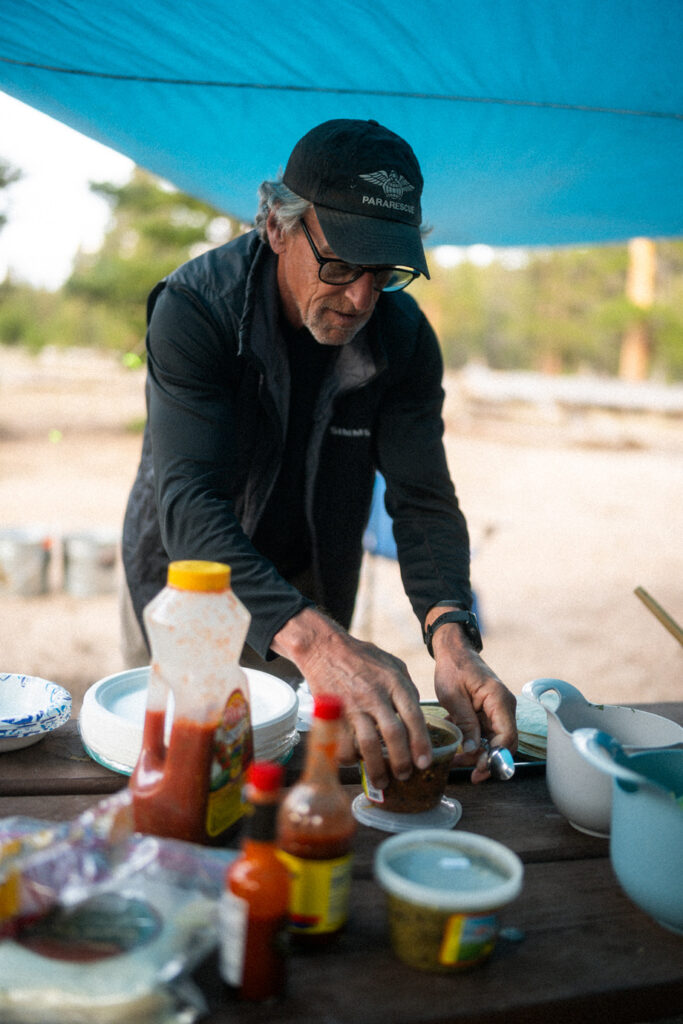
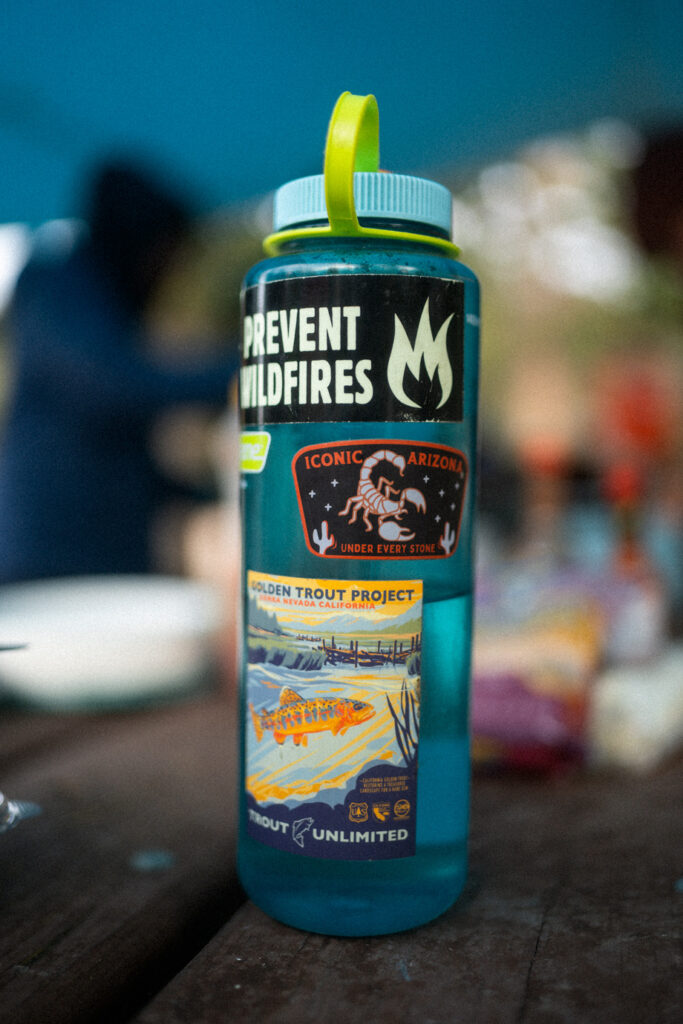
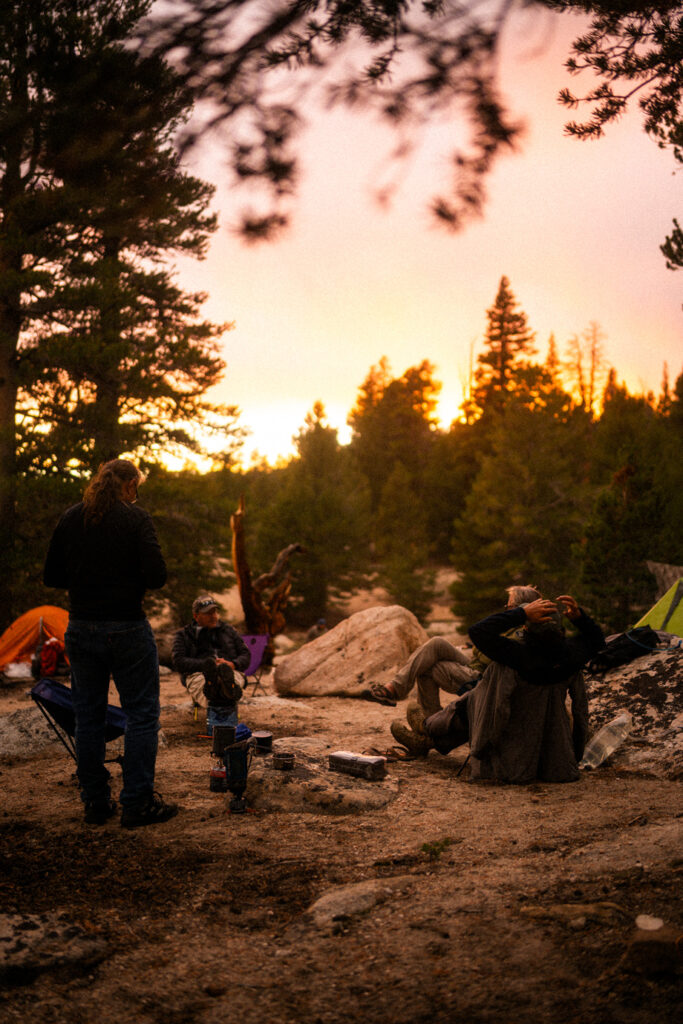
We have another day of acclimating to the elevation in front of us, and the group spends the day in various ways. Some hit the water, some relax by camp, and some go do a bit more work with the TU folks. As for myself, I spend most of the day recharging gear, packing my pack so nothing will budge to give me the most pleasant experience possible with a 65-pound pack full of camera gear and camping gear to survive with for a few days in the mountains.
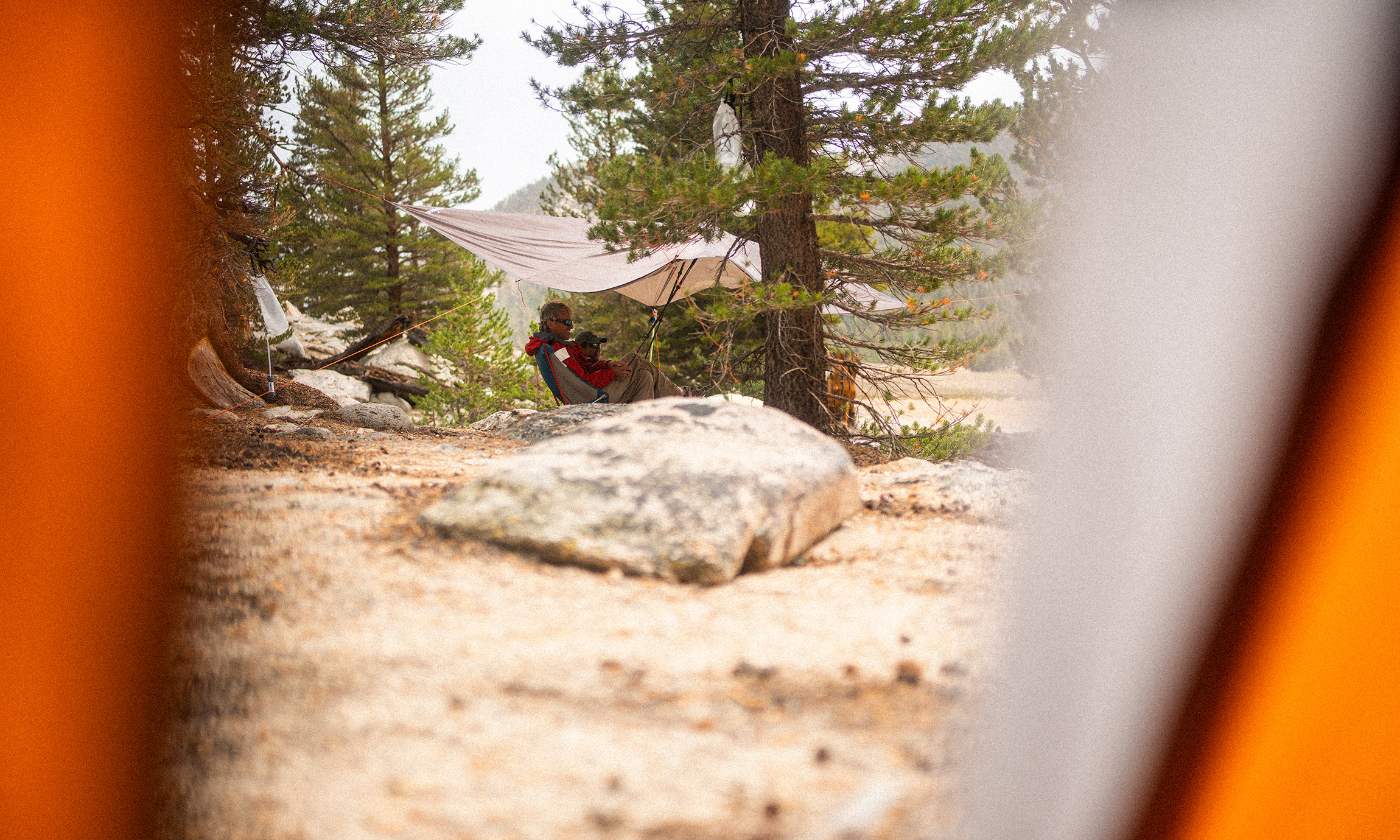
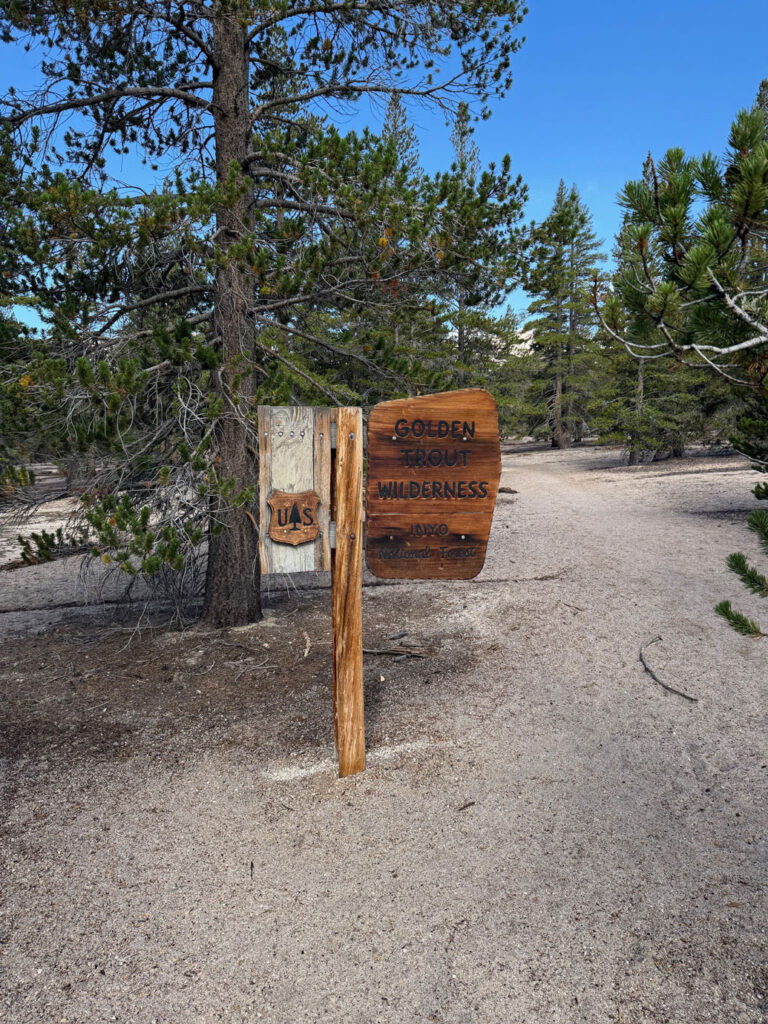
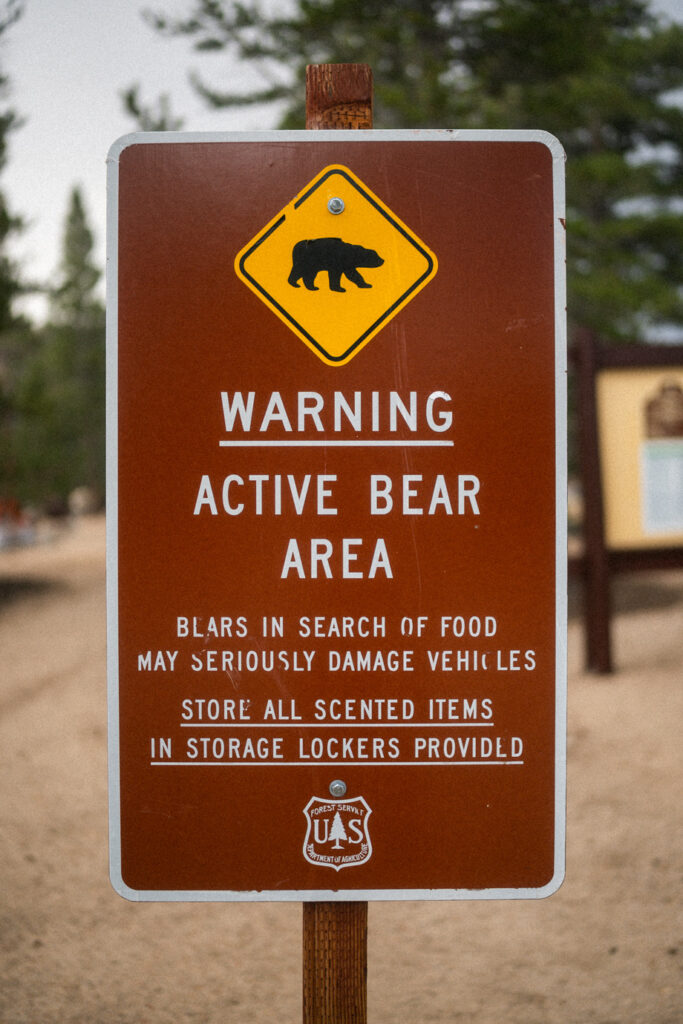
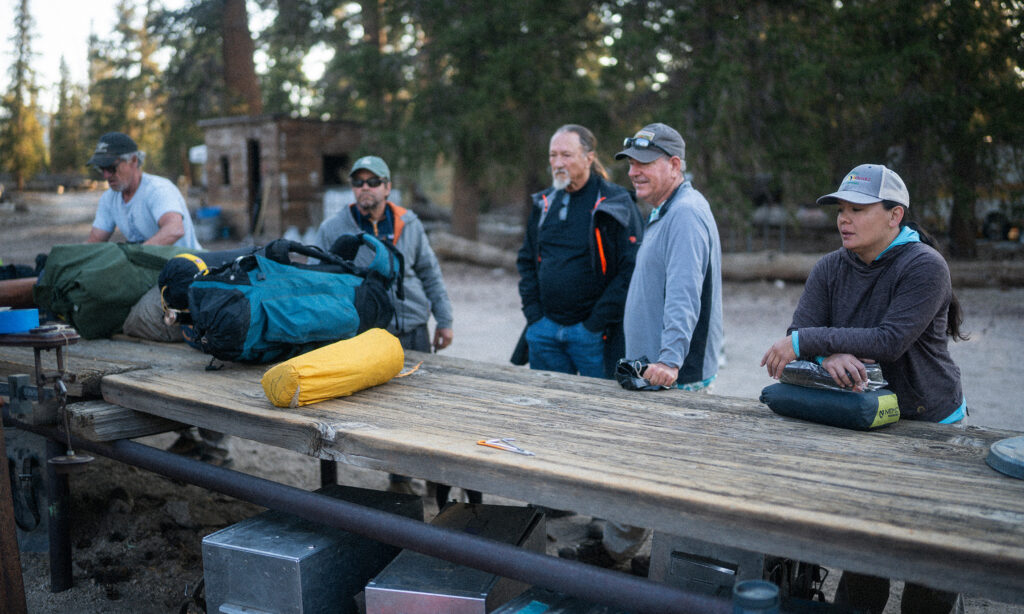
The big day finally arrives, August 25th. The day when the group brings all their packs and gear to Rock Creek Pack Station, the horse and mule packing outfit that generously donated their services for this trip, to get weighed and sent out on a mule train. Everyone but me sends all their heavy camping gear, food, and most of their items off with the outfitters to be dropped along the trail at a pre-determined spot somewhere near our backcountry camping area.
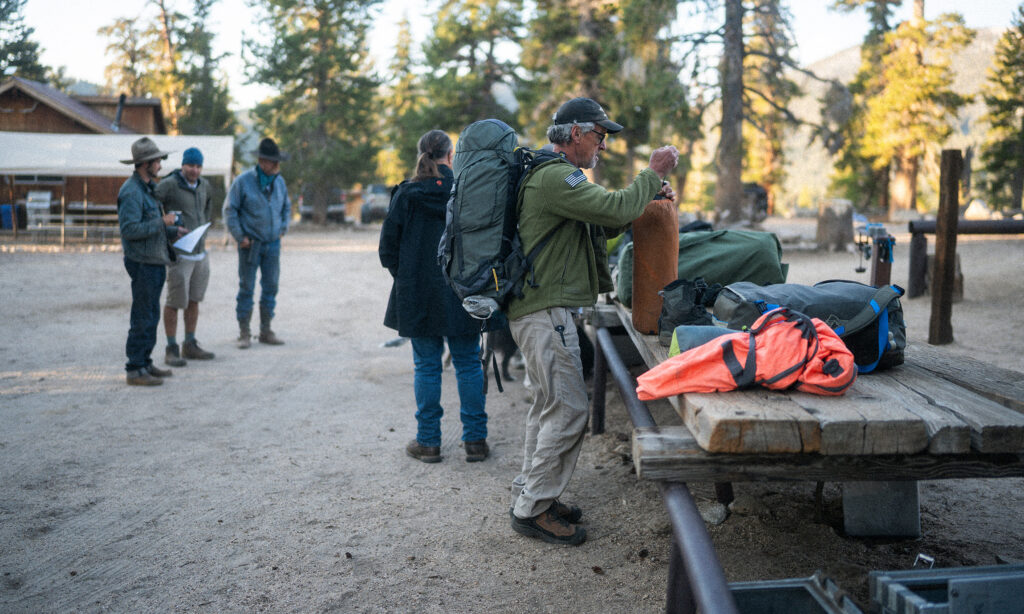
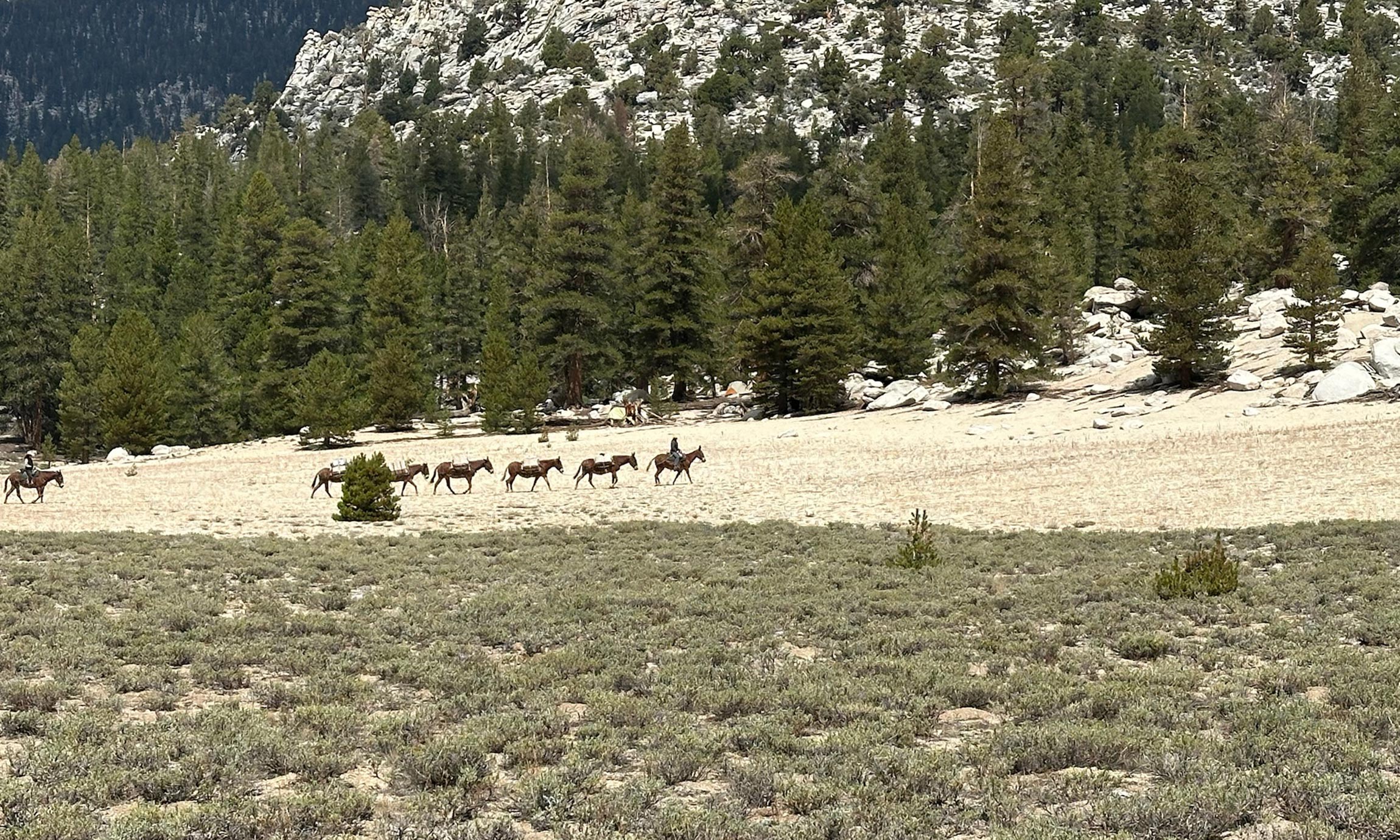
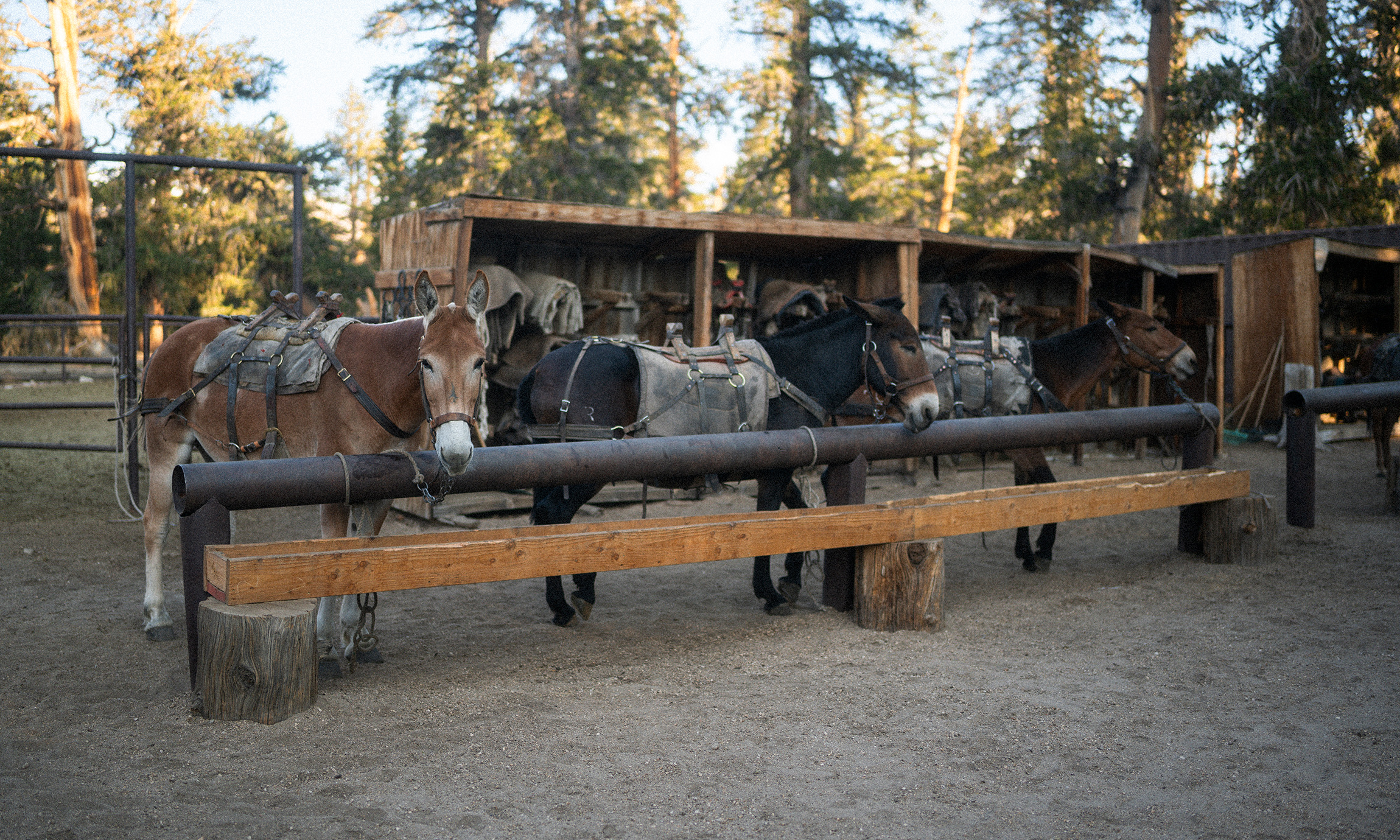
Rock Creek Pack Station in Bishop, California has been around since 1919, and since 1947 three generations of the London family have owned and operated the outfit to provide educational opportunities, hiking support, and specialized trips into the backcountry with their herd of about 130 horses and mules. For current owner Craig London and his wife Carmen, packing and sharing the extraordinary Sierra wilderness with their guests have been lifelong passions.
Craig has been packing since the tender age of three and a half, and started working in the family business at age 12. A highly skilled veterinarian trained at UC Davis, Craig cares deeply for his animal family—he has real bonds with the horses and mules that may work as pack animals for 20 or more years.
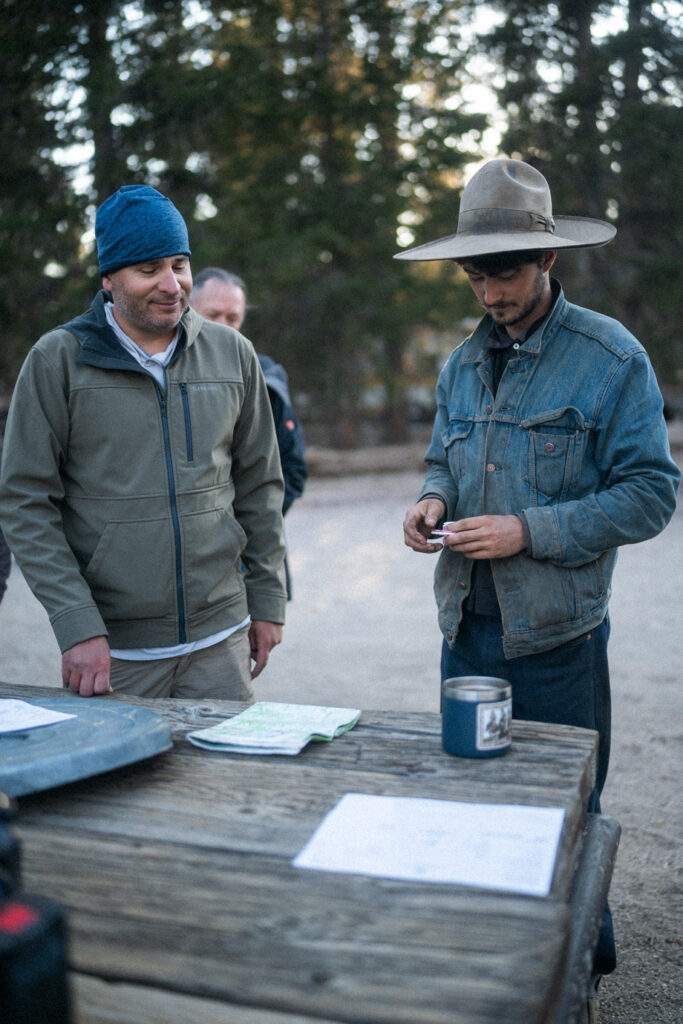
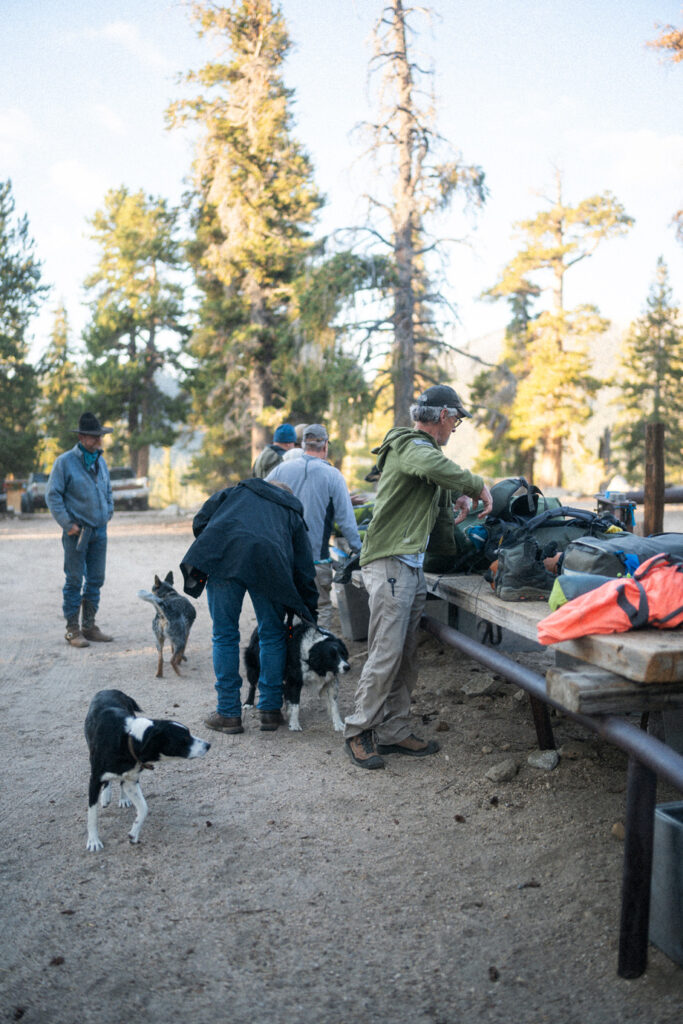
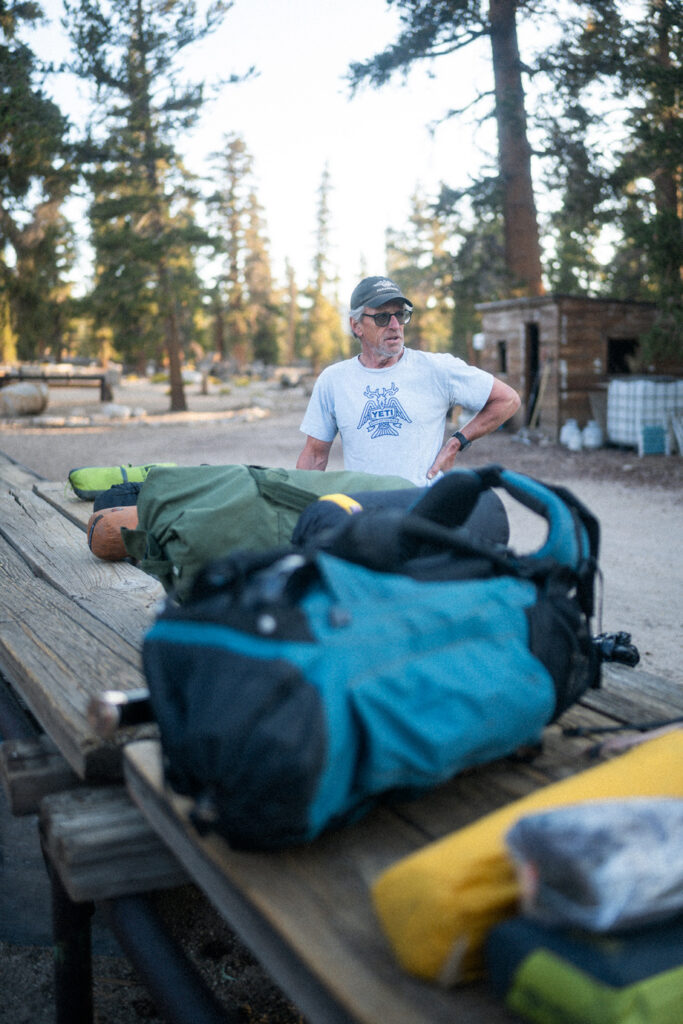
On the Rock Creek Pack Station website, Craig talks about using his now-retired veterinary skills to help his neighbors with their animals. But Craig is generous in many other ways, this trip to the GTW being a great example:
“When people have a problem and I can help them, that’s what I can do. Project Healing Waters called and wanted to hire us to pack in their gear to GTW. When I heard it was for a group of veterans, I told them I’d be glad to do it for nothing.”
Craig and Carmen are very active members of their local Elks Lodge (BPOE) and Craig saw this as an opportunity to fulfill the Elks’ commitment to helping others.
“My family’s been in this business for decades. It’s very unusual for us to give anything away for free. But helping veterans on their mission to be of service was a no-brainer.”
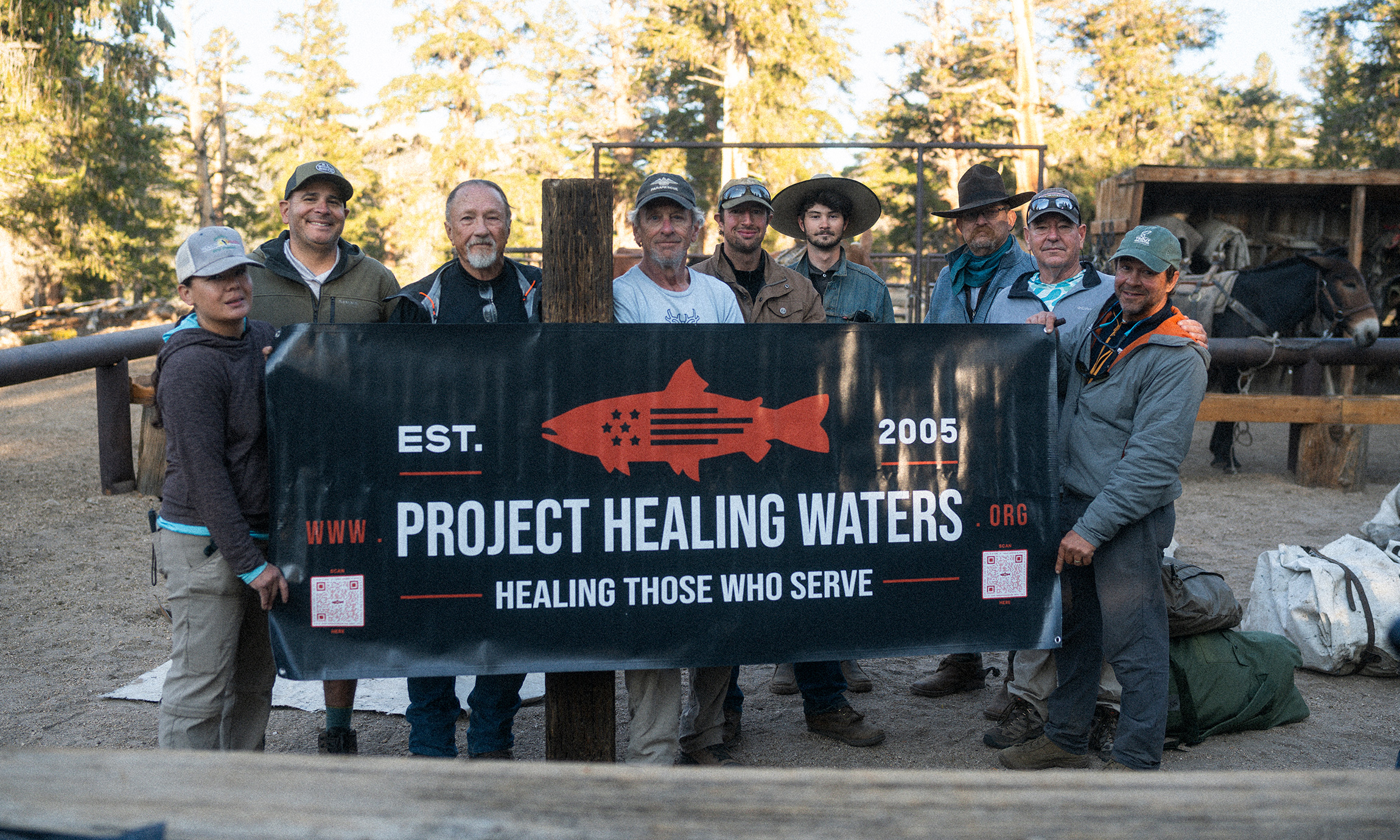
With a quick trip to the pack station wrapped up, the group heads back down to the main trailhead outside of Horseshoe Meadows to take a group photo, pack some snacks, a light load of fly gear, some layers, and whatever else they want to have in a small daypack before beginning the strenuous journey deep into the GTW.
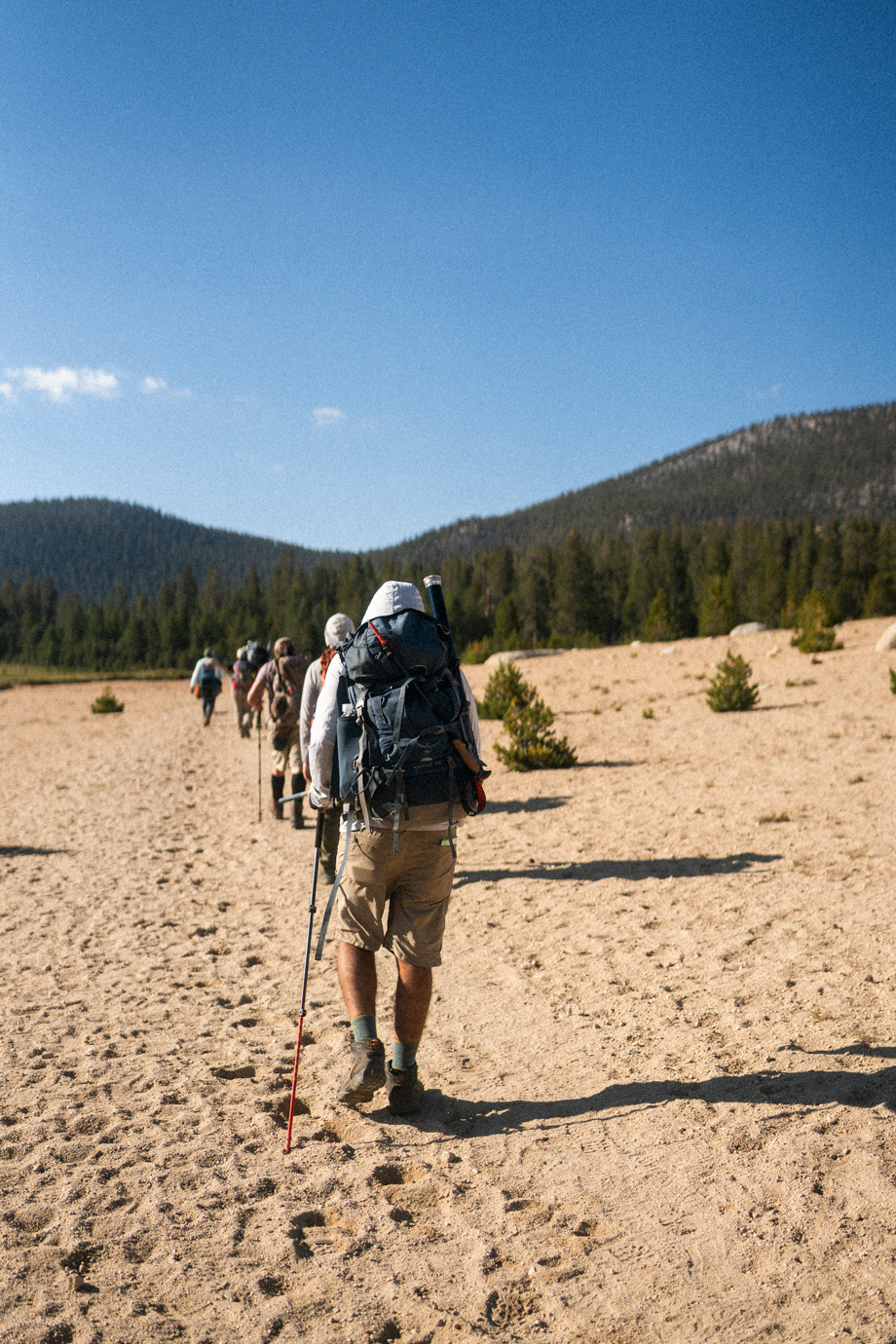
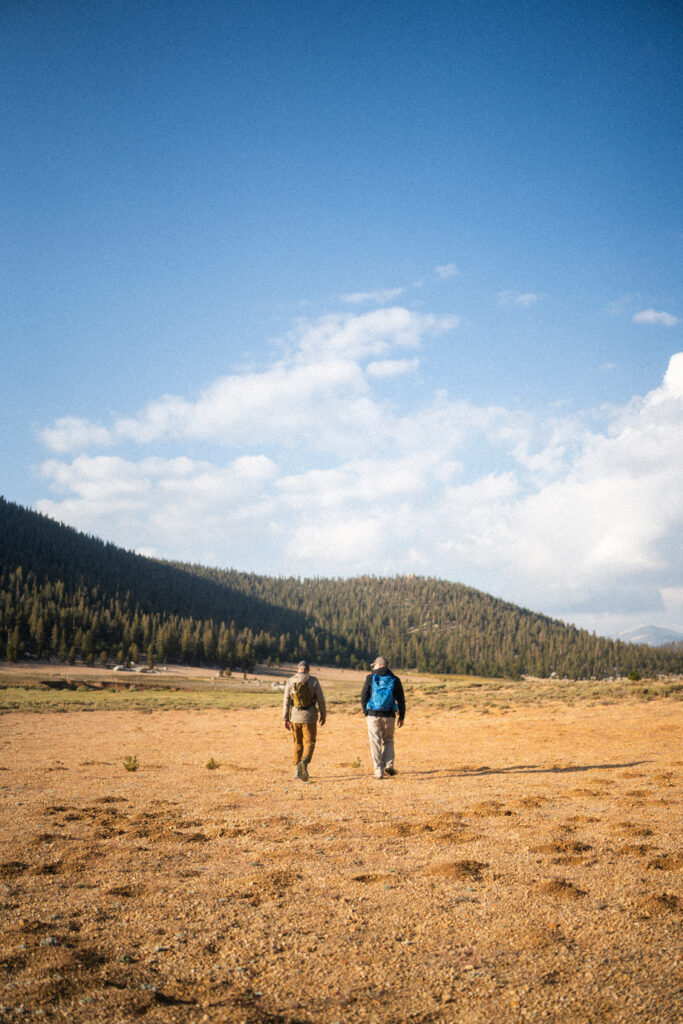
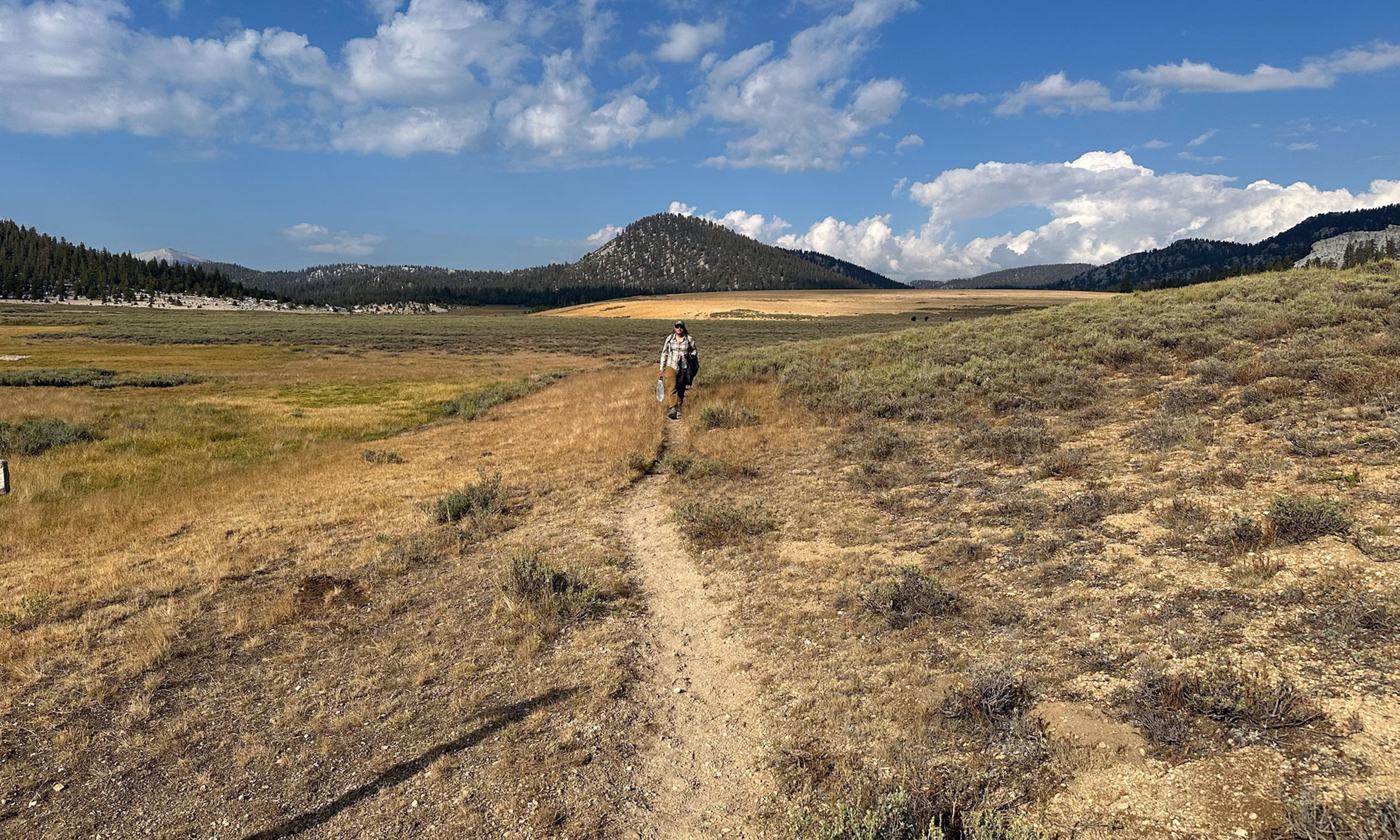
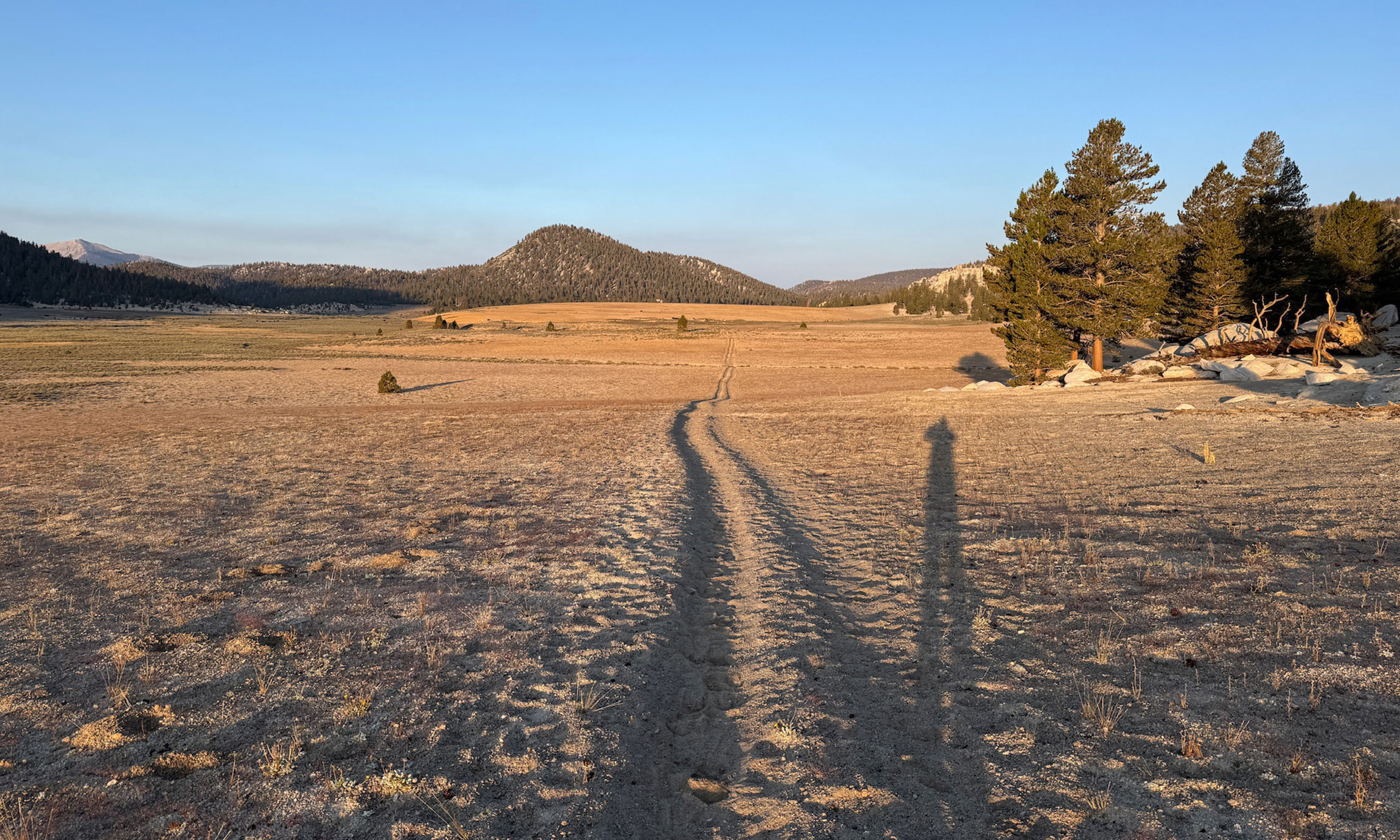
With daypacks filled, legs stretched, and bladders emptied at the last civilized bathroom the group will see for the next week, we begin our hike out of Horseshoe Meadows and into the GTW. The hike begins through a small stand of timber before opening into a meadow setting with loads of exposure and sand that is hoping to find its way into your footwear. Early in the hike, you get a false hope of ease. With a slightly downhill and flat hike for the first mile or so, your thoughts of this being a strenuous journey push to the back of your mind.
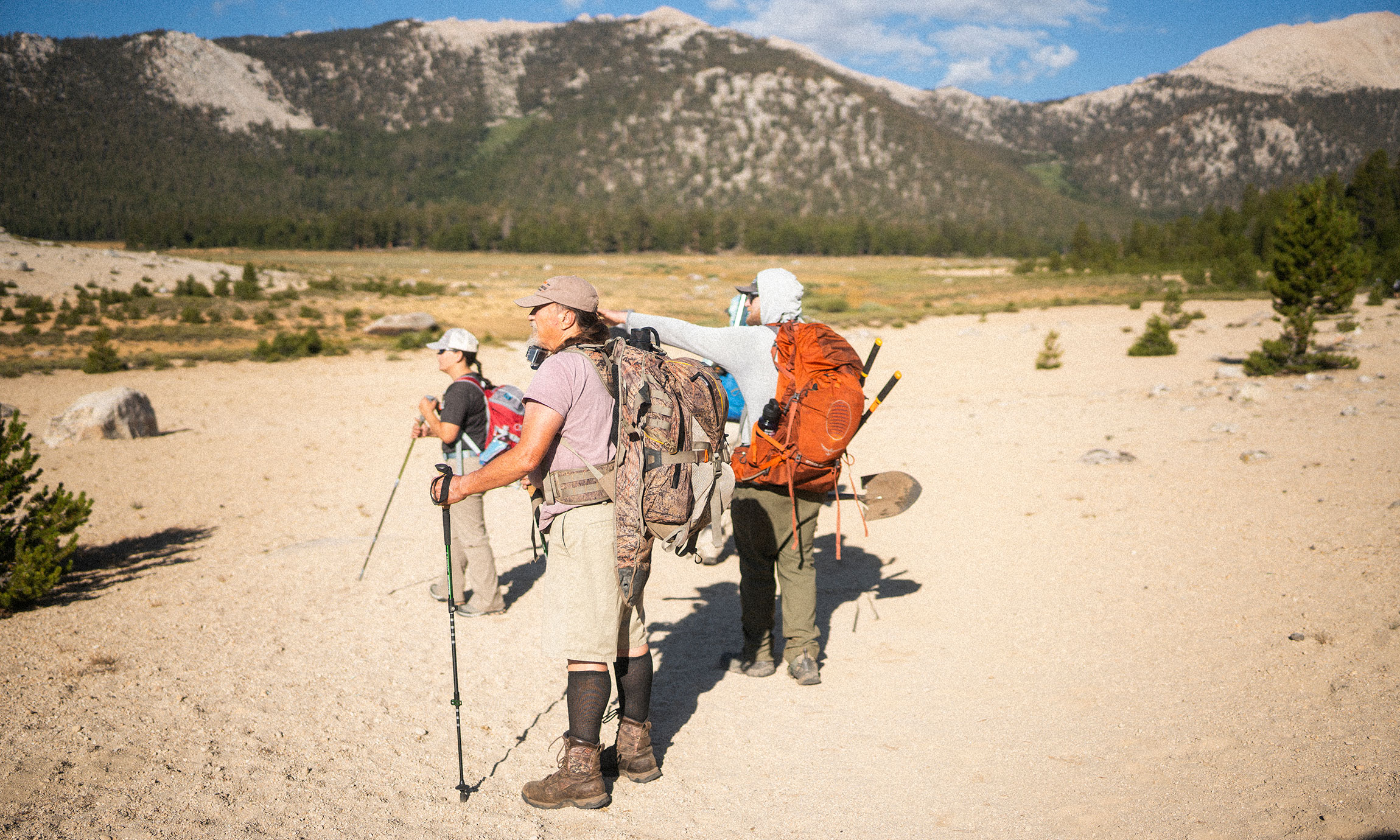
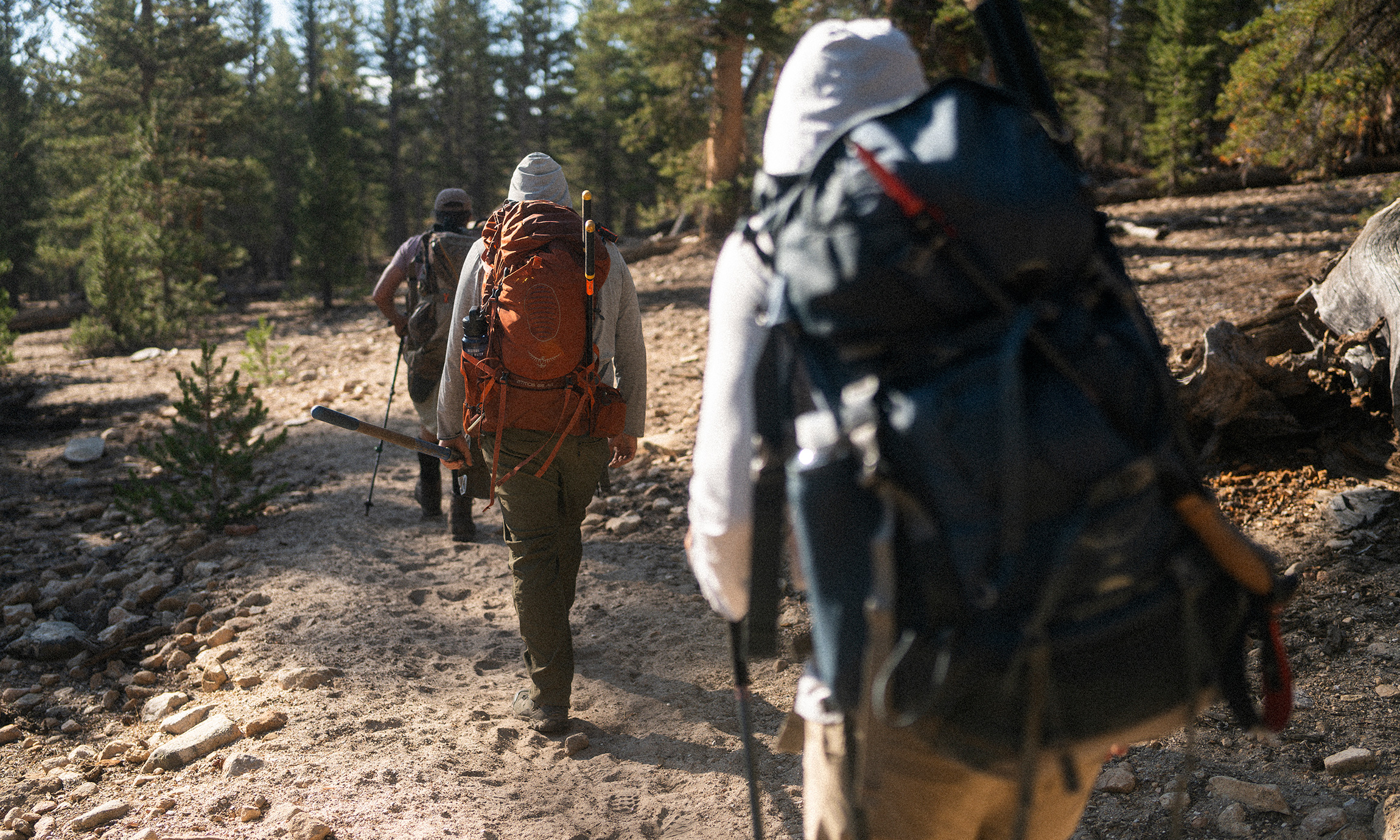
However, that quickly changes when you start your ascent up over the 11,000 foot Trail Pass but with blue skies and warm temperatures, the group is feeling very optimistic about the week, even while searching for air as we reach these high elevations.
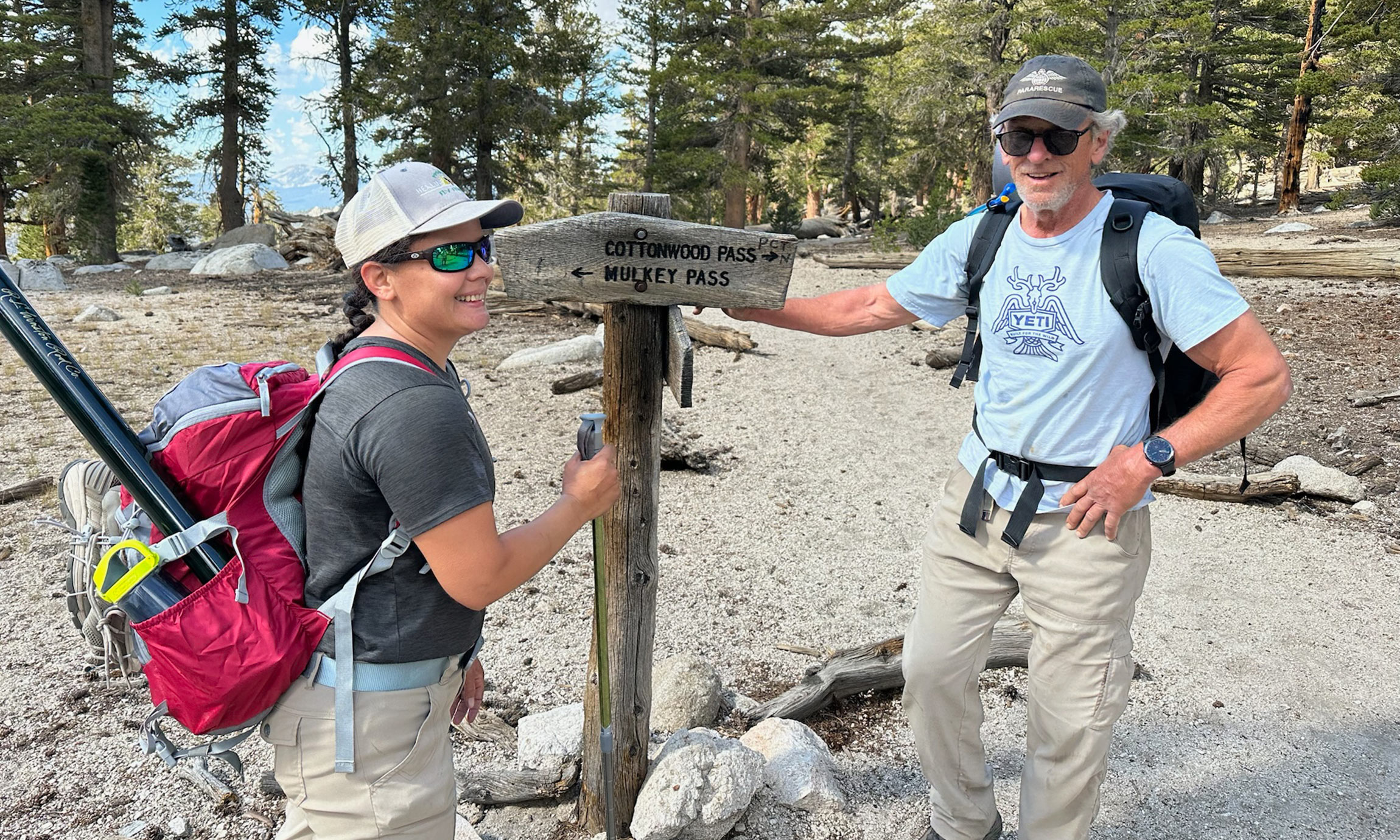
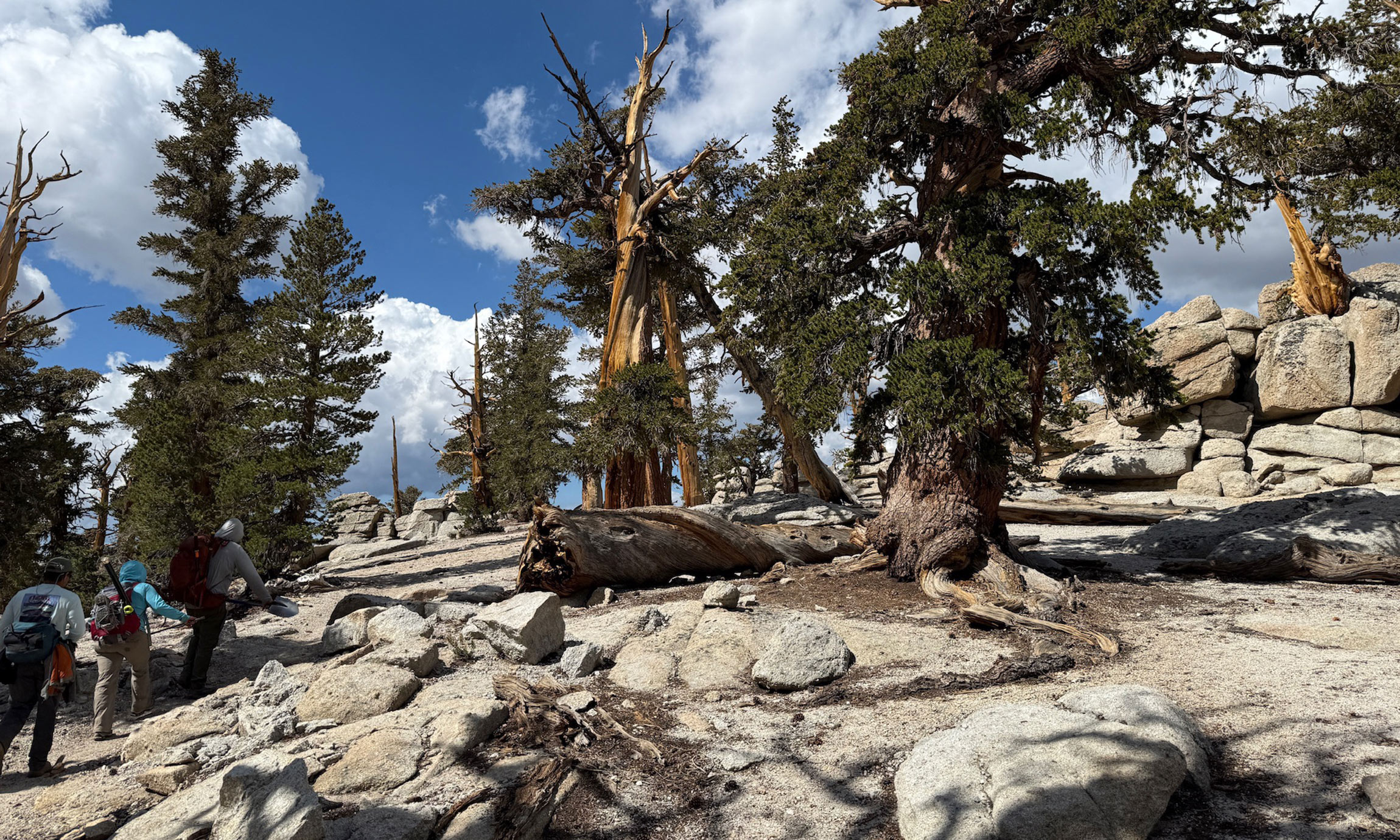
The day is only beginning and ends up being the longest push of the entire trip. With work needing to be done on some older BDAs in another drainage, we hike up and over mountains, around mountains, and down mountains before arriving at a small creek to link up with some of the TU folks. With a brief lunch made up of jerky, ready-to-eat meals, and whatever other snacks the group had in our packs finished up, we toss on our gloves and head towards the work site.
The skies, on the other hand, have different plans in mind for the group. With maybe fifteen minutes of work in, the skies quickly change from blue to dark and ominous. The rain comes fast, and before we know it, hail starts pounding the ground.
Within minutes of that, the sky starts to rumble–the last thing you hope to hear when you’re eight miles into the backcountry. So, the group huddles under trees, covers gear as best we can, and waits for it to pass.
We also are running out of daylight, so once the lightning and rumbling of the sky stop, we begin our trek back up the mountain towards Trail Pass once more. Through intermittent rain and fluctuating temperatures, the group finally arrives back at the top of Trail Pass. Now to head down into another drainage which ultimately will be our home for the next several days. At this point, I believe we have covered all the routes that come and leave Trail Pass.
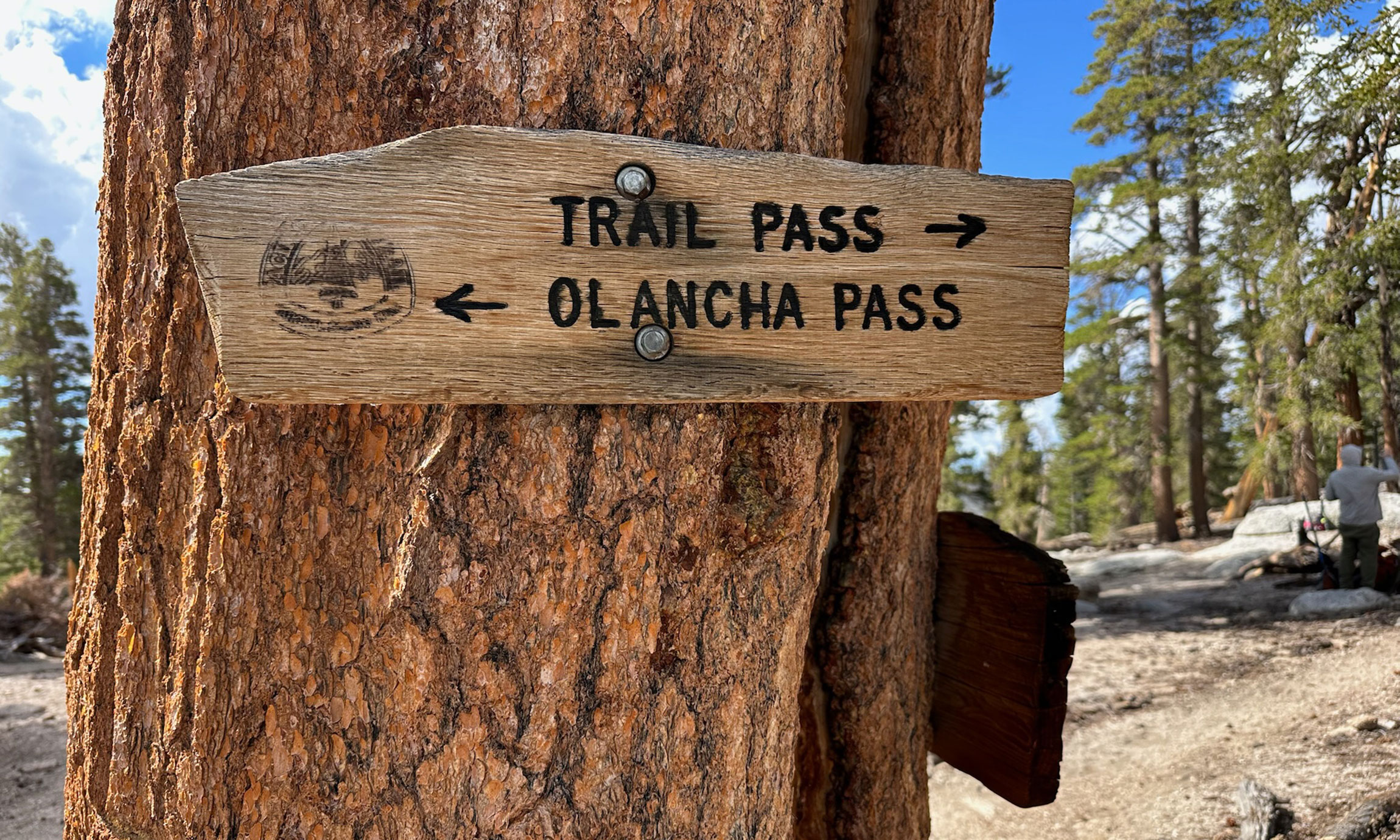
With a few miles left in front of us, we begin our descent. After a couple of quick breaks here and there to rest the legs, we finally make it to where the pack team has dropped the group’s gear. Before picking everything up, we push to an area that Dan (the trip lead and all-around incredible human) has designated for the group’s headquarters for the next week.
The group comes and goes at our own pace, grabbing our gear, setting up tents where we can find the flattest ground with little to no rocks or sticks, and before we know it, the group is sitting back in camp chairs eating our first dinner in our backcountry camp.
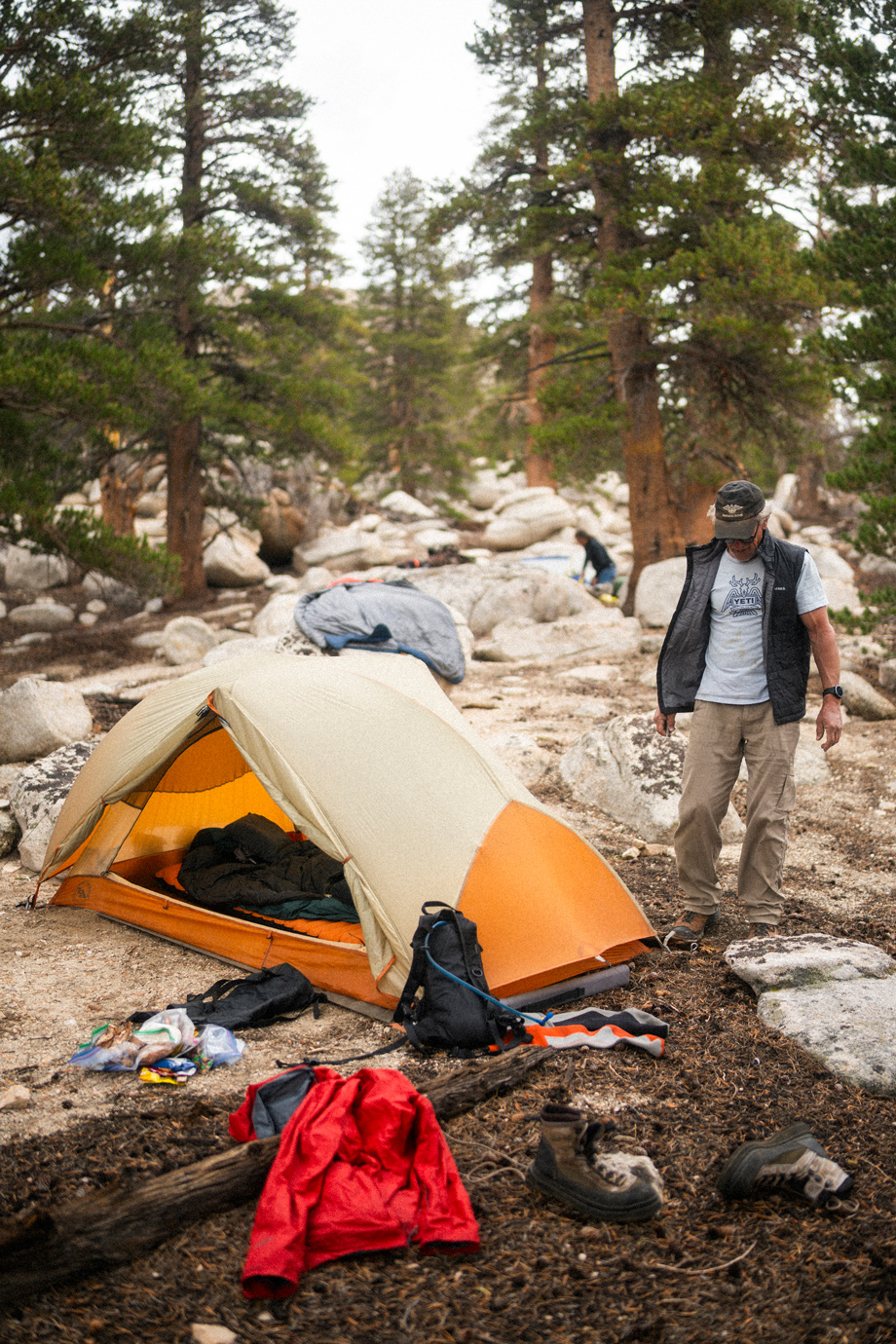
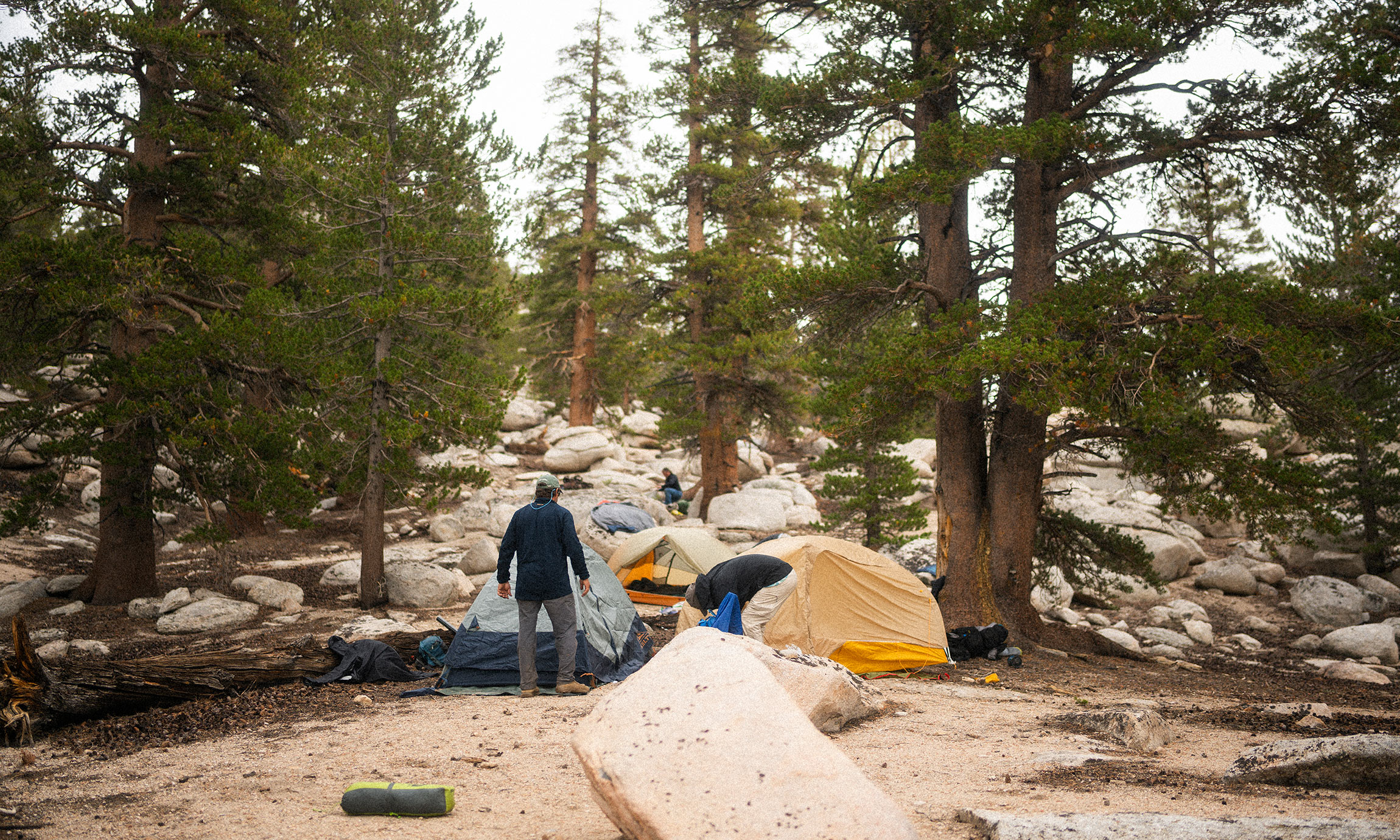
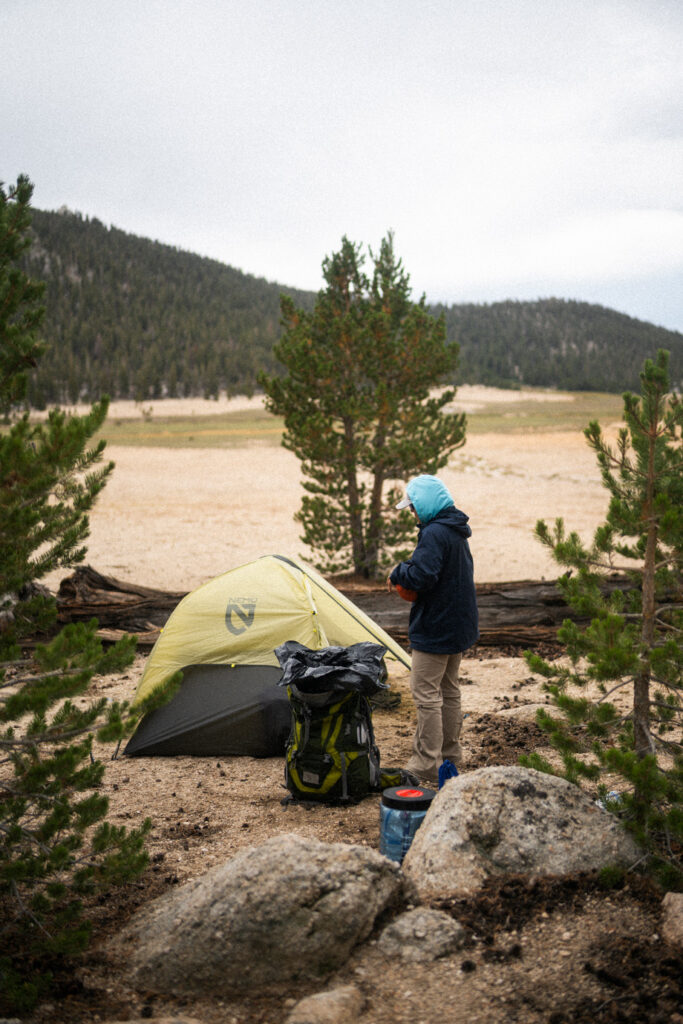
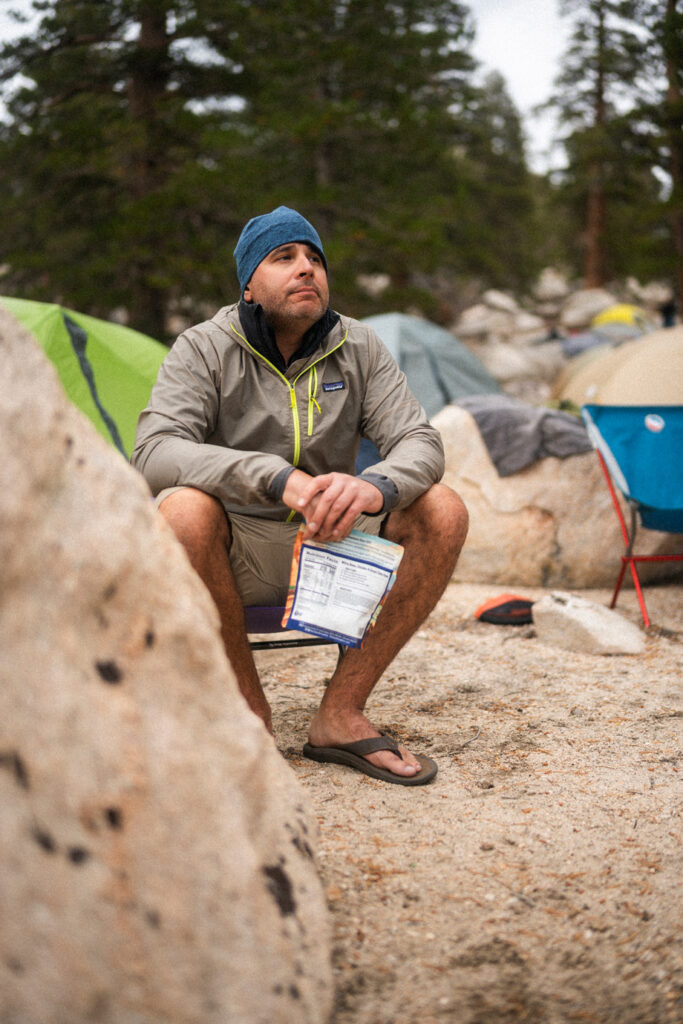
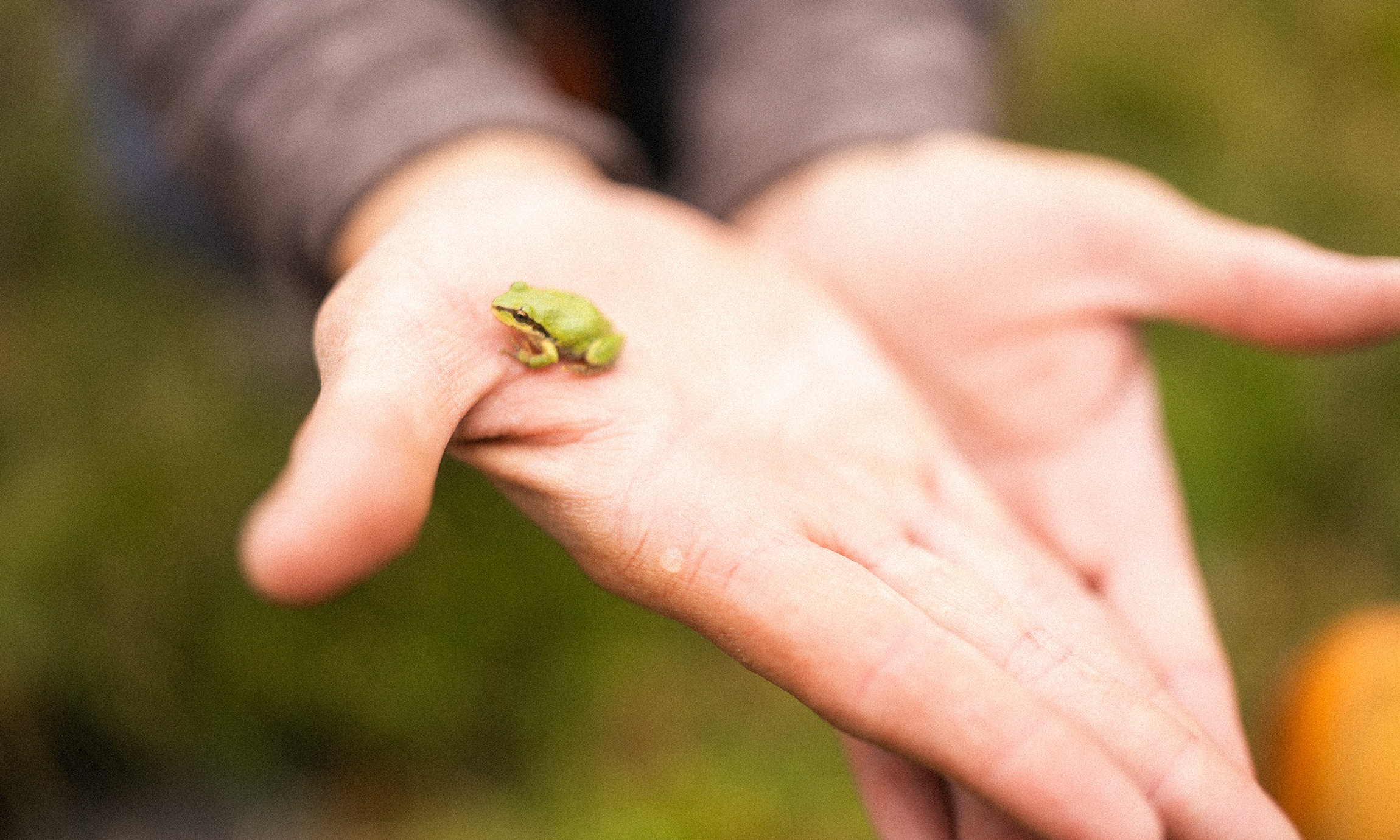
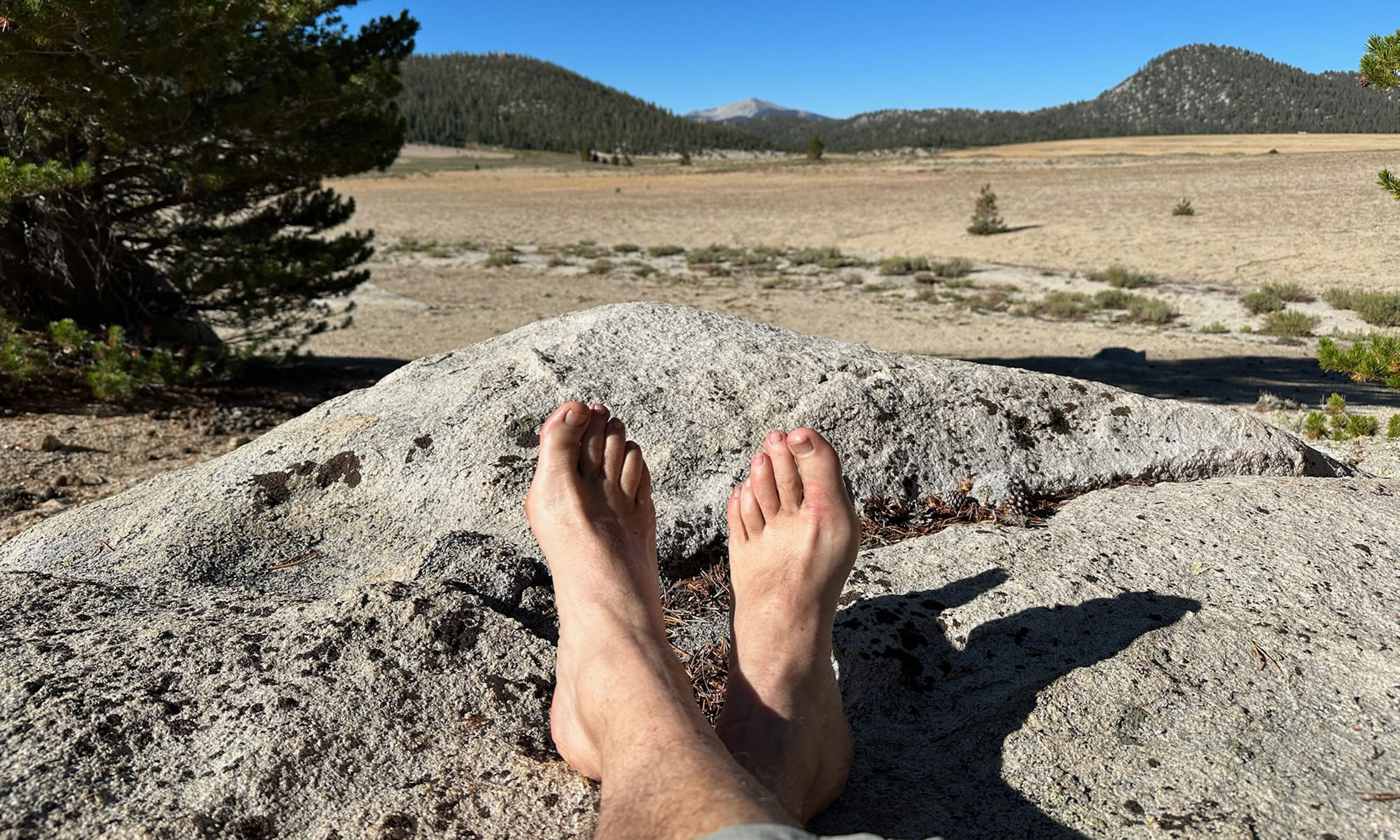
With a well-deserved evening of rest in front of everyone, we spend the next few days chasing the incredible fish that brought us here.
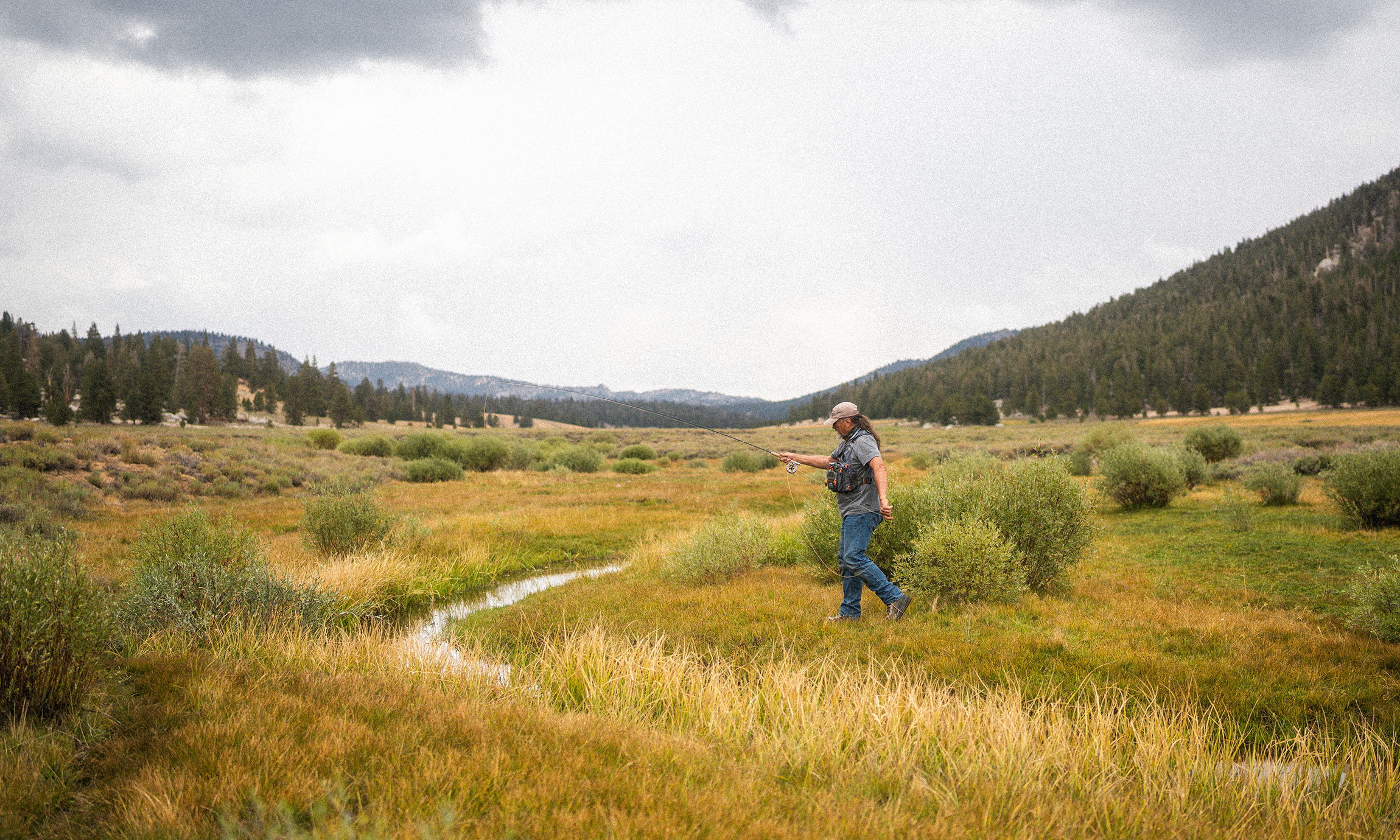
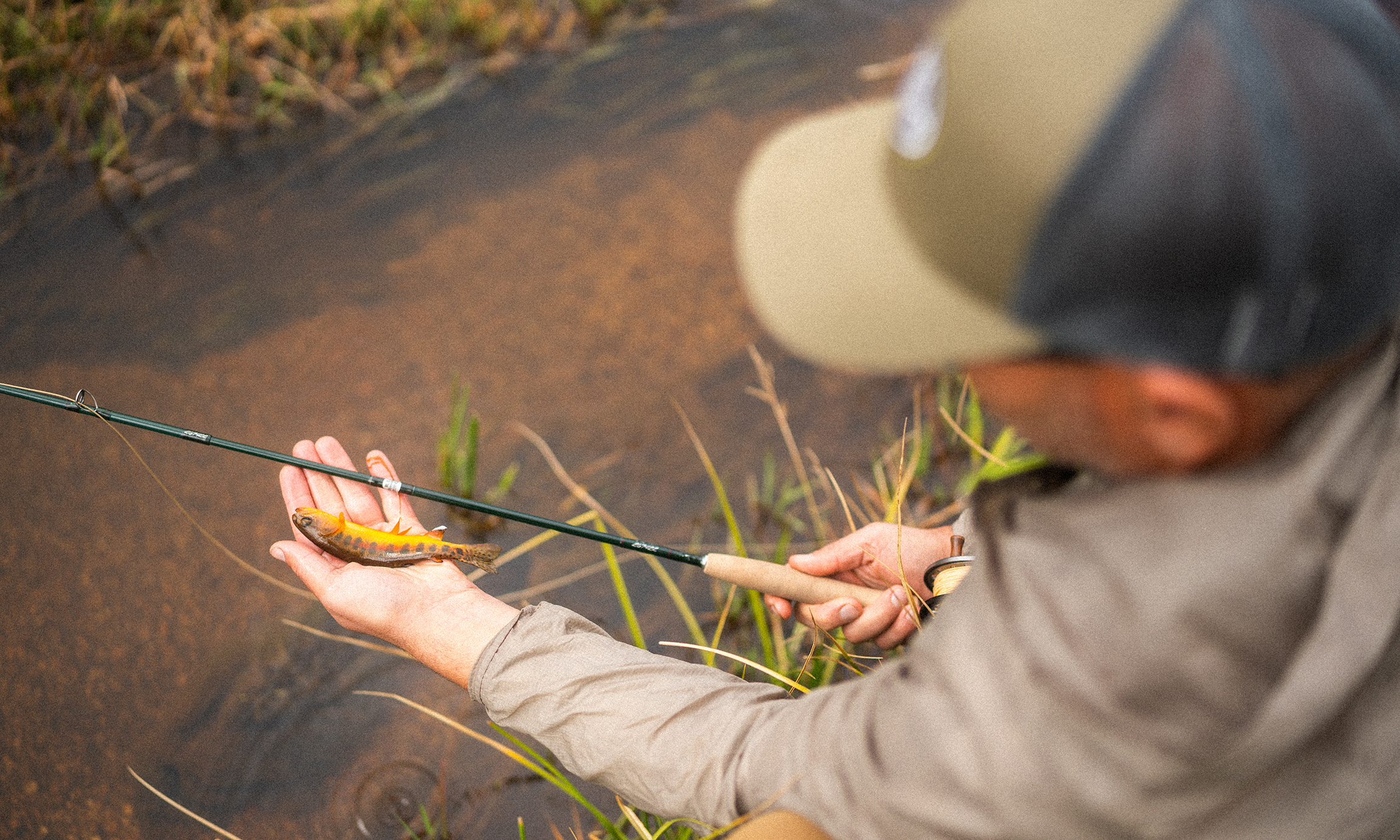
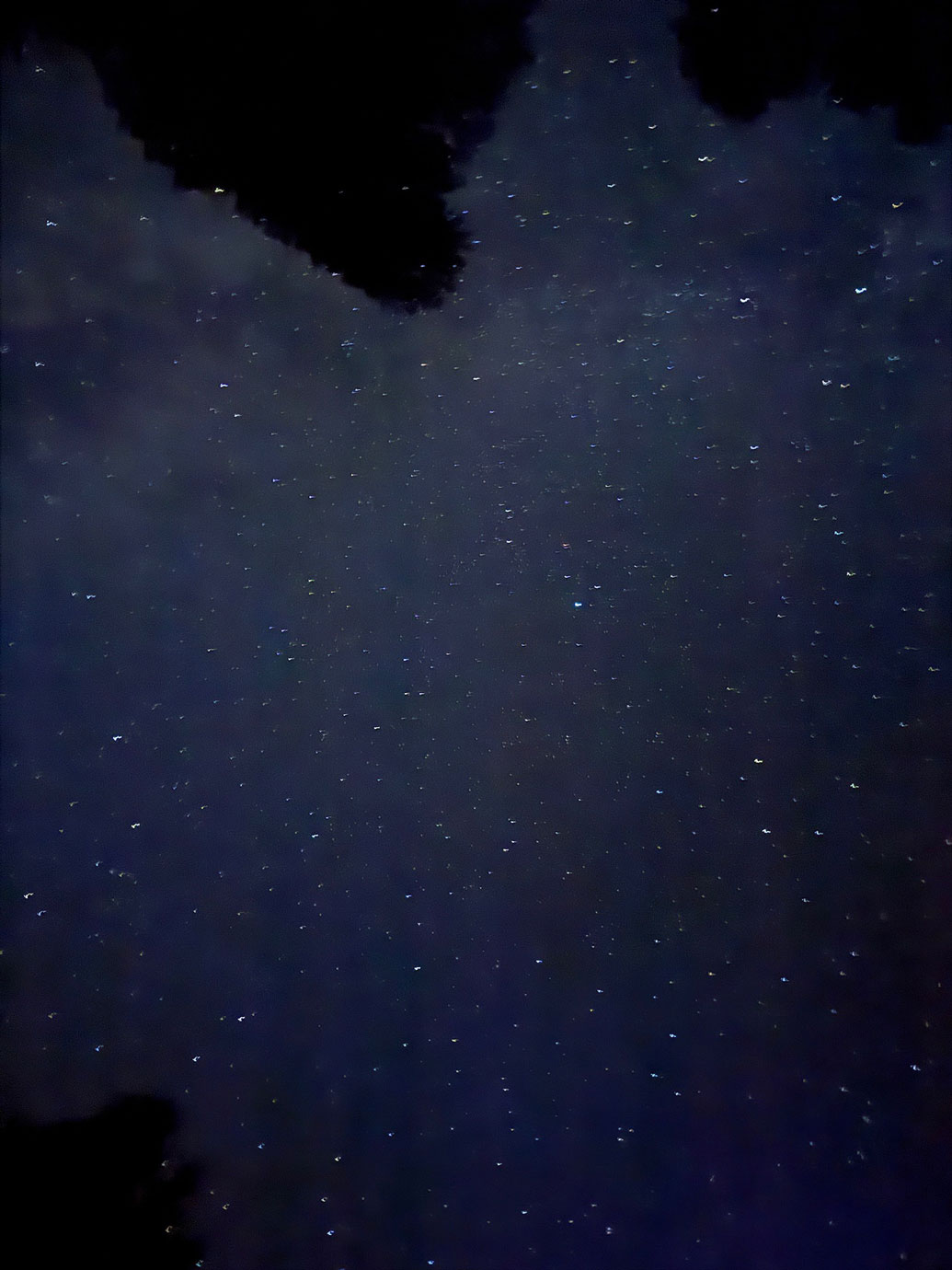
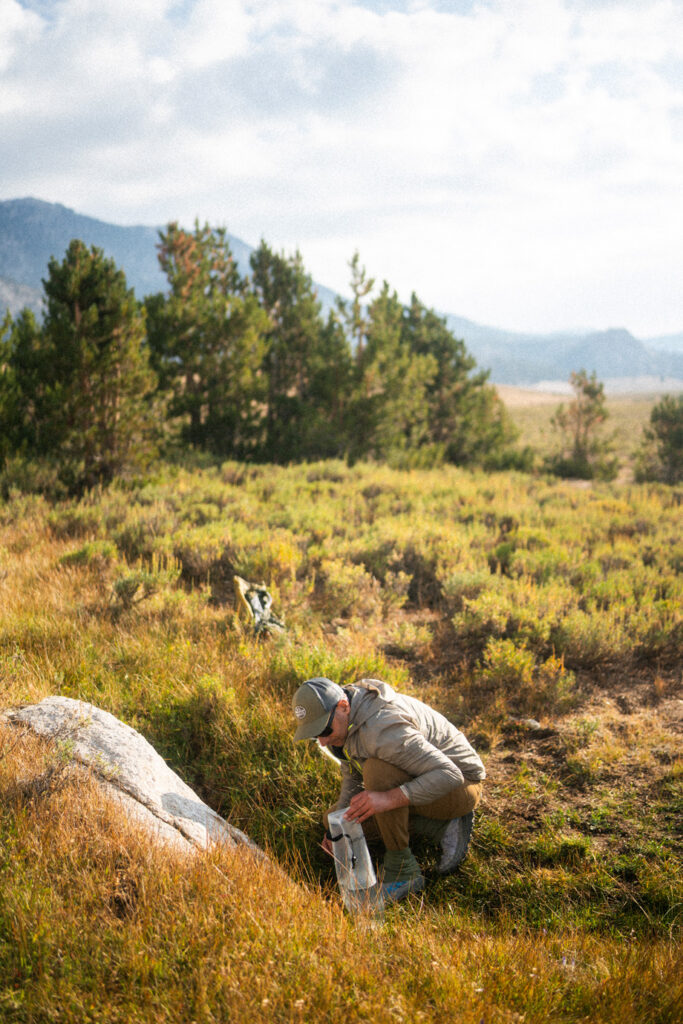
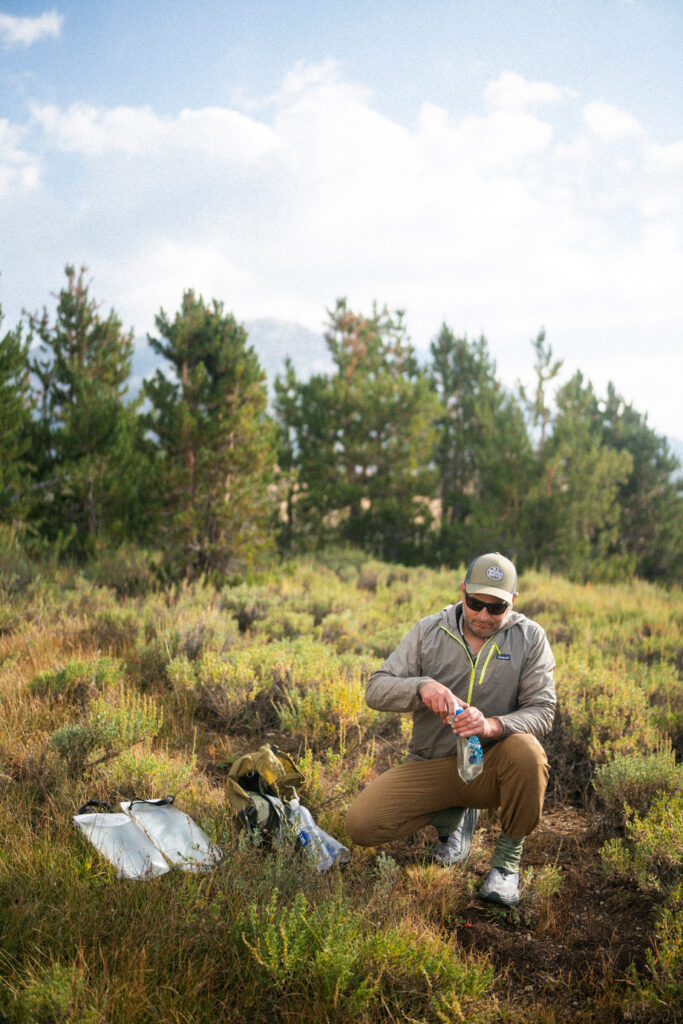
The group falls asleep under the stars, wakes up to the crisp morning air that we love to breathe, and has some breakfast. Some of the group hang back at camp while four of us head to a tiny spring that comes out of the ground about a half-mile away to bring water back to camp. When I tell you that this water is some of the cleanest you can find, I would be confident enough to say that you could probably drink it straight from the source without filtration. But we take the safe option and make sure that all the water we are consuming is filtered throughout our time in the backcountry.
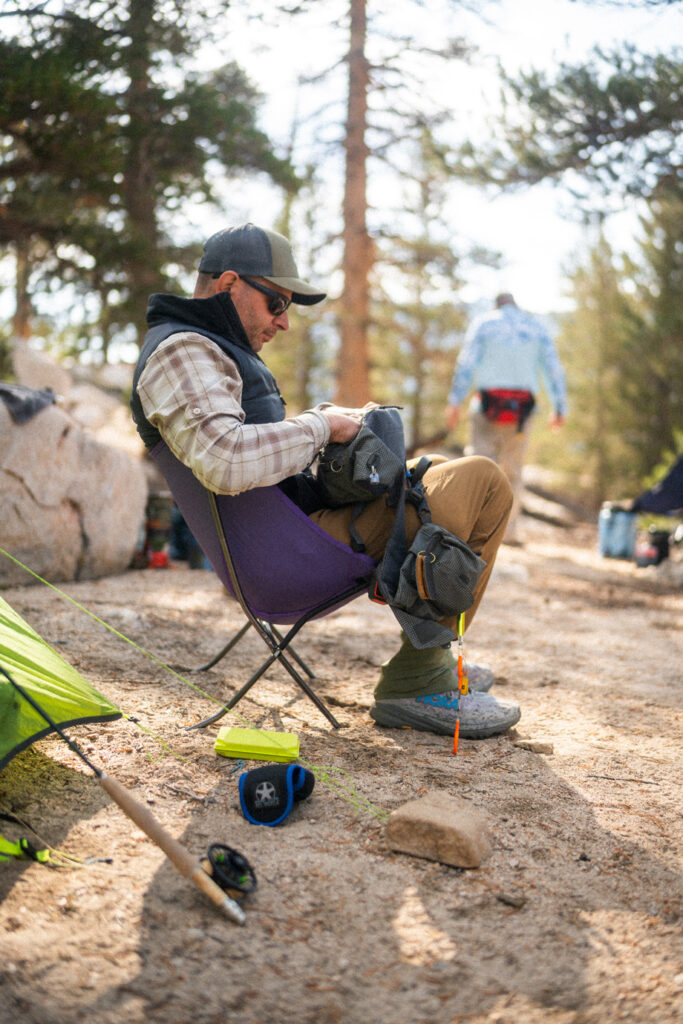
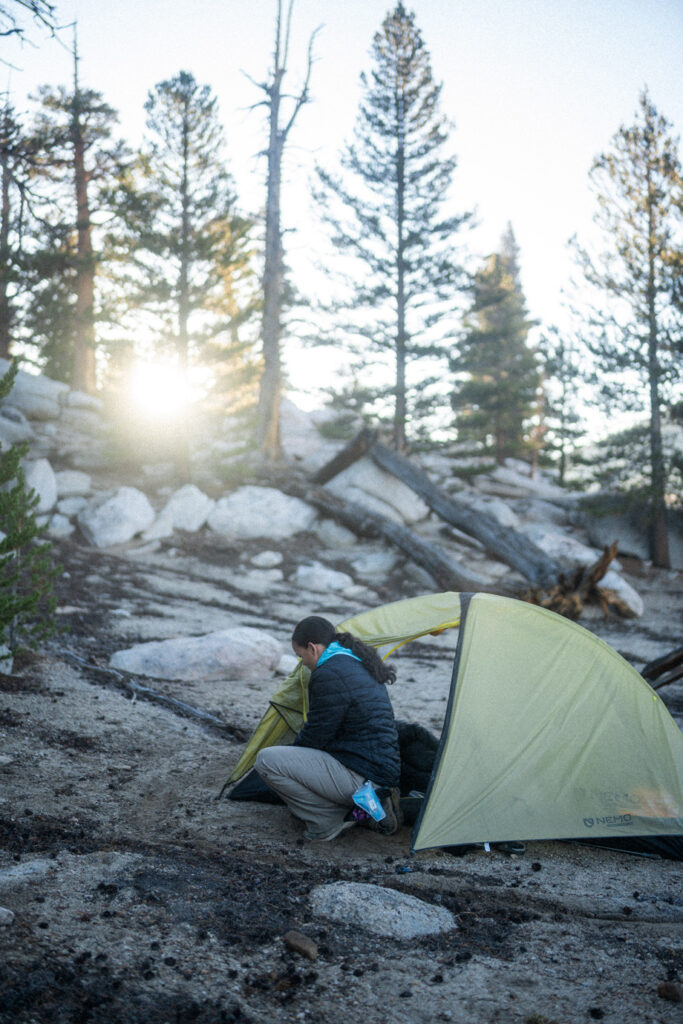
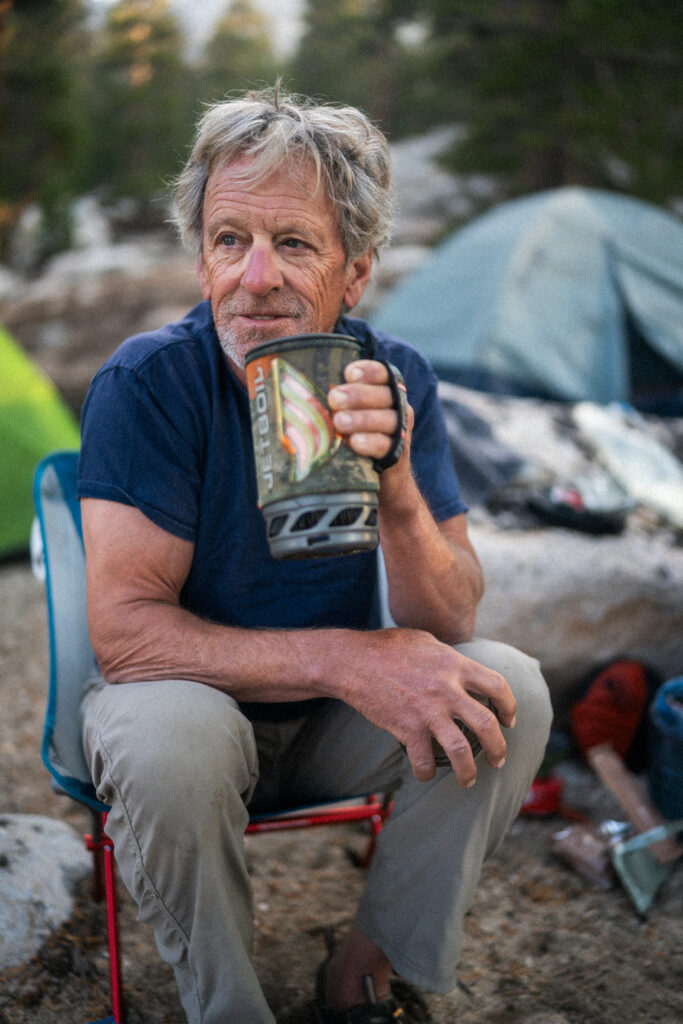
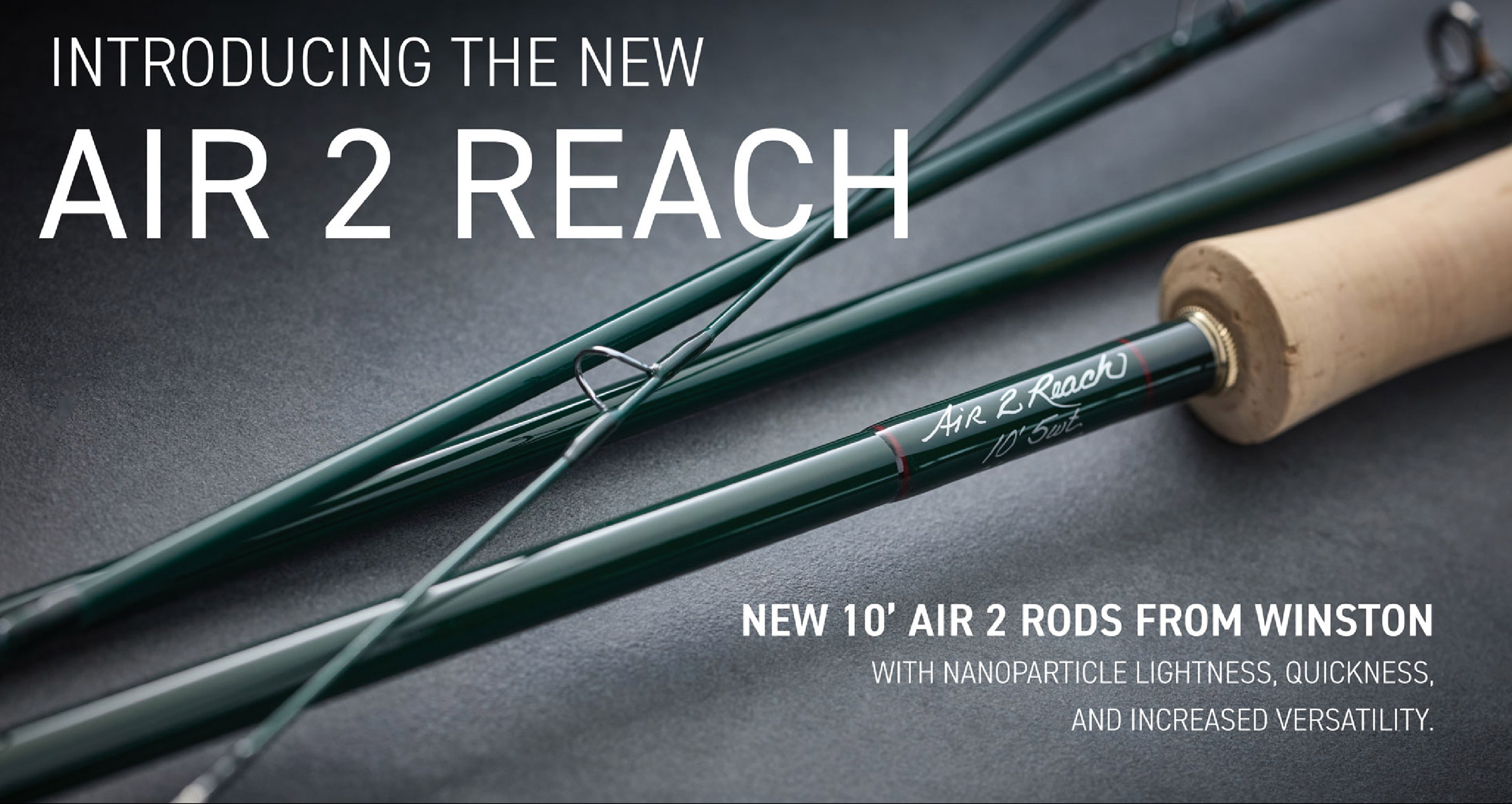
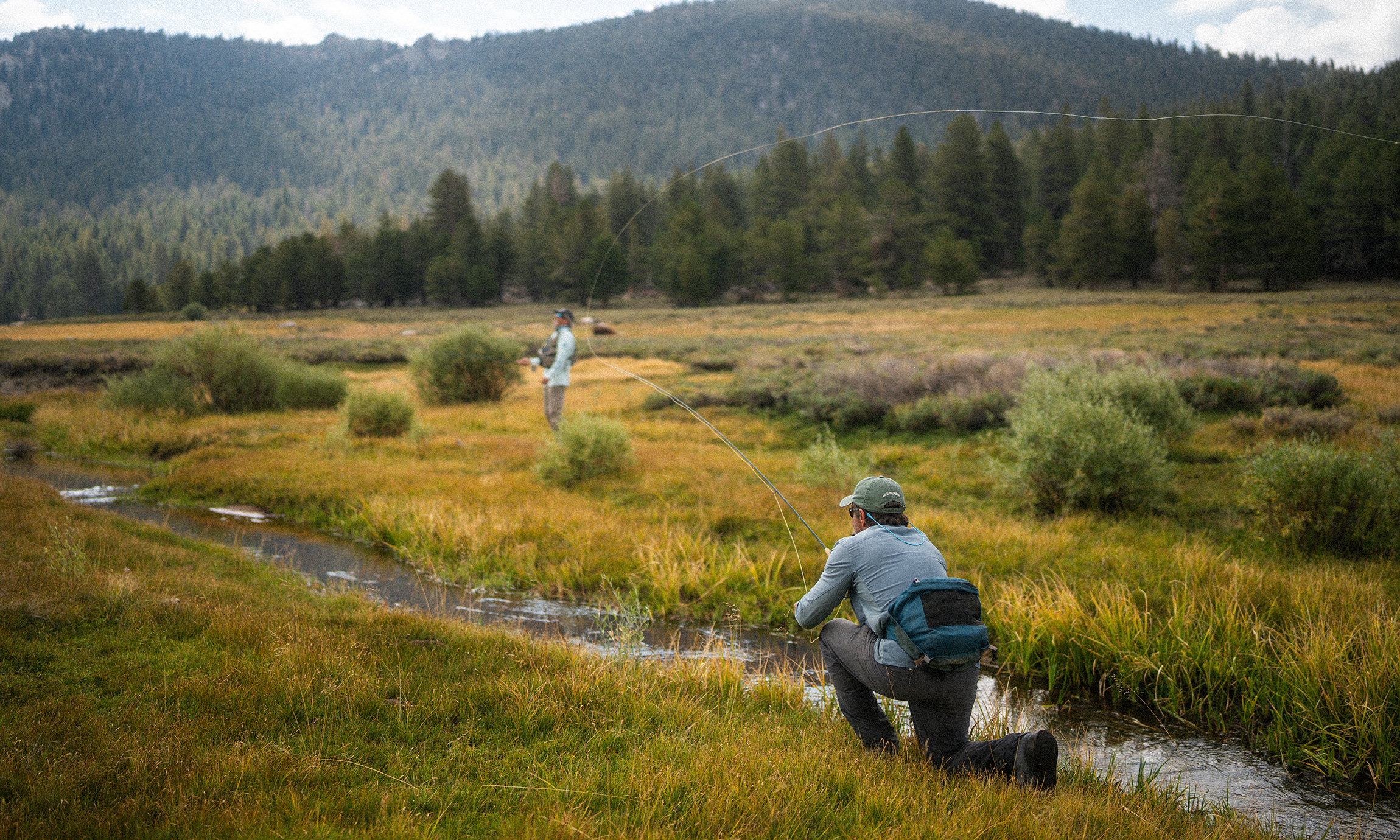
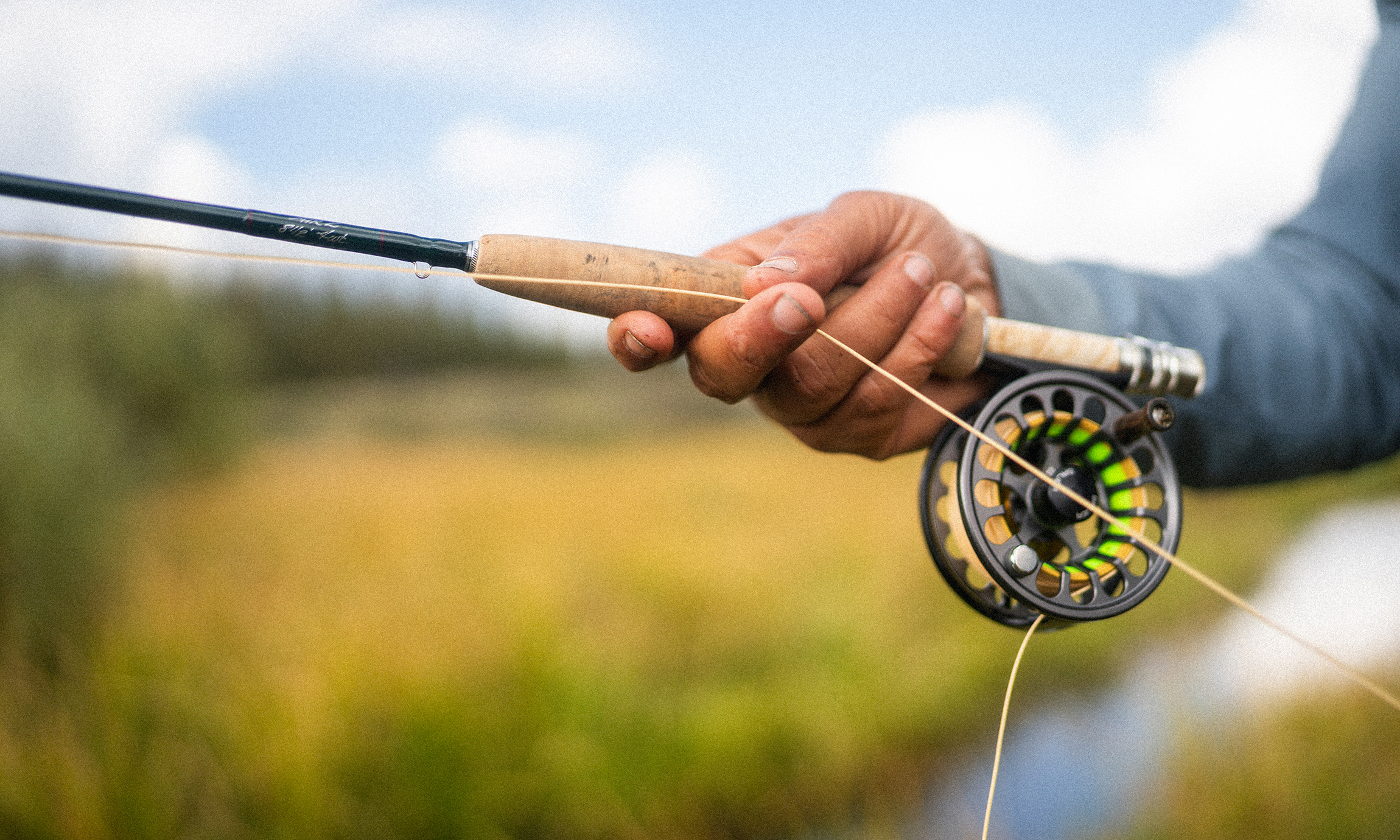
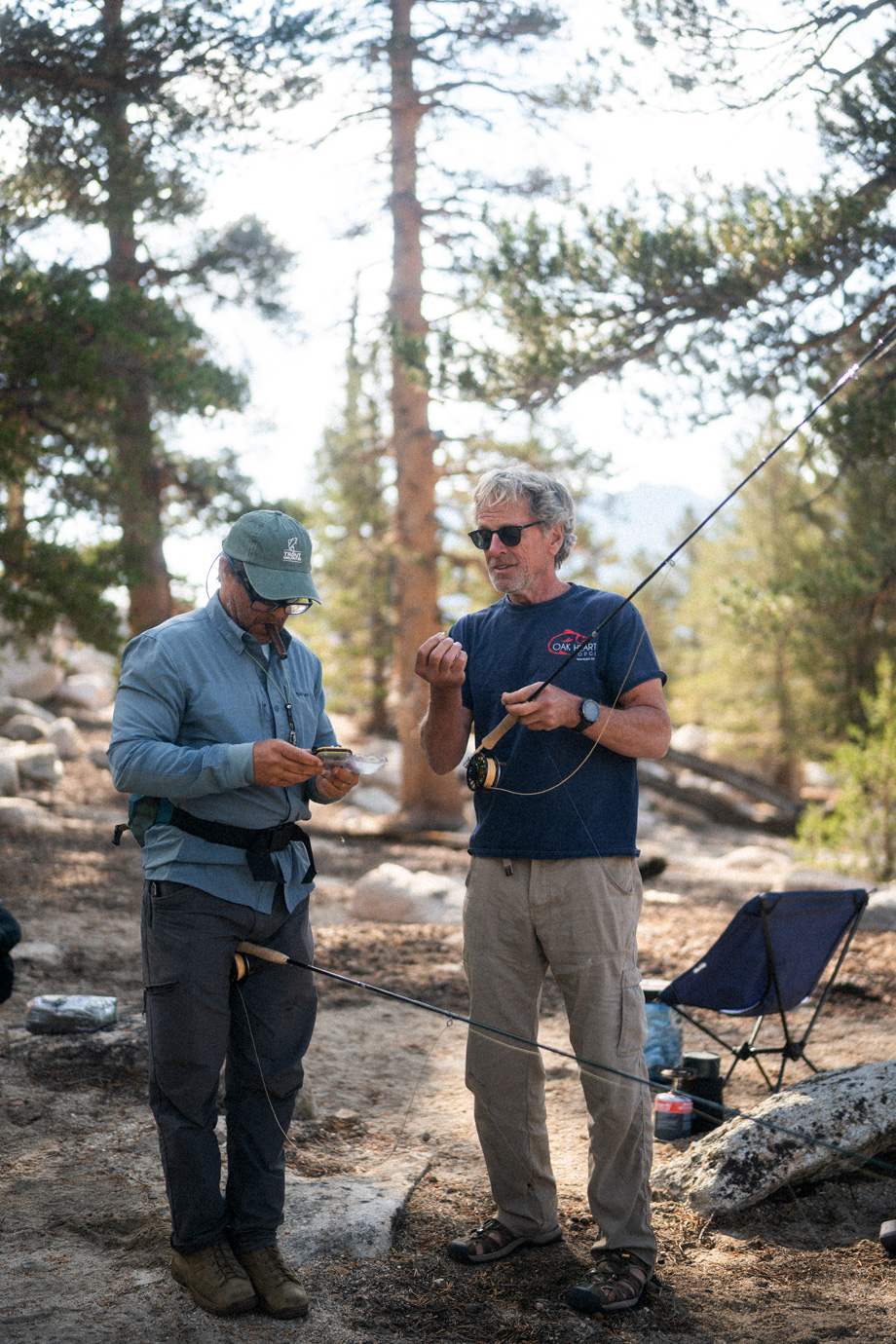
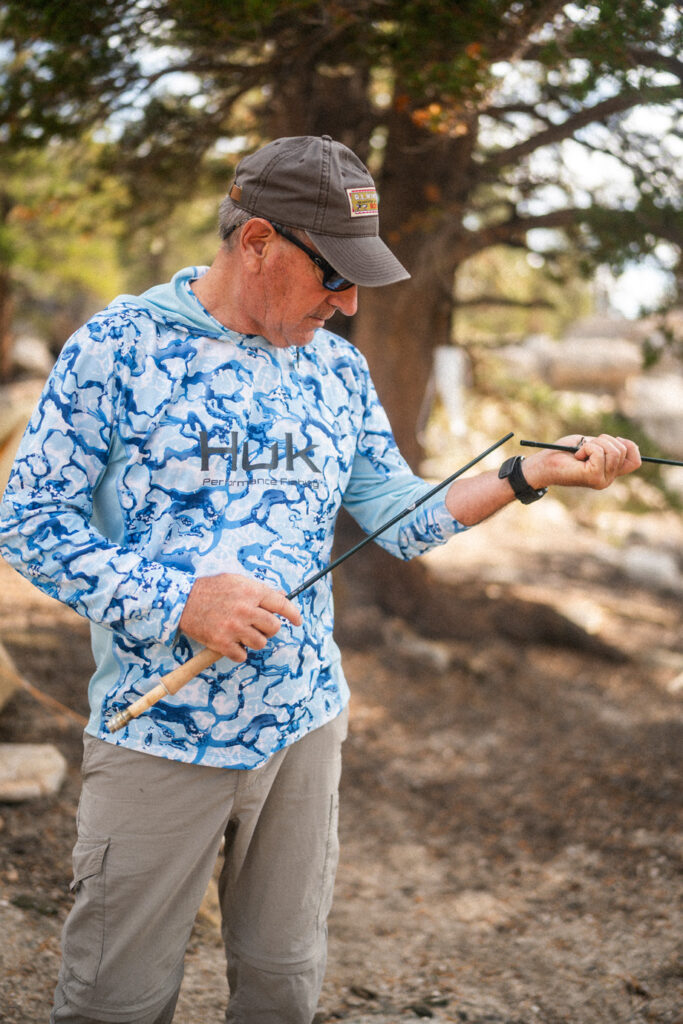
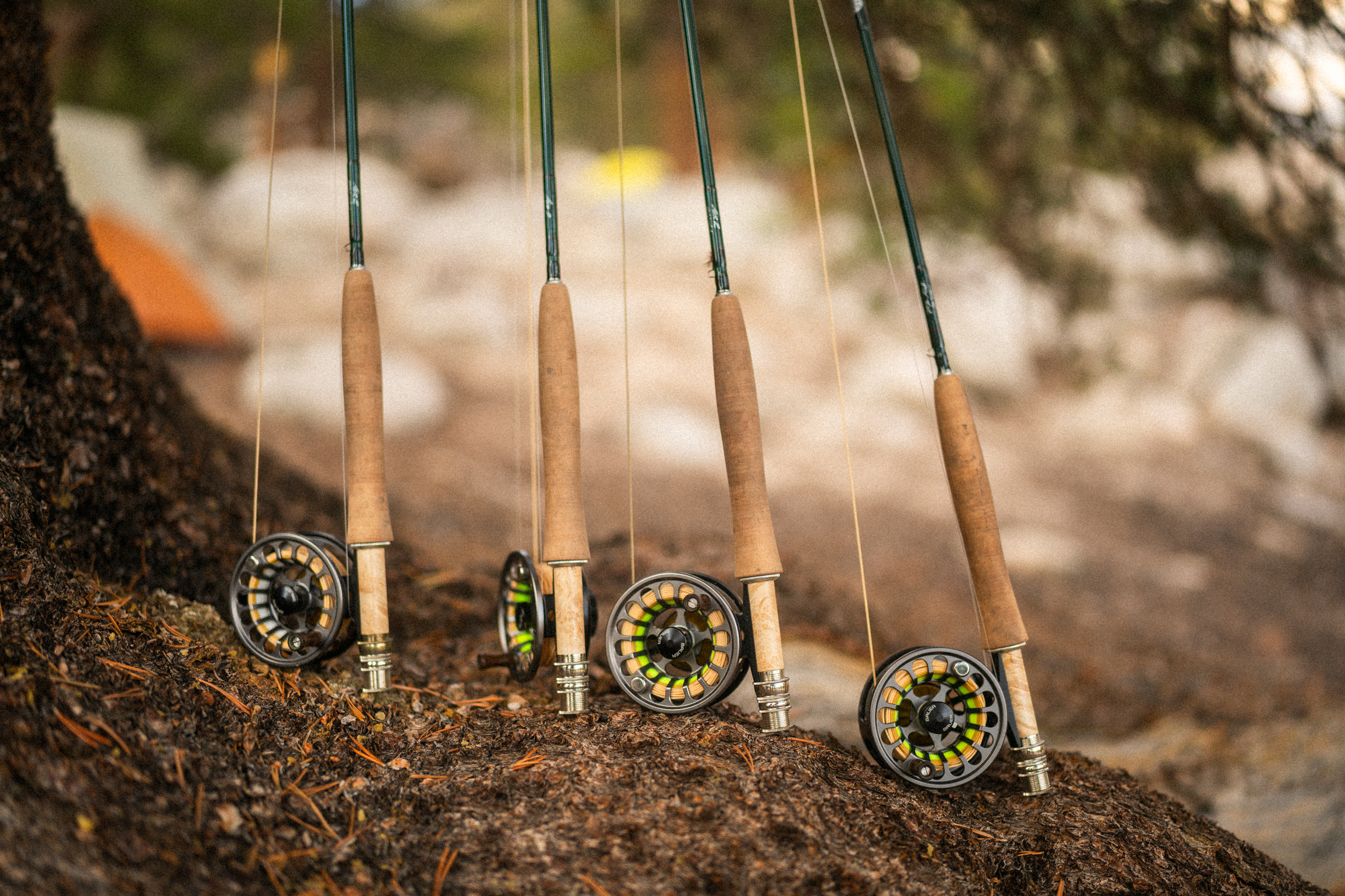
Once back at camp, the group starts rigging up their brand-new donated Winston rods, alongside Bauer Reels and Scientific Angler lines. By ten in the morning, the group is creek-bound to spend the day chasing as many Goldens as they want.
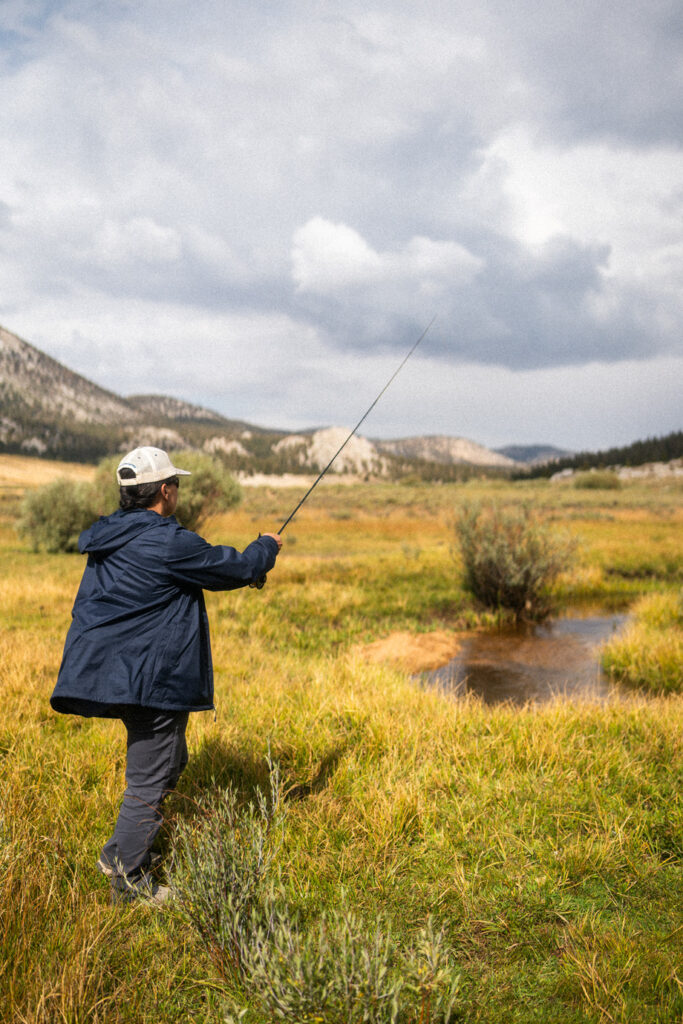
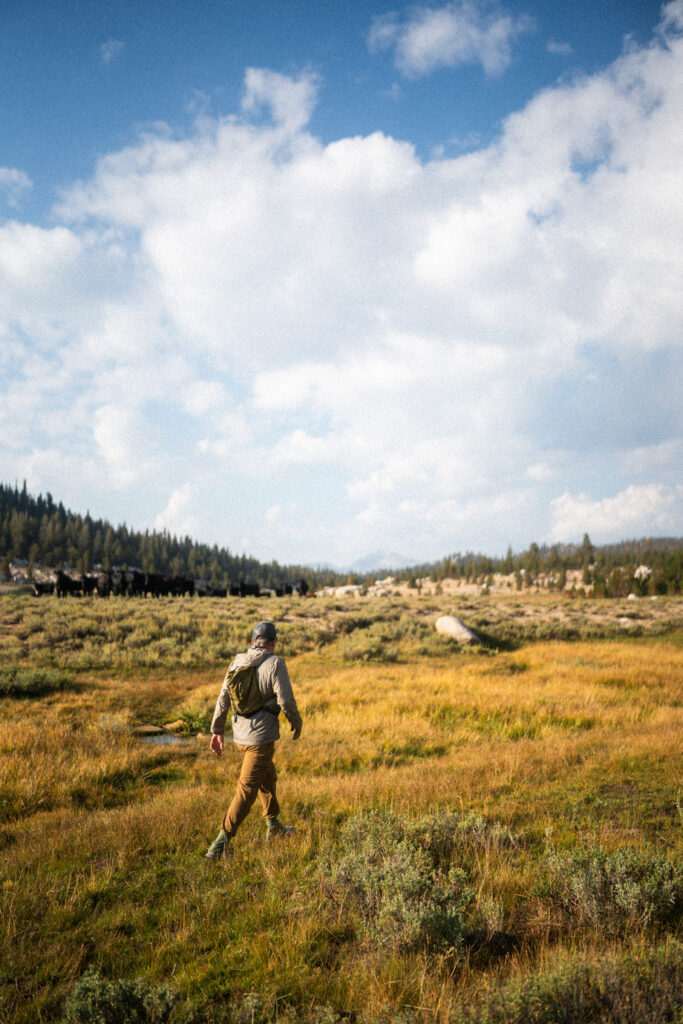
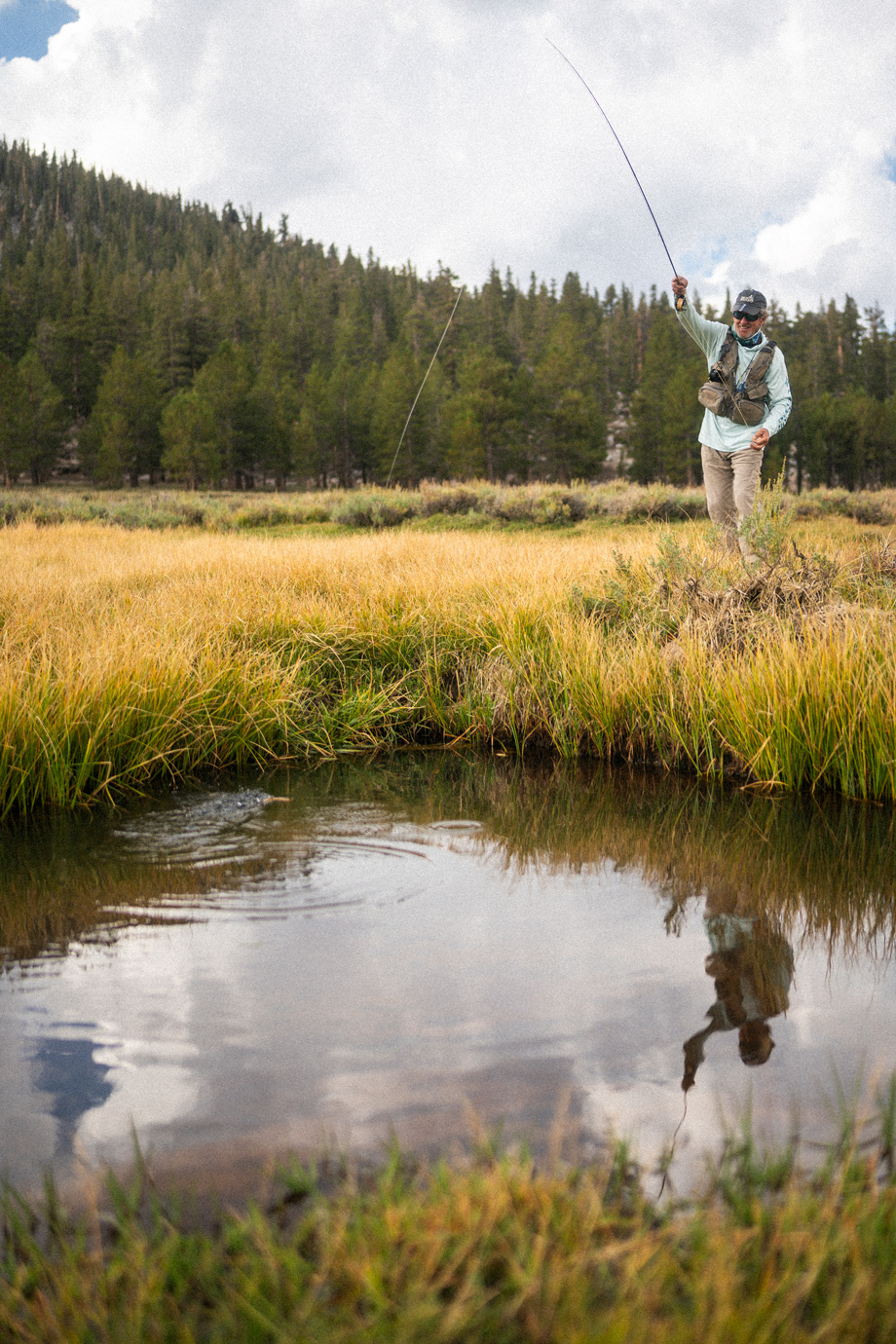
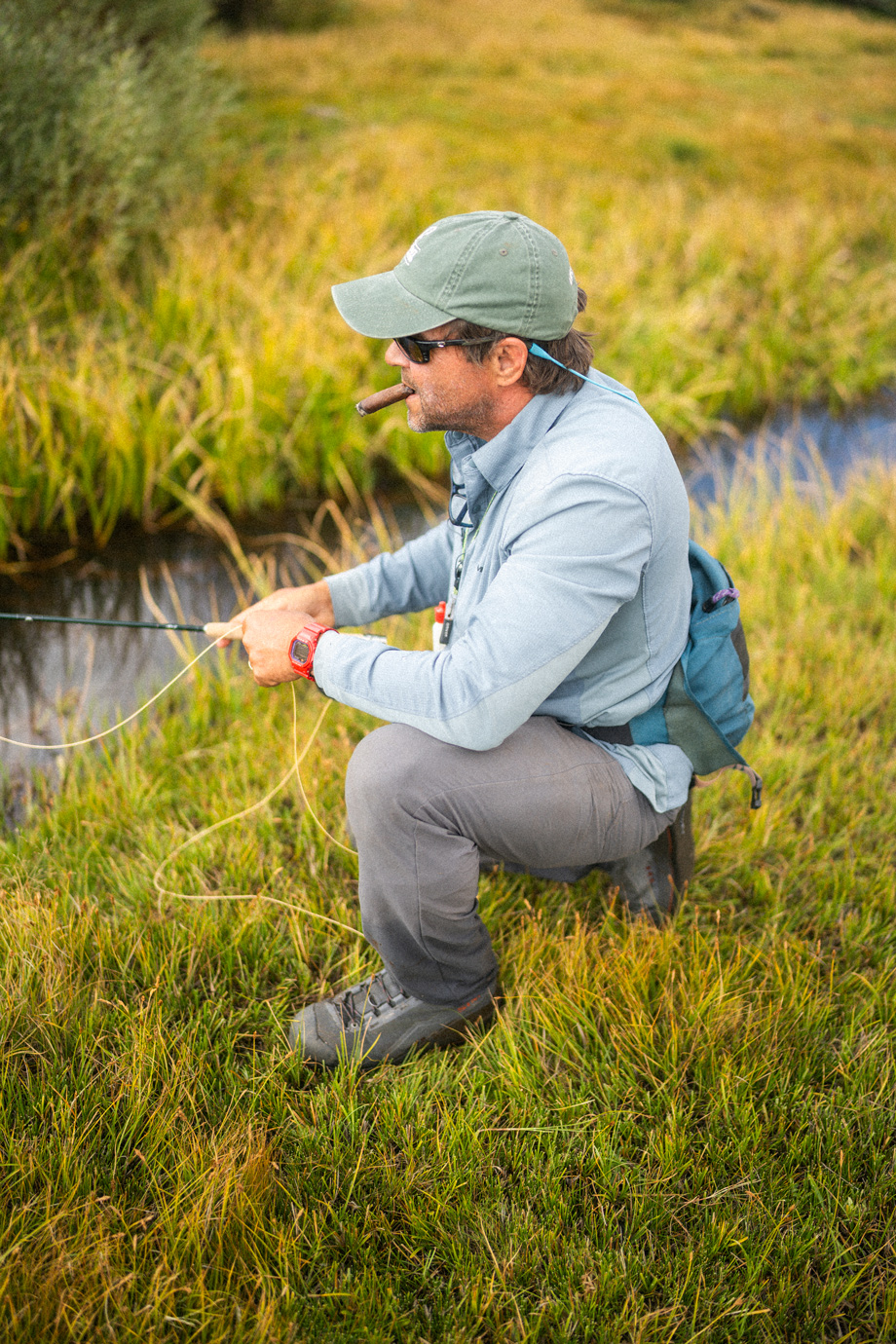
The group naturally spreads apart, some heading upstream, some downstream. I jump from individual to individual if I can see them–some disappear around the bends in the creek. One thing that’s certain, everyone is catching fish. But like I mentioned earlier in this story, weather isn’t always on our side. The skies darken, the rain arrives, as well as the wind and lightning. Everyone scrambles back to camp to hang out in their tents or whatever cover they have set up. This becomes the routine for most of the trip. Several hours of great fishing in the morning followed by afternoon storms, with some of the days even seeing storms come through mid-morning. But the morale is high. For this week, the only thing on most of the group’s minds is being immersed in the beauty of the Golden Trout Wilderness and getting to share it with a group of individuals who all understand one another.
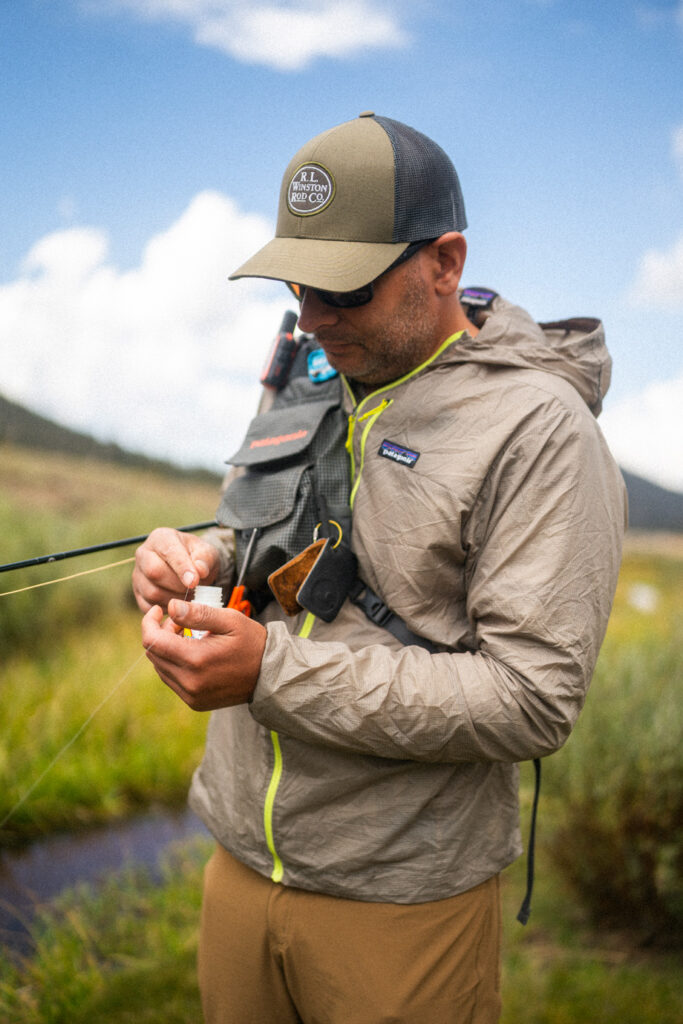
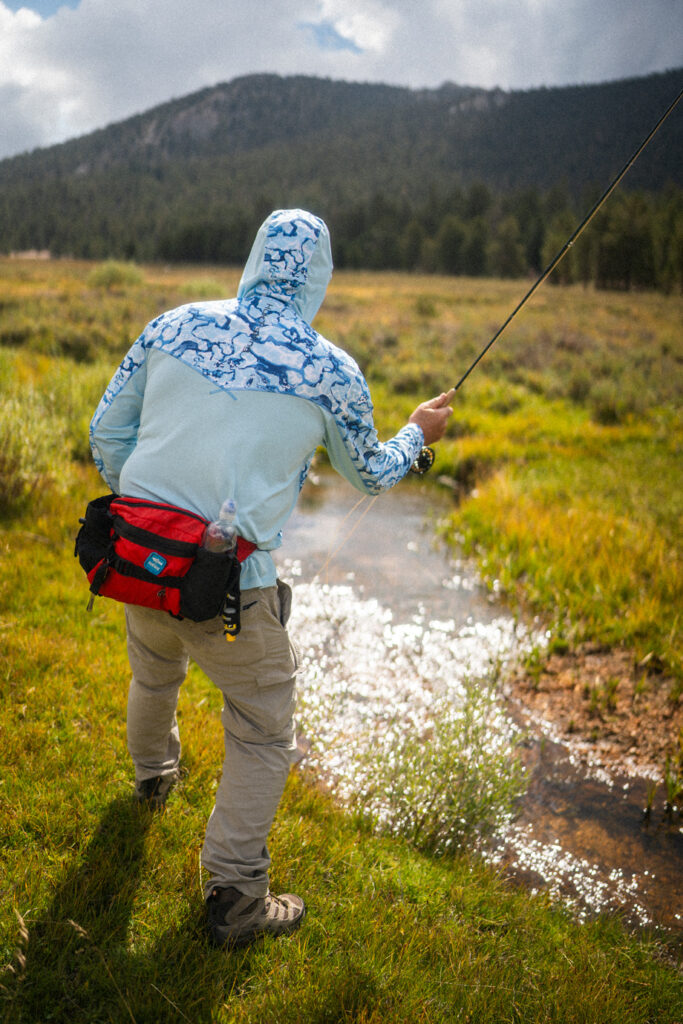
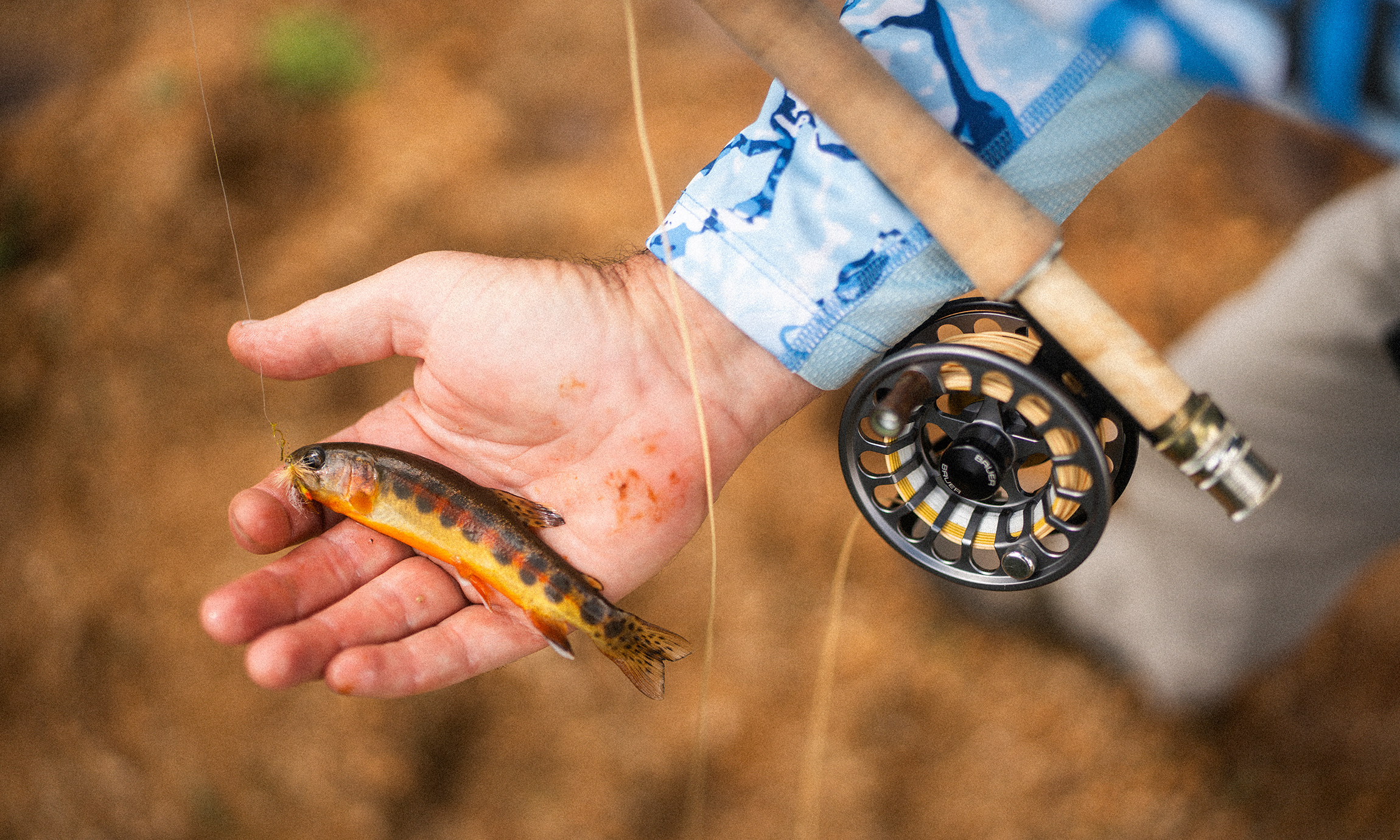
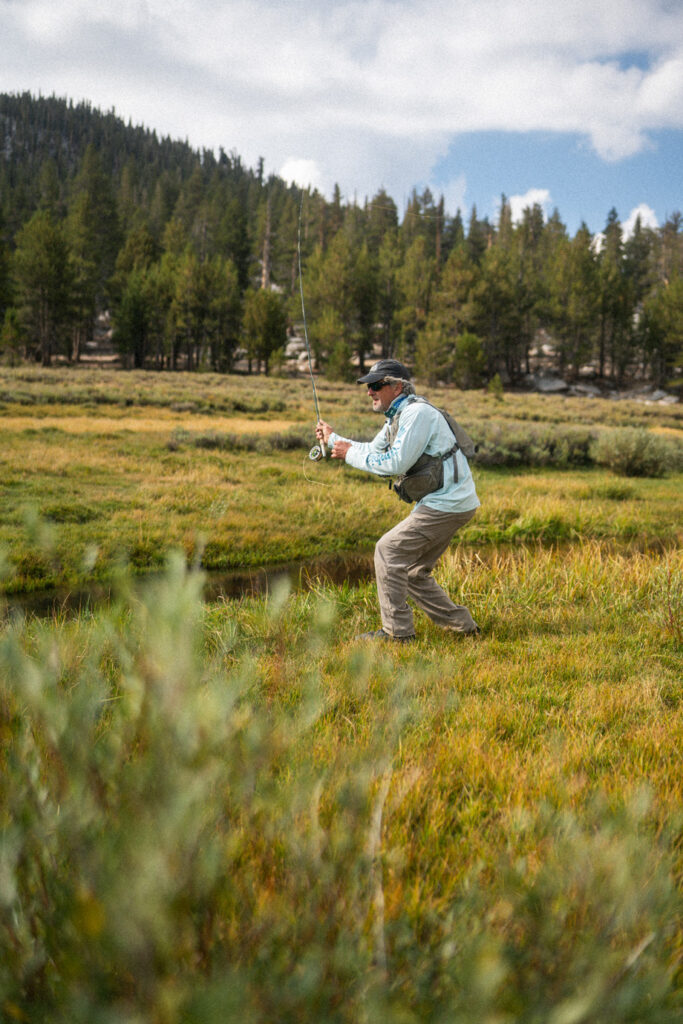
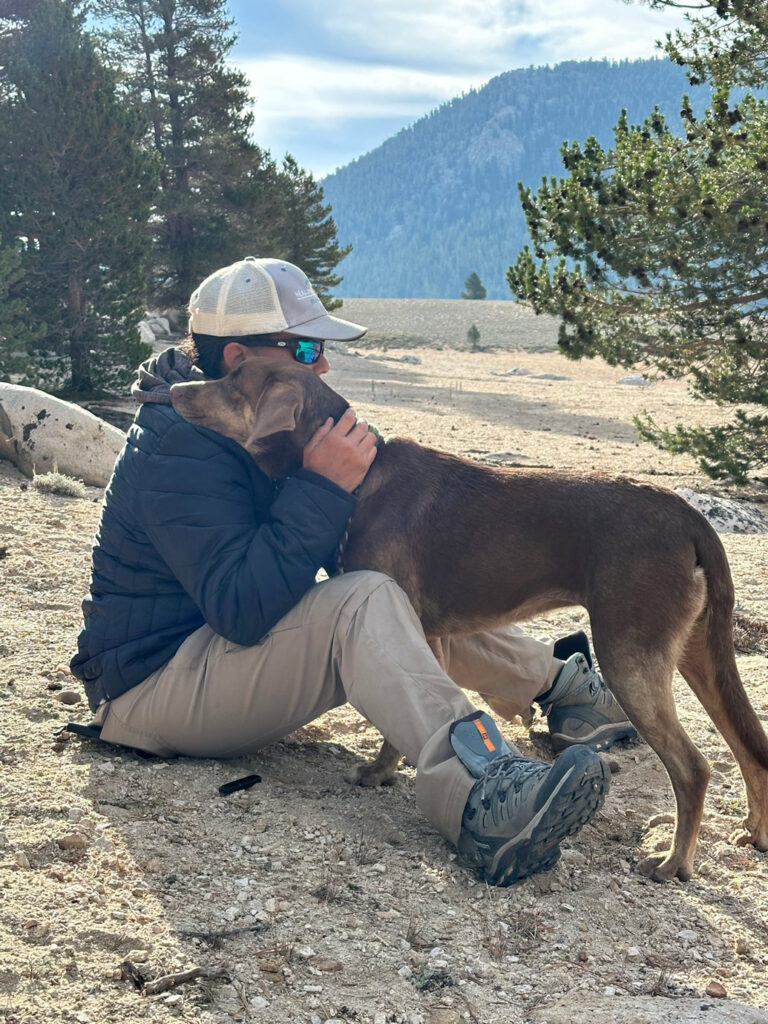
For the veterans on this trip, as with other PHW outings, nature is a respite from the everyday stresses of life. When they pick up their packs and fly fishing gear, they lay down the burdens of their PTSD and the isolation many feel when they get home from the service. They find healing in the company of people who understand, listen, support; and peace in the wild places they visit. For them, these aren’t just trips—they are often a lifeline when they need it most, and a commitment to being there for their fellow veterans.
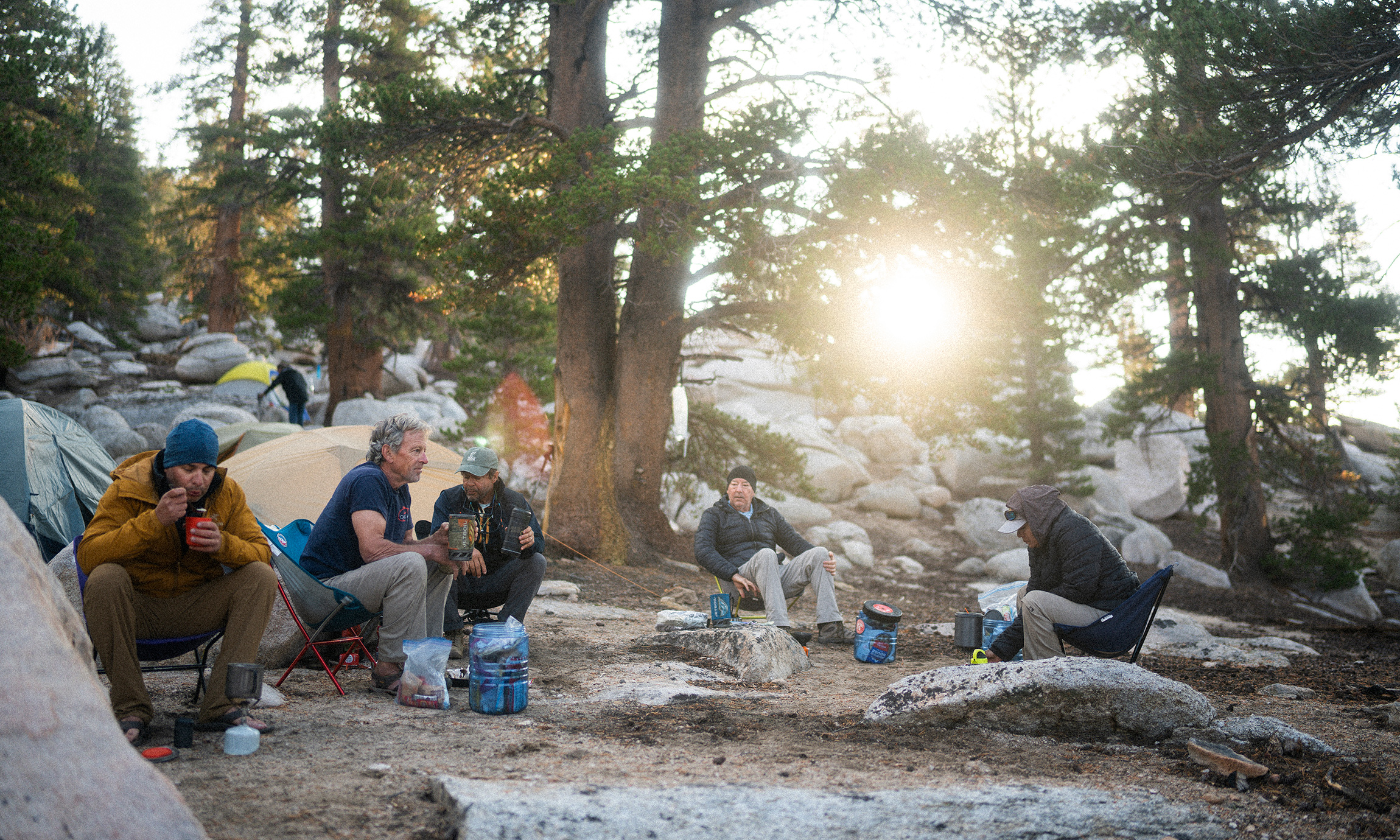
This sentiment was apparent as each individual prepared for this rigorous adventure into the GTW. This was not a normal PHW fly fishing outing, where you drive to a destination, walk and wade or fish from a boat with guides, and then go back to a comfortable accommodation—this was a full-on expedition that required months of planning with contingencies for emergencies, weather, animal encounters, and other unforeseen circumstances. All of these veterans know the potential consequences of being caught unprepared, and they took their prep very seriously.
To a person, all of them mentioned focusing on being an asset to the group, not a liability. They worried about falling behind on the trail. Of not being able to do the physical work this trip would demand. They trained. Lifted weights. Ran. Carried heavy packs around. Gathered the gear they needed to be safe. Studied relief maps. Prepared for the outing as they would for any mission. And had each other’s backs as they anticipated the journey into this new territory. They looked forward to the hard work and the chance to give back—to each other, and to the Golden Trout. Tim Young says it eloquently:
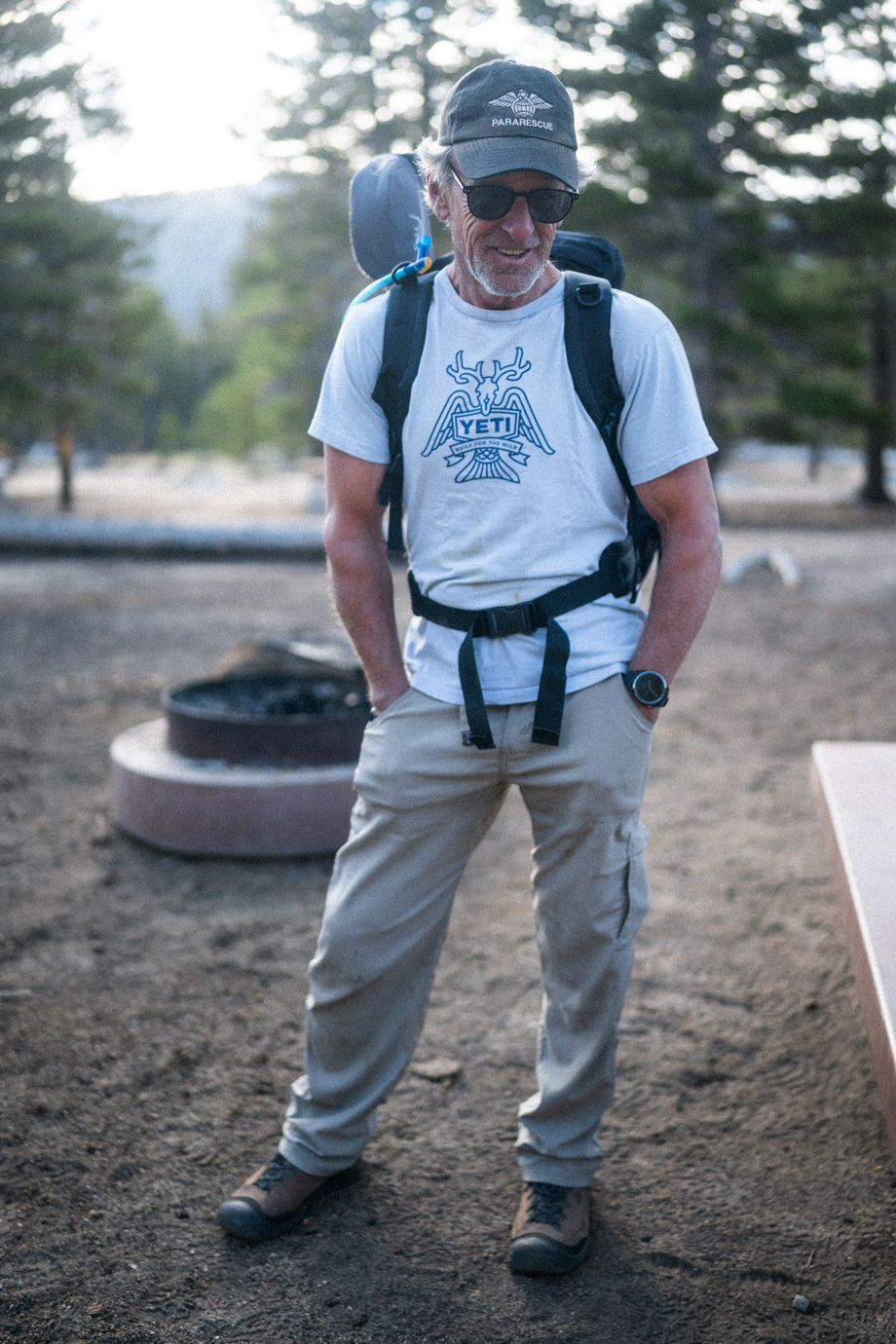
“The responsibility being given to me to make all the medical consideration decisions was something that once again brought meaningful purpose to my life. I was not invisible, if but only for a short time. I know those reading these words get what I mean by purpose. Who are we after we’re done being who we were?”
For Lorina, a lot of things she’s been doing come together on this trip:
“I’d done solo backpacking trips and volunteered with the Pacific Crest Trail Association doing trail work in the past. But this trip I didn’t feel alone or like an outsider. I had excellent company with shared experiences and passions. For me, it meant all the time I spent alone in the past and pushing myself to do hard things weren’t just me playing–it was me building so I could be a part of this crew, this program, and this trip.”
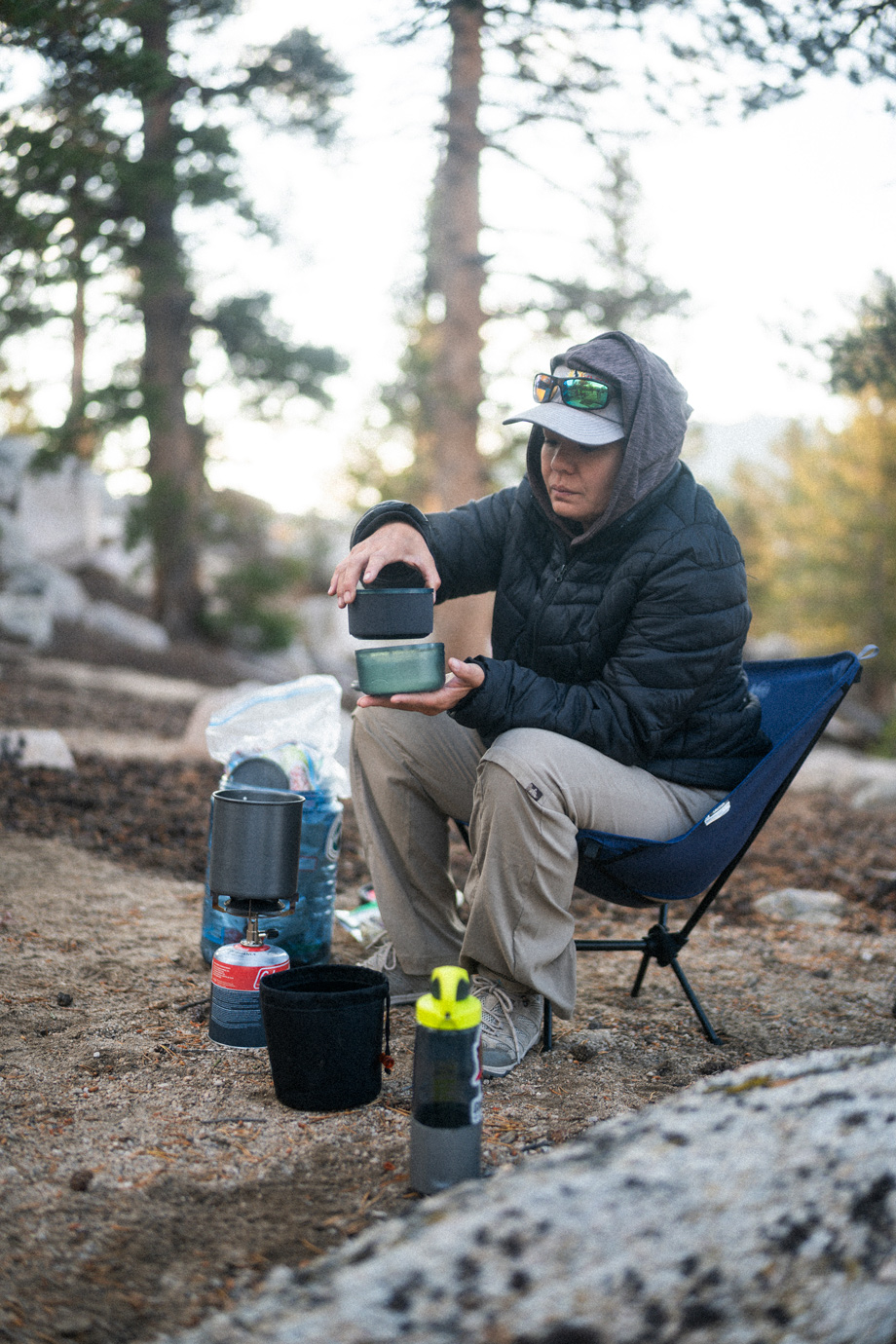
Even now as they look back on the trip and what it meant for them, they often take the greatest pleasure in their shared experience.
For Dan as the Trip Leader,
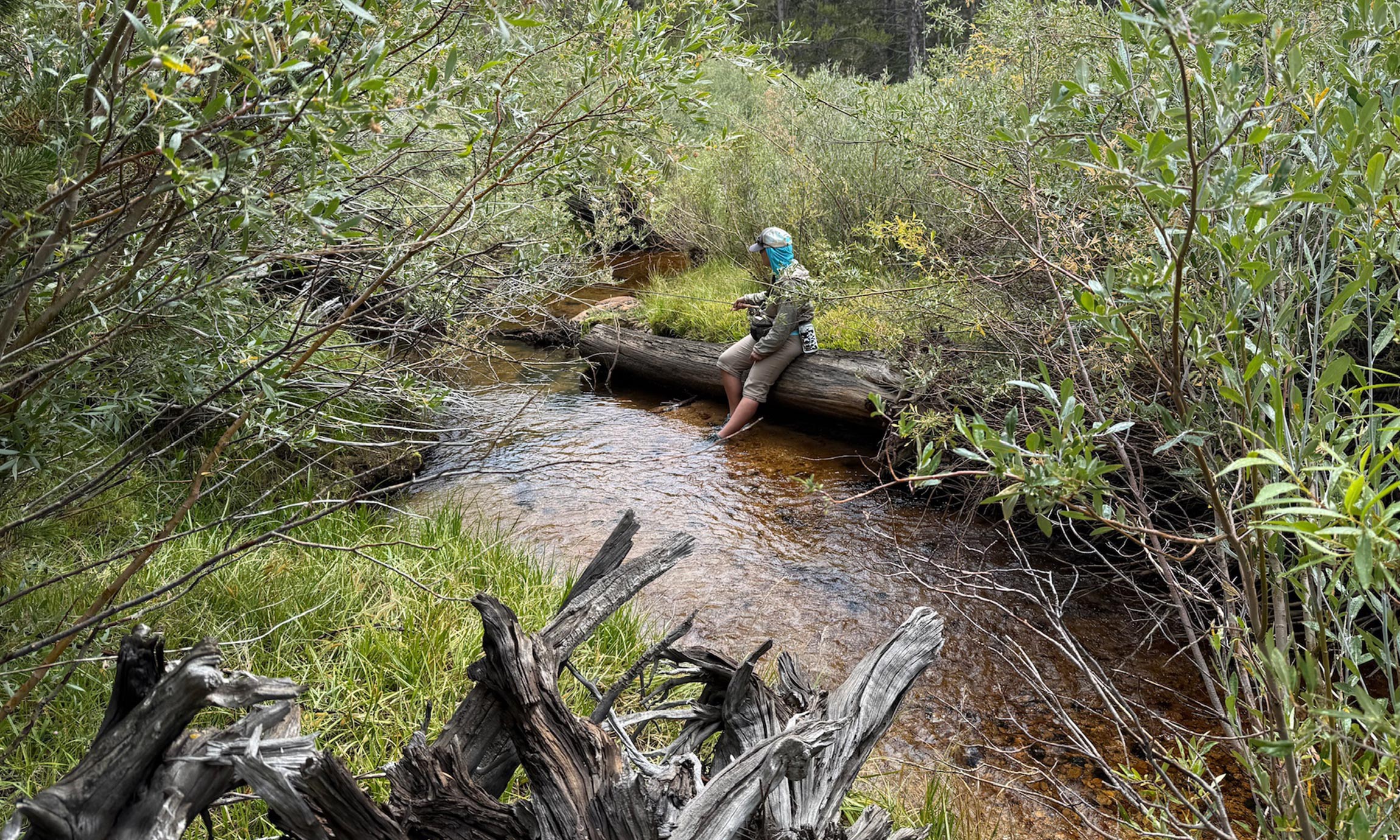
I do my best to be a “fly on the wall” about filming and photographing the group during these days. Sometimes I just hang back at camp to ensure everyone is finding the peace they all are looking for. But in between all of that, we’re able to knock out a few interviews, photograph the group in their natural element, and take it all in.
This rhythm continues for the remaining days, and before we know it the trip is nearly wrapped up. The gear is being packed back up for the pack train to pick up, and the group begins their trek back up to Trail Pass and down the other side into Horseshoe Meadows. Like at the start of the trip, the group heads up over mountains, around mountains, and back down mountains before hitting concrete for the first time in a week.
The team makes their way back to the pack station to grab their gear, stuff it away into all the vehicles, say goodbye to their TU and USFS colleagues, and chat about the memories they have made.
Egan reflects on what this teamwork over the past week has meant to him:
“Hi Winston, Bauer and Scientific Anglers!” – by Dan Hurtado
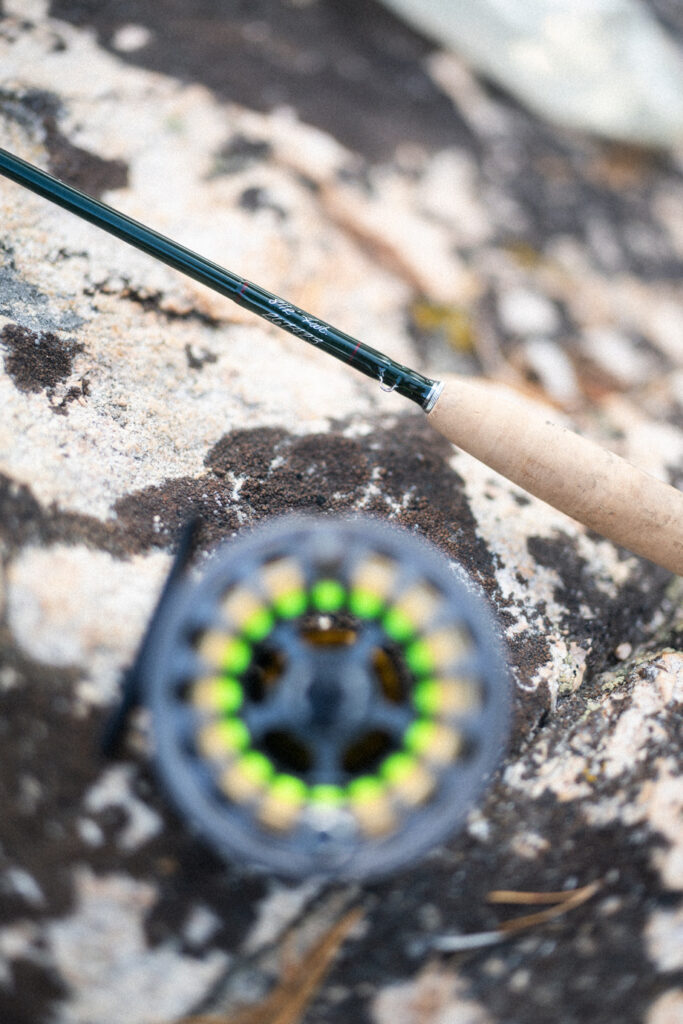
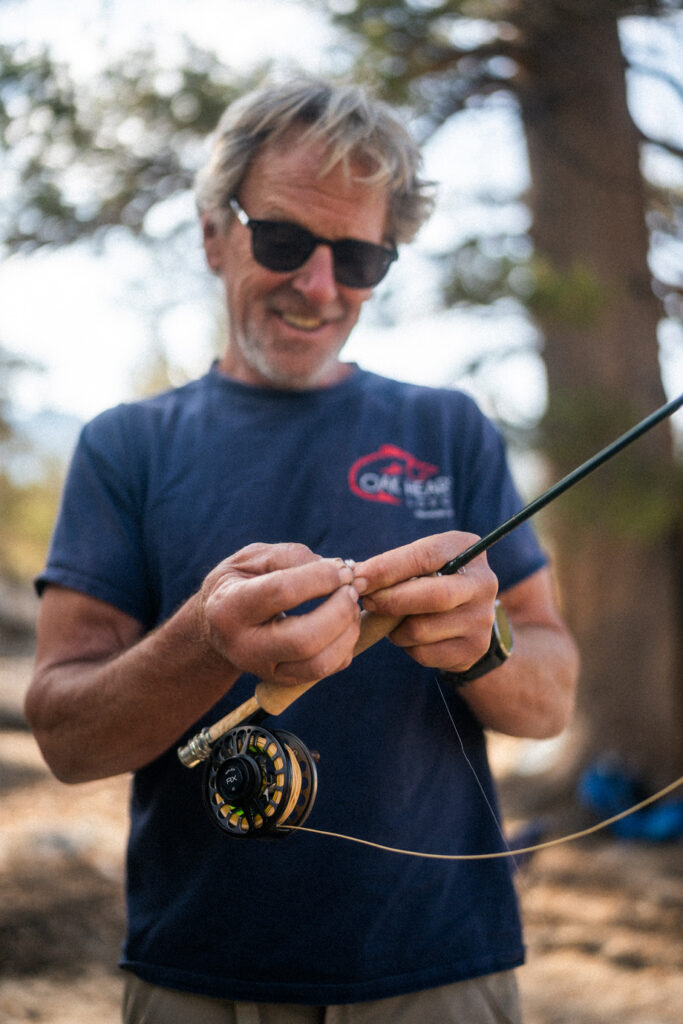
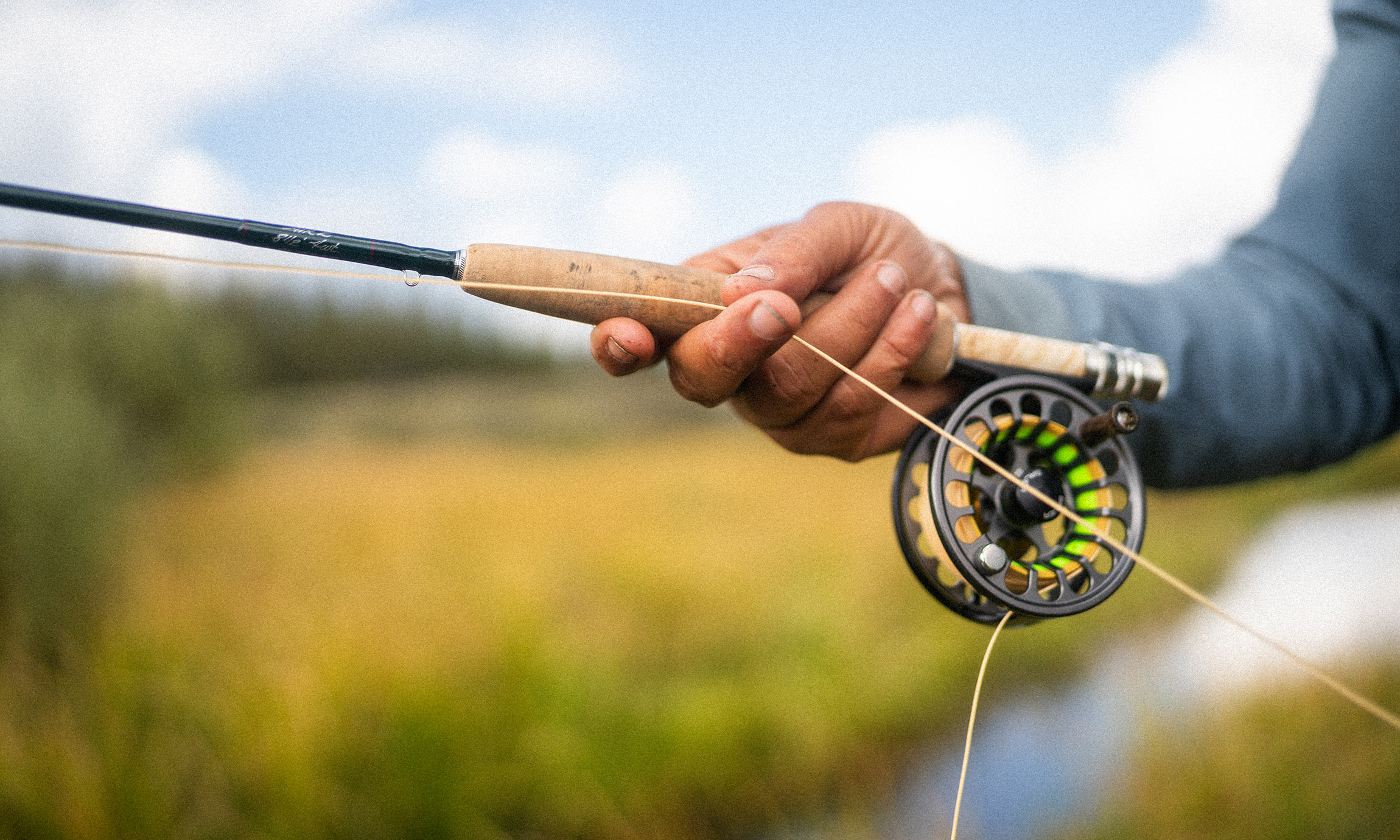
No one needs an introduction to Winston Rods, but I did chuckle when my daughter’s friend was able to get a pet cat, with the condition the cat’s name would be Winston (needless to say her parents are avid fly anglers). With that said when I heard R.L. Winston Rod Co. would be donating each of us a rod, a Bauer reel and Scientific Anglers (SA) donating fly line, leaders, and loaded tippet holders. I have to admit I was skeptical; it sounded too good to be true and didn’t want to get my hopes up. Owning any top of the line set up is a dream but the pedigree of a R.L. Winston is a completely different experience. After the Initial shock of the donation, it reinforced the work we will be doing in the GTW truly matters, what we do at Project Healing Waters matters, that we are part of a legacy.
Mike Scott was the one who first received the incredibly generous donation and said it best when I asked him how are the rods?
“The only way I can equate it is, it was like the first time I held my grandson.”
There was a time when it was trendy to do unboxing videos and wish I had it on film, when I got my set up, it did not disappoint. I was in awe in the craftsmanship, the detail. How in the shade the rod looks black but in the sun at the right angle reveals a deep metallic green. The reel was smooth and finely machined. Wow it’s pretty but will it cast? I rushed to the park, that windy afternoon, first cast effortless like it casts itself. The rod has incredible action and more accurate than I am. For a 4wt it was not nearly as affected by the wind as I thought I would be. That single attribute made them a joy to fish in the GTW, I didn’t know it at the time, but the wind and rain made for some western fishing. To be honest, I was a fan boy of SA’s competitor but the performance of the fly line and gifting it to veterans speaks to their character and has made me a SA convert.
The scene must have been comical, presenting Tim Young his rod, down on one knee like a squire presenting a knight his sword, but looking up at the gratitude on his face I will never forget. Full disclosure the first fish both Tim and I caught were not goldens, but rather we were so giddy with excitement we stopped in Yosemite to break in the rods where we each landed some rainbows. We learned a 4 WT can somehow have both a solid backbone and soft tip, I could only imagine the Winston Air 2 as a 7wt would be the perfect steelhead rod and the Bauer reel with its drag would make a formidable combination. That afternoon we met the rest of the group, passed out the gifted equipment for a test on the Upper Owens River where that backbone would be put to the test. Everyone was amazed how well they cast, the hook sets and landed fish. I landed Heritage Golden Trout, Rainbows, and Browns on this outing. Good ol’ Tim nearly landed a Carp.
This would not be a one-time deal. These complete set ups are ours, not loaners, and we put them to work, where nearby anglers ask to test and are just as amazed as we were. I recently completed my California Heritage Trout Challenge having caught 3 of the required 6 (Golden Trout, Coastal Rainbow and Lahontan Cutthroat) using the gear I received for the GTW Trip. Fully admitting I am protective of the rod, and my Bauer RX has dethroned favorite reel. I take it everywhere with me.
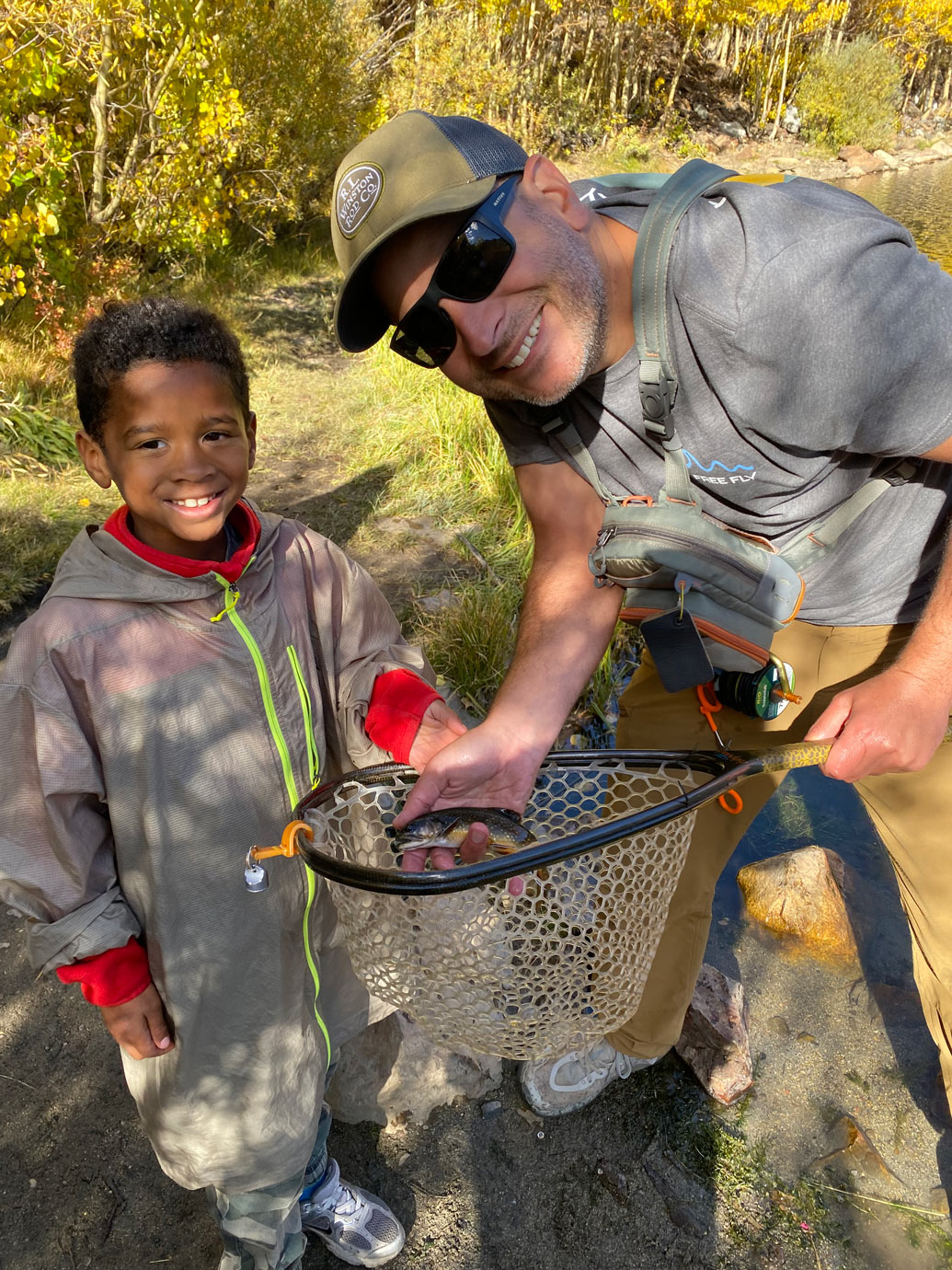
Shortly after the GTW we did a family trip to the Eastern Sierra where my 8-year-old son caught his first fish on the fly a nice brookie at a lake using my beloved Bauer Reel and SA fly line. We went up to see the fall leaves, but he wanted to go fishing so I ran to the truck, showed him how to roll cast, and at that moment I realized he is part of that legacy. We are all grateful to receive such a wonderful gift for this experience, thank you!
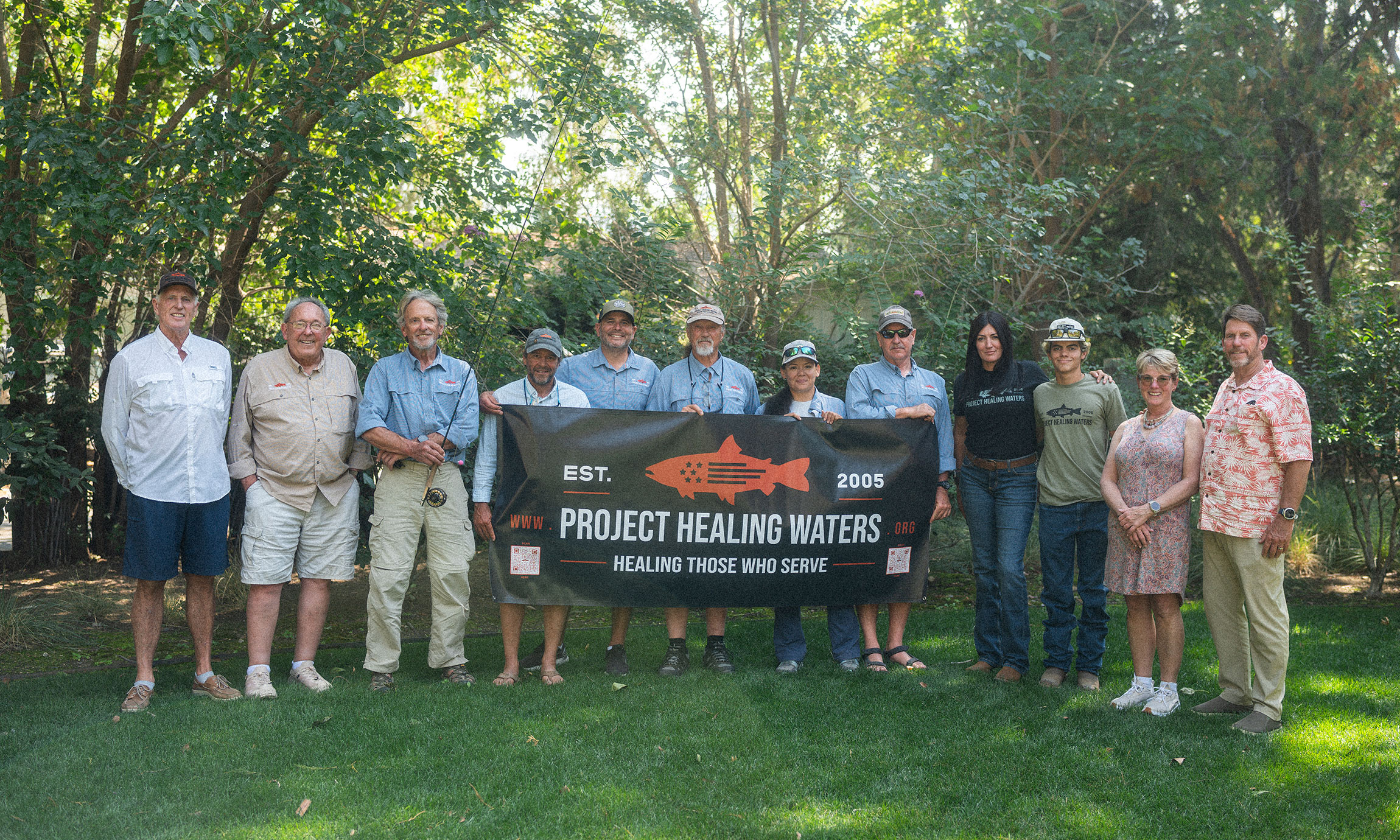
Before we know it, the team is back on the road heading to Bishop, California for a celebratory BBQ the following day at the home of Tom Nielsen, a longtime PHW supporter and dear friend of Brian Miller, PHW Martinez Program Lead. The idea was hatched during a preparatory meeting months ago, when Brian asked the team what they wanted to do after emerging from the wilderness. Were they just going to drive home? It didn’t seem right to end such a momentous trip without marking the occasion. They came up with the idea of a “Victory BBQ” somewhere near Bishop, and Brian knew just the guy to call.
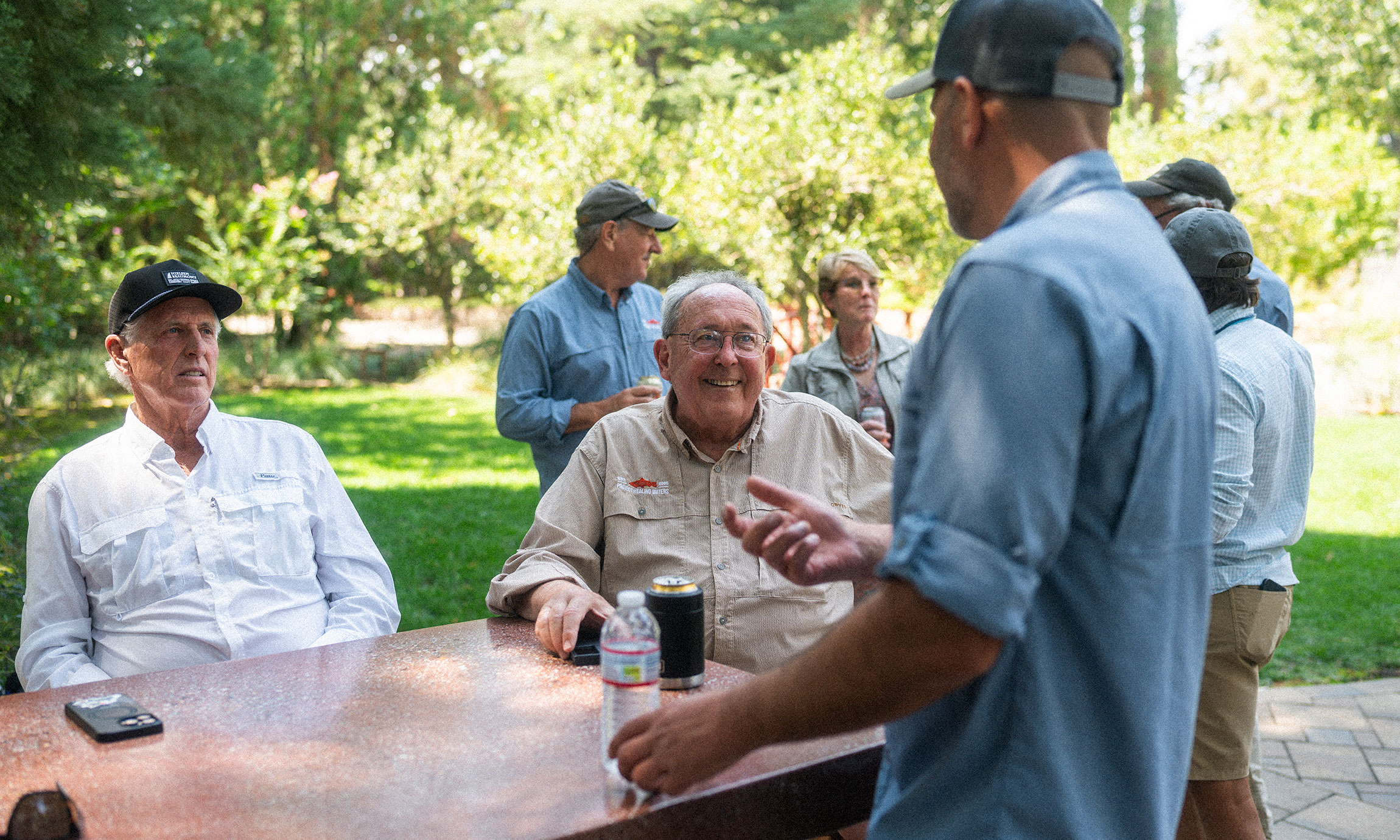
Brian and Tom have known each other since high school, roomed together as photography students at Humboldt State, and remain fast friends and fly fishing friends on the water. Tom’s company, Nielsen Beaumont Marine on Shelter Island in San Diego, began in 1979 when Tom and his friend Don Beaumont started taking care of private boats in the harbor there. Since then, the business has grown and expanded and now focuses on services for defense watercraft fleet maintenance and repair, with son Troy now taking the helm.
Tom and his wife Geri go back and forth between their home base in San Diego and a lovely home nestled in the redwoods at the base of the Sierras in SW Bishop.
Brian arrives a couple of days early and he and Tom get deep into planning the BBQ day. They tap the culinary expertise of Copper Top BBQ in Big Pine to lay out a spread fit for Jason and the Argonauts. When the team arrives clad in their blue PHW logo shirts, they don’t go hungry for sure!
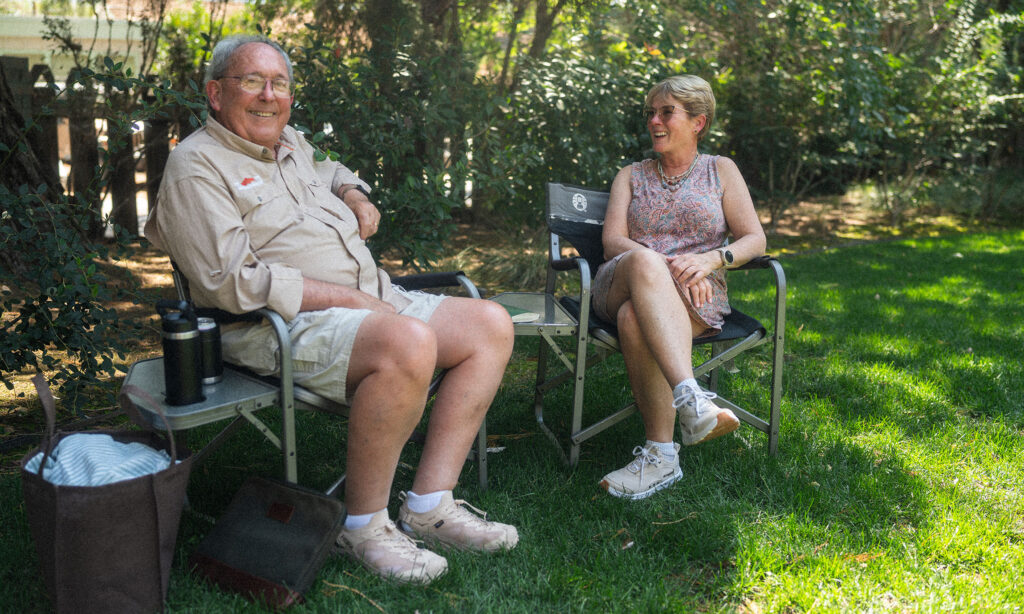
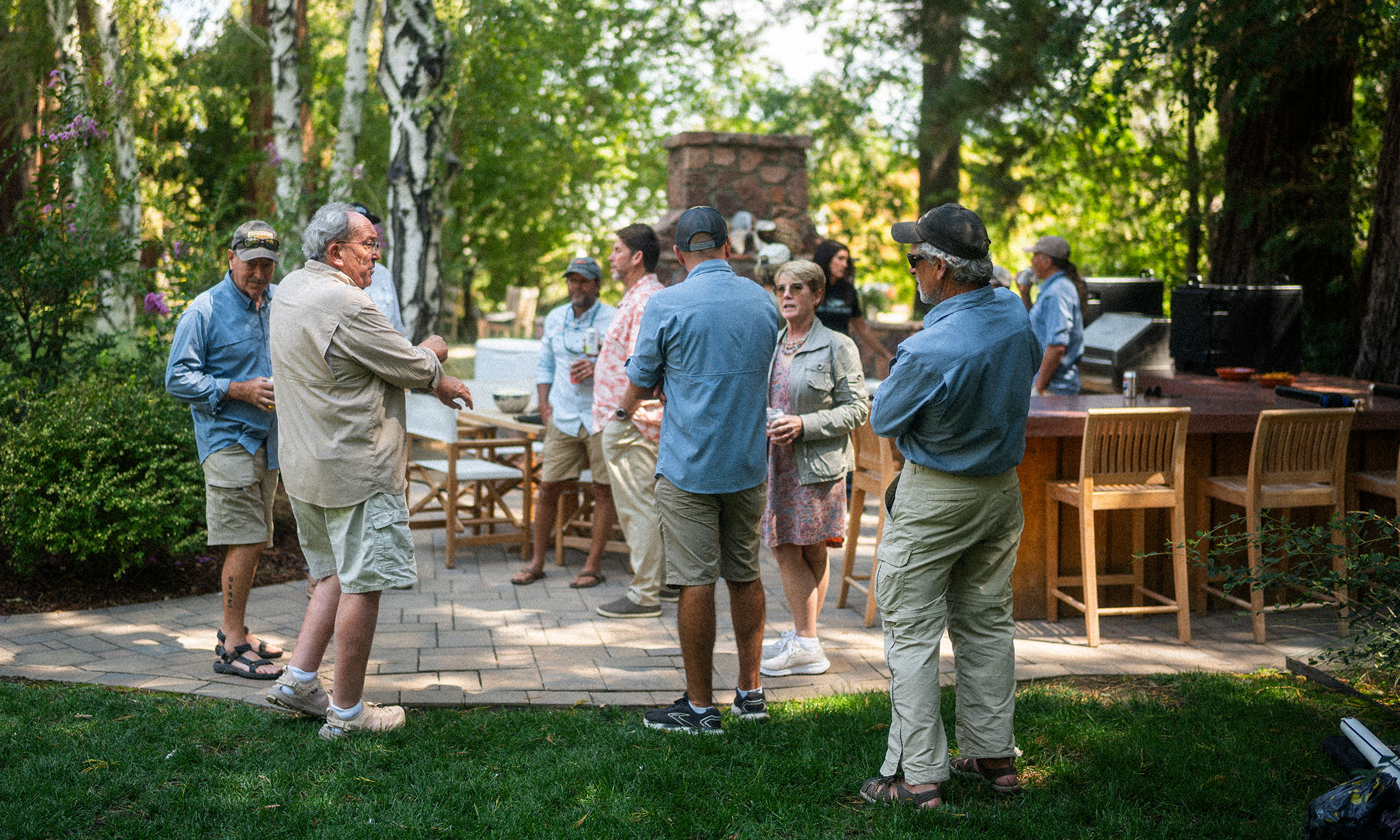
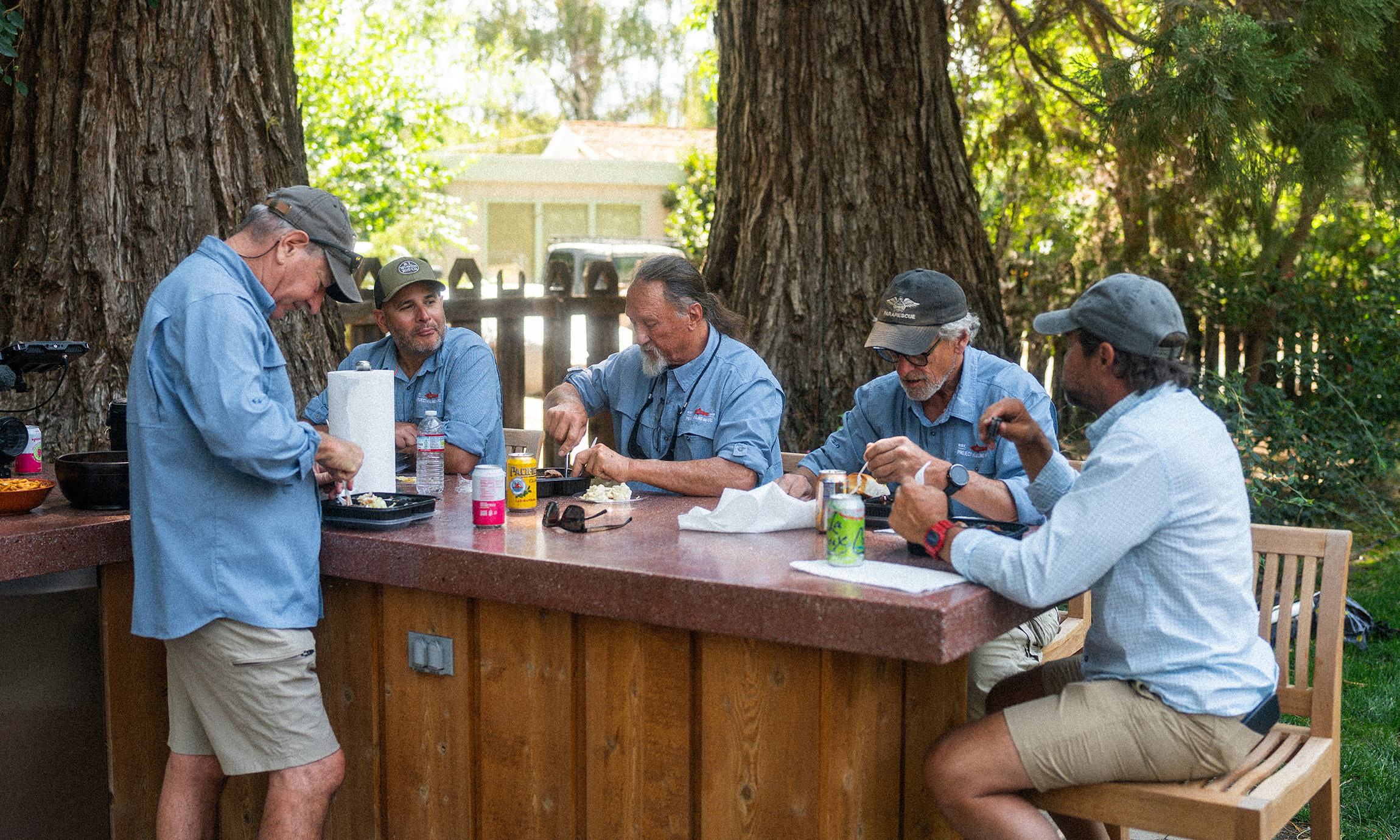
Tom got involved with PHW over many years of Brian’s enthusiastic endorsement of the transformation he was seeing in the veterans enrolled in the PHW Martinez Program. Tom recognized how much his own company had benefitted from its partnership with the military, and giving back to veterans was a natural fit. In the last four years, his generosity has supported veteran healing on outings across California. For Brian, having Tom and Geri host the BBQ and be part of this celebration brings their generosity full circle, it is a hearty “Thank You” to them as well as a victory homecoming for the team. It’s also a chance for Tom to finally meet some of the veterans his generosity has touched.
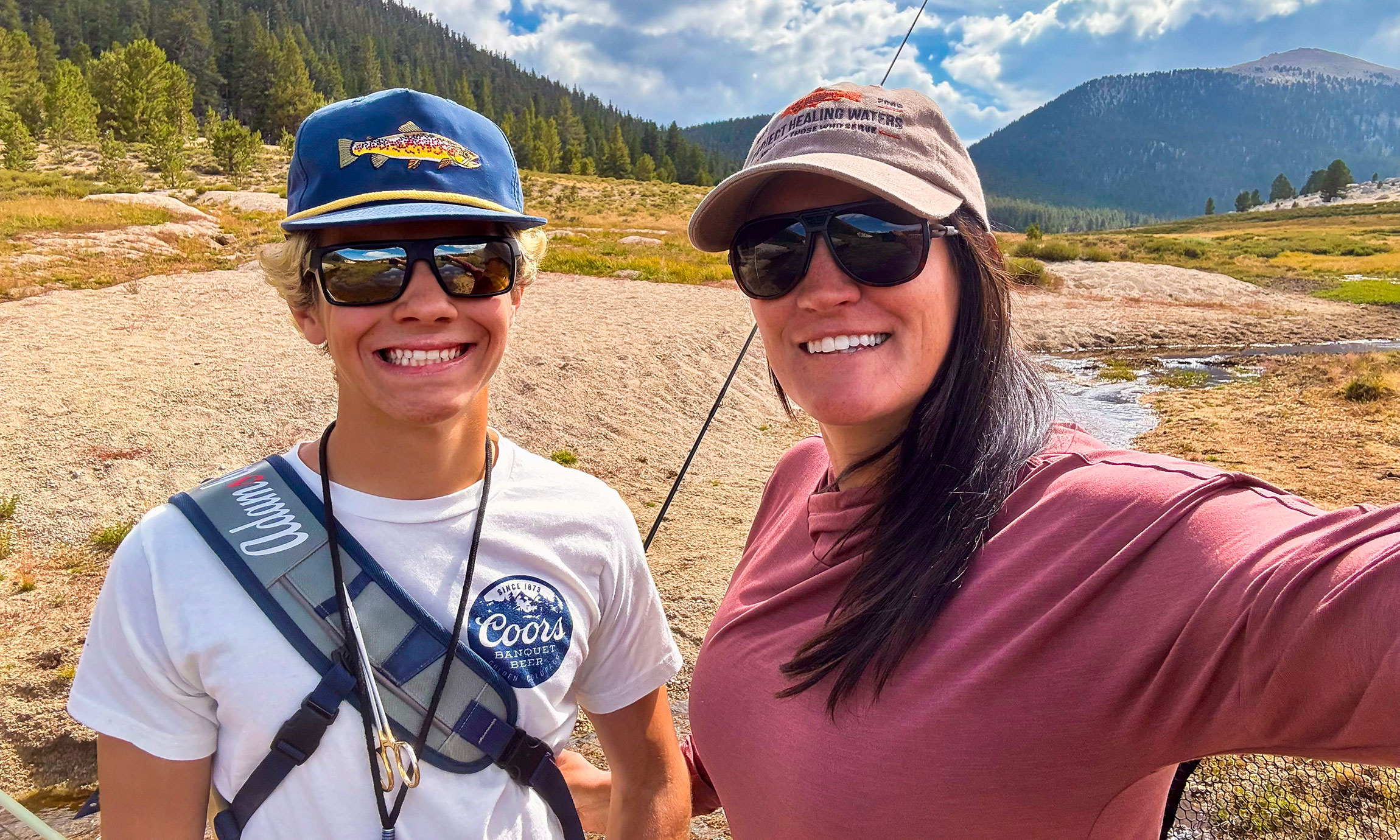
This is clearly more than a barbecue, it’s an opportunity for the team to connect with the larger PHW community and be recognized for their achievement together. The welcome committee at the barbeque includes PHW Board Chair, Retired Rear Admiral Cindy Kuehner and her husband Karl, as well as Kim Vine, now Program Lead from the PHW Reno/Tahoe Program, and her son Max.
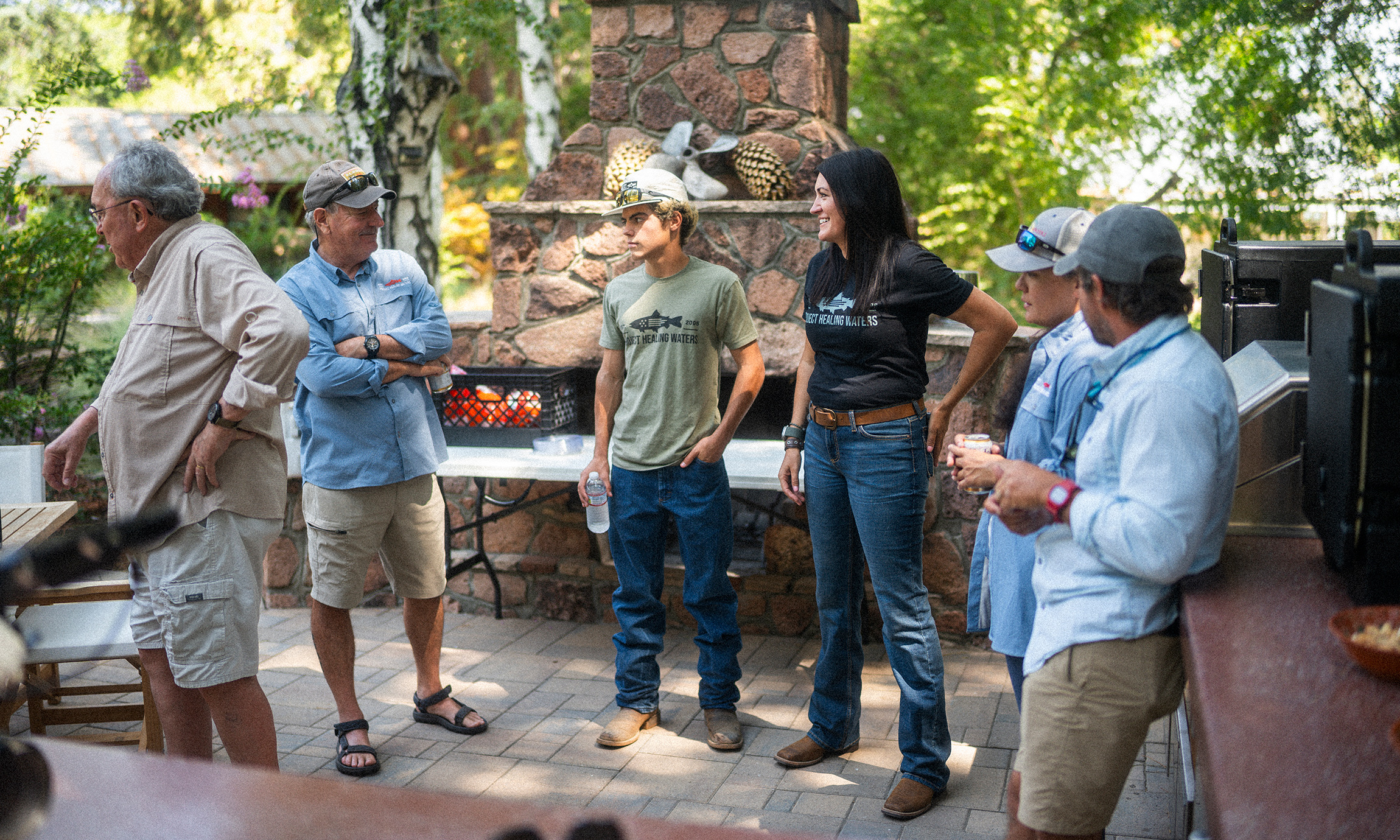
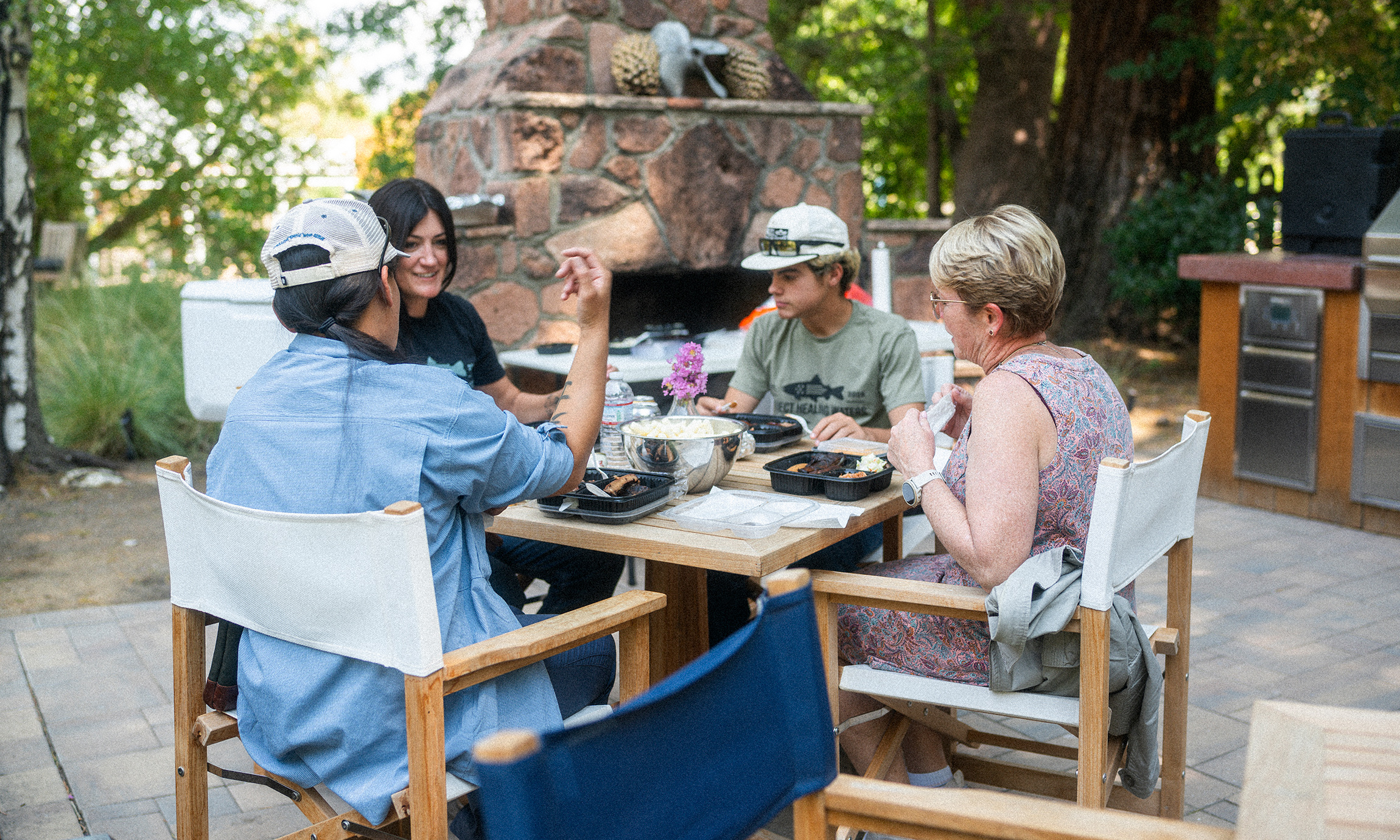
For Kim, it’s a chance to connect with the wider PHW community and make new friends in the veteran community. She and Cindy hit it off immediately, and she’s happy to get a chance to talk with Lorina and the others who’ve been in the backcountry. It’s also a great opportunity to have some bonding time with her younger son, Max. Kim remembers,
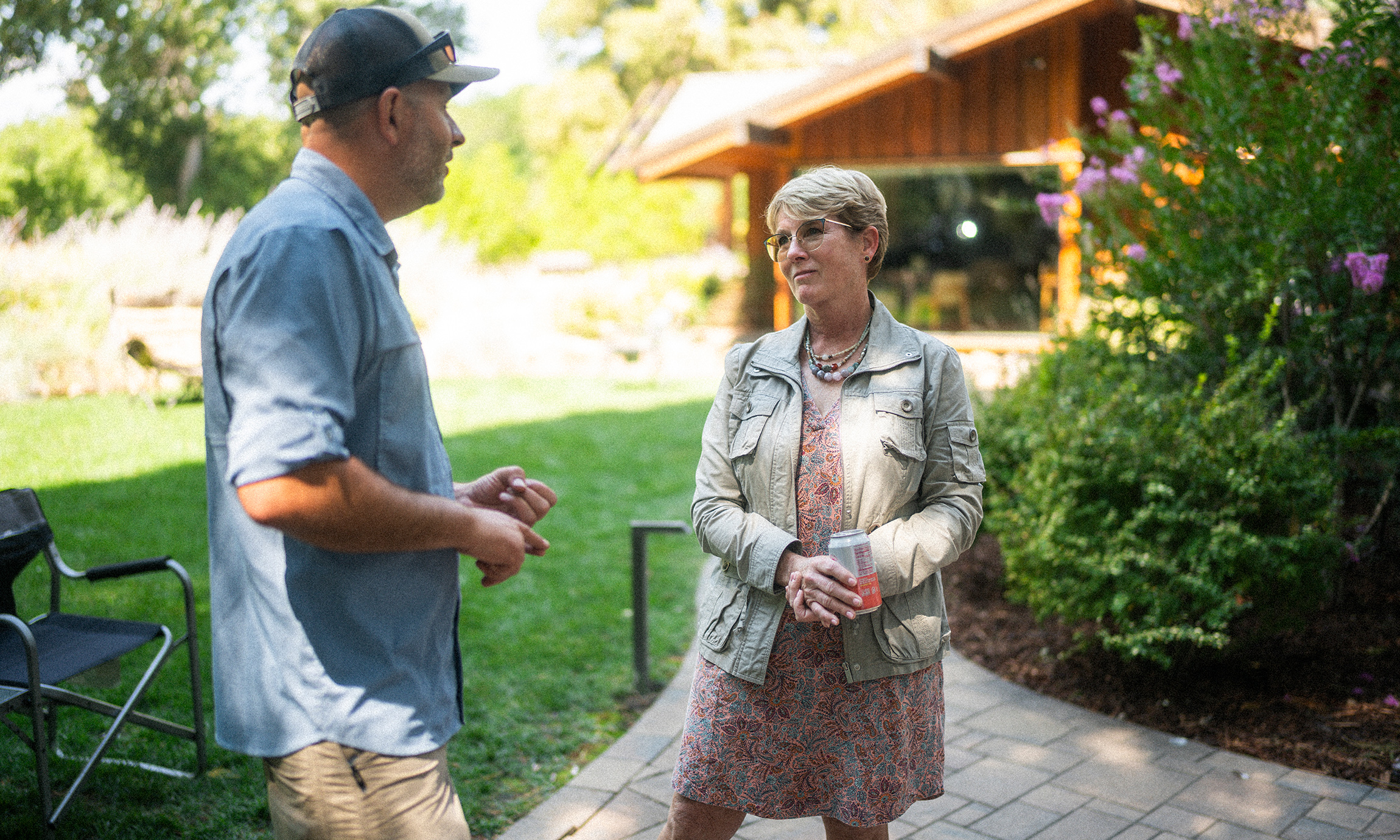
Cindy reflects on what the GTW trip represents to her, and what it means to the larger PHW community as a whole:
Over a wonderful feast, tales from the trip are told, laughs are had, challenge coins (a military tradition) are given, and friendships are solidified for a lifetime. We all say our goodbyes and hit the road home. It’s a trip we will never forget.
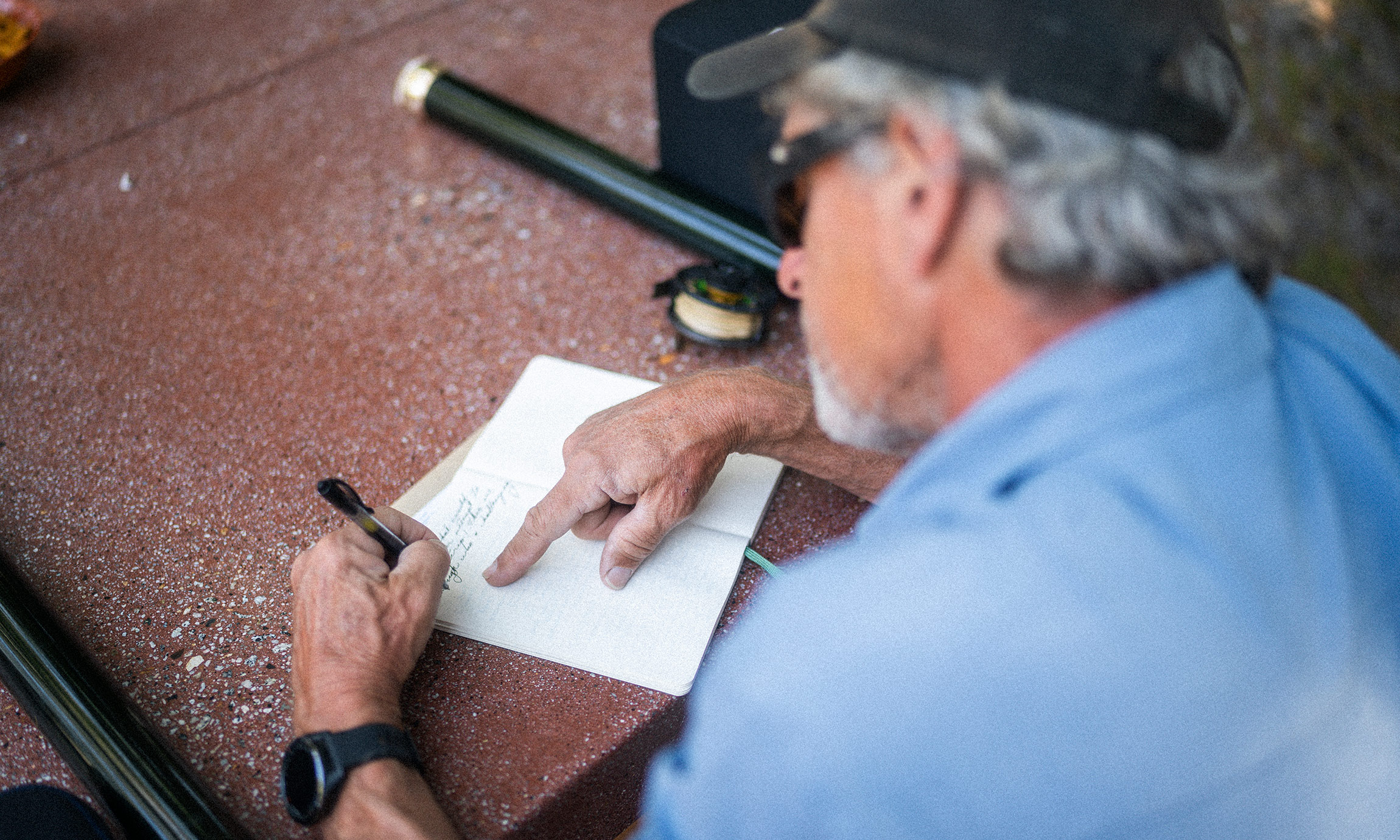
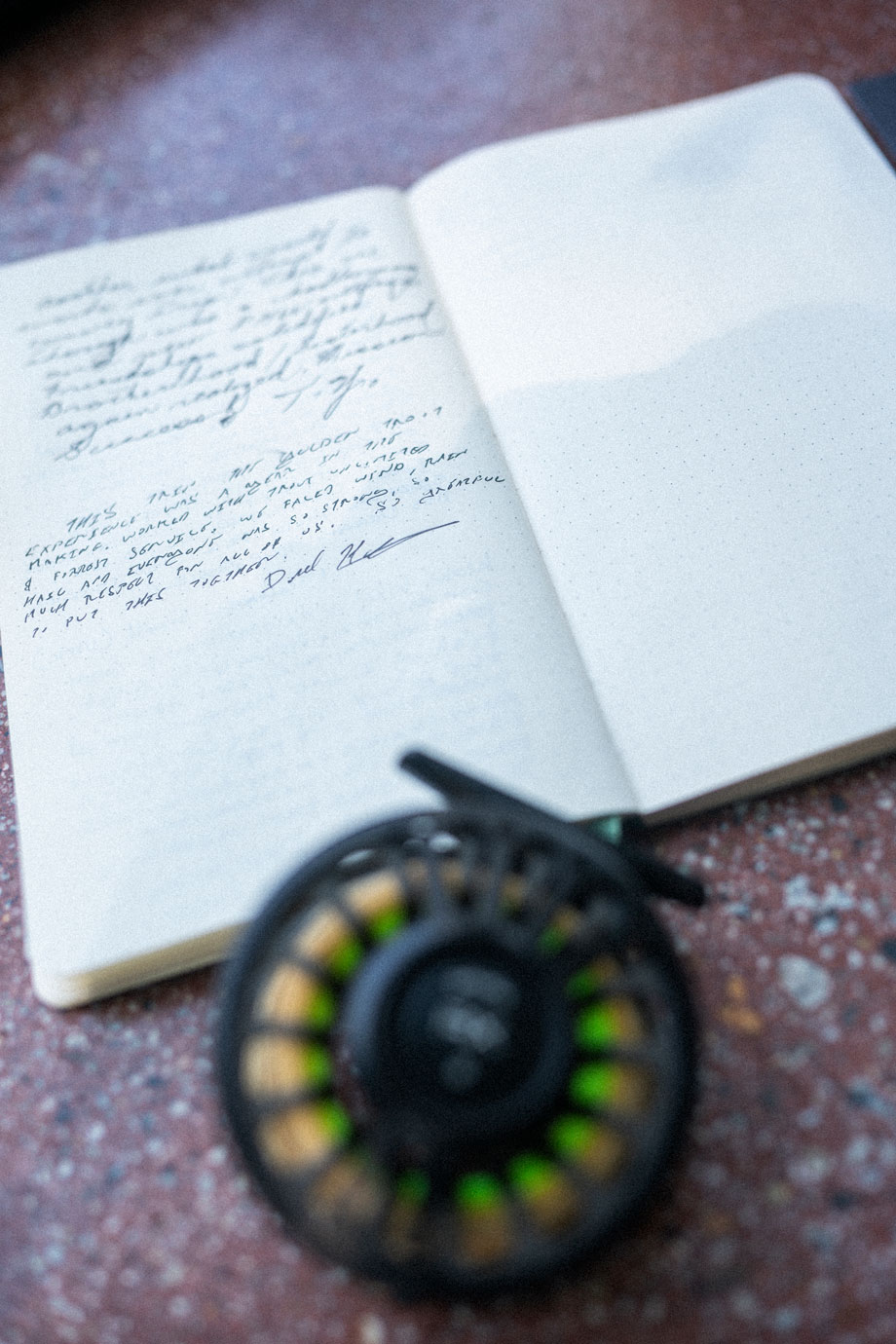
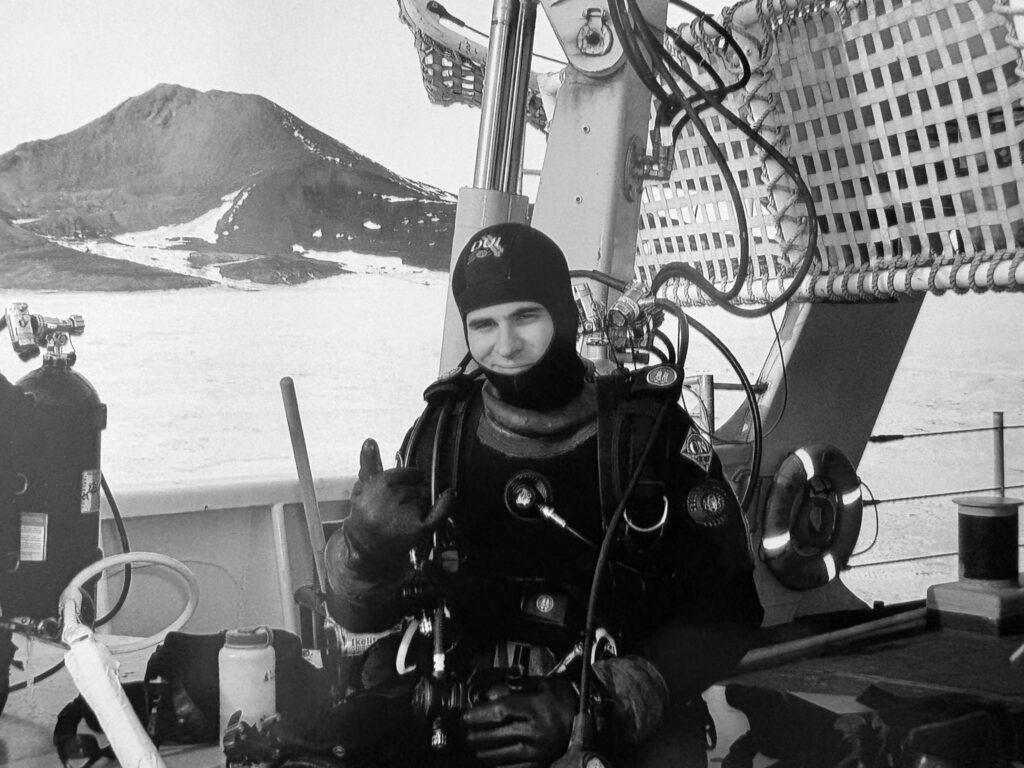
Dan Hurtado
“This trip to Golden Trout Wilderness was a year in the making, working with Trout Unlimited and the US Forest Service. We faced wind, rain, hail and everyone was so strong—so much respect for all of us. So grateful to put this together.”
Dan Hurtado is an active-duty member of the United States Coast Guard and has completed multiple deployments to both Antarctica and the Arctic. A graduate of the US Naval Diving & Salvage Training Center, Dan fulfilled a childhood dream by completing multiple solo dives beneath the Antarctic ice.
Continuing his lifelong connection to the water, Dan has become a dedicated fly fisherman, His passion for fly fishing began while backpacking to alpine lakes and especially enjoys “blue lining”–hiking deep into remote areas to fish isolated creeks and streams.
Dan joined Project Healing Waters to share his passion, experiences, and help build stronger community, through veteran outings, fly tying and conservation projects.
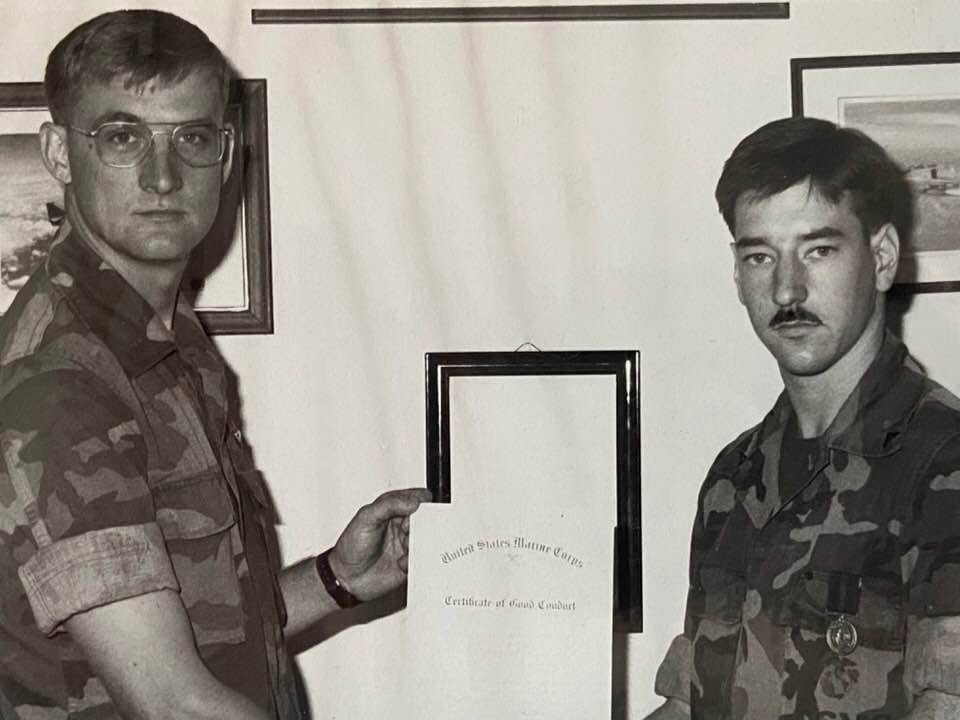
Mike Scott
“A truly remarkable trip, not for the faint of heart. Two nights of acclimatization at altitude of 10,000 feet, then five days in the back country assisting Trout Unlimited preserve habitat. That was the best part of the trip. It heals the soul. Thanks to Winston Rods, Trout Unlimited, US Forest Service, and PHW for making this dream trip possible.”
Mike was born on June 19, 1964, in La Mesa, California, and was raised in Concord, California. The son of a career US Navy submarine veteran, Mike grew up with a deep appreciation for military service and the values of commitment, resilience, and teamwork. He graduated from Clayton Valley High School in 1982 and, within five days of graduation, enlisted in the United States Marine Corps through the delayed entry program. Mike reported to Marine Corps Recruit Depot San Diego in September 1982 and graduated from boot camp in December 1982. He later completed aviation electronics training at Naval Air Station Millington, Tennessee, and Marine Corps Air Station Cherry Point, North Carolina, becoming a flight line avionics technician. His Marine Corps service included assignments at Marine Corps Air Station El Toro and Marine Corps Air Station Iwakuni, Japan, before his active-duty service concluded in September 1986.
Following his military service, Mike returned to California and used his veterans benefits to earn a degree in Civil Engineering from San José State University. He began his professional career with the State of California, became a Registered Professional Civil Engineer, and later earned an MBA from the University of Phoenix. Mike went on to spend nearly 30 years with a major international consulting firm, advancing to the position of Senior Vice President and managing the construction of major bridge and highway projects throughout Northern California. He currently serves as an Area Construction Manager for a mid-sized engineering firm.
Mike lives in Oakley, California, with his wife, Lisa. After first meeting as teenagers, Mike and Lisa have been married for 36 years. They have three adult children and one grandchild.
Mike joined Project Healing Waters as a participant in February 2020 and began supporting program outings as a volunteer in 2022. In October 2023, he assumed the role of Assistant Program Lead for Outings and Water Safety, and will become the PHW Martinez Program Lead in 2027.
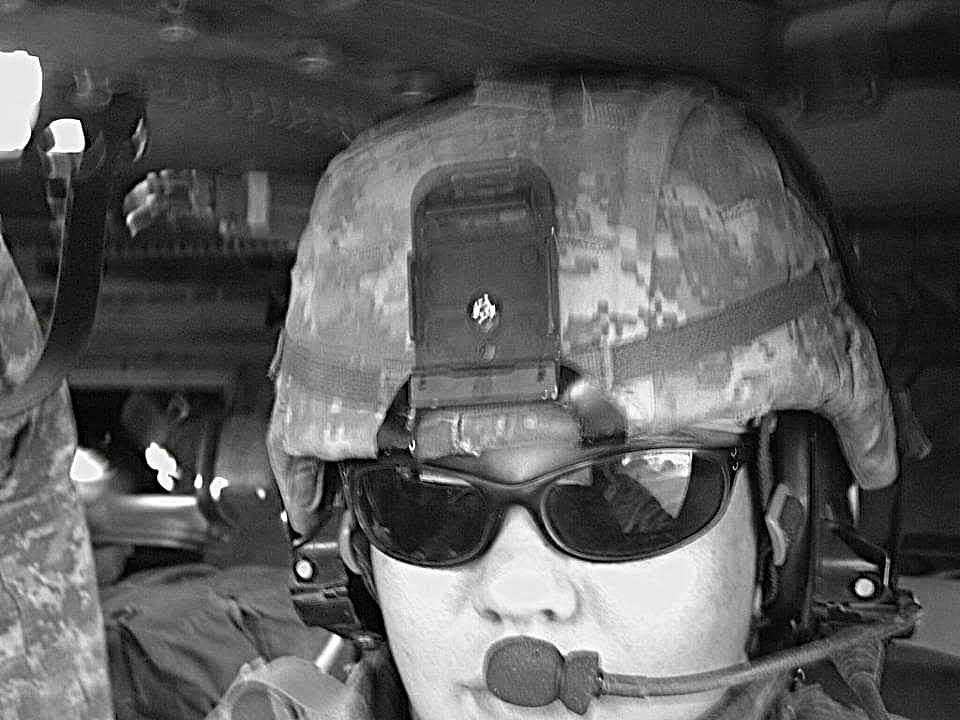
Lorina Walker-Kaloi
“I found Project Healing Waters in 2019, almost by accident. I attended a different veteran’s event where fly casting was going to be one of the activities. It was incredibly windy and fly casting was canceled, but I was given the information to find PHW at the Martinez VA.“
Lorina Walker-Kaloi served in the US Army from 2004-2007 with one tour of duty in Iraq as an 88M (driver).
“From the moment David Lipscomb put a rod in my hand, I felt absolutely addicted to learning more. From the start I was welcomed and at that time I was the only female in the room. But I was welcomed and encouraged to come back. I quickly made some great friendships and tried to show the same kindness that was given to me. I found a tribe and a passion at a time when I felt very alone.”
“GTW was by far my favorite trip. The views were just amazing. Words don’t do it justice. The work we did in the meadows was super fun. Every person was friendly and seemed to really enjoy themselves. The actual hike was challenging. I’m really glad I spent time in the gym!”
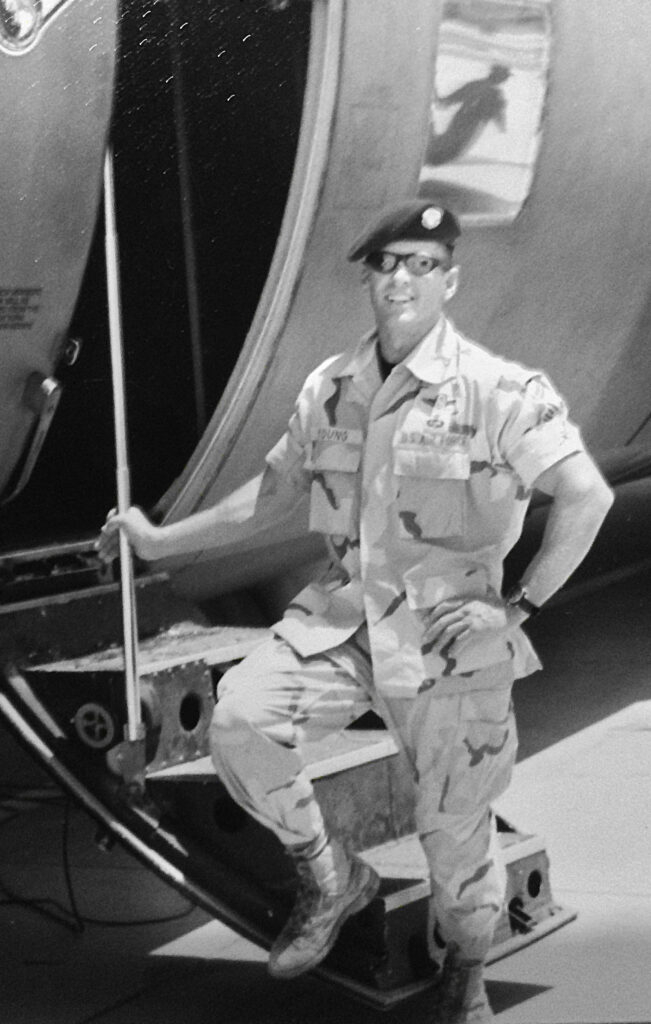
Tim Young
“After my long career in the military, I pursued a second career in the civilian world as a municipal Firefighter/Paramedic. My life has been surrounded by life-saving activities and now that I’m fully retired I am trying to carry that mission forward by helping fellow veterans in their healing process. You have to give it away to keep it. This mission allows me inner peace and an ability to continue to work on slaying my own dragons as well. Some hobbies of mine include motorcycle riding, fly fishing, golf, reading and spending a great deal of time outdoors enjoying the beauty that is out there. I have two grown children, Colin and Allyson who mean the world to me.”
About his experience in the GTW, Tim says,
“Another what could words ever attempt to convey trip! This one though was a challenging and new PHW success. Friendships solidified, Brotherhood/Sisterhood again realized. Mission success!”
Tim Young is a retired USAF Pararescue Specialist. He spent 26 years in the Air Force and retired at the rank of Senior Master Sergeant (E-8). Tim’s career entailed military rescue operations both in the combat and humanitarian civilian arenas. He’s had many great successes in life-saving scenarios. The Pararescue career field specializes in aerial operations both out of fixed wing and rotary type aircraft. The qualifications of a Pararescueman include parachuting, scuba diving, mountain climbing, gunnery, tactics and strategy, and of course advanced paramedic duties.
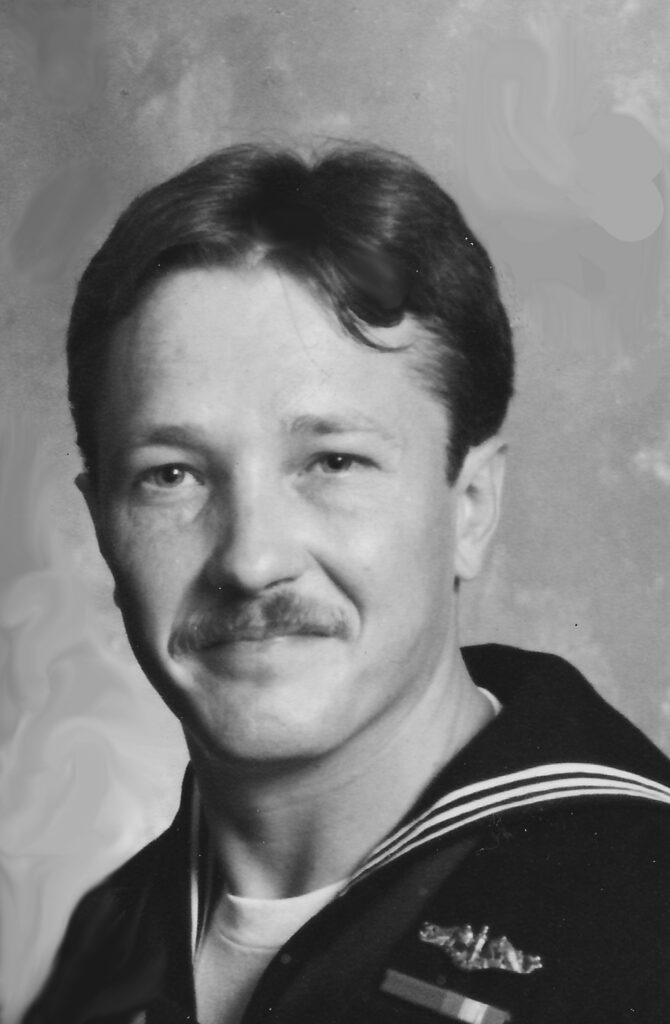
Dave Allen
“I heard about Project Healing Waters from a counselor at the VA Martinez Outpatient Clinic. I joined in June 2021 and since then, I have made many new friends through the trips, meetings and events that PHW puts on. I have learned to tie flies, I have made several rods and I am always trying to get better at fly fishing.”
His thoughts on the GTW experience:
“Wow! What a fantastic trip! Great company of my fellow vets. Great backcountry and such great fishing. I was the slow poke of the group but my companions understood and kept me going. Many thanks to my fellow vets, PHW, TU, USFS, Winston, and everyone else that made this trip happen!”
Dave Allen grew up in rural Michigan, the older brother to two sisters. His father was an auto mechanic and his mother worked as a waitress. He joined the US Army in 1972 right out of high school and after boot camp was assigned to Strategic Communications Command in Stuttgart, Germany. He left the Army in 1974 on a family hardship discharge after his mother died so he could help his dad raise his younger sister, helping out where he could. In 1975 he enlisted in the US Navy, where he trained to be a radioman.
Dave did tours on two different submarines, the USS Tecumseh, SSBN 628 and the USS Permit. SSN 594. Between the boat tours, he was an instructor at the Mare Island Cryptography Center.
“I got out of the Navy in 1984 and immediately enrolled at Diablo Valley Community College where I spent 2 years there making up for what I had not learned in my urban high school. I was then accepted at Cal Poly San Luis Obispo where I graduated with a BS in Engineering Technologies”.
Upon graduation, his career took him to various companies in the mail sorting and cash sorting industries and the San Francisco Federal Reserve. Dave retired in 2021.
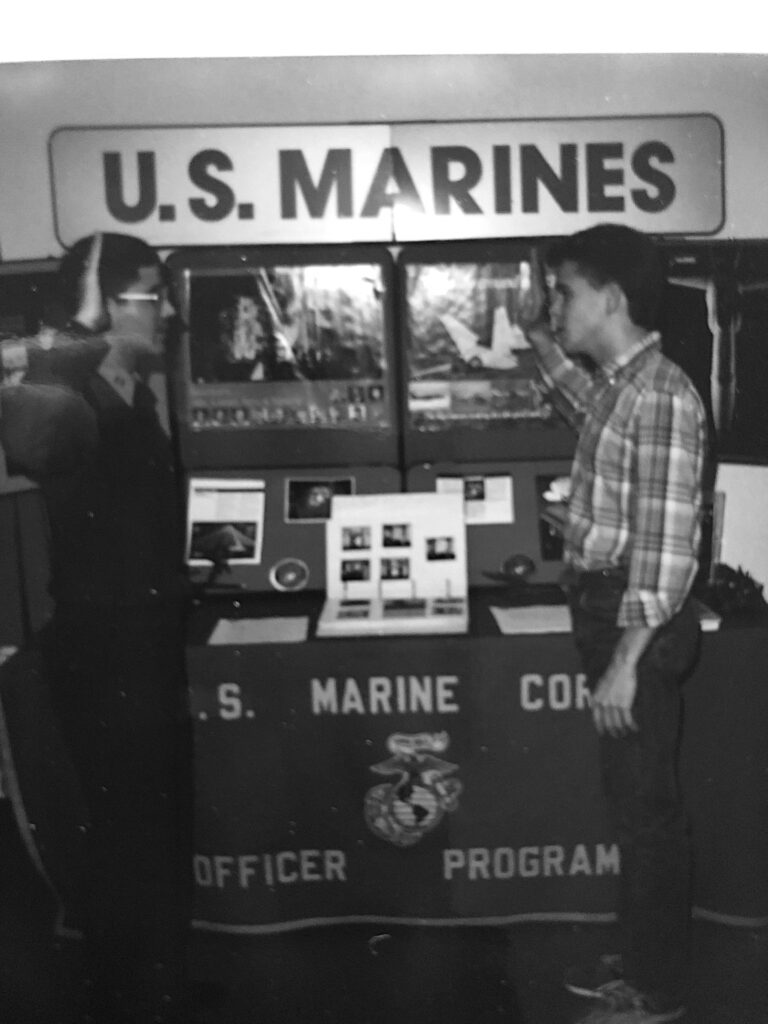
Blain Tomlinson
“Thank you so much to your group! The GTW was an amazing experience. It was a real win to have PHW team up with TU and the US Forest Service. Healing vets/healing habitat is what it’s all about!”
Blain Tomlinson was born and raised in Birmingham, AL and Spokane, WA. He enlisted in the US Marine Corps in 1988 and reported to the Marine Corps Base in Quantico, VA. Blain served four years of his six-year contract as a Marine Intelligence Officer until a serious injury ended his military career.
He went on to work more than two decades in the medical device field, holds three US Patents and was founder/CEO of WalkJoy, Inc. for ten years. Prior to WalkJoy he was Executive Director of St. Joseph Health System’s (Providence Health and Services) Mission Innovation Institute, Executive Director of AW Traumatic Brain Injury Foundation and Vice President Healthcare for O’Melveny & Meyers Consulting.
Tomlinson consulted to Defense Advanced Research Program Agency (DARPA), co-founded the Orange County Life Science CEO Roundtable and a lecturer series on Entrepreneurship at the University of California Irvine’s Henry Samueli School of Engineering.
He served on the Board of the Orange County Licensing Executives Association, USVI Marine Vocation Program and is Assistant Program Leader for the Long Beach, CA PHW Program. He was also the PHW California Representative for the National Advisory Committee of Veterans Administration Voluntary Services (VAVS).
Tomlinson graduated Magna Cum Laude from Carroll College in Helena, MT, was in the PLC JAG USMC Officer Candidate School program, attended numerous GE Crotonville – Global Leadership Training classes and self identifies as a fly-fishing addict.
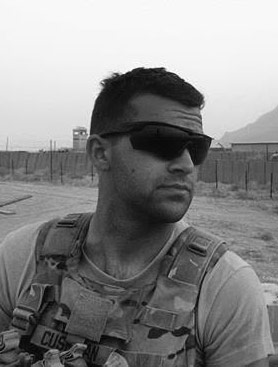
Cameron Cushman
True to his motto, and as an old hand in the GTW, Cam embraced the challenges this week brought.
“The Golden Trout Wilderness is without question a place that I mentally feel at home. I have been fortunate enough to spend a lot of time there over the years. To be able to bring it full circle and join a PHW program there not only as the filmmaker but getting to help the team with tips and sharing some of my favorite spots. The GTW is definitely a special place and hopefully more PHW participants get to experience it. Thanks to the incredible people on the trip for allowing me to stick a camera in their faces for the week.”
“Embrace the uncomfortable” has become something of a personal motto for Cameron Cushman. Not because being uncomfortable is enjoyable, but because some of the most important things he’s done have required stepping into situations he was told he couldn’t do anymore.
Cameron spent six years in the US Army as an Infantryman, including a twelve-month deployment to Afghanistan. After medically retiring from service, his path forward looked very different than what he originally planned.
Complications from multiple surgeries left him dealing with significant health issues and forced him to adjust to a new reality much earlier in life than he anticipated. That process took years, and a lot of it wasn’t pretty. Eventually, the outdoors became one of the places where he began finding his footing again. Fly fishing, hiking, and simply spending time outside gave him an outlet and eventually became a major part of both his personal life and his work. He credits the Devils River in Texas with saving his life and giving him the strength needed to carry on for his family.
That experience also shaped the stories Cameron wanted to tell.
As a filmmaker, he has spent much of his career working with Veterans, nonprofits, outdoor organizations, and brands to tell stories about real people and real experiences. He has worked alongside Veteran organizations for years, producing films and campaigns, documenting the people they serve, and advocating for the Veteran community through both his work and his own experiences.
His career has taken a somewhat unconventional path. After the Army, he went back to school, built businesses, worked in television and marketing, and eventually turned filmmaking into a career. Today, his work spans documentary, commercial, and narrative filmmaking, with much of it still rooted in the people, places, and communities that helped shape him.
Through all of it, Cameron has tried to hold onto a pretty simple idea, difficult circumstances don’t have to dictate what comes next and they have given him the strength to do things he may never have.
His advice is equally simple:
“You don’t have to accept a bad hand of cards. Be uncomfortable, and do hard things.”
EPILOGUE
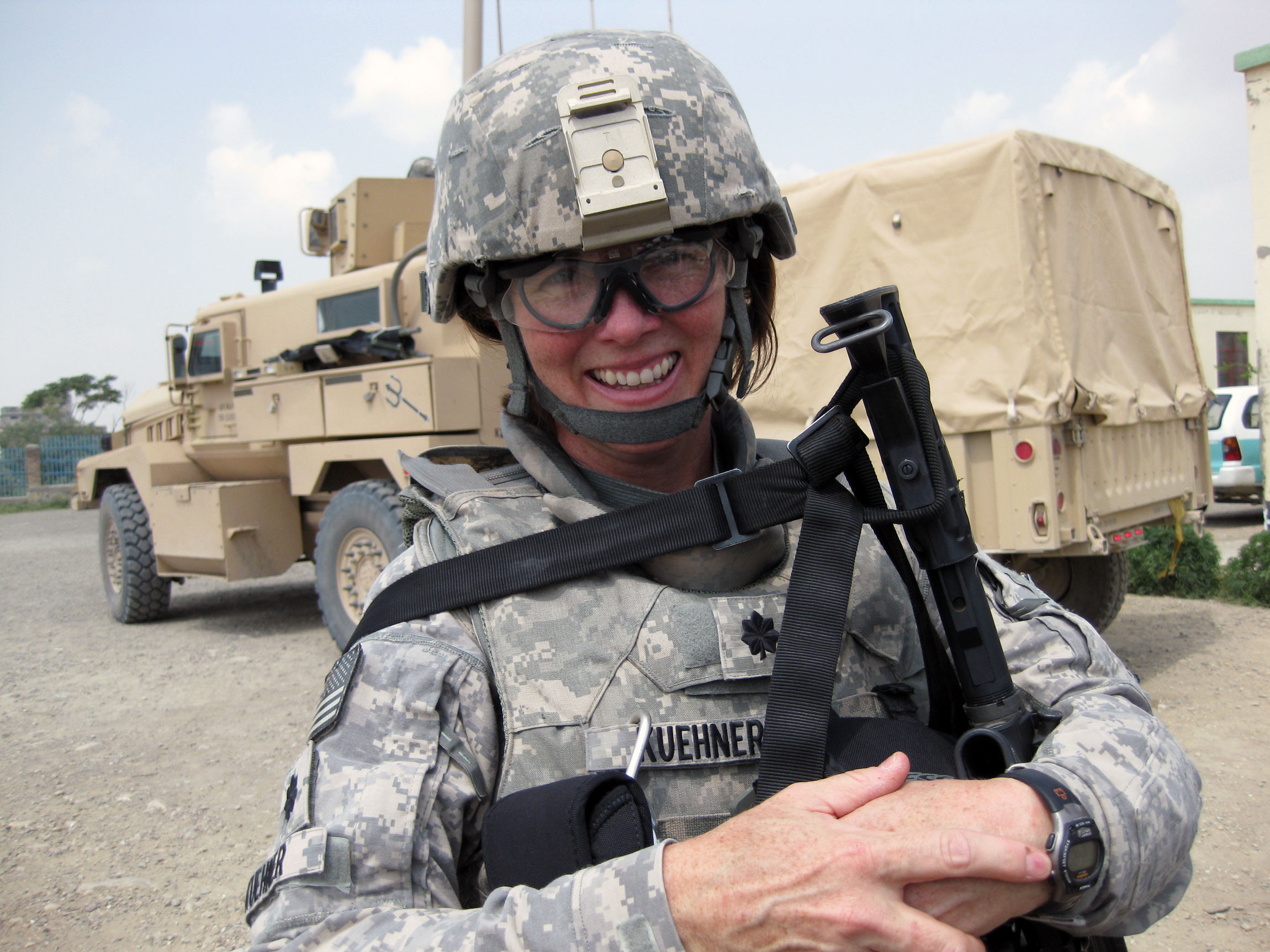
For PHW’s Board Chair Cindy Kuehner, the GTW experience left her with much to reflect upon and appreciate about the organization’s mission and its effects on the men and women who have served our country. She shared the following thoughts.
Meeting the Veterans: The Mission Becomes Personal
As Board Chair, I spend a great deal of time thinking about stewardship, governance, sustainability, and whether we are protecting the mission entrusted to us. Those responsibilities matter. But sitting at that barbecue and meeting the Veterans as they returned from the backcountry brought the mission down to its most important level: one person at a time. I was able to listen – to hear about the work, the miles, the fishing, the challenges, the humor, and what being part of that team meant to them.
Their own stories give this meaning far more authority than anything I could say from a boardroom. Tim Young describes PHW as helping him reconnect with other Veterans and recover purpose and belonging after military service. Lorina Walker-Kaloi speaks of finding purpose and a kind of peace on the water that she had not found elsewhere. Mike Scott values the camaraderie of shared experience as much as the fishing itself. Those are different lives and different journeys, but the common ground is unmistakable: connection matters.
I did not leave Bishop thinking primarily about an event. I left thinking about people – the Veterans I had met, the stories they trusted us with, and our obligation to keep creating places where connection, purpose, and hope can take root. For me, the privilege was not simply welcoming a team back from the wilderness. It was meeting the mission face-to-face.
Purpose After Uniformed Service: Dignity in Being Needed
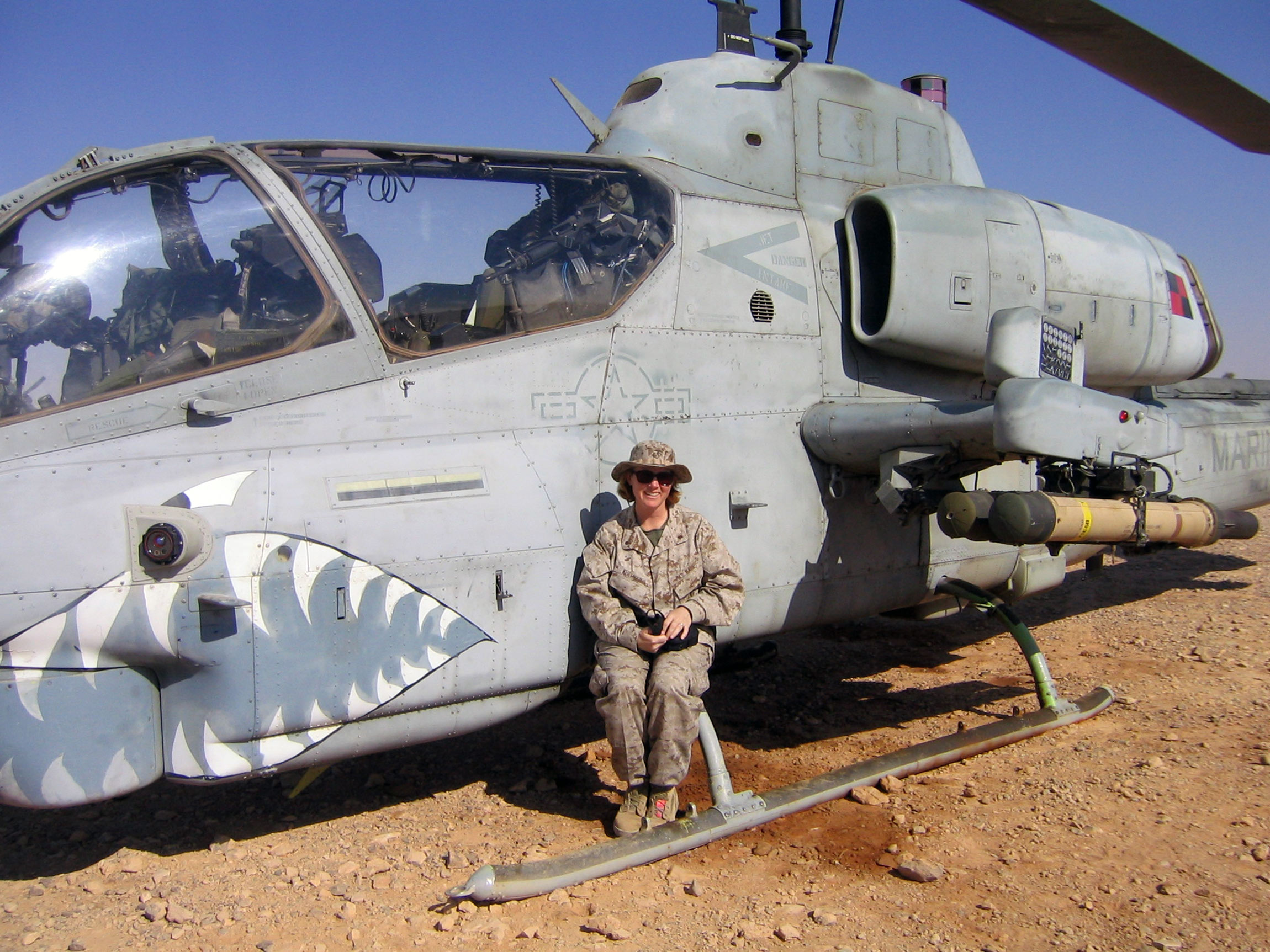
After nearly 34 years in the Navy, I understand personally that leaving uniformed service changes more than a job. Military life gives us structure, identity, shared language, responsibility, and a powerful sense of being part of something larger than ourselves. Transition does not erase the desire for those things. Veterans may need new ways to find them.
The GTW experience was especially meaningful because the Veterans were not passive recipients of a program. They were contributors. They hiked into demanding terrain, worked with hand tools on habitat restoration, supported one another, and became part of a conservation effort larger than themselves. The original GTW concept described precisely that opportunity: to serve again in a way aligned with PHW values while belonging to a community greater than oneself.
Healing is not only about what we help a Veteran move away from. It is also about what we help a Veteran move toward – connection, confidence, contribution, purpose, and hope. There is dignity in being needed. This experience asked something of the Veterans as well as giving something to them, and I believe that reciprocity is profoundly important.
Whole Health: Healing is Larger than Healthcare
My professional life has been spent in military medicine, and that shapes how I see Veteran well-being. Health is not confined to a clinic, a diagnosis, or an appointment. Whole health includes relationships, purpose, physical activity, confidence, time outdoors, meaningful challenge, and the experience of being known and valued by other people.
PHW occupies an important space in that larger continuum. We are not trying to replace healthcare. We create conditions in which Veterans can reconnect – with nature, with skill and accomplishment, with other Veterans, with their communities, and often with parts of themselves that may have become harder to access after service. Some of the most important elements of health cannot be prescribed: belonging, purpose, trust, laughter, challenge, friendship, and the knowledge that someone expects you to come back next week.
Community & Partnership: Veterans Should Not Have to Make the Journey Alone
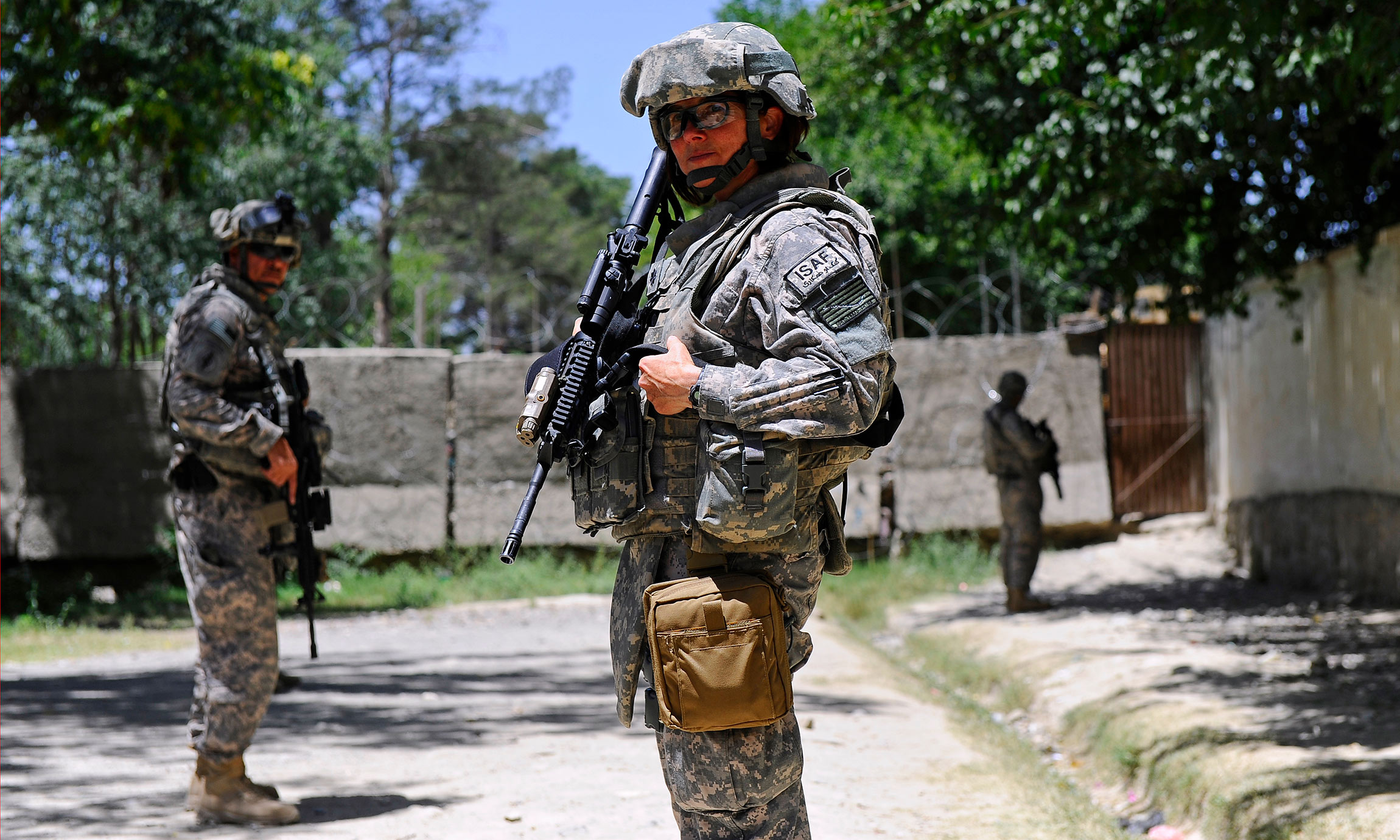
The barbecue also revealed the larger community surrounding the Veterans. The GTW experience depended on an extraordinary network: PHW Martinez leadership and volunteers; Trout Unlimited and the US Forest Service guiding the conservation work; Rock Creek Pack Station contributing pack support; R.L. Winston Rod Company and Scientific Anglers contributing equipment; Tom Nielsen opening his home for the Victory BBQ; and others contributing photography, film, communications, time, expertise, and friendship.
That breadth matters. Veteran well-being is not the responsibility of Veterans alone, nor of any single nonprofit or government system. Strong communities make room for Veterans after service and invite them into meaningful roles within civilian life. Partnerships allow PHW to create experiences that are richer, safer, more ambitious, and more connected than we could create by ourselves. The strongest Veteran communities are not built around Veterans in isolation. They are built when Veterans are fully embraced within communities that see their strengths, welcome their contribution, and choose to stand beside them.
Every donated rod, reel, line, pack service, meal, hour of volunteer time, and open door became part of the same outcome: a Veteran had the opportunity to show up, participate fully, and belong.
Gratitude & Stewardship: Trust That is Tangible
As Chair, I also see generosity through the lens of stewardship. Donors, sponsors, volunteers, and community partners entrust PHW with more than money or equipment. They entrust us with their belief that these resources will reach Veterans in meaningful ways. At the GTW Victory BBQ, that trust was tangible. You could see the result of many contributions gathered around one table: Veterans connected to one another, proud of what they had accomplished, welcomed by a community that was genuinely glad they were there.
That is why gratitude cannot be transactional. The value of sponsorship is not the logo attached to an event; it is what the gift makes possible. Material support equips the Veteran. Volunteer support creates safety and companionship. Financial support creates access. Community hospitality says, in a deeply human way: you matter here. Our responsibility is to honor every gift by converting generosity into mission – into access, connection, purpose, and meaningful experiences for Veterans.
The Challenge Coin: Recognition of Service that Continues
I brought a personal challenge coin from my service as the 26th Director of the US Navy Nurse Corps. In military culture, a challenge coin is small, but what it represents can be enormous: belonging, recognition, shared identity, gratitude, and respect. Presenting a coin in this setting was deeply personal to me because I wanted the Veterans to know that I saw more than the accomplishment of completing a remarkable trip. I saw continued service.
The philosophy carried on that coin – Lead, Learn, Love – was shaped during my Navy service, but its meaning reaches well beyond uniform. Leadership can be service to another person. Learning requires openness to new experiences and to one another. Love, in its most durable form, is the decision to care enough to show up and act. Those ideas were present throughout the GTW experience. The coin was a small symbol for a much larger message: I see your service, I honor what you have done, and I value what you continue to give.
What I Saw PHW Doing: In Action
There are moments when an organization’s mission statement becomes something you can actually see. For me, the Victory BBQ was one of those moments. Veterans had returned from a week of demanding backcountry work and fishing. Volunteers and partners had helped make the experience possible. Families and friends gathered around them. Stories were already becoming shared memory. The welcome home mattered.
I often describe PHW in terms of restoration, resilience, community, and lasting connection. In Bishop, those words were not abstractions. They were sitting around the table. That afternoon gave me tremendous hope because it showed the mission working the way it should: locally, personally, through relationships – and strengthened by a national community committed to making those relationships possible.
Closing Thought for Veterans Day
Veterans Day should honor service in the past tense, but it should also recognize service in the present tense – the ways Veterans continue to lead, contribute, mentor, restore, and strengthen their communities.
Veterans Day is an appropriate moment for this story because remembrance alone is not enough. Gratitude for military service should be accompanied by a continuing commitment to Veterans after that service ends. The question is not simply whether we thank Veterans for what they have done. It is whether we help create communities in which they can continue to find meaning, connection, challenge, joy, and purpose.
The best way to honor service is to remain in service to one another. My hope for every Veteran who encounters Project Healing Waters is simple: that they find a place where they are known, valued, challenged, supported, and reminded that their story and their service are still unfolding.
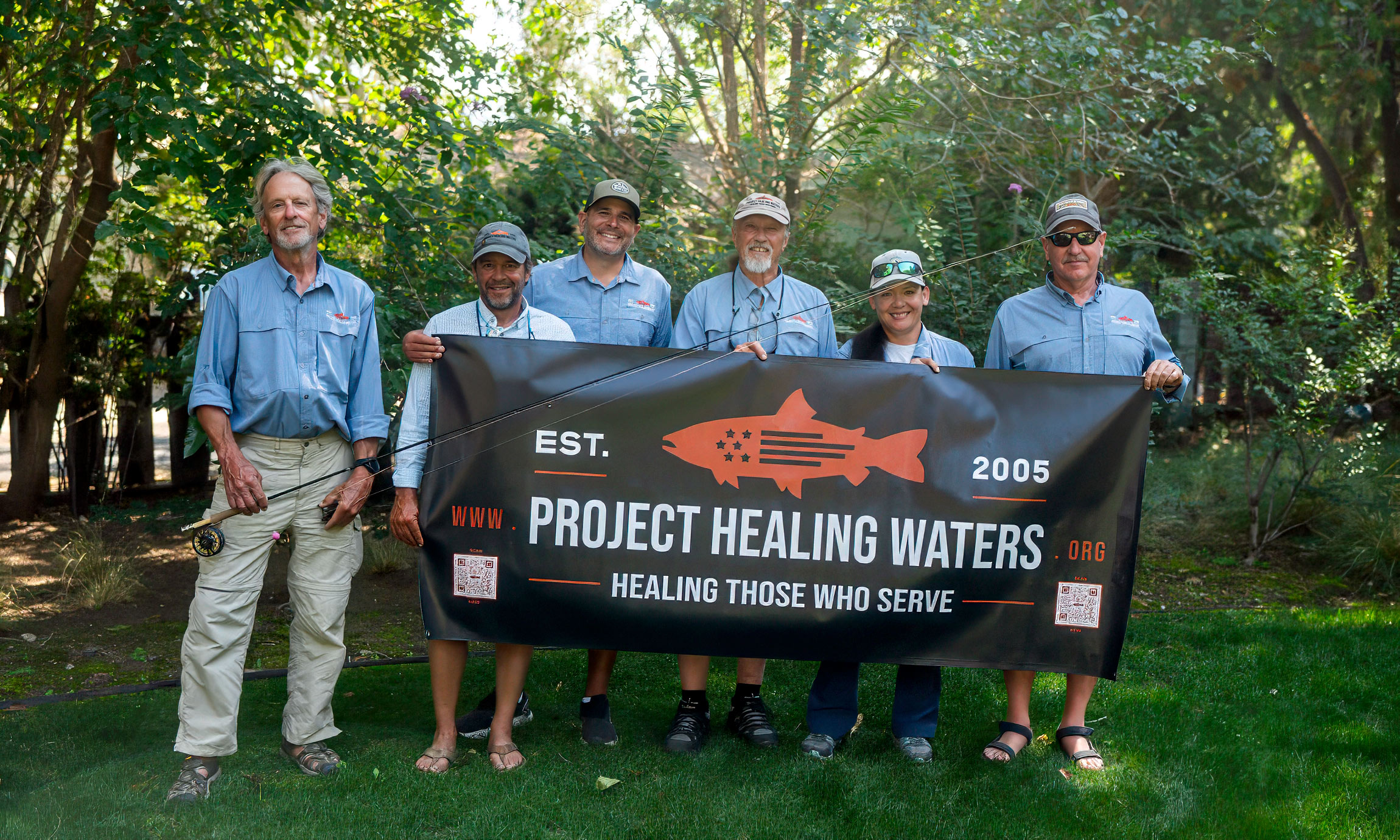
If you would like to learn more about Project Healing waters and become involved as a Veteran participant or volunteer, please visit: https://projecthealingwaters.org.