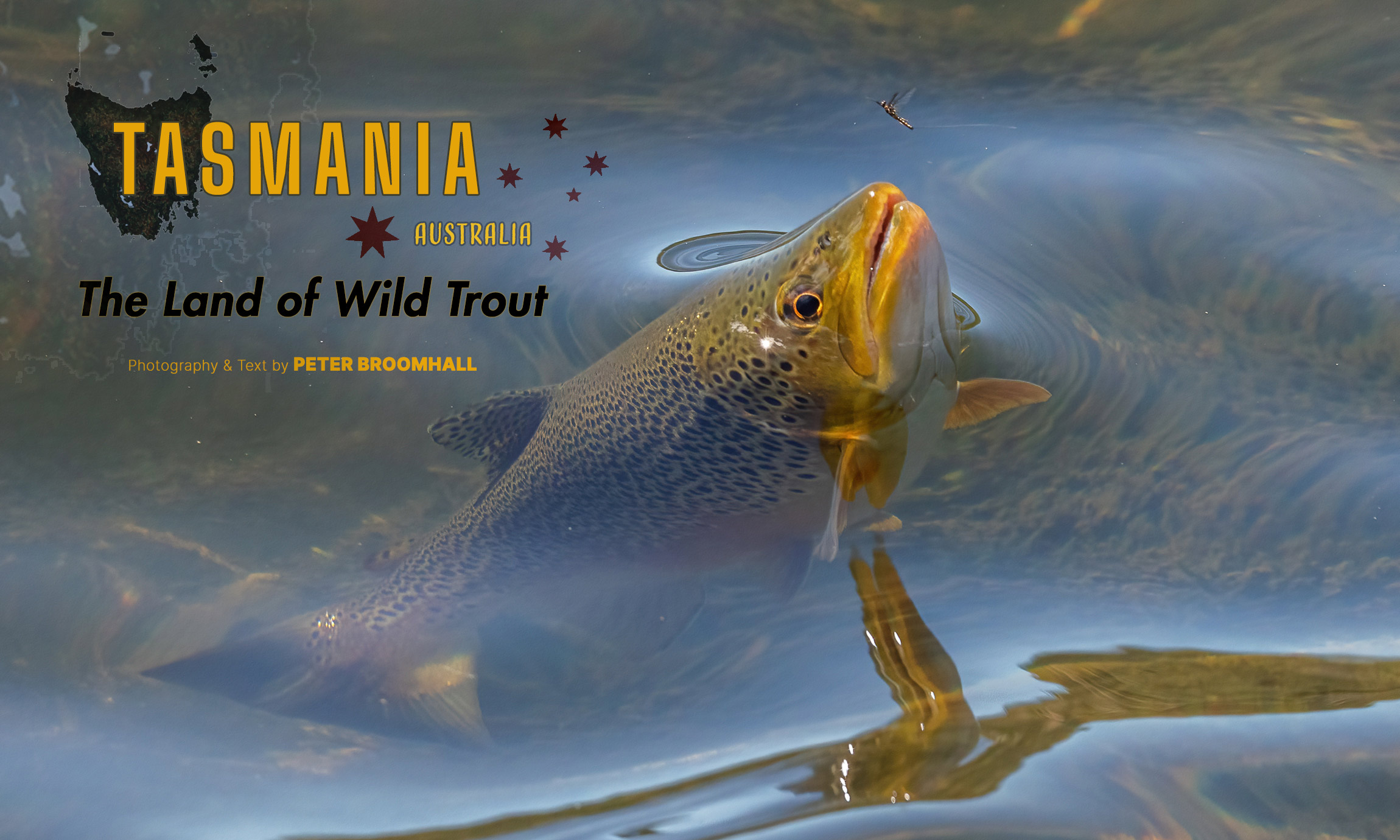
Tasmania’s trout fisheries are shaped by far more than the fish themselves: native prey, shifting weather, wild landscapes and distinctive wildlife combine to create one of the world’s most compelling sight-fishing environments.
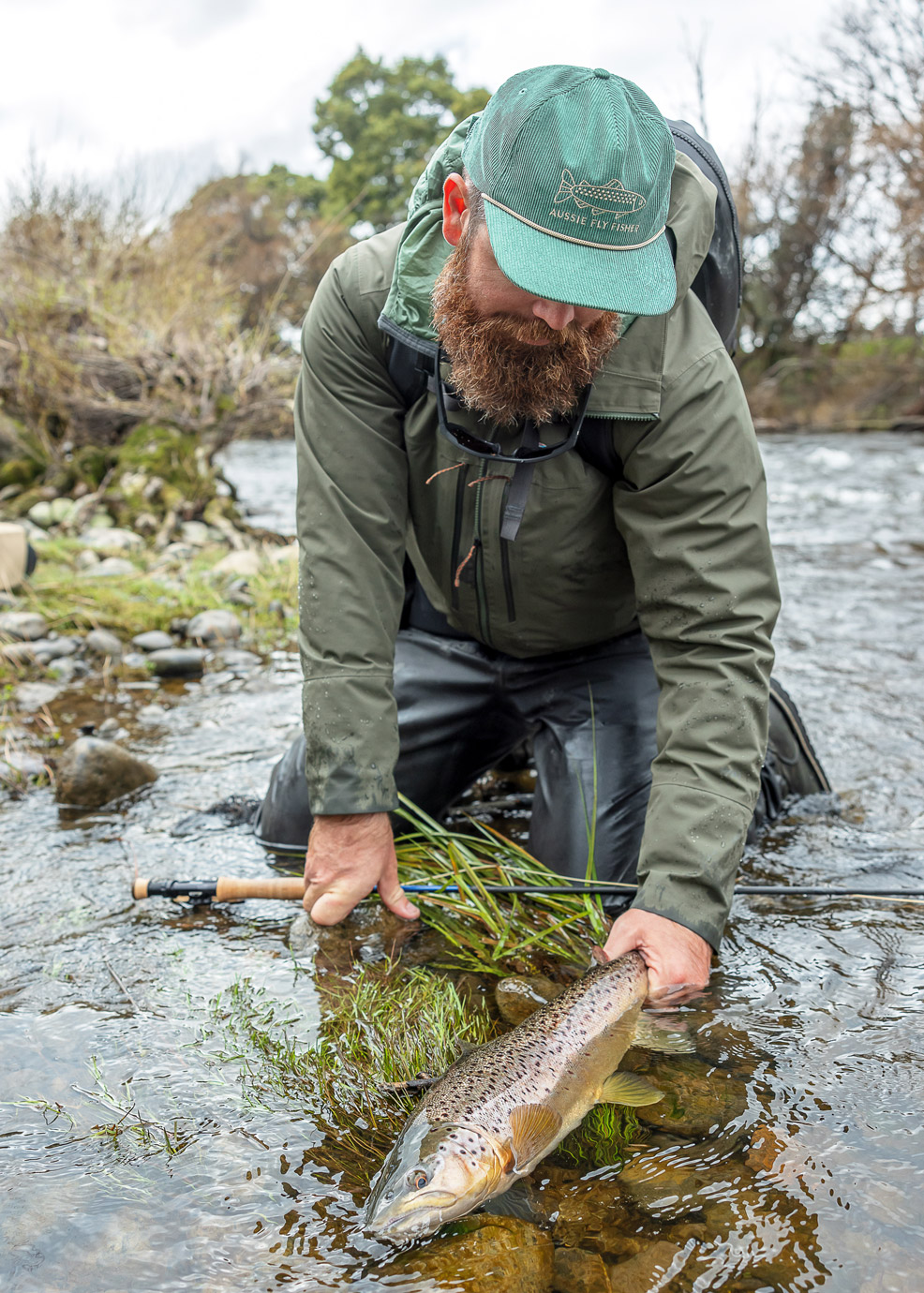
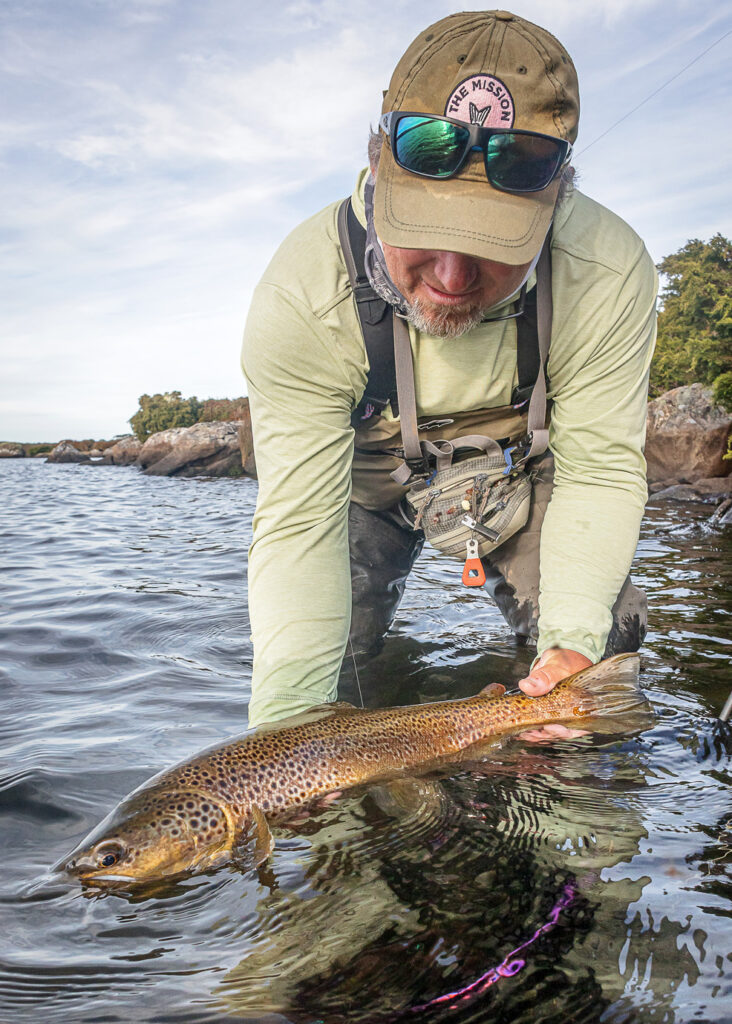
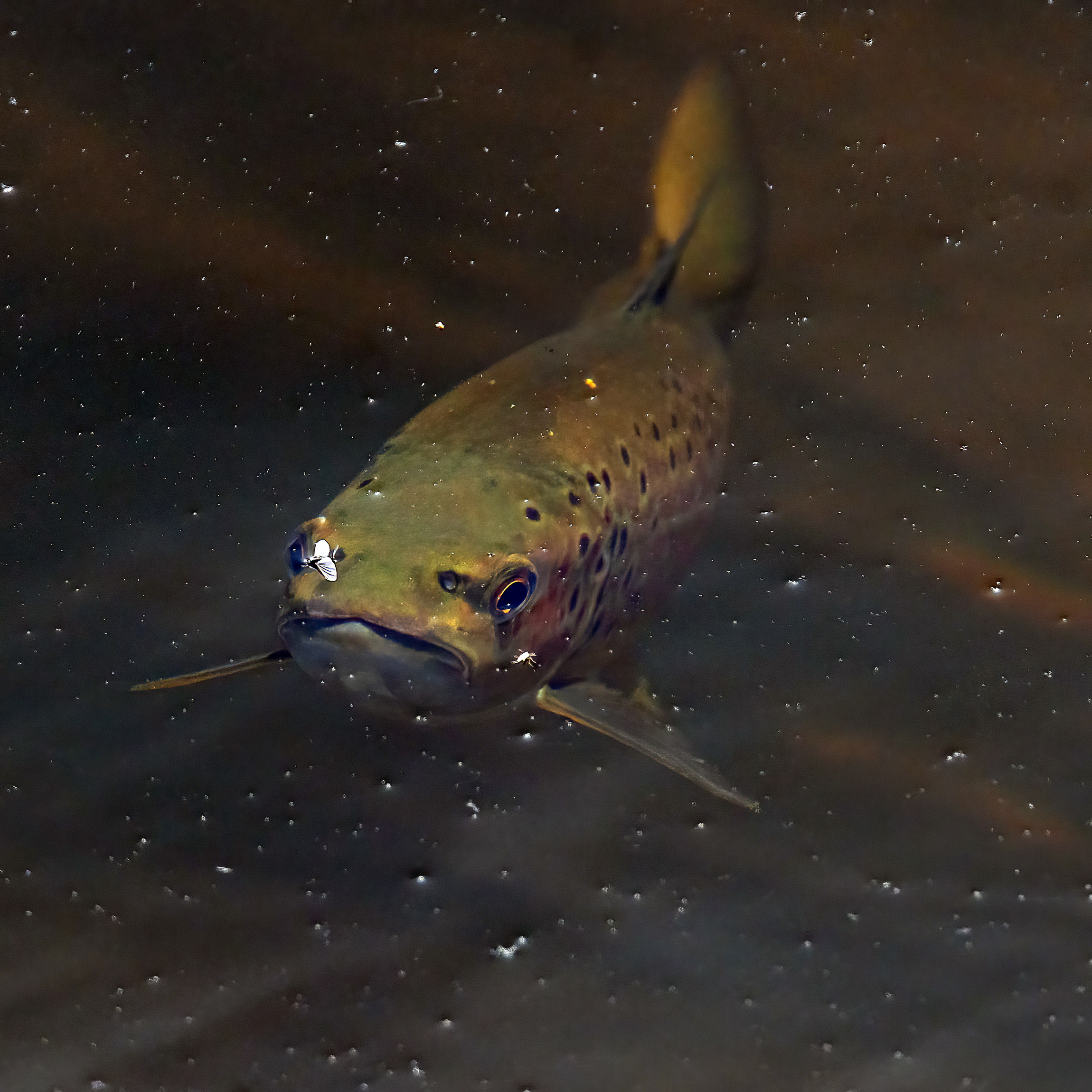
Australia’s southern island state has some of the finest sight fishing for wild brown trout on the planet. The trout, although not indigenous to the island, have over 162 years and counting acclimatized perfectly to the multitude of streams, rivers and lakes and lagoons dotted across the land. From estuarine streams and flowing rivers and lowland still waters right through to the highland wilderness areas and man-made hydro storage dams, the brown trout have found a perfect environment in which to flourish all across the island. At the top end of the freshwater aquatic food chain, they are the absolute kings of their environment.
When I think of Tasmanian fly fishing, I see an extraordinary range of sight fishing opportunities: estuarine trout crashing through whitebait schools; fish tailing over flooded backwaters for worms and grubs; trout hunting spawning frogs in springtime highland marshes; and classic tailing fish feeding on phreatoicids, nymphs and snails across shallow lake margins.
The season also brings mayfly feeders slurping duns or leaping for spinners, cruising trout in wilderness tarns, willow-grub and grasshopper feeders in summer streams. Plus, who could forget late-season fish hunting adult galaxias as they migrate downstream to spawn in the rivers? With so many possibilities, I will focus on two favourite parts of the Tasmanian fishing year.
Whitebait hunters
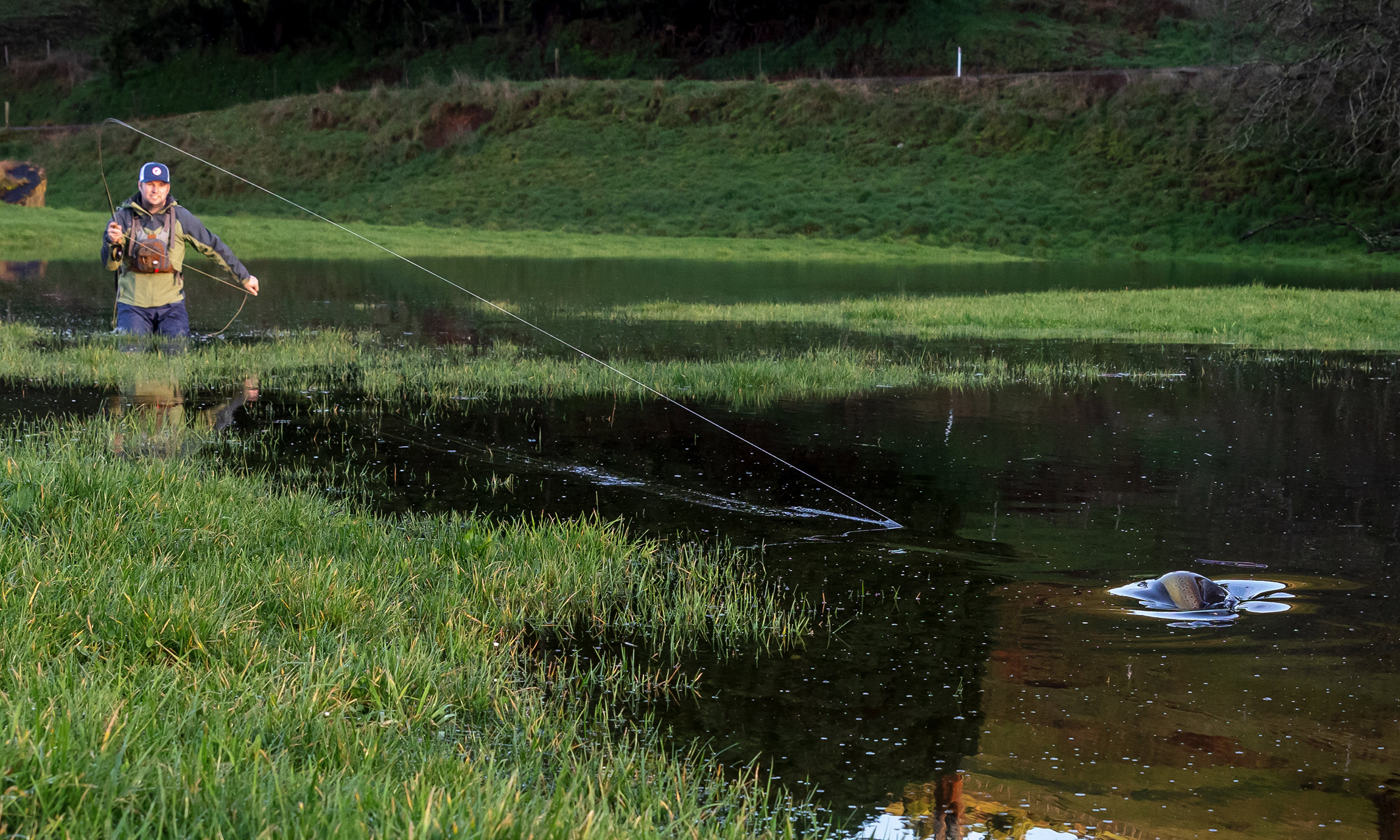
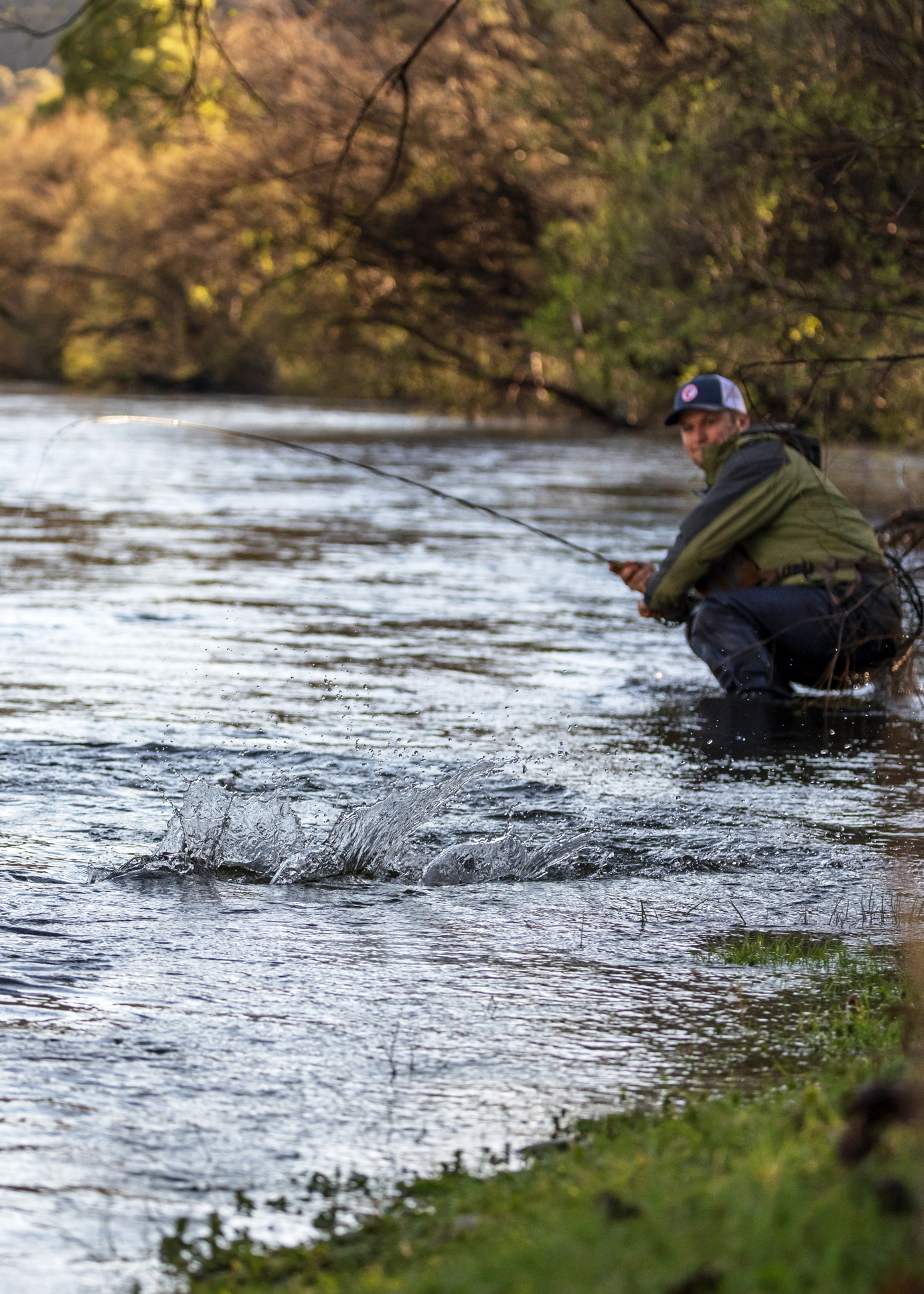
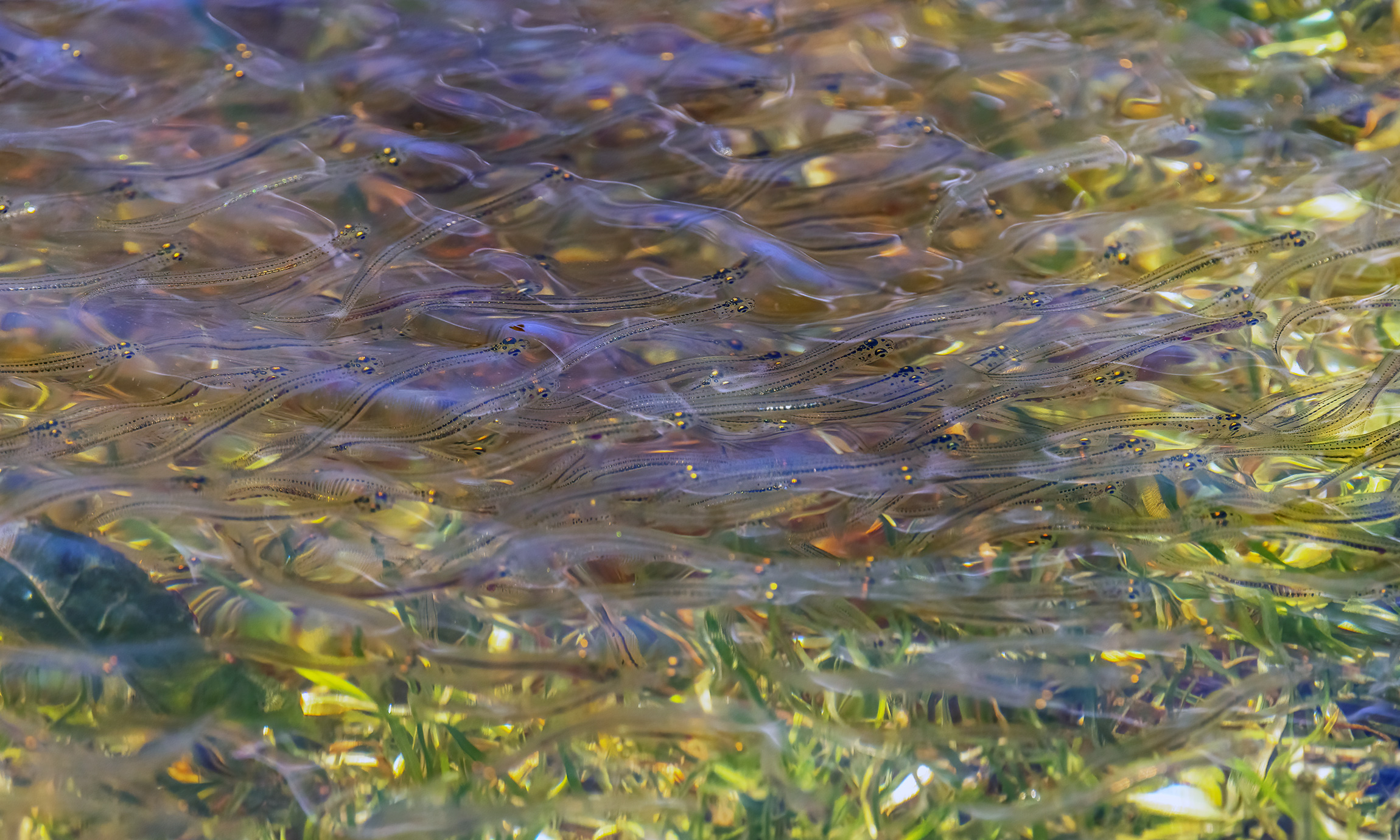
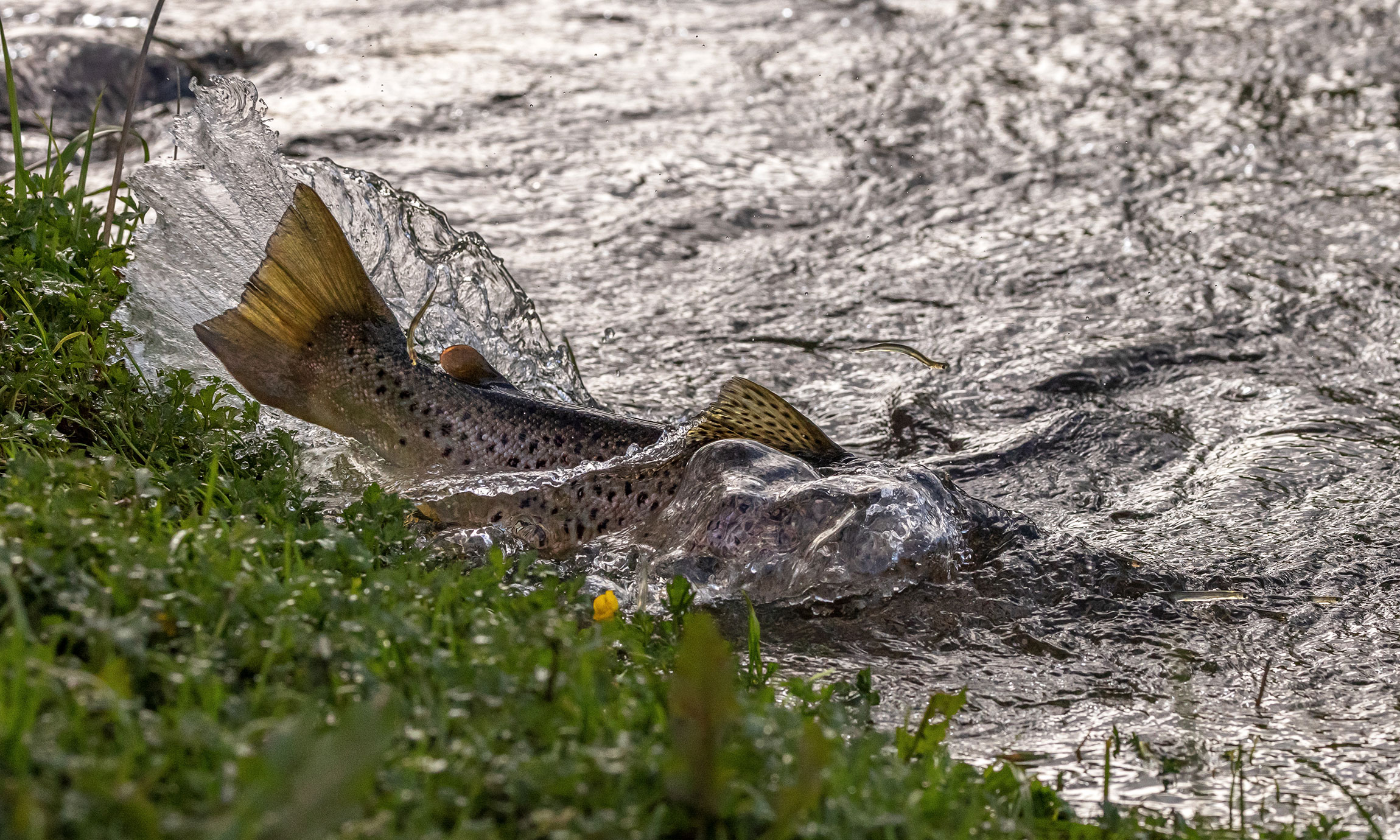
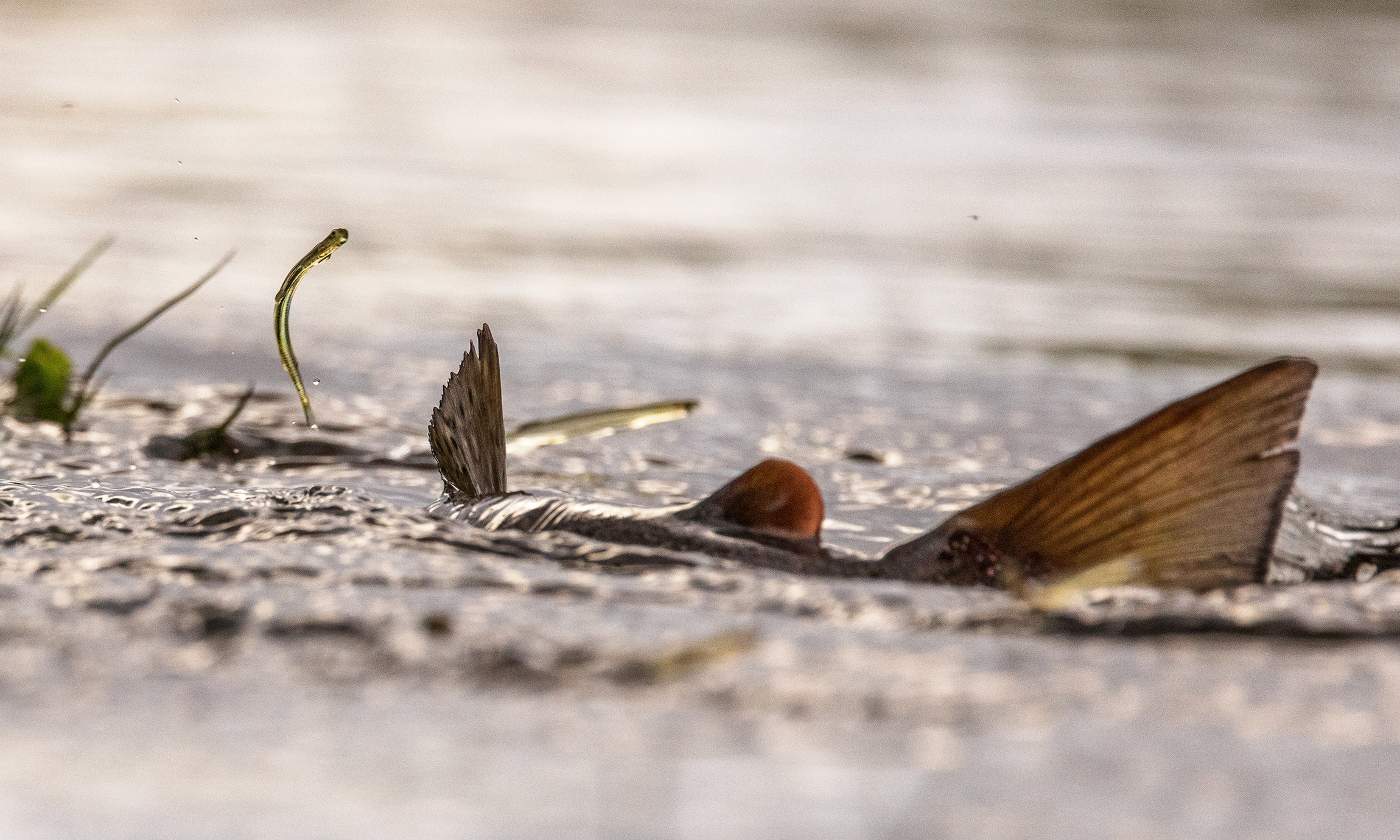
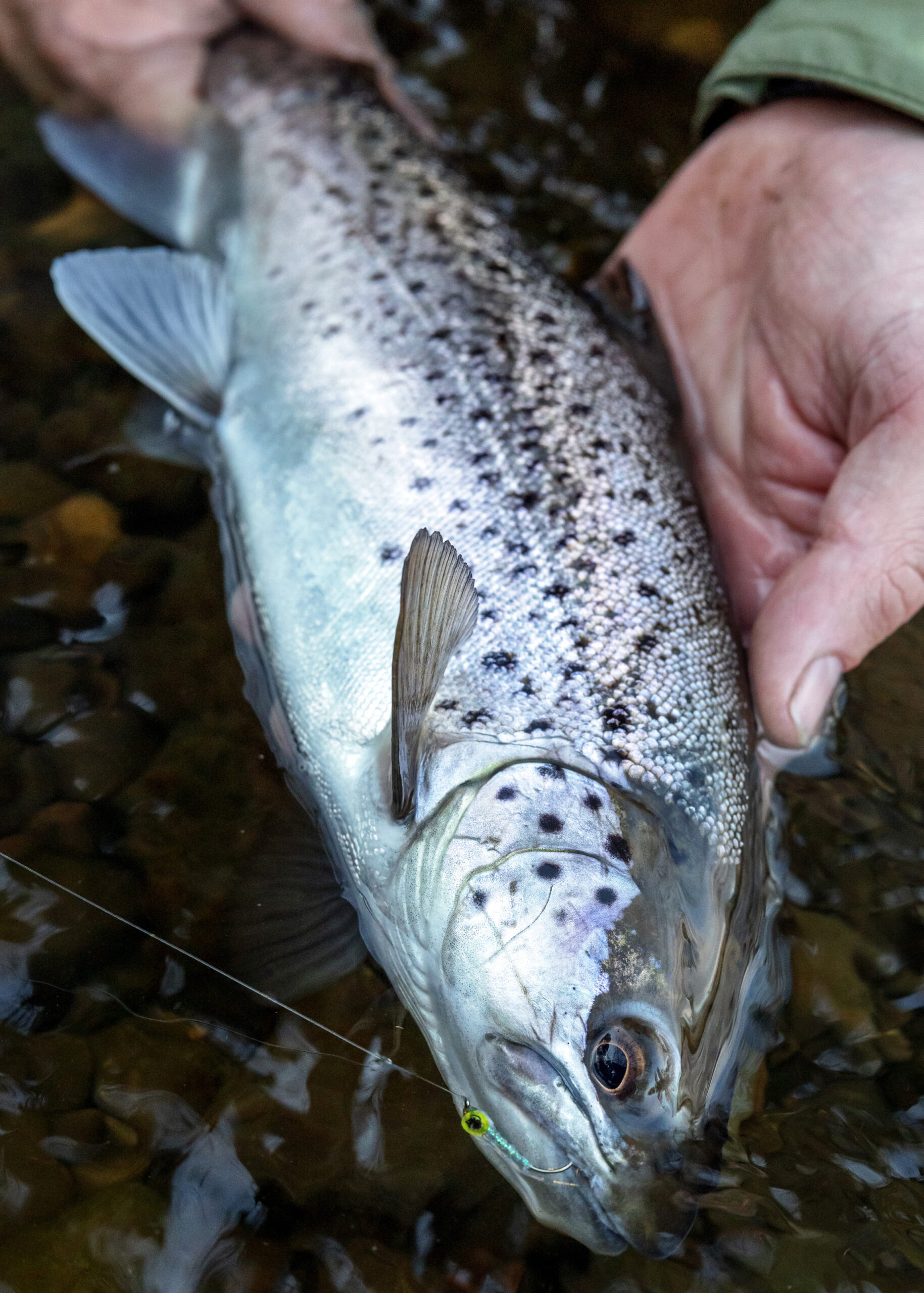
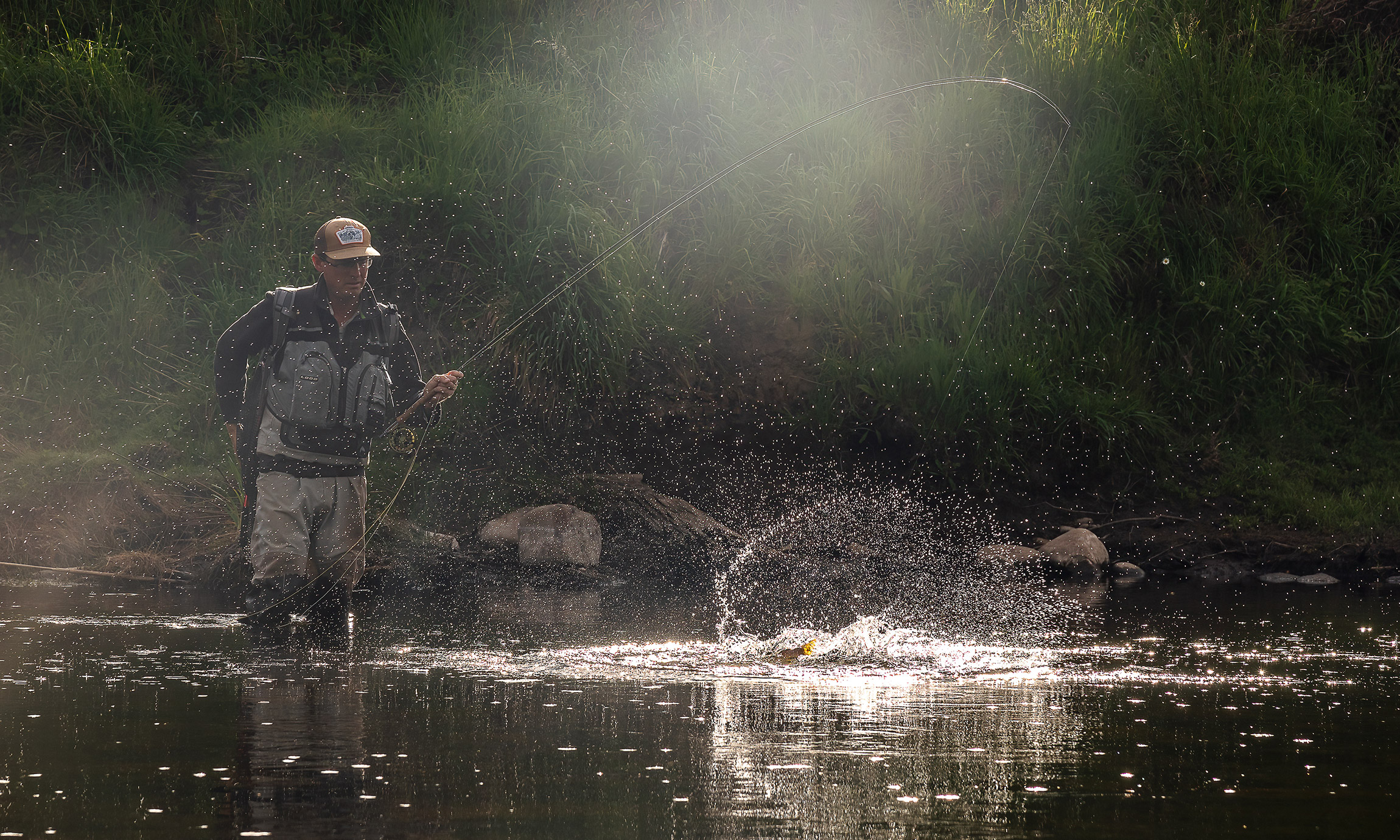
One of the finest sight fishing occurrences is taking on the trout that are hunting for whitebait in the estuarine and lower freshwater reaches of the rivers around the state. The whitebait these days are primarily juvenile jollytail galaxias, a small native fish that exist in the rivers by the millions. The adult jollytails spawn in the brackish estuarine areas in autumn. Then the slender, almost transparent, juveniles migrate back up the river in vast schools during springtime to repopulate the river systems. The trout, both resident and sea-run variety, are waiting for this migration eagerly. Watching tiny baitfish spray out of the water, and then the bash and crash of the frantic trout, is an exhilarating experience.
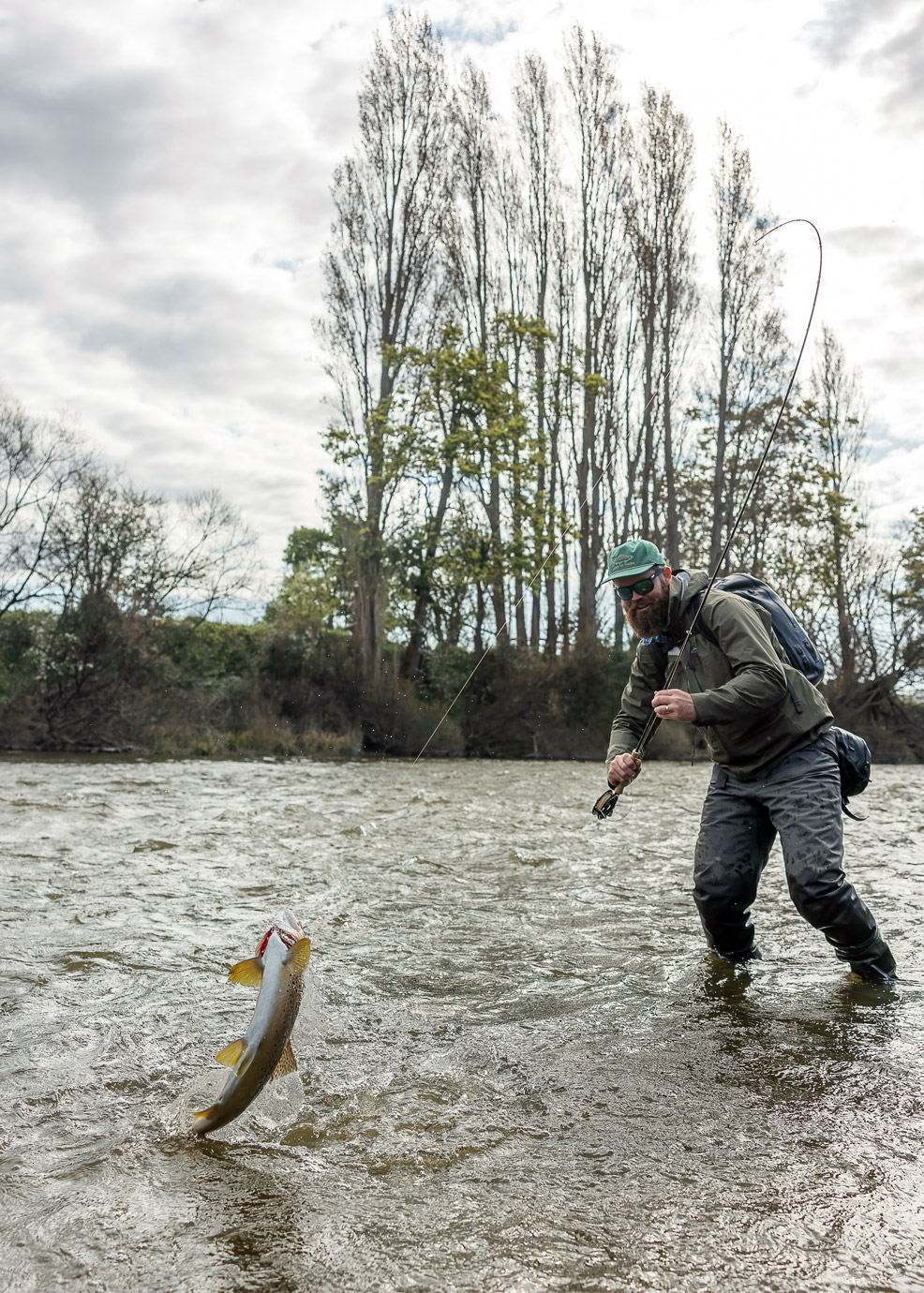
These trout often feed closely together, grouping up at the top of ripples and faster sections of the streams. Here the baitfish are schooled up, taking a break from their exertions. All of this action unfolding right in front of the angler can often make a great caster look more like a beginner due to the adrenaline build up. Holding your nerve and making your cast at exactly the right time is paramount in undoing some of these bright silver, muscled-up browns.
In the case of weather, the only real significance to worry about is flood water that stalls the migration. At this time, the bait head for cover. So do the trout, to a major degree.
The Land of a Thousand Lakes
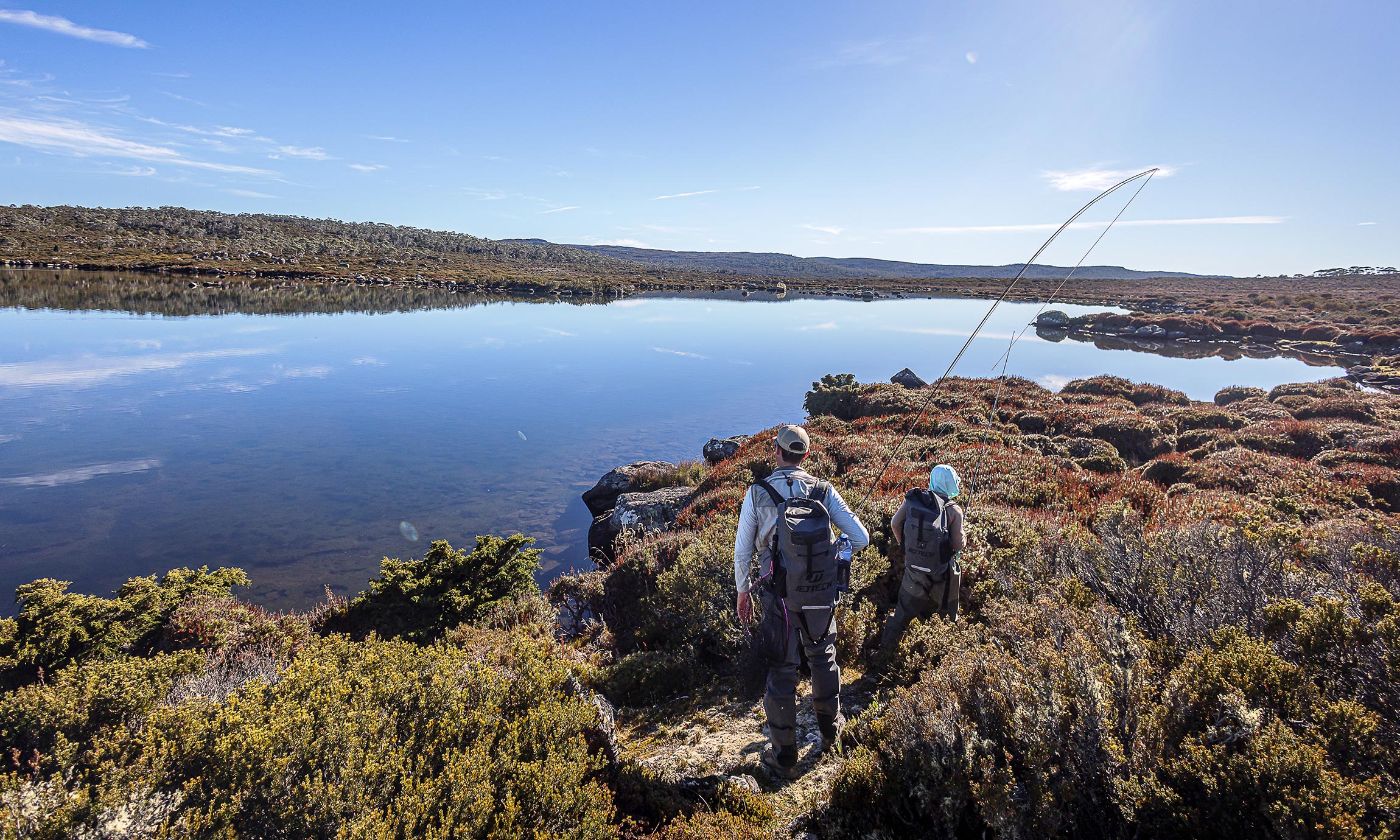
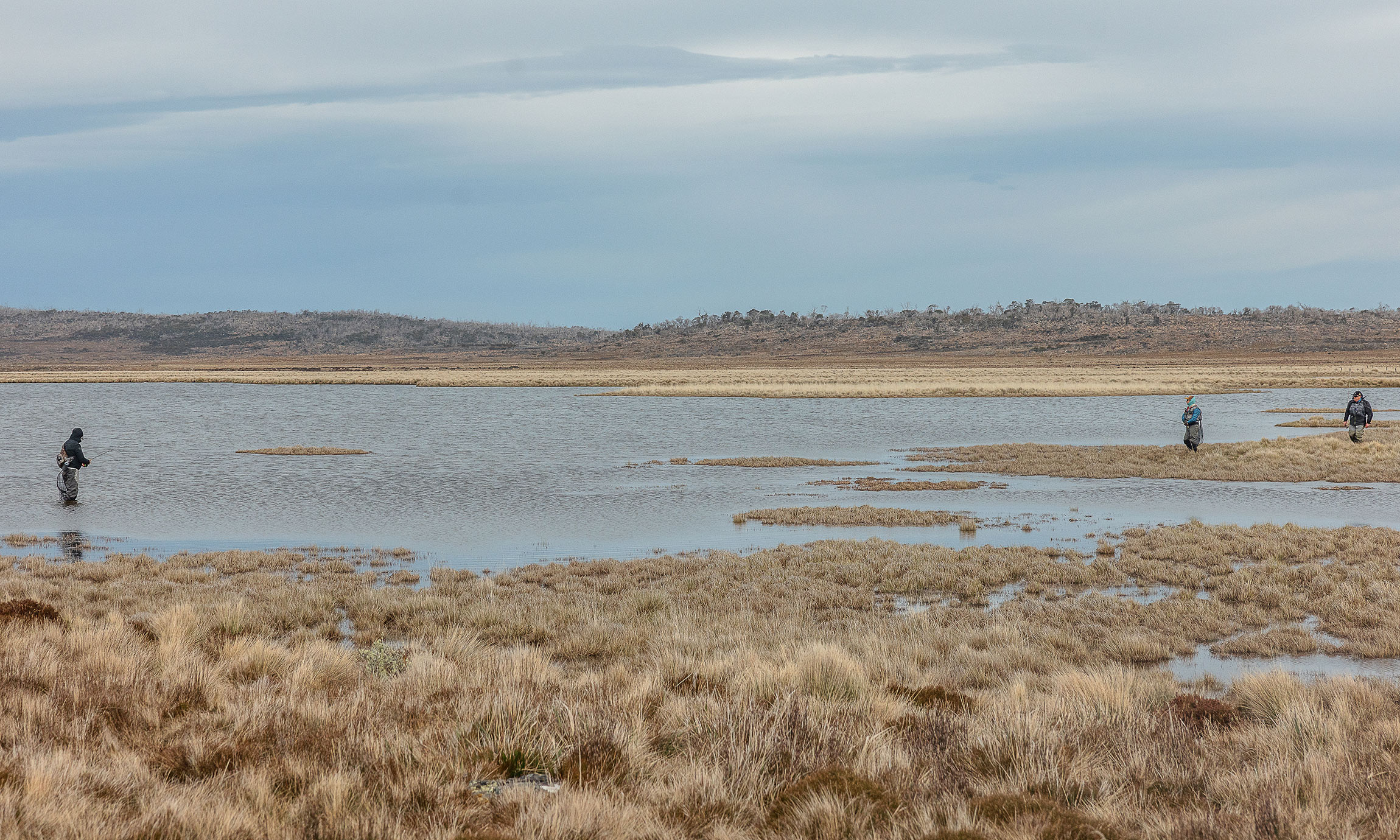
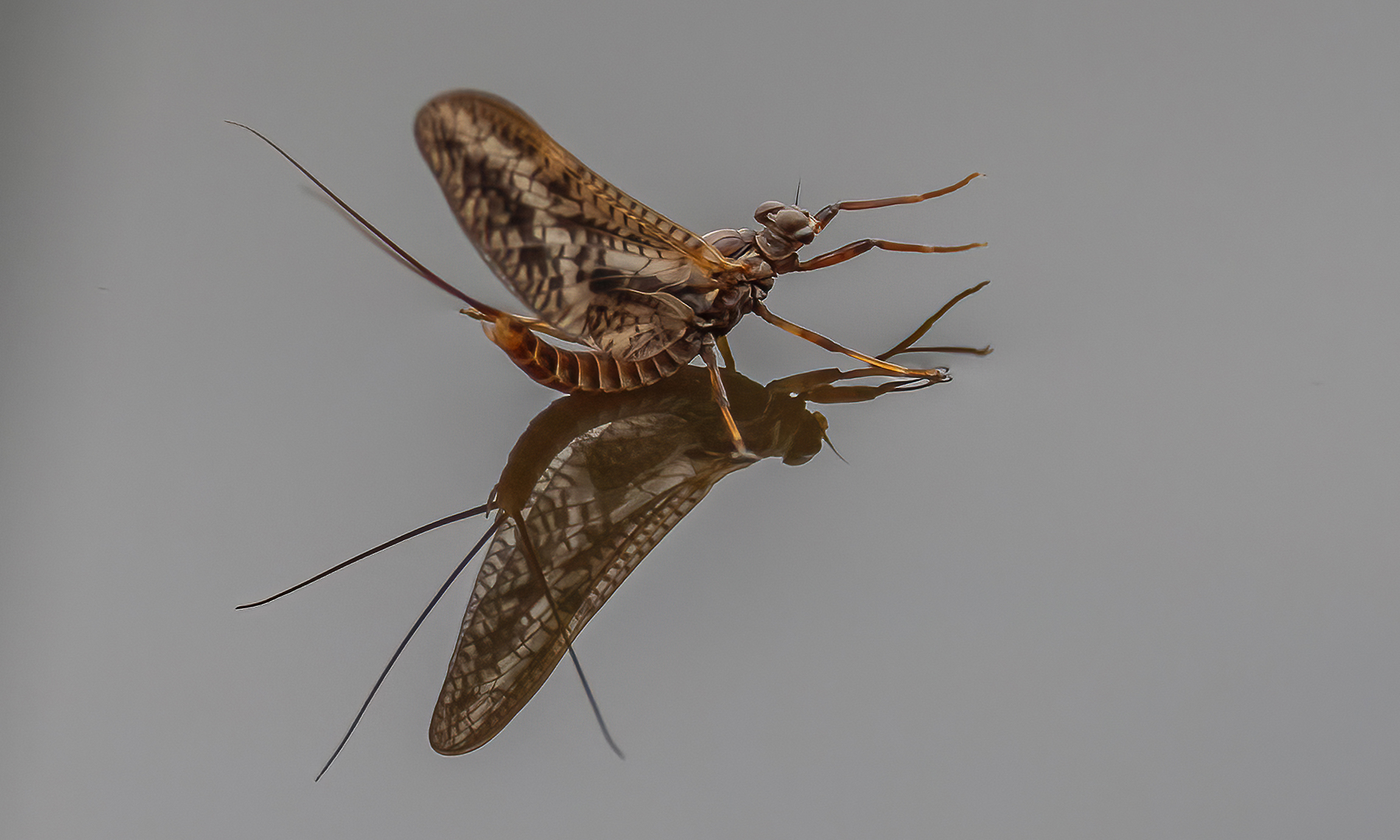
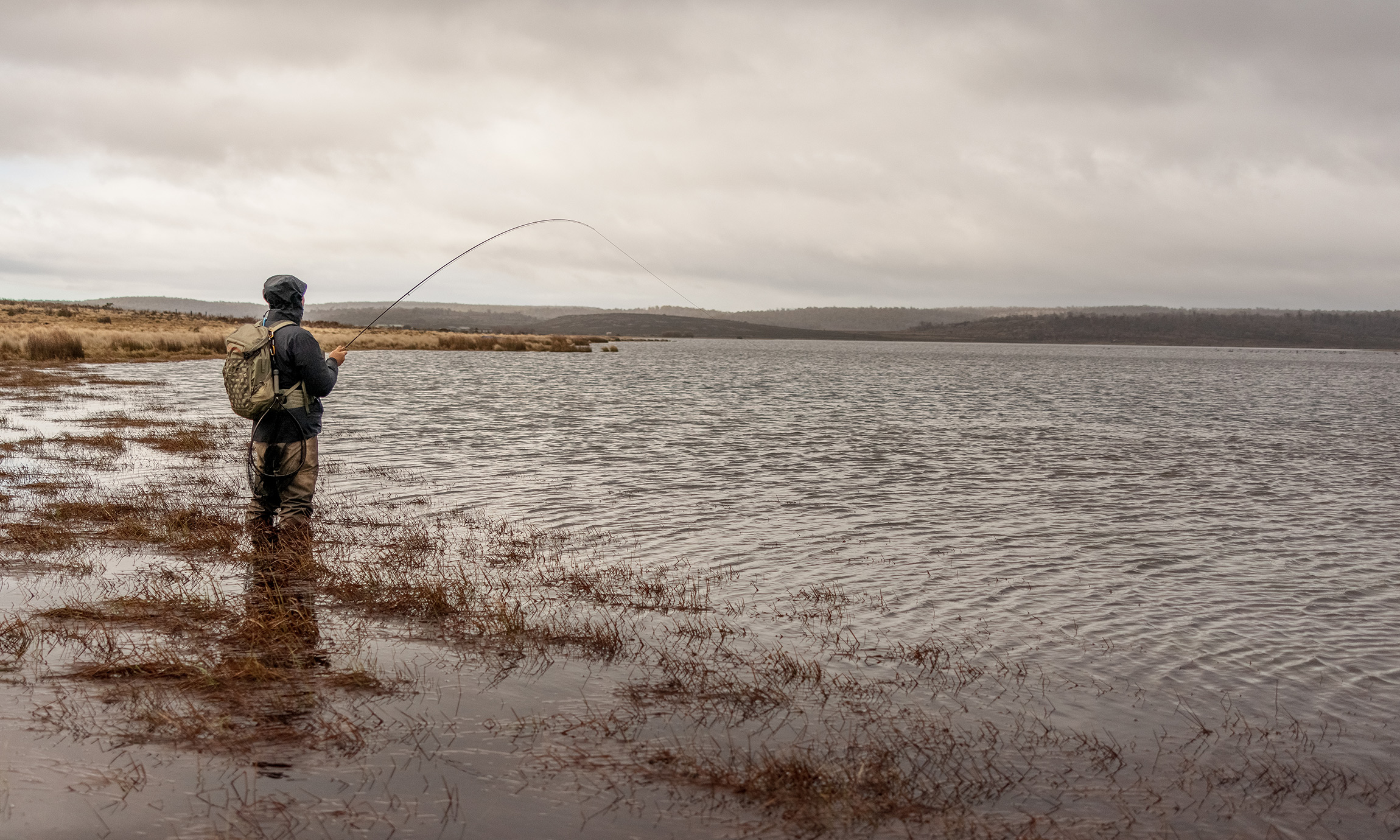
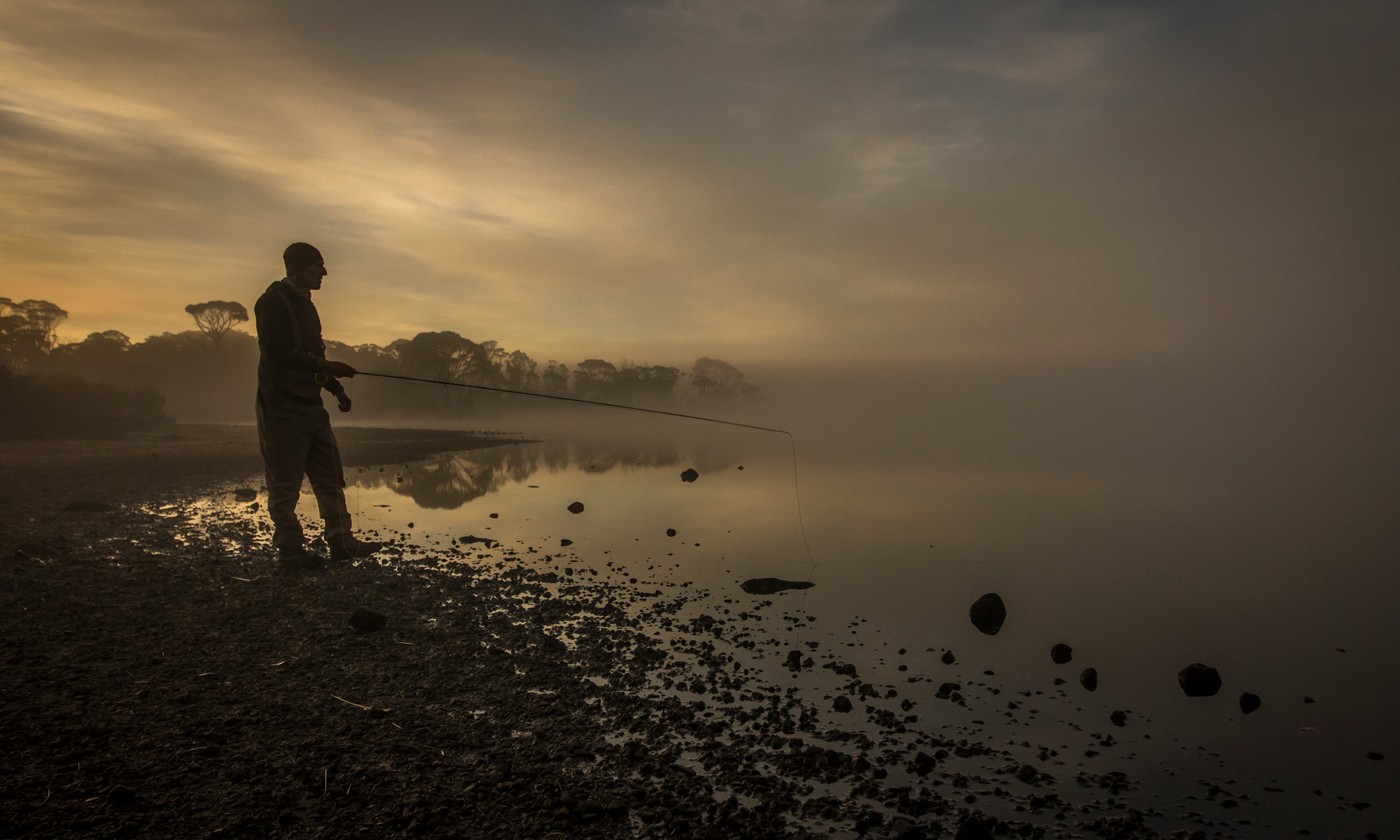
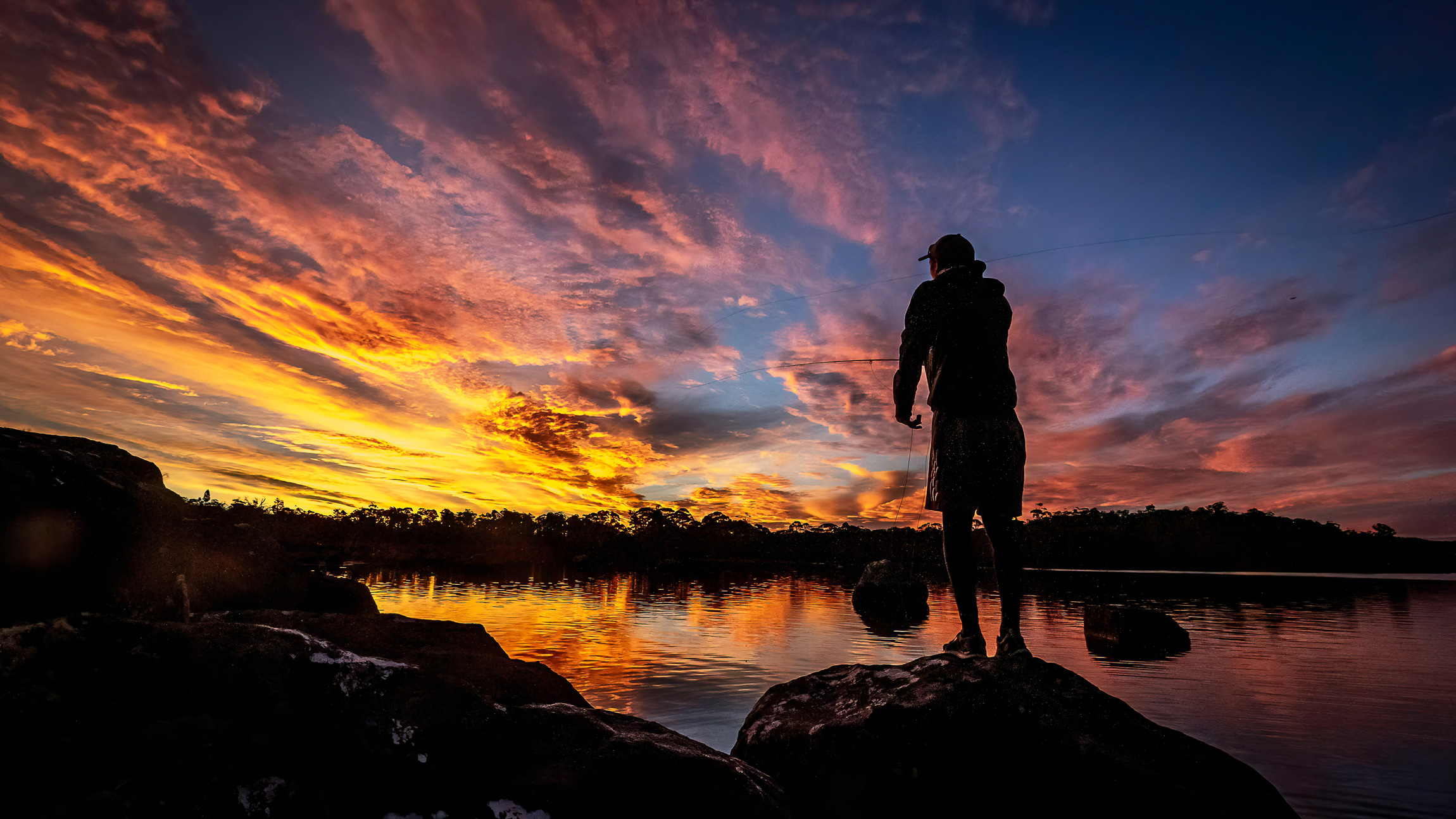
Another favourite Tasmanian fly-fishing experience is venturing into the area locally known as the Western Lakes, or the “Land of a Thousand Lakes”. Roughly the size of Yellowstone National Park, this virtually trackless wilderness stretches across the Central Plateau. A few roads reach its margins, but beyond them, cross-country hiking is the only way to find the prize. True to its name, the region is covered in water: lakes, lagoons and tarns lie beyond almost every rise, and most hold trout. Shallow, silt bottomed waters dominate, making it a remarkable place to wade on a warm, blue-sky summer’s day. The food source that creates the greatest interest is the black spinner mayfly.
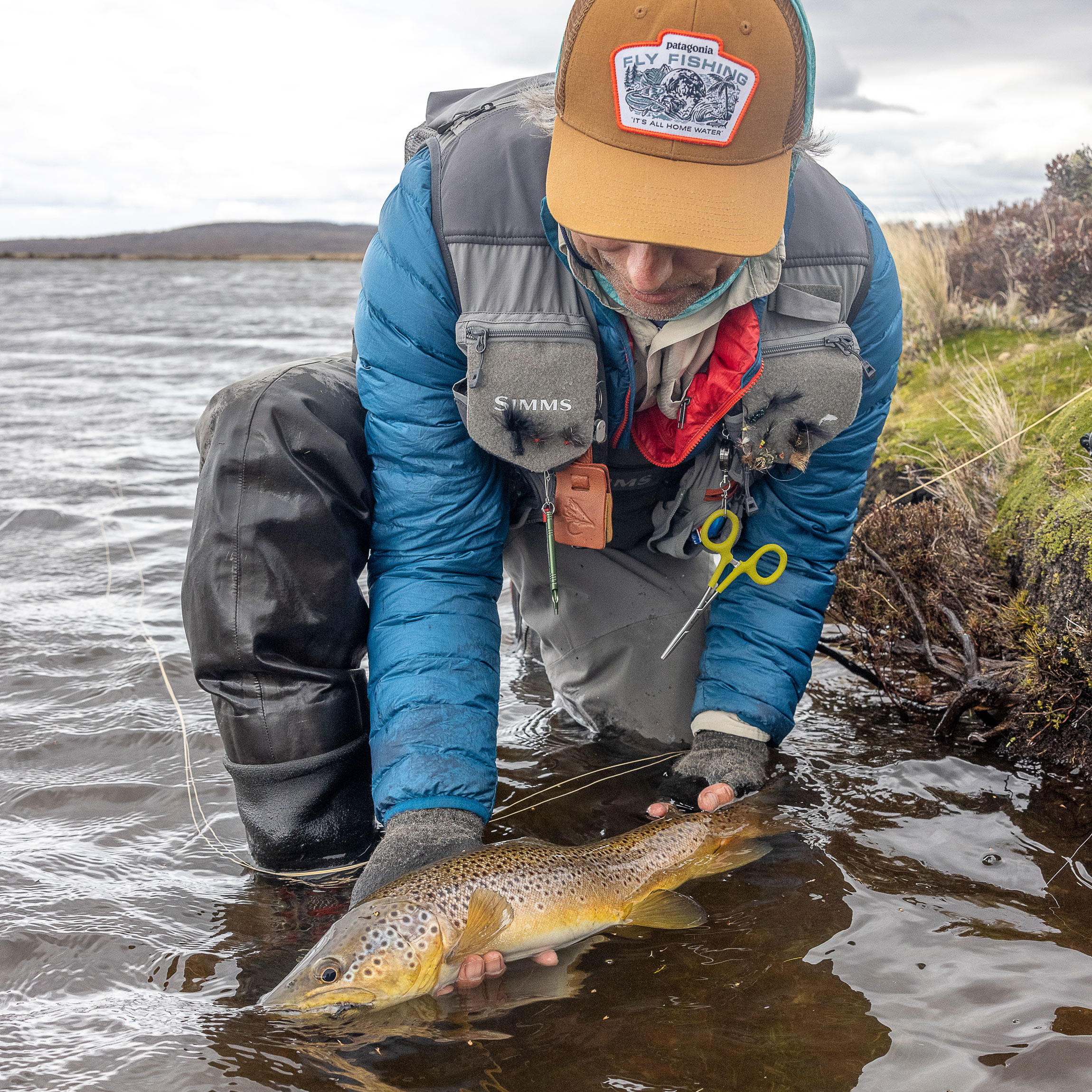
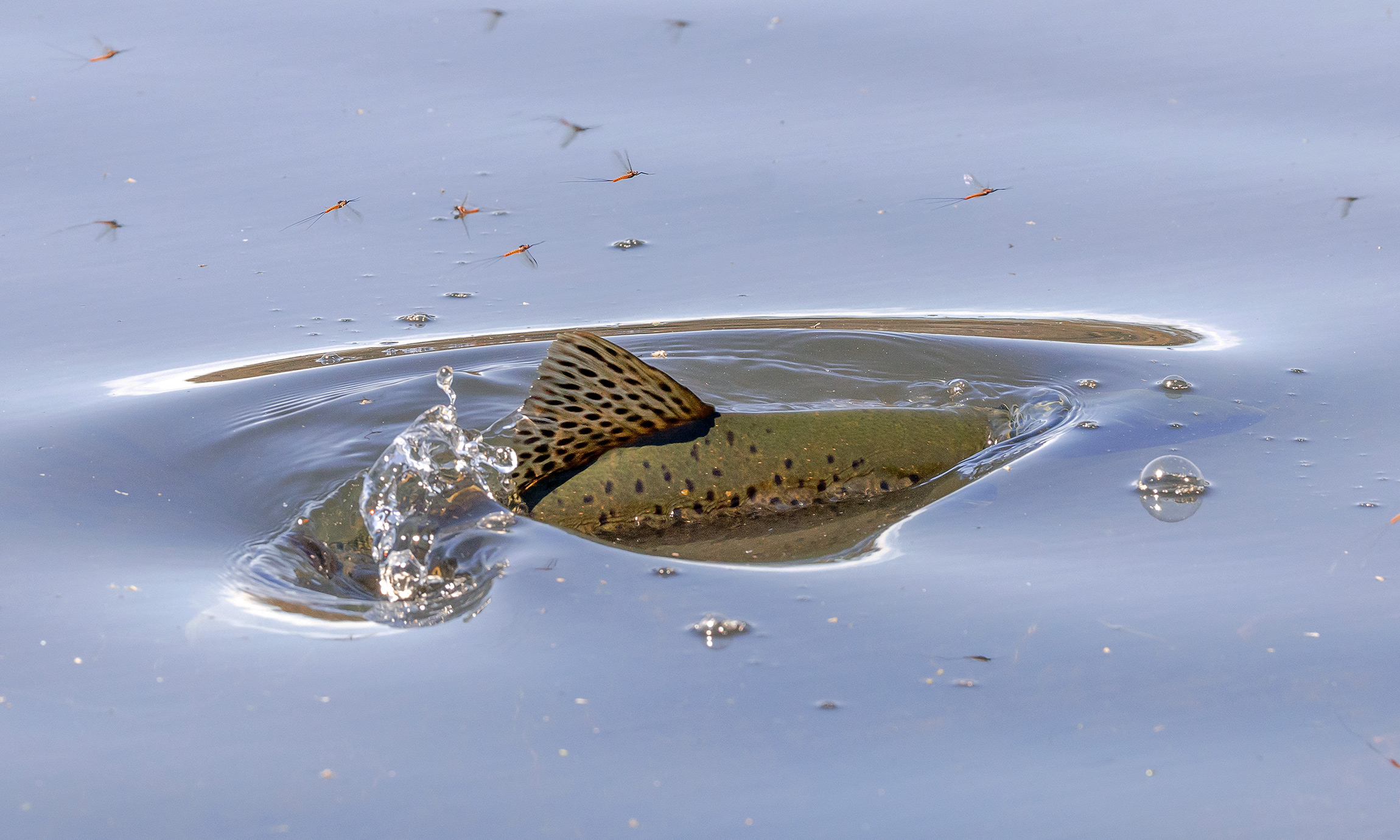
These diminutive insects begin appearing around Christmas and remain until the trout season ends in late April, prompting resident brown trout to feed intensely on the nymph, dun and spinner stages. Watching trout leap for adult spinners is a treat, particularly because some of these fish are large. This is trout hunting in its purest form, with anglers often choosing to cast only after spotting a fish. Other important food sources include caddisflies, stoneflies such as the giant stonefly, and galaxias.
The highland weather plays a big part out on the plateau, with visitors often yearning for a calm cloudless blue sky day. In reality, it’s often the opposite, with the wind almost a constant factor up at 1200 metres altitude. Don’t let the wind affect your mentality though, as often the windier days are the most productive while the trout almost throw their caution away.
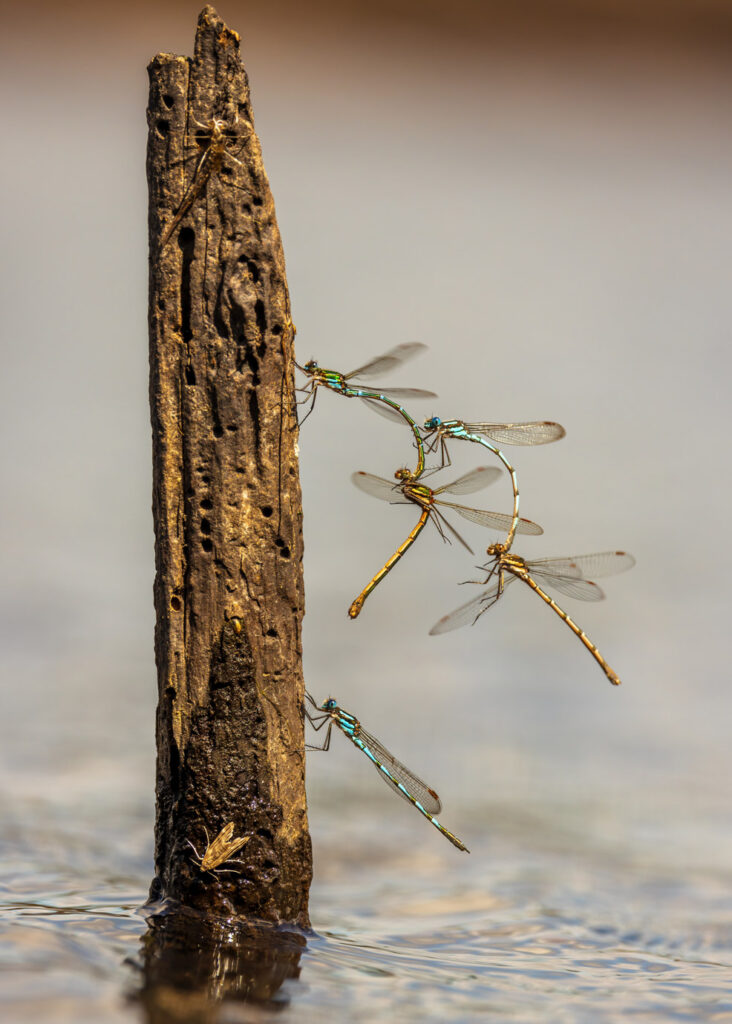
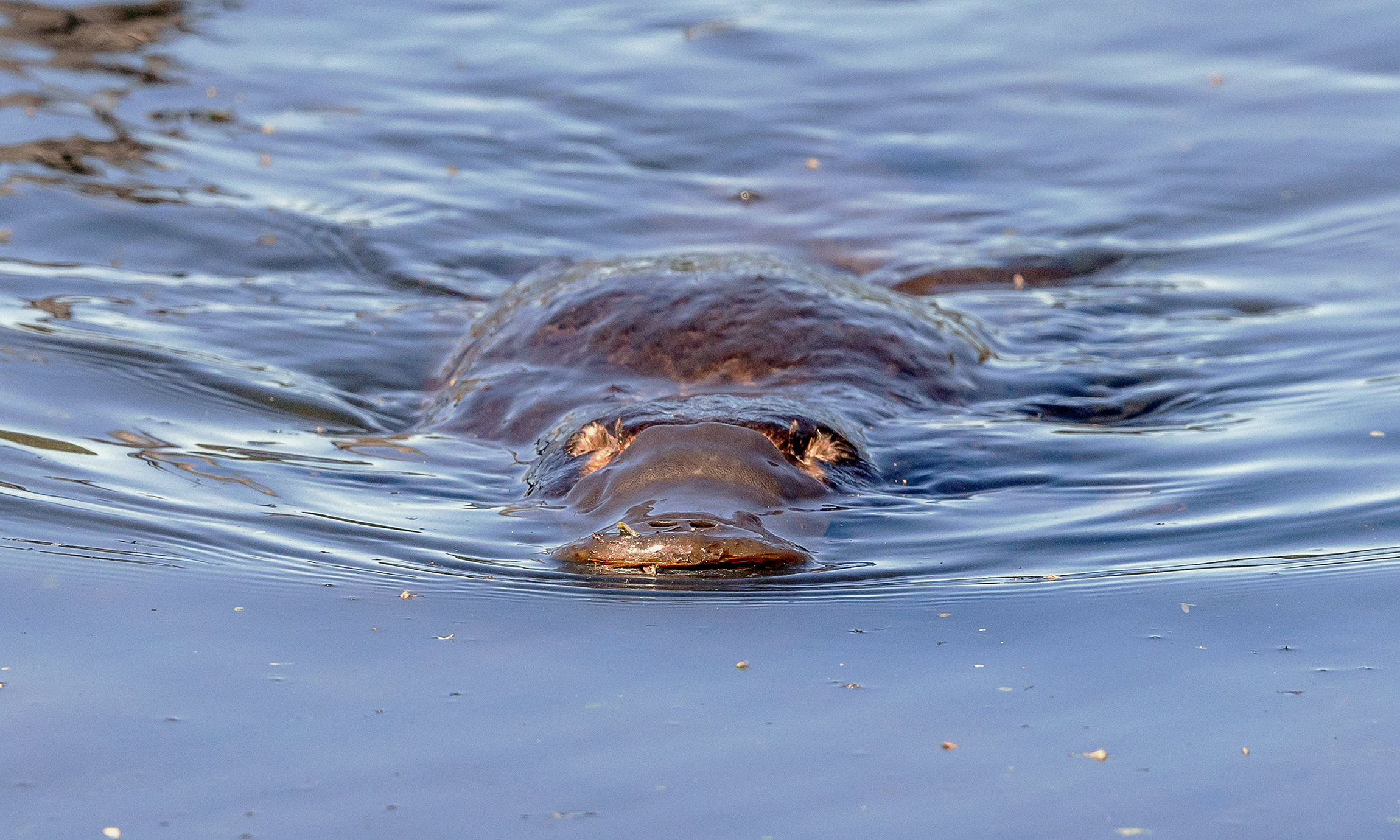
Another major part of the experience out in the western lakes and across the central plateau is the animal and bird life. While the majority of Tasmania’s native animals are essentially nocturnal in habit out here in the wilderness zone, it’s remarkably familiar to see wallabies, wombats, echidna and the rather unbelievable platypus going about their business.
Even rarities like Tasmanian devils and quoll’s will often make an appearance during the daylight hours. Wedgetail eagles are the kings of the sky out here as well, with visitors often getting a glimpse of these magnificent birds of prey.
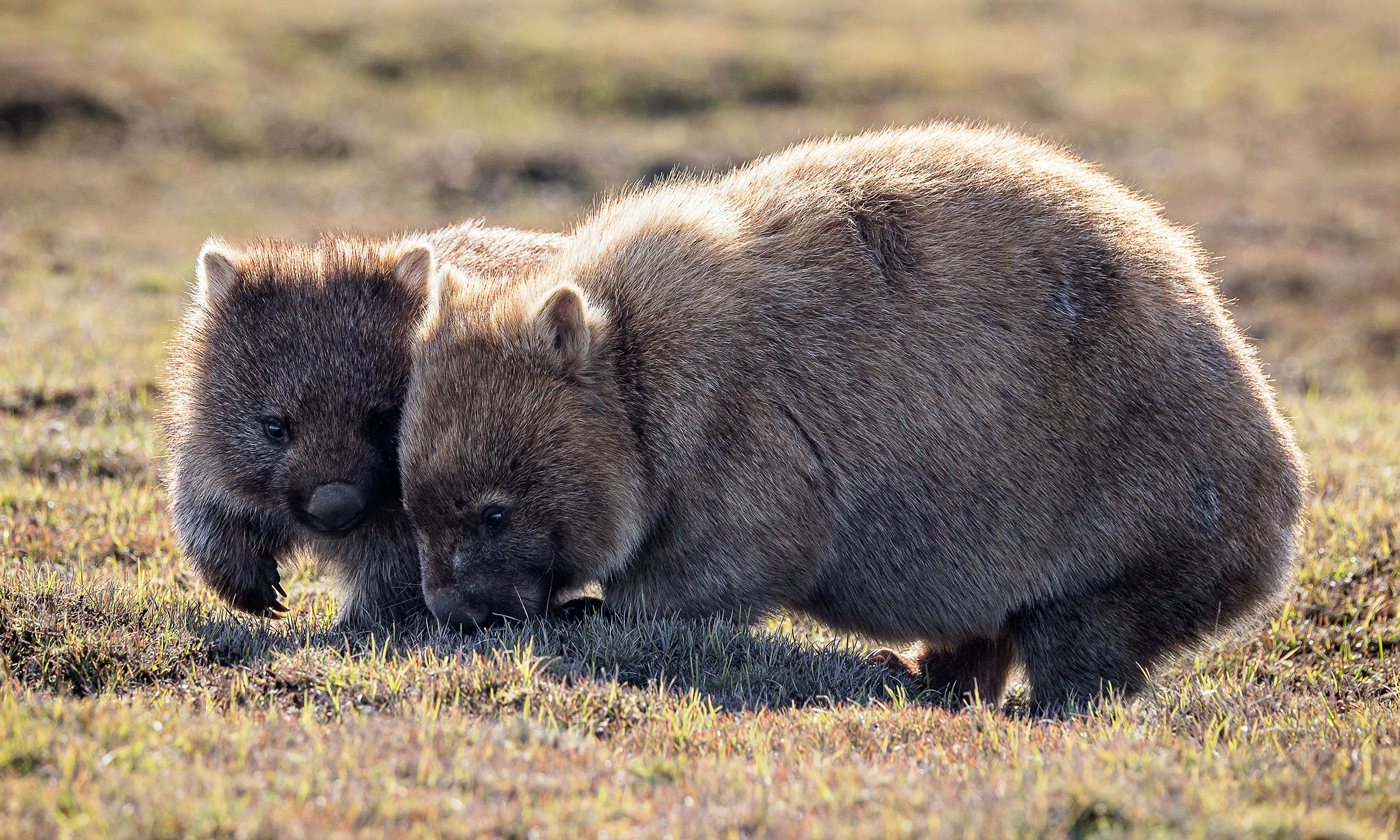
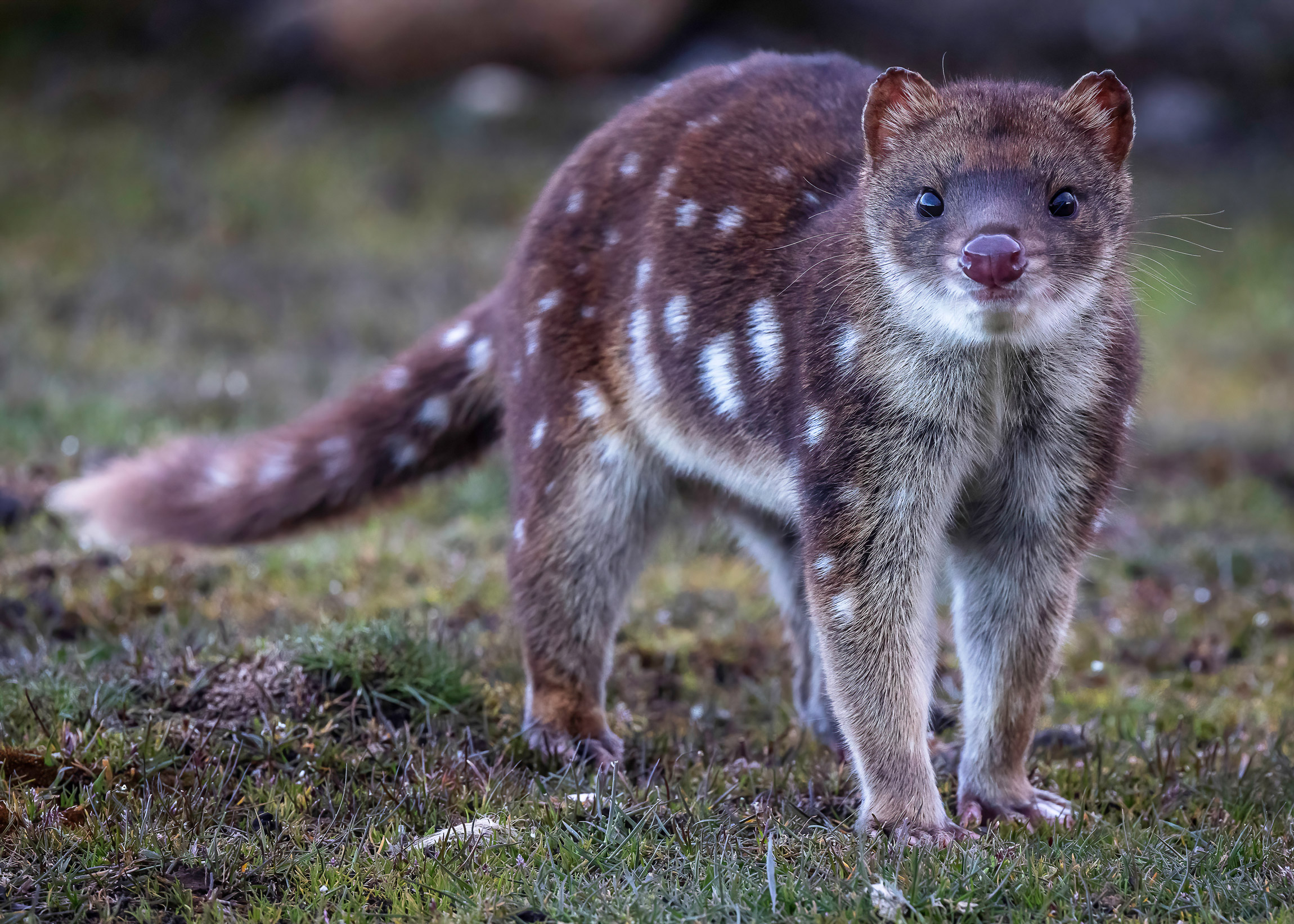
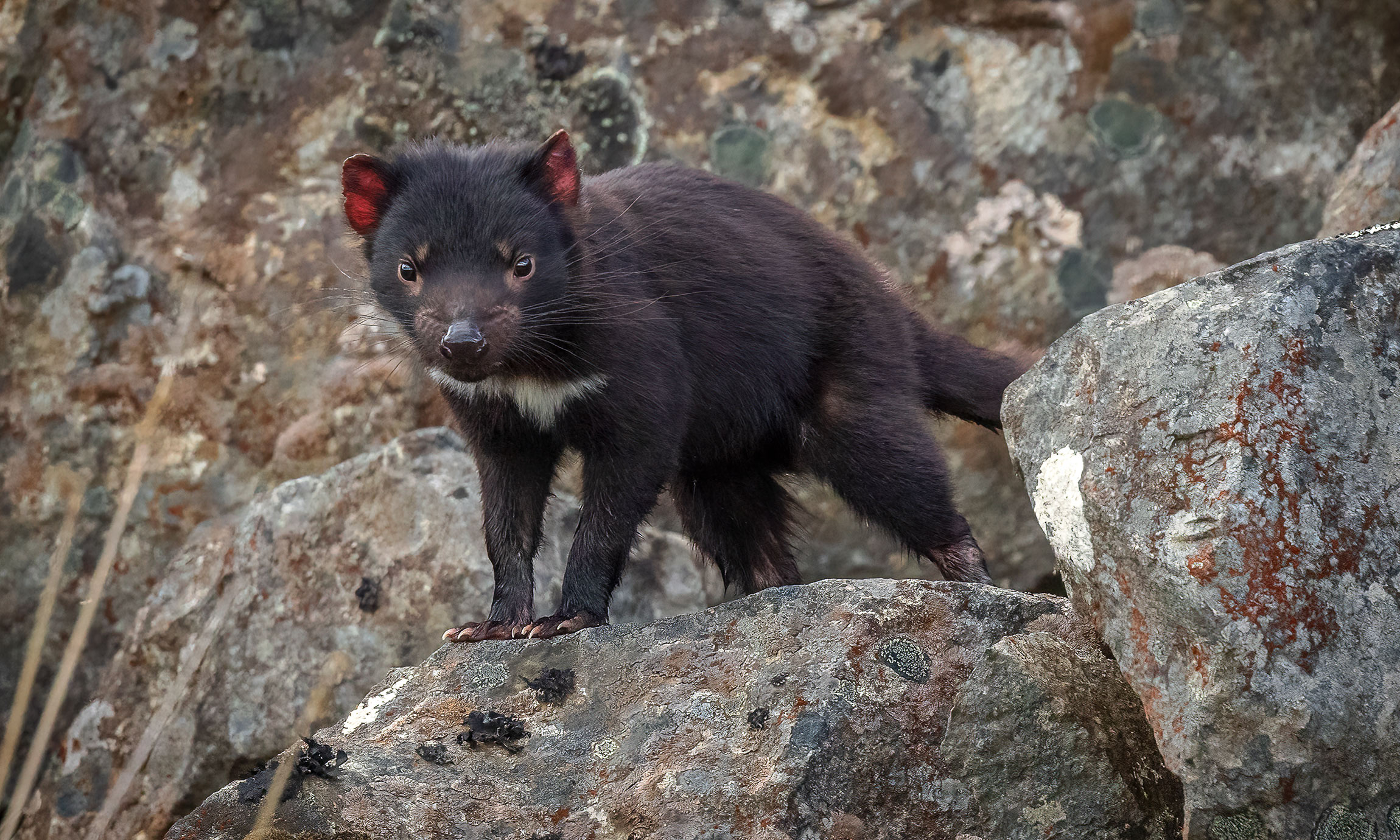
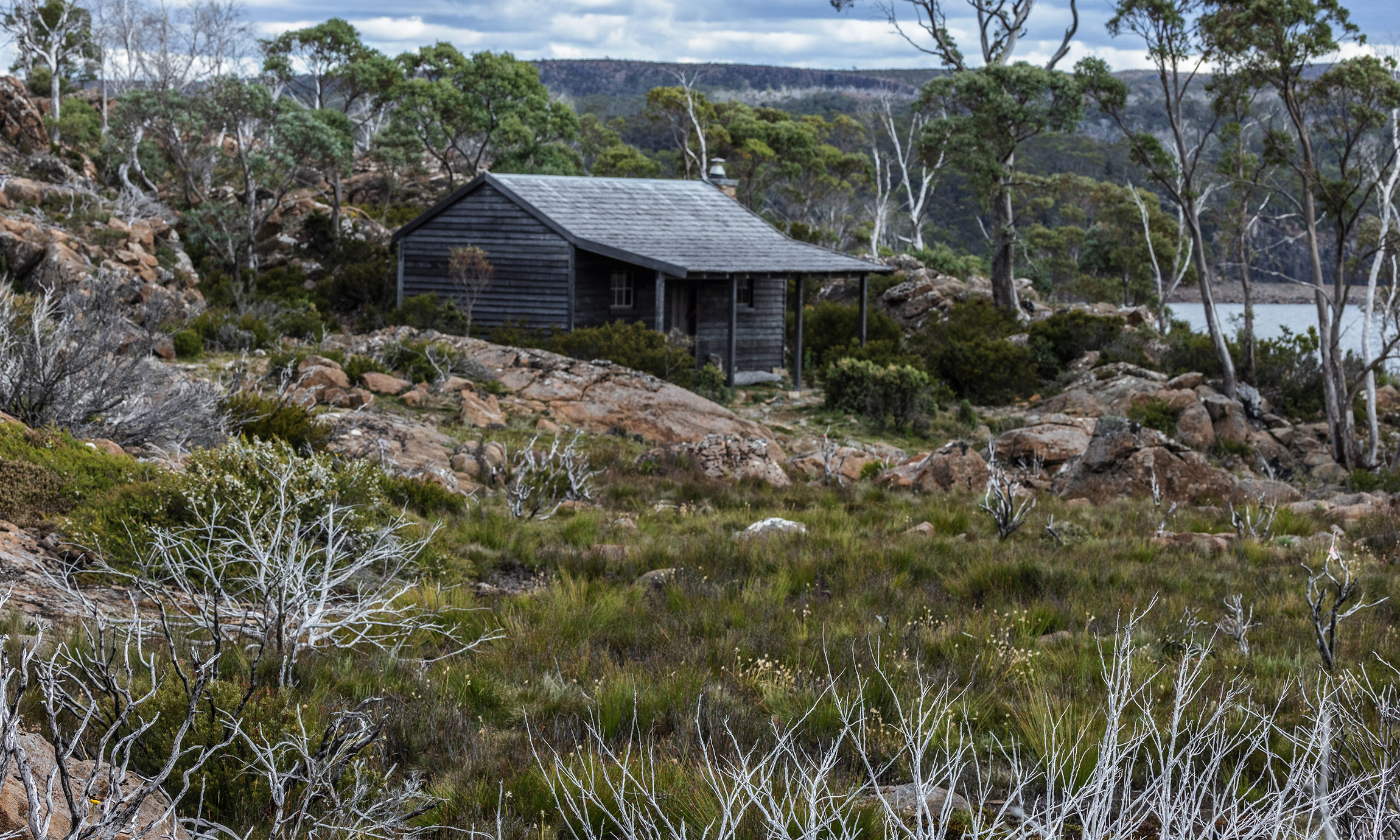
High country huts also dot the plateau. They are remnants of early European history in the area, and many are old fur trapper and shepherd huts. Most are public use these days, and they can provide a welcome dry base during inclement weather.
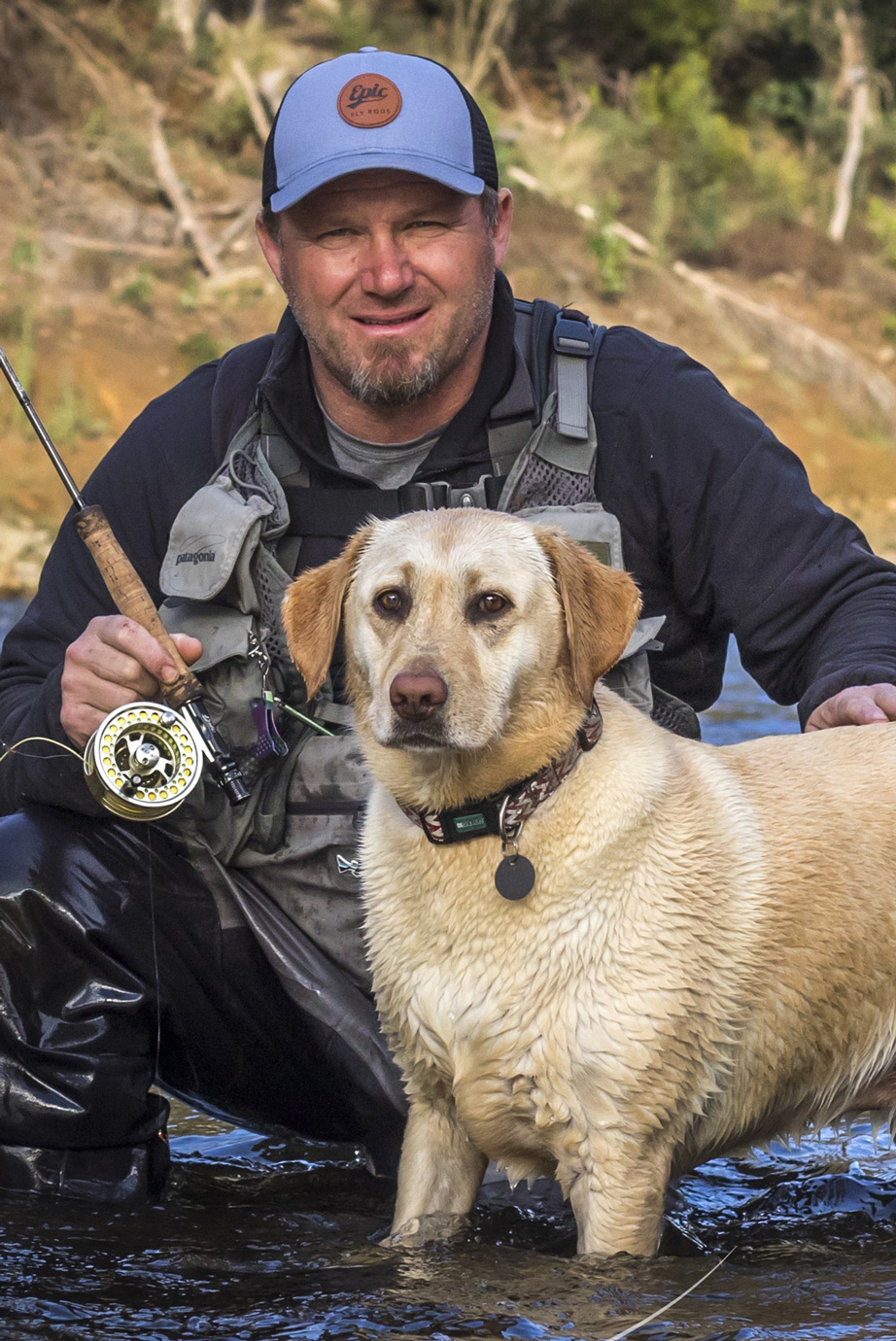
Contributed By
Peter Broomhall
Peter Broomhall is a born and bred Tasmanian that has been calling the myriad of waterways throughout Australia’s island state home for the better part of five decades. Discovering fly fishing in his early 20’s, Peter has gained an intimate knowledge of the Tasmanian trout fishing scene. A later discovery was his passion for photography, particularly fly fishing and wildlife related photography, that ensured any spare time is spent on the water. He can usually be found walking a stream edge or a lake shore with a fly rod in one hand and his trusty Canon DSLR over the shoulder.
In recent years, Peter has been living the dream working as a full time fly fishing guide with the Aussie Fly Fisher. This role fits in perfectly with his combined fly fishing and photography passions.