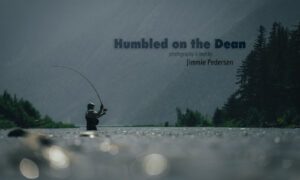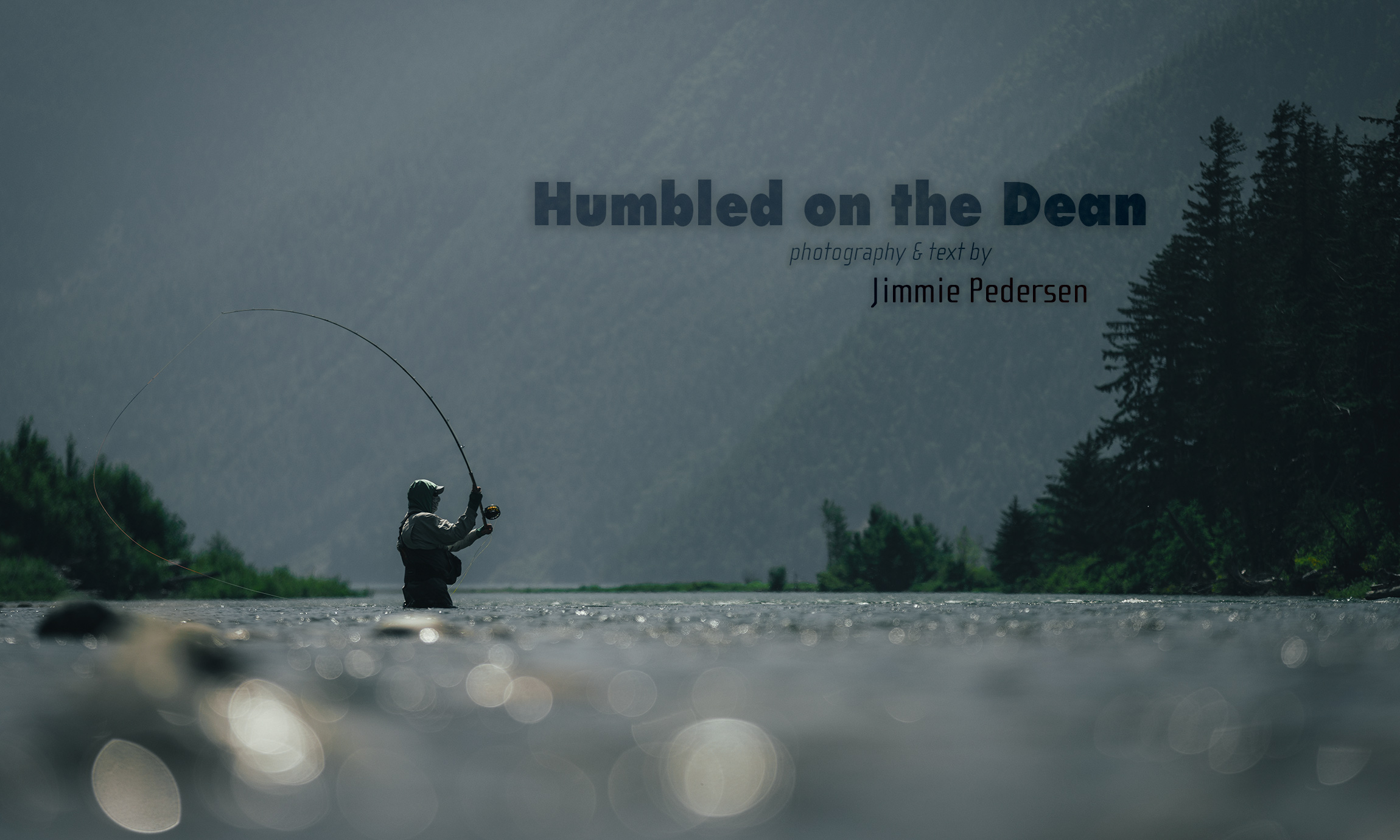
I came to the Dean looking for a serious challenge from a fish. I had no idea fish could do what these fish do, and I have never been so thoroughly humbled by a creature living in a river.
This was not my first rodeo. I had spent plenty of time around steelhead and chinook, both fishing and guiding, and arrived with the confidence that comes from experience. Within a couple of days, the Dean made me feel like a beginner again.
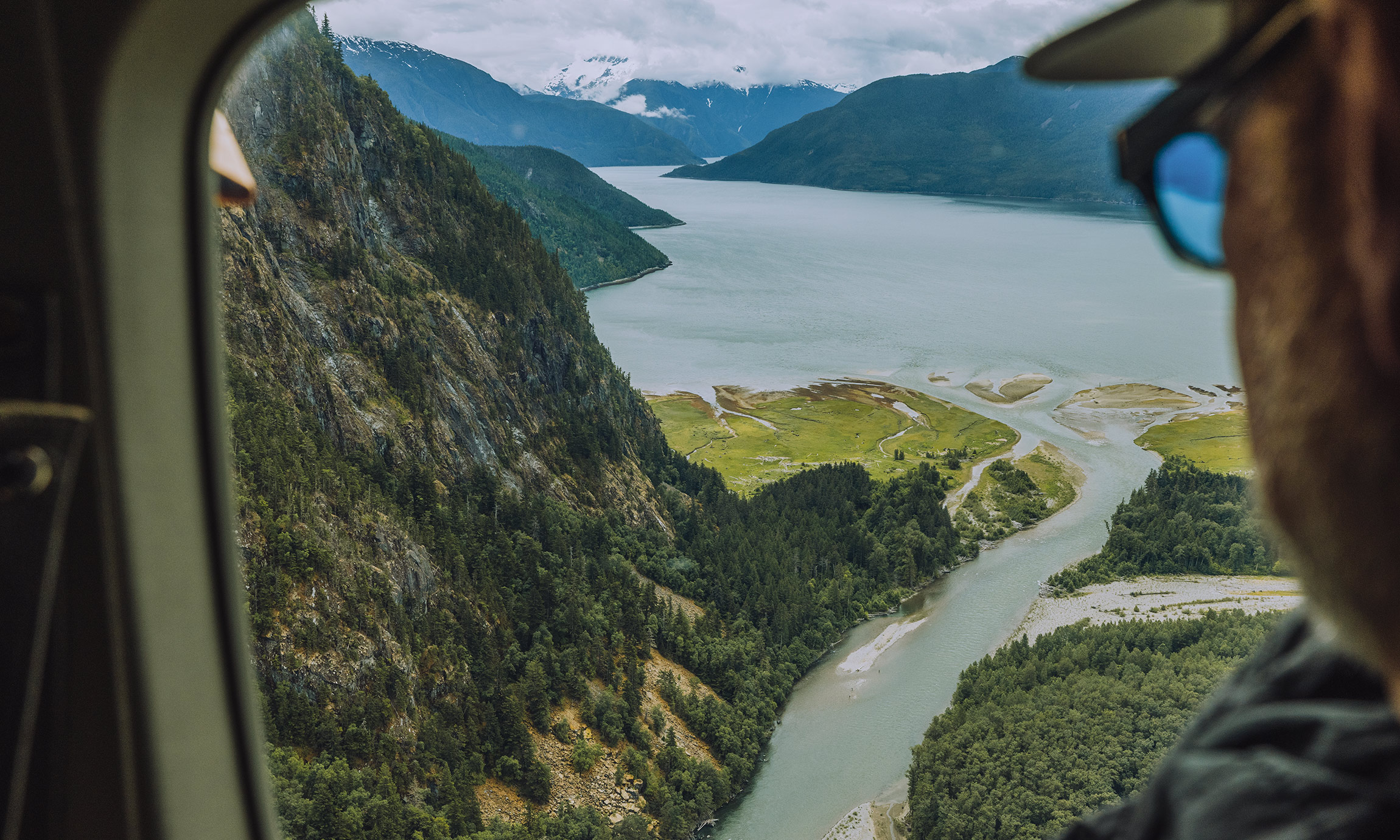
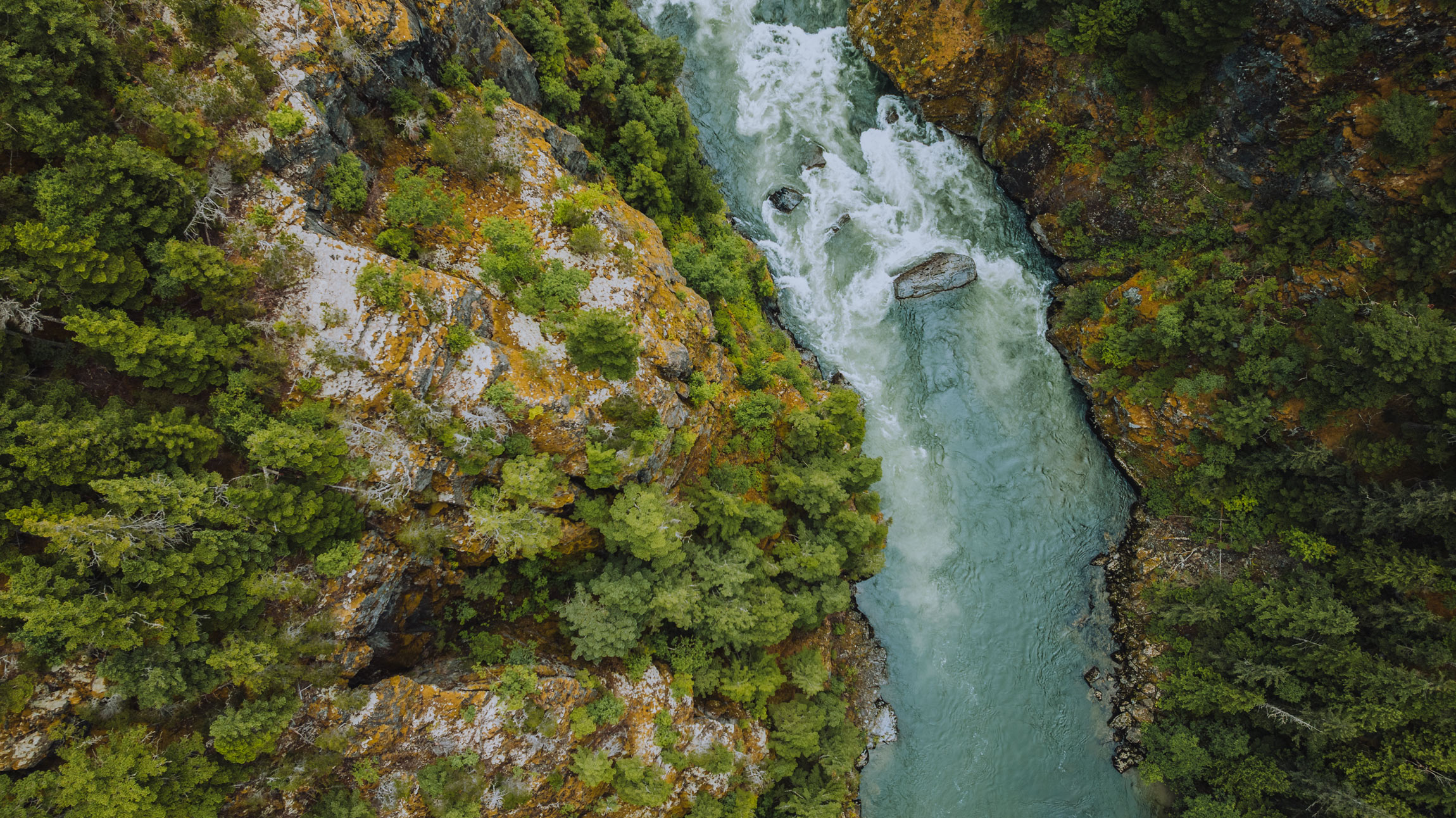
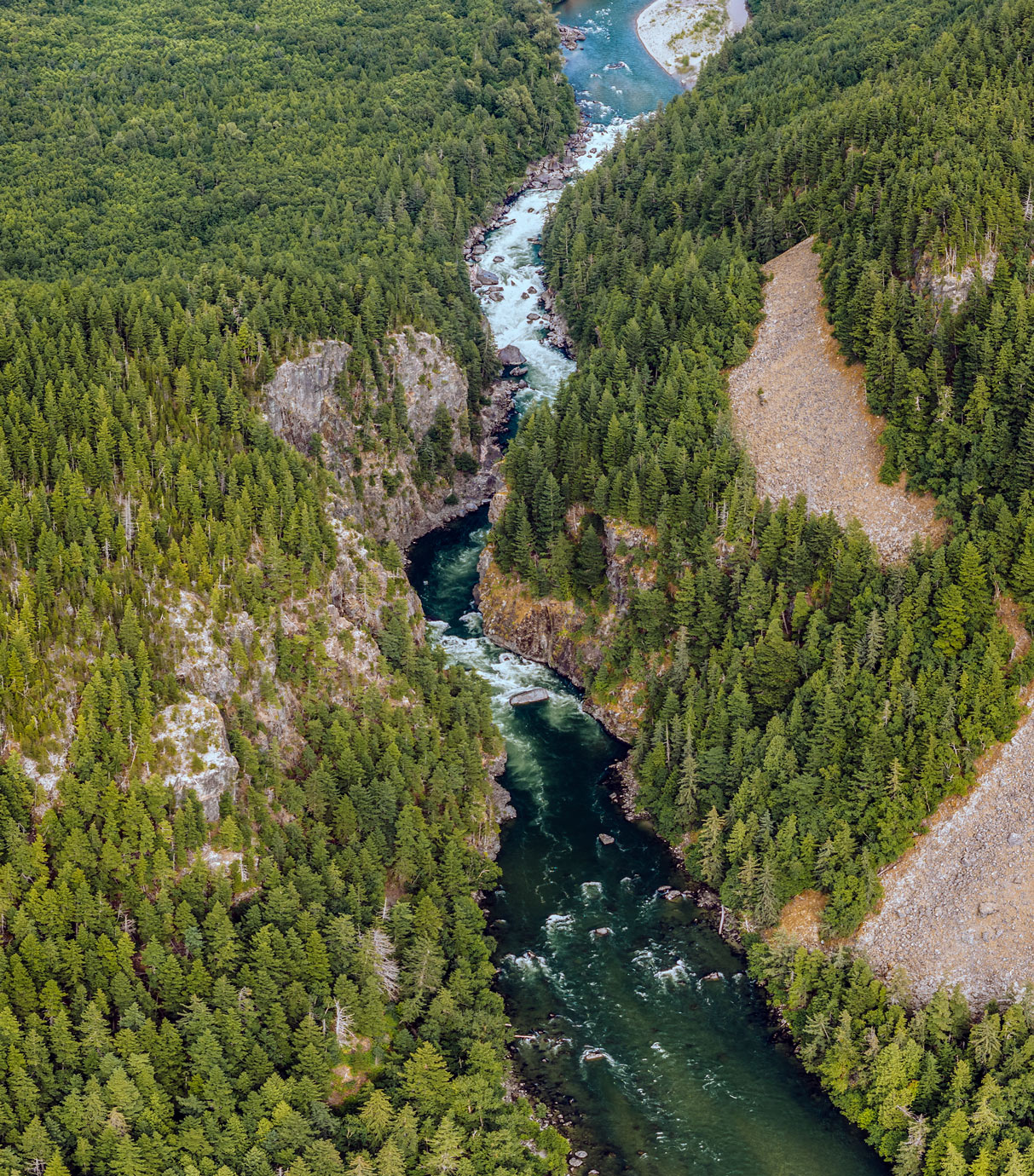
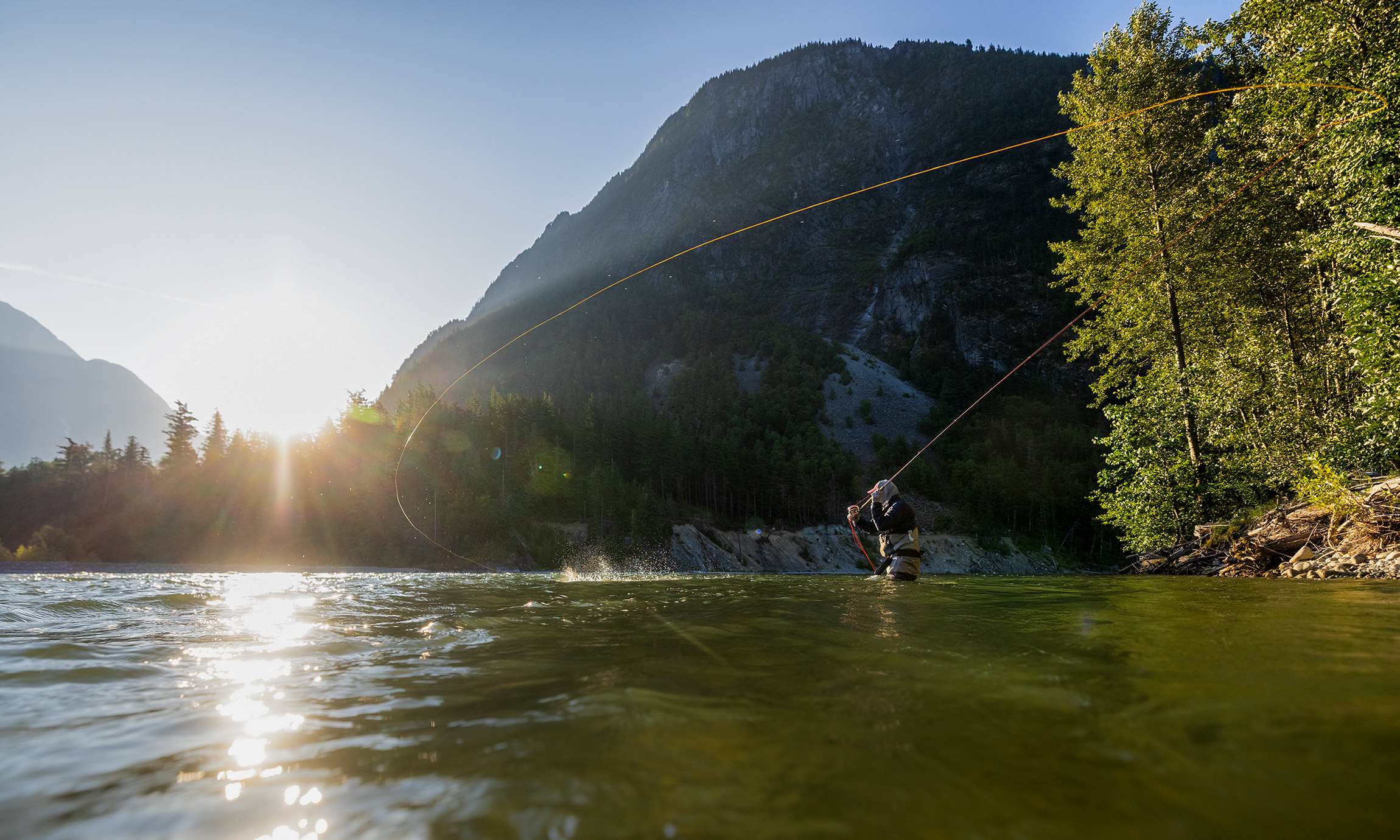
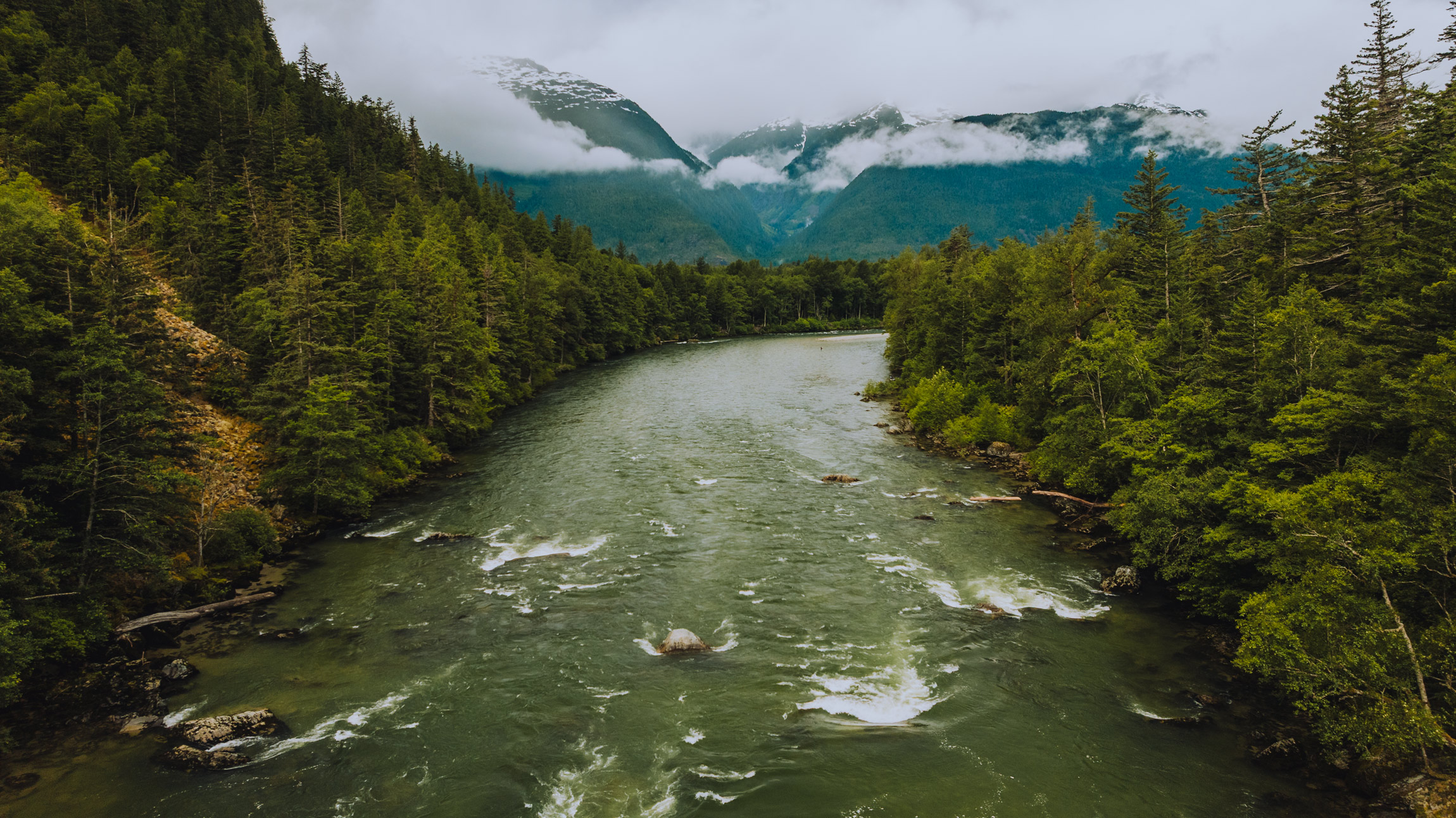
The Dean River cuts west through British Columbia’s Coast Mountains before spilling into Dean Channel, a long saltwater fjord on the province’s remote central coast. Near its mouth, the river drops hard through dark forest, boulder gardens and steep canyon walls. There is little transition between river and sea. No broad estuary. No long reach of slack water. The Dean simply drives into the salt. Its summer steelhead enter the river the same way. They are fast, bright and carrying the full strength of the Pacific.
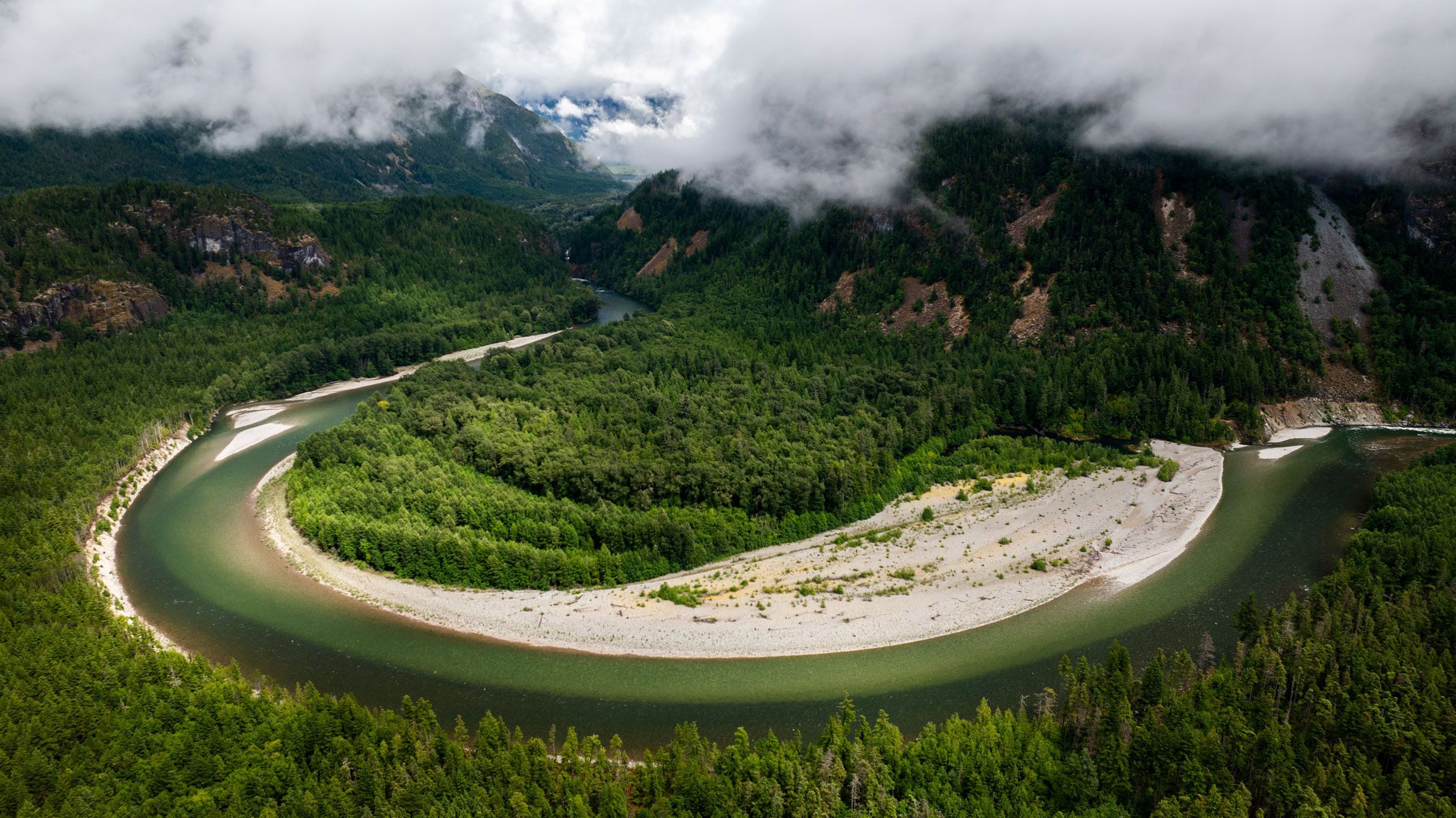
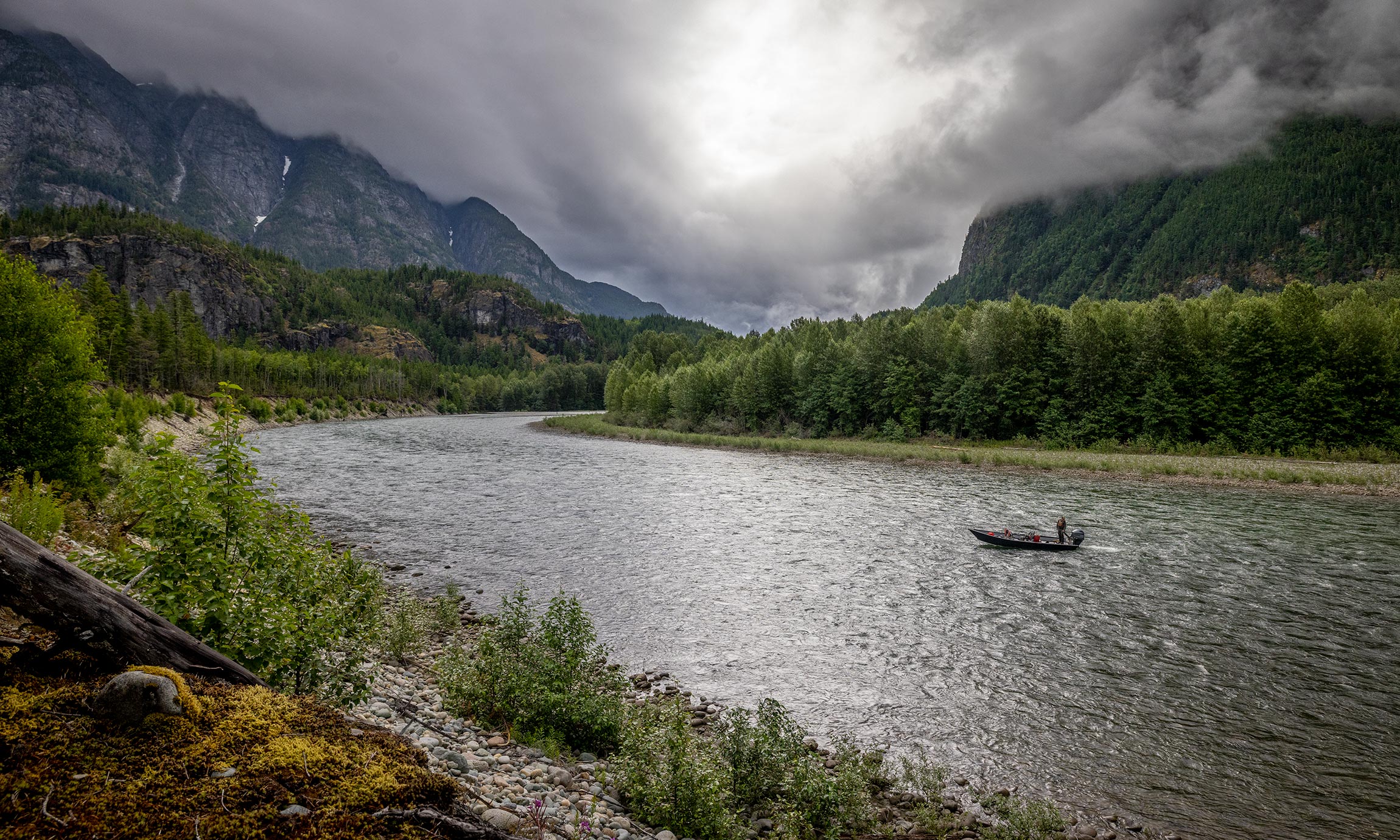
Over the two weeks I was there, stories unfolded almost daily, most of them written by wild fish that found weak knots, bent hooks and exposed every flaw in an angler’s gear or judgment.
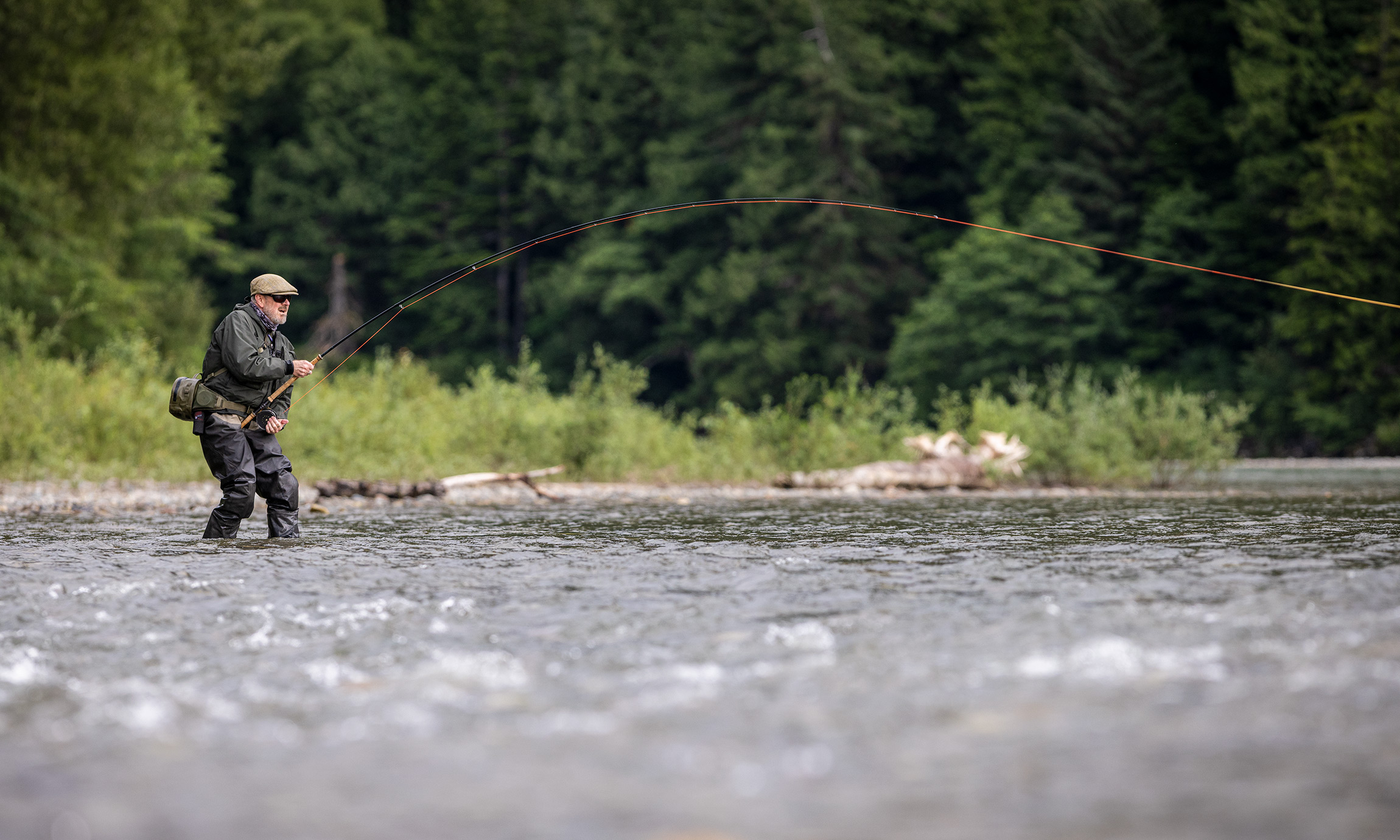
The Dean offers little forgiveness. Its lower river races toward the fjord over cobble and boulders. A freshly arrived steelhead has only one direction in mind when the fly comes tight: downstream.
In two weeks, I never saw a hooked fish make a sustained upriver run. Not once. They went down and out, using the river’s gradient and heavy current as if they had planned the escape before entering freshwater. All you could do was hang on.
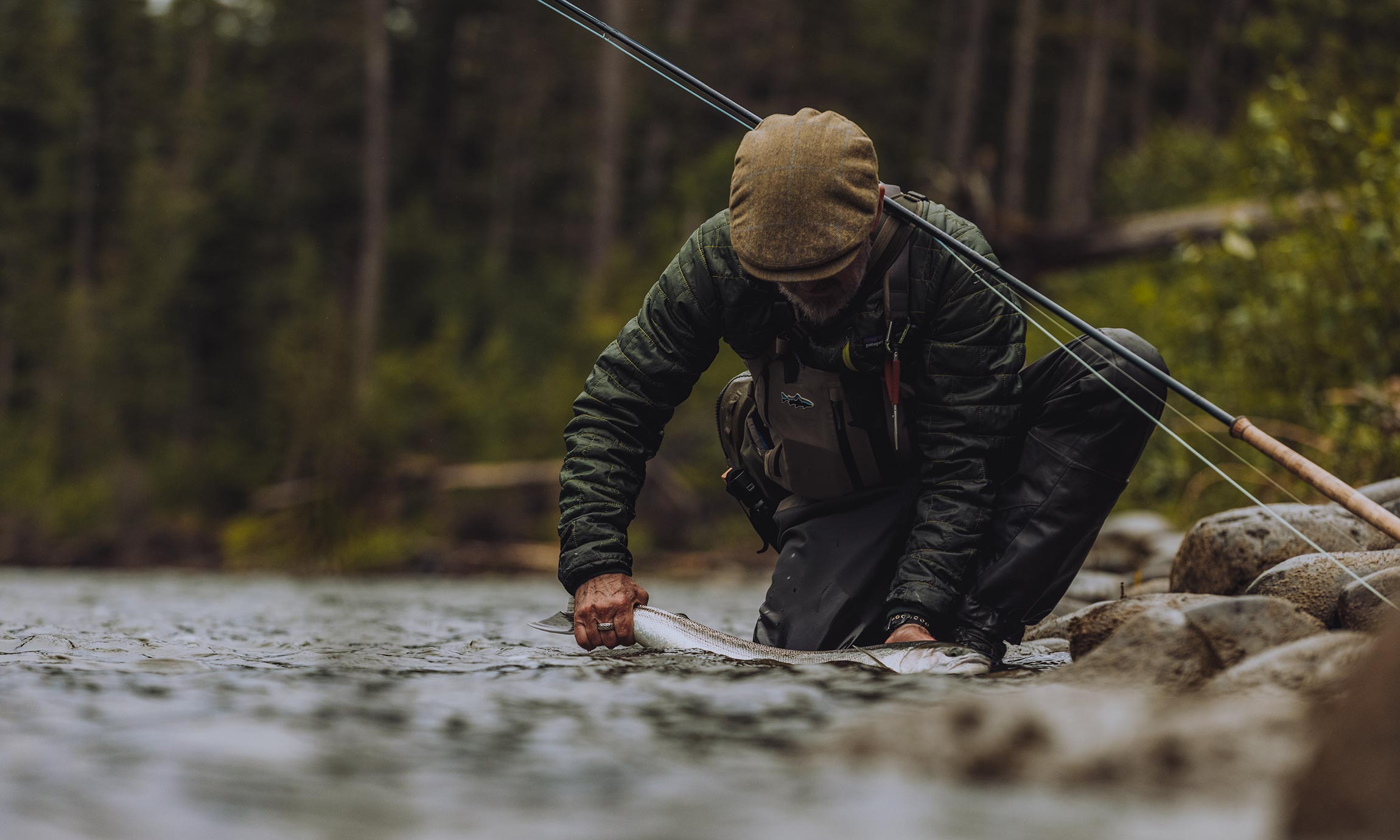
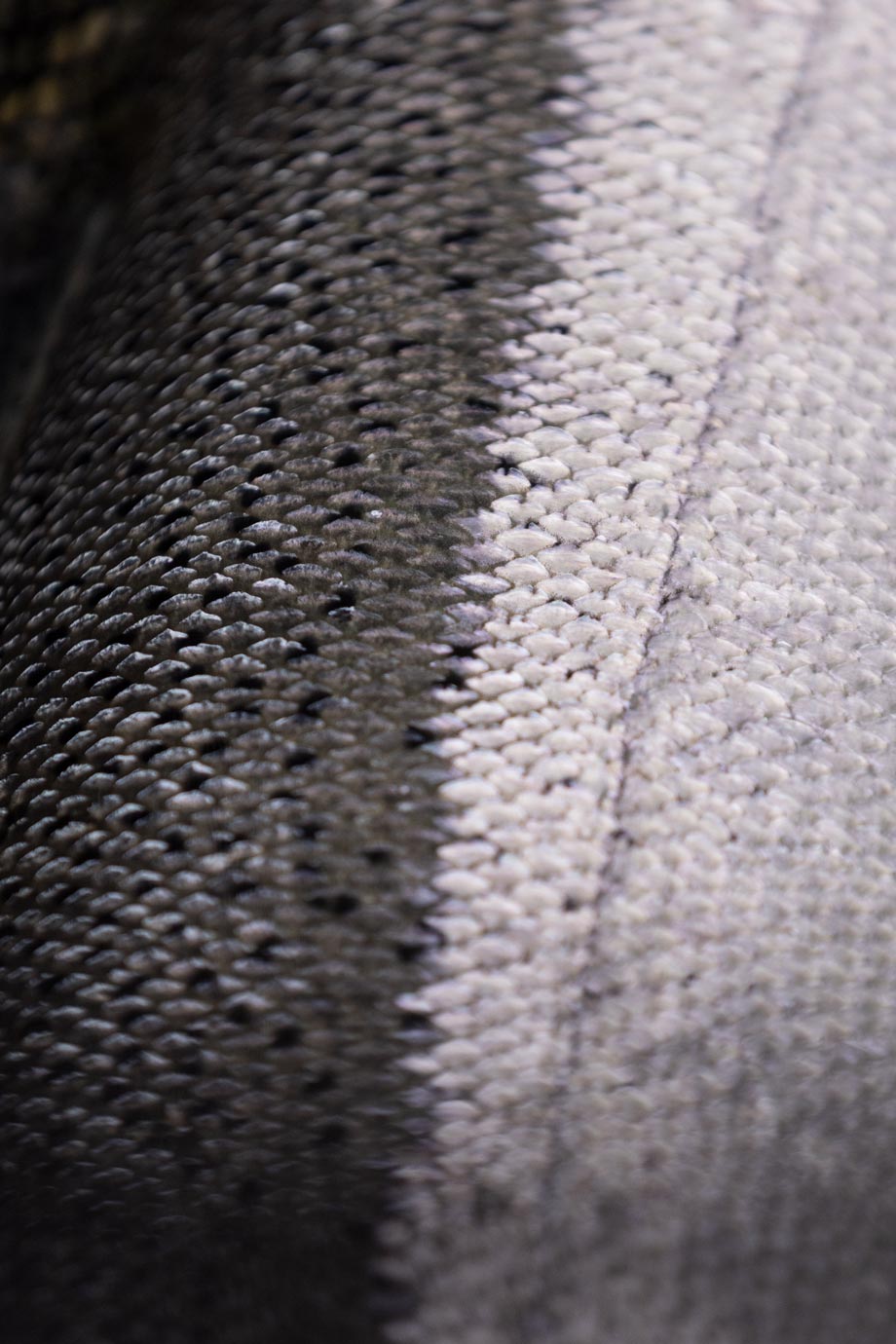
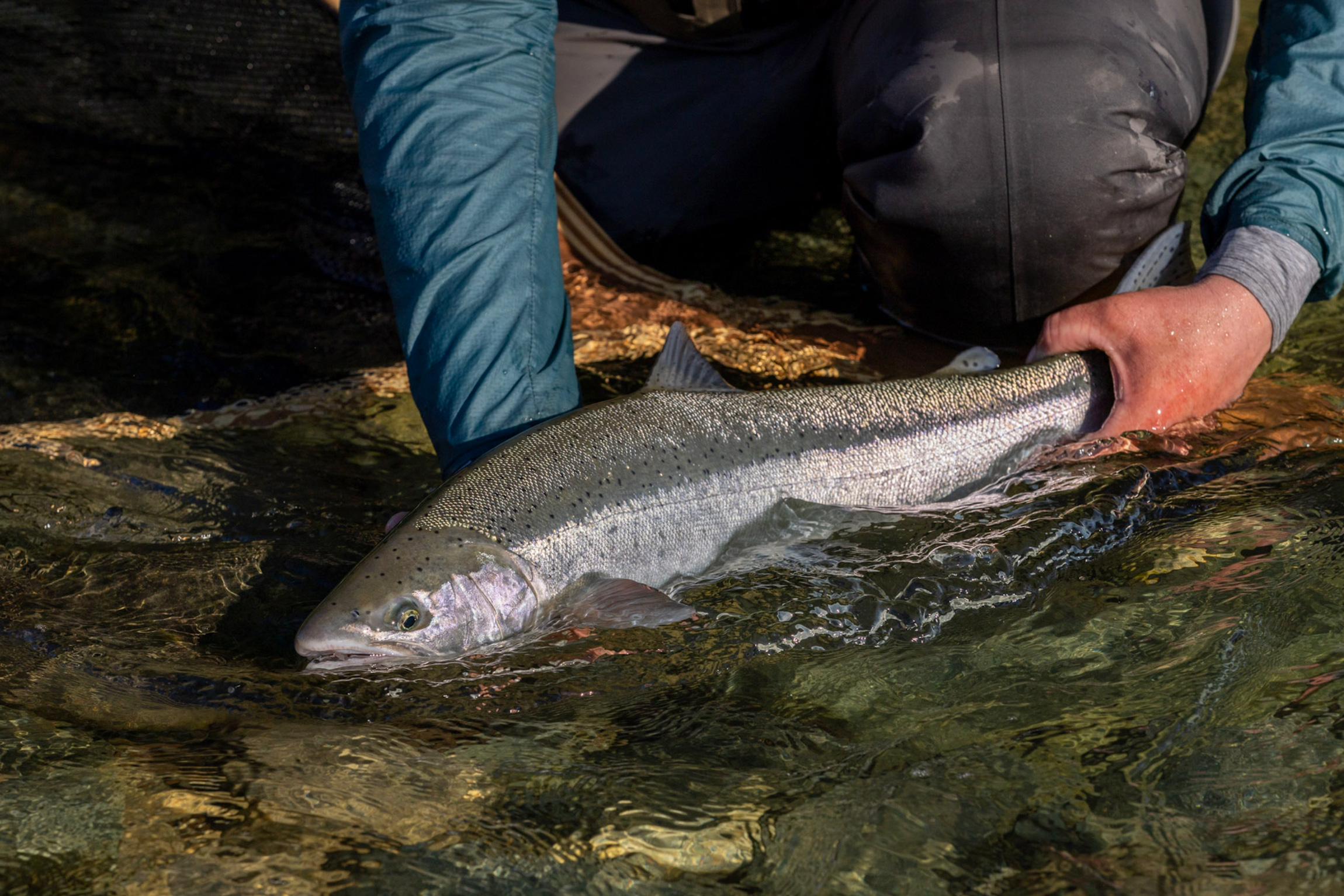
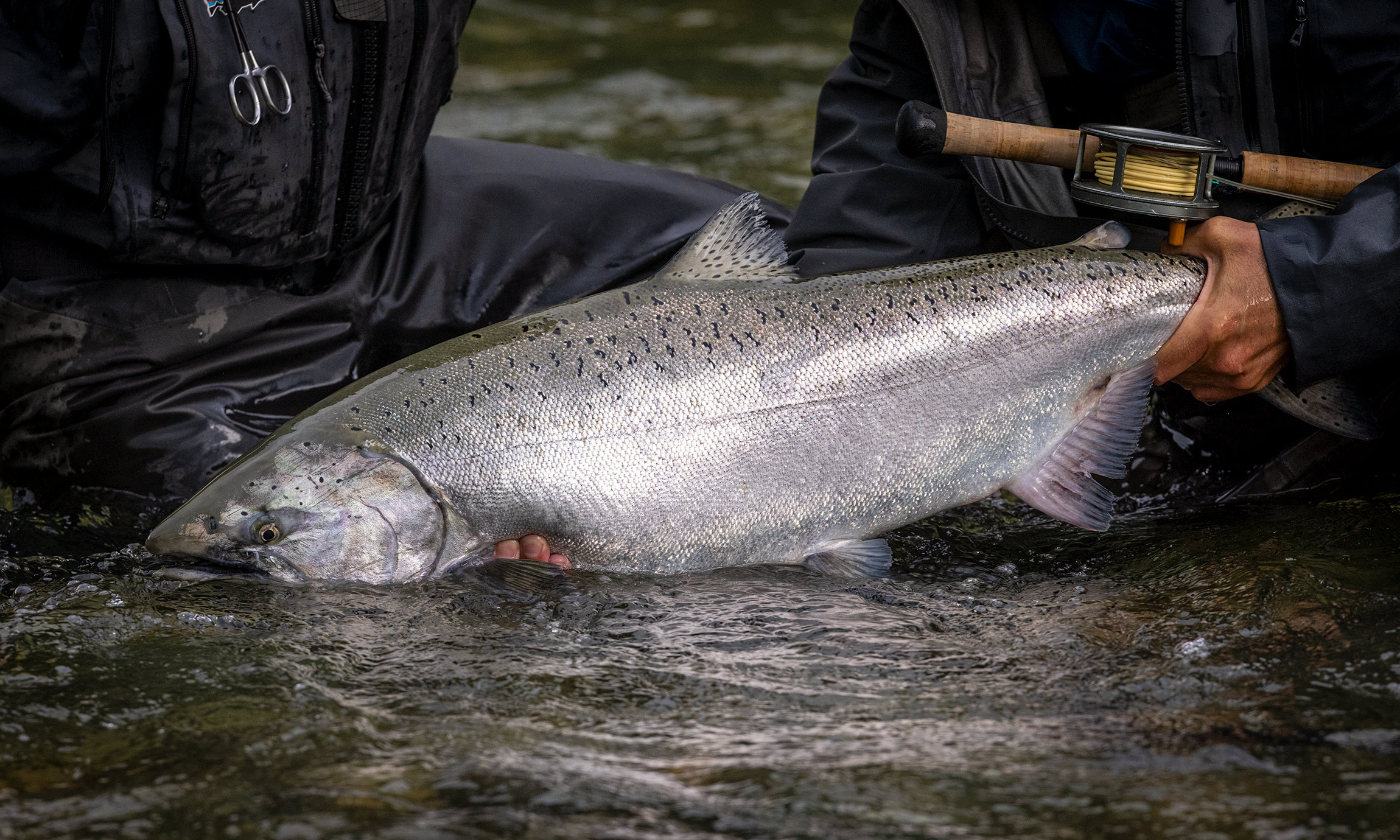
These fish have spent little time away from the ocean. Some arrive still carrying sea lice, their sides bright as polished chrome. Hook one near the mouth and you are connected to a steelhead at the peak of its strength, with the Pacific only a short run behind it.
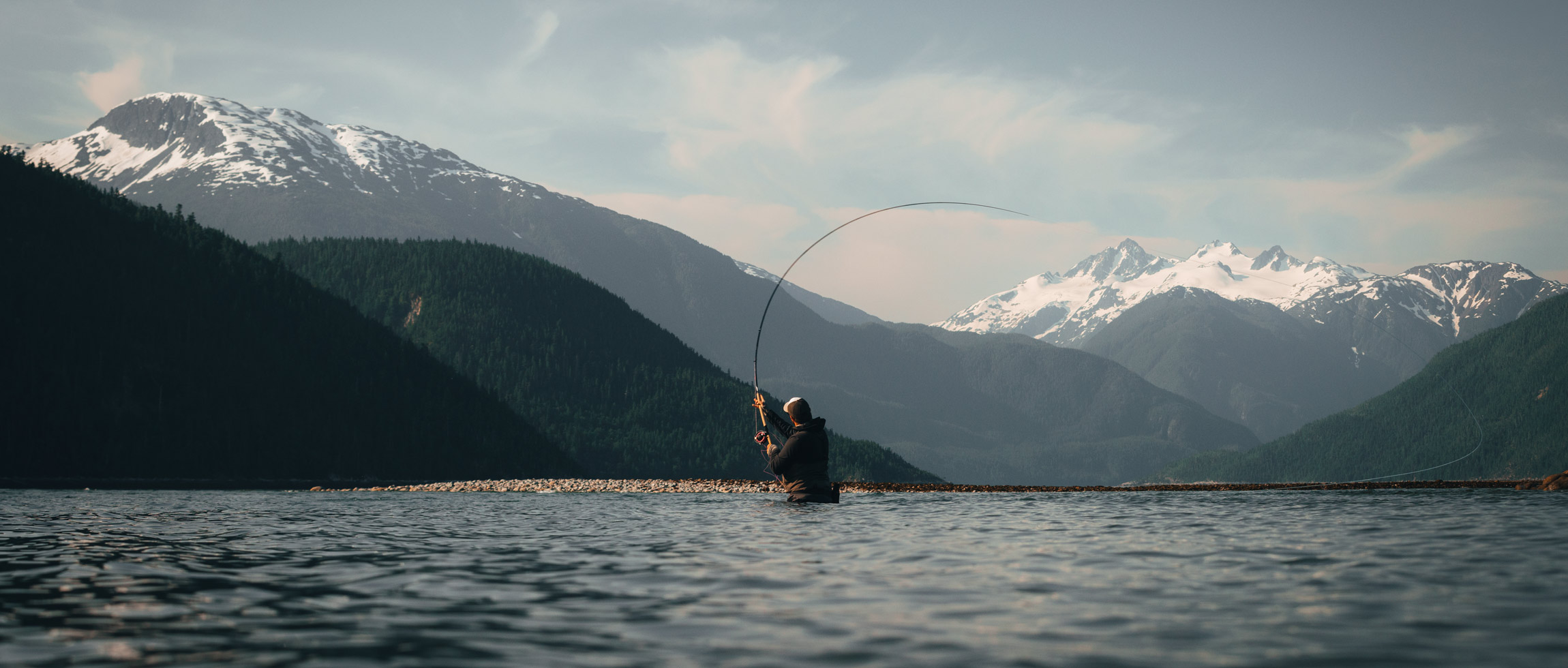
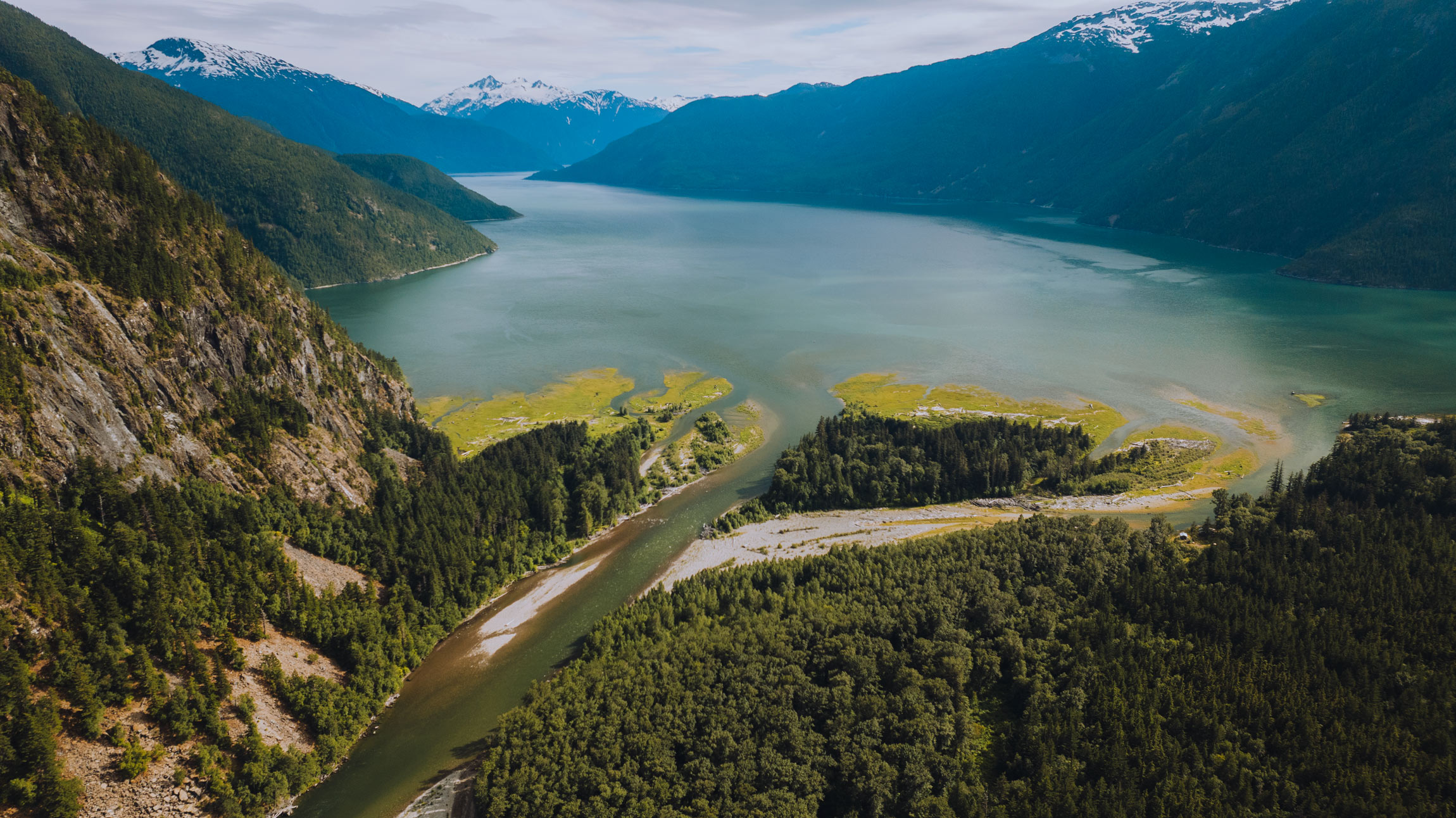
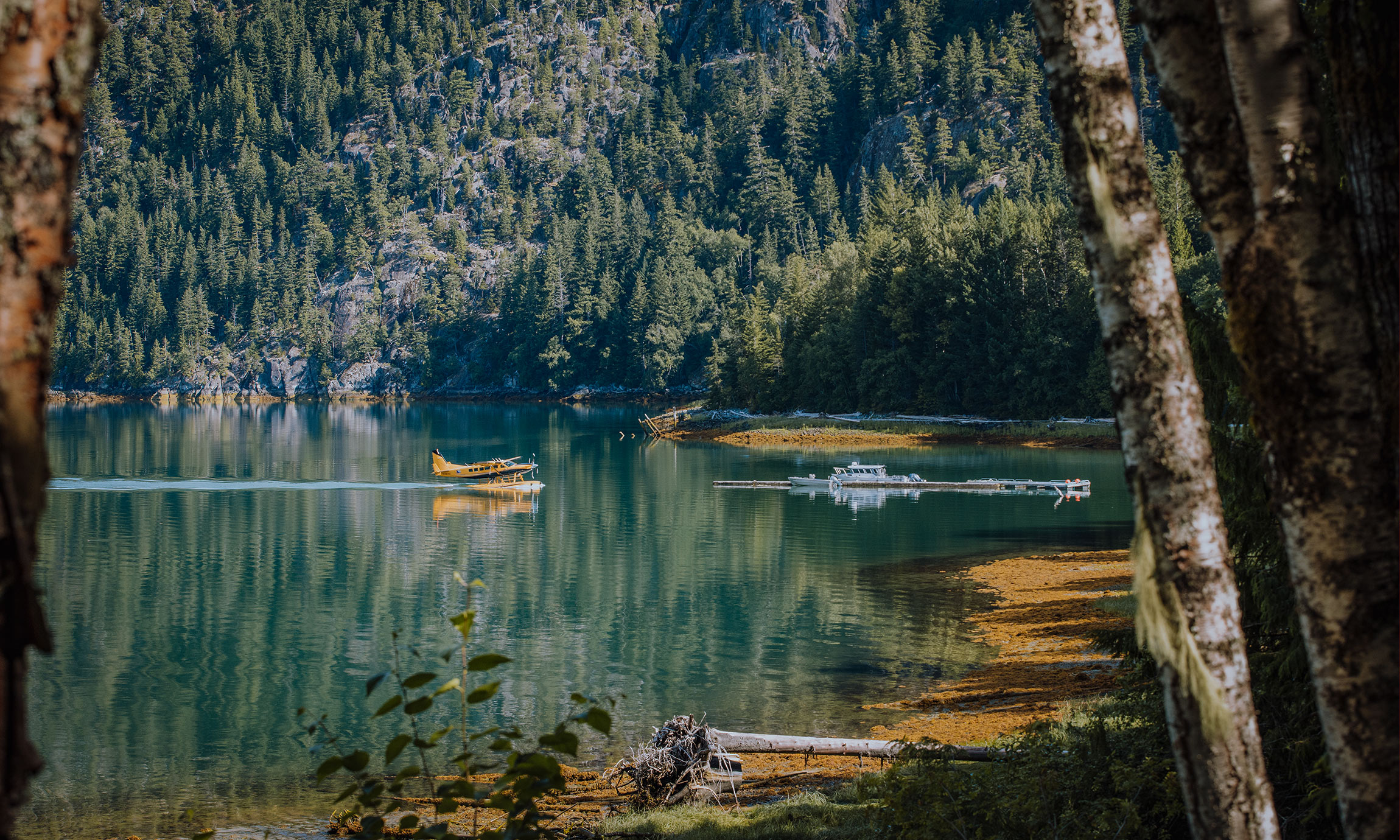
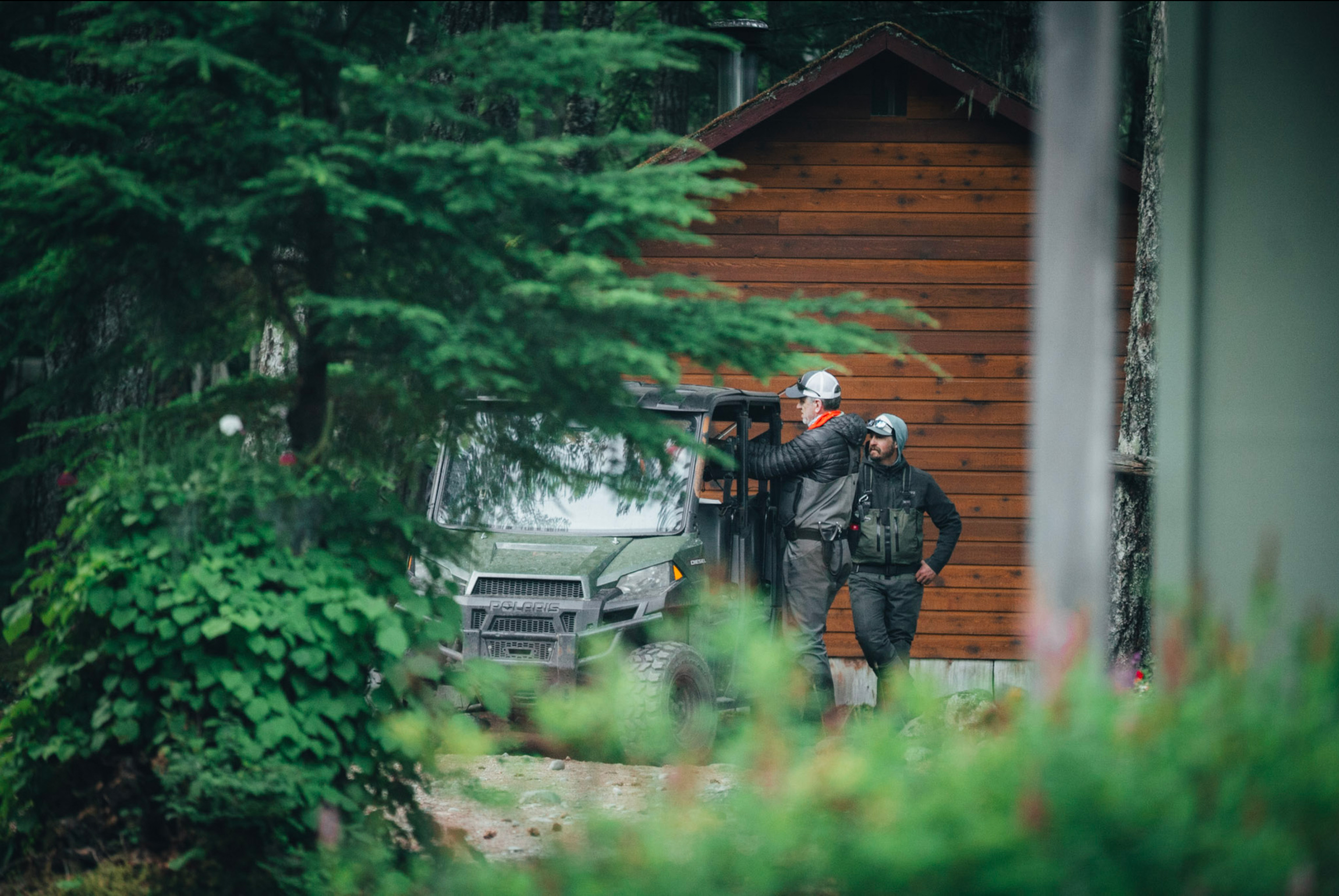
I was there courtesy of Jeff Hickman, owner of BC West and Kimsquit Bay Lodge. Jeff and I had crossed paths several times on the Morice River, where I had guided him. Maybe he invited me north to see how I would fare on his home water. I arrived with a camera and a handful of new NAM rods for the guides to put through the grinder.
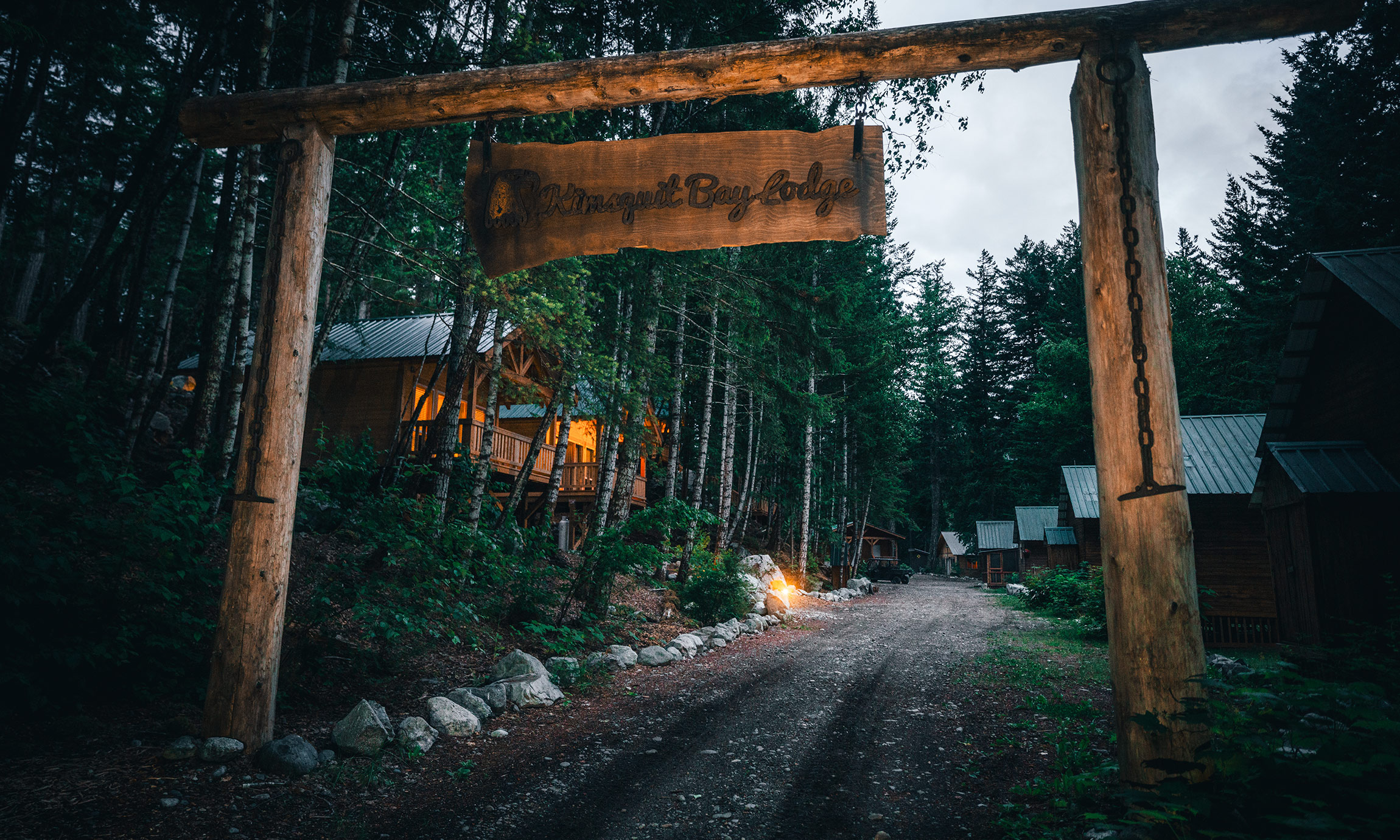
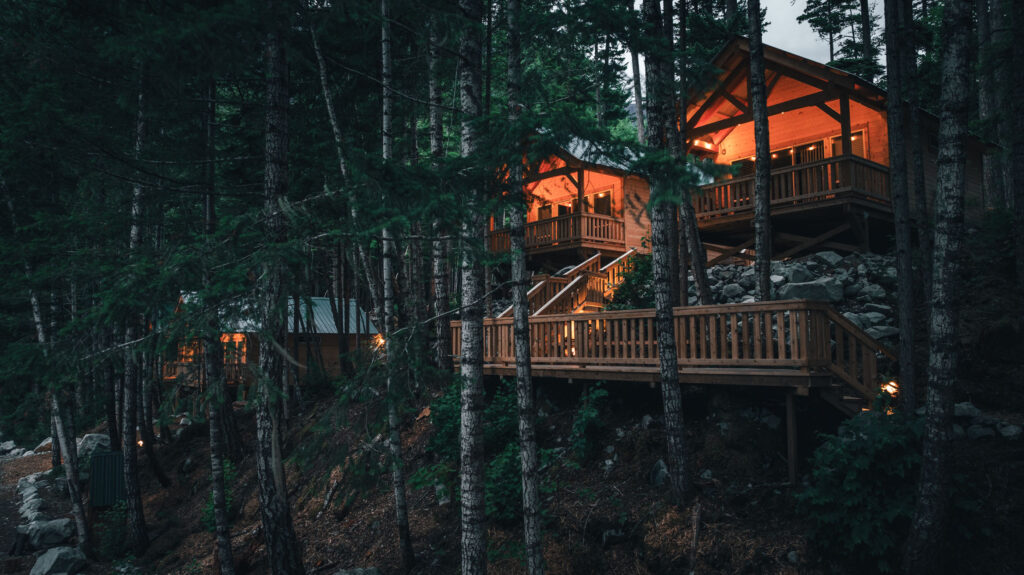
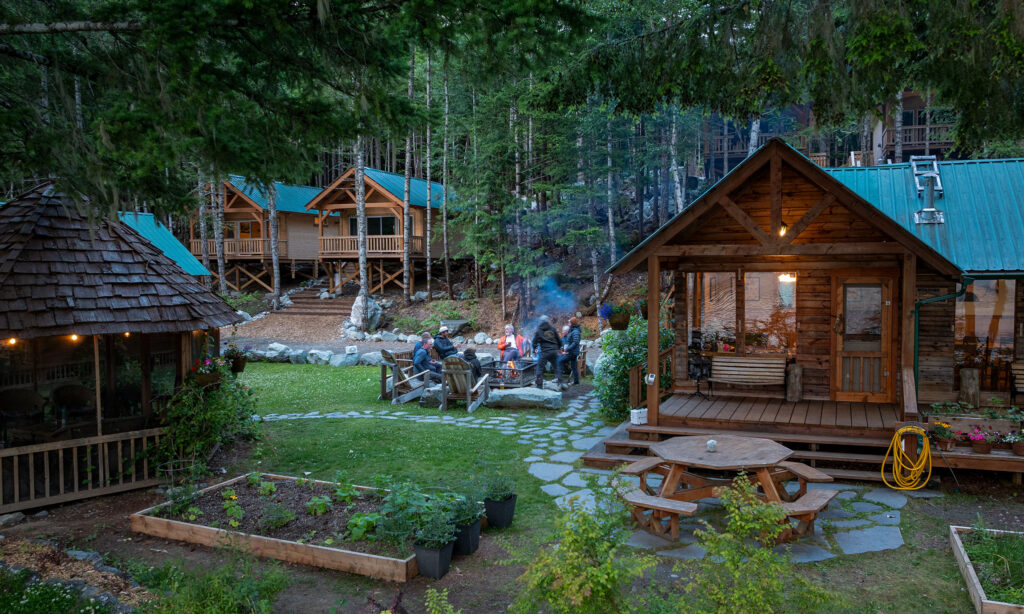
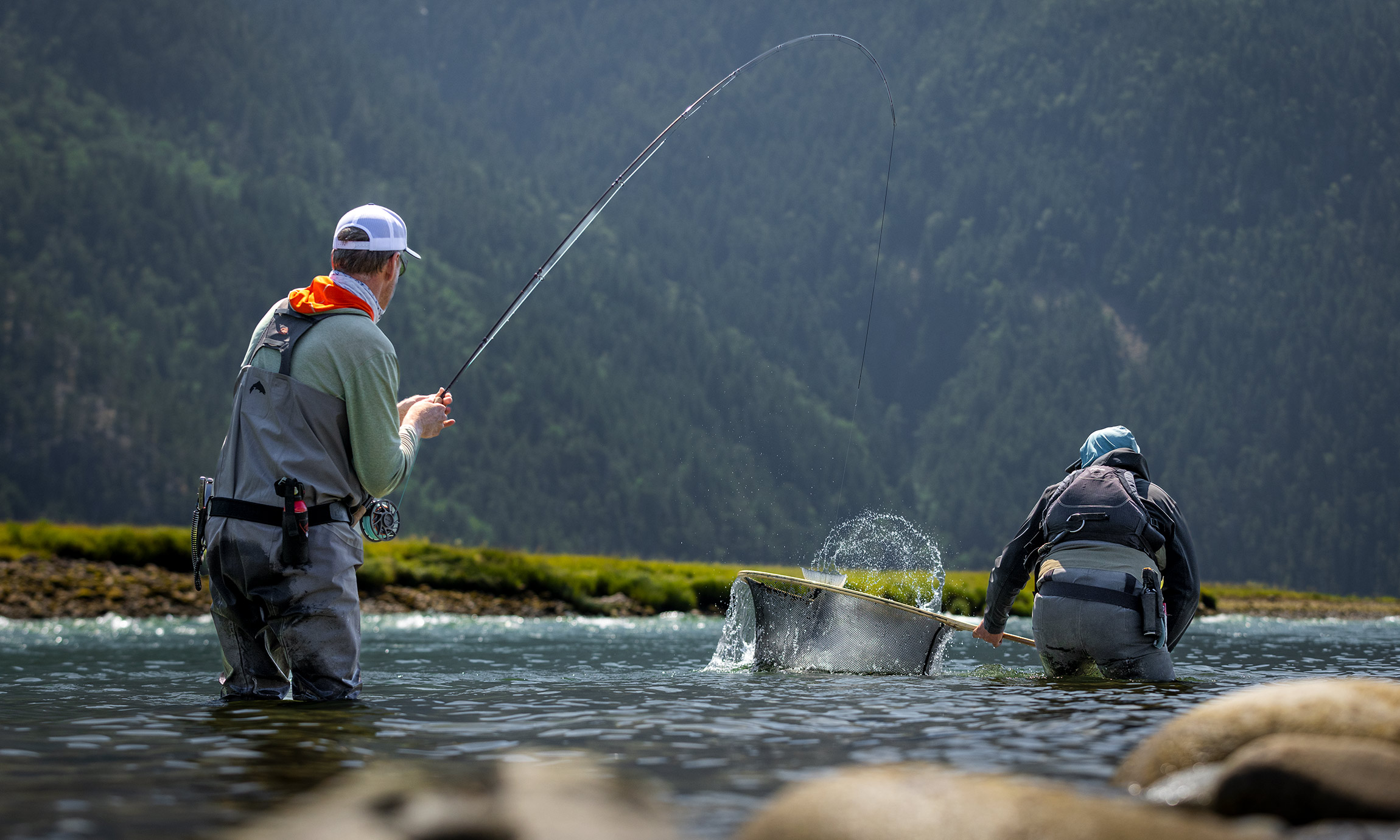
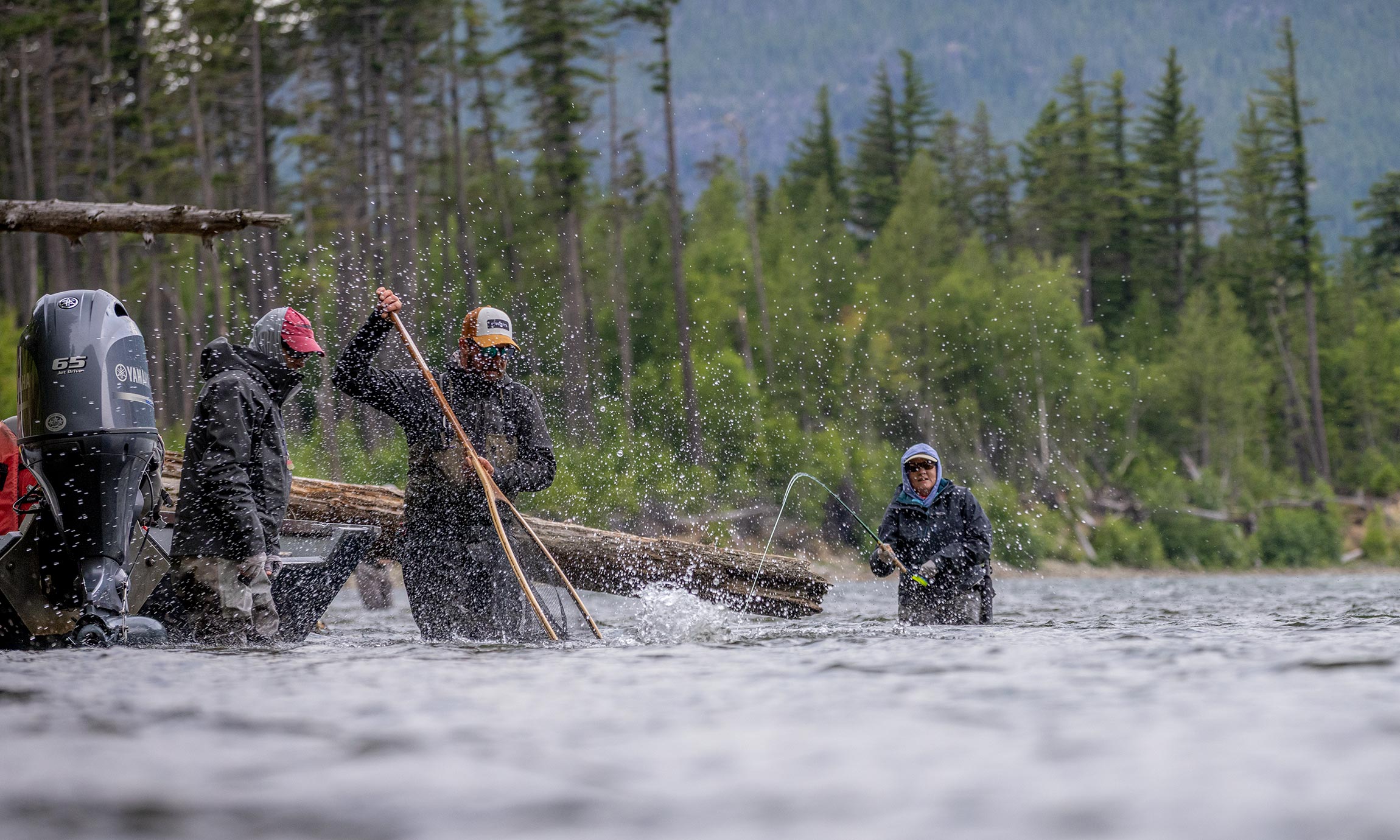
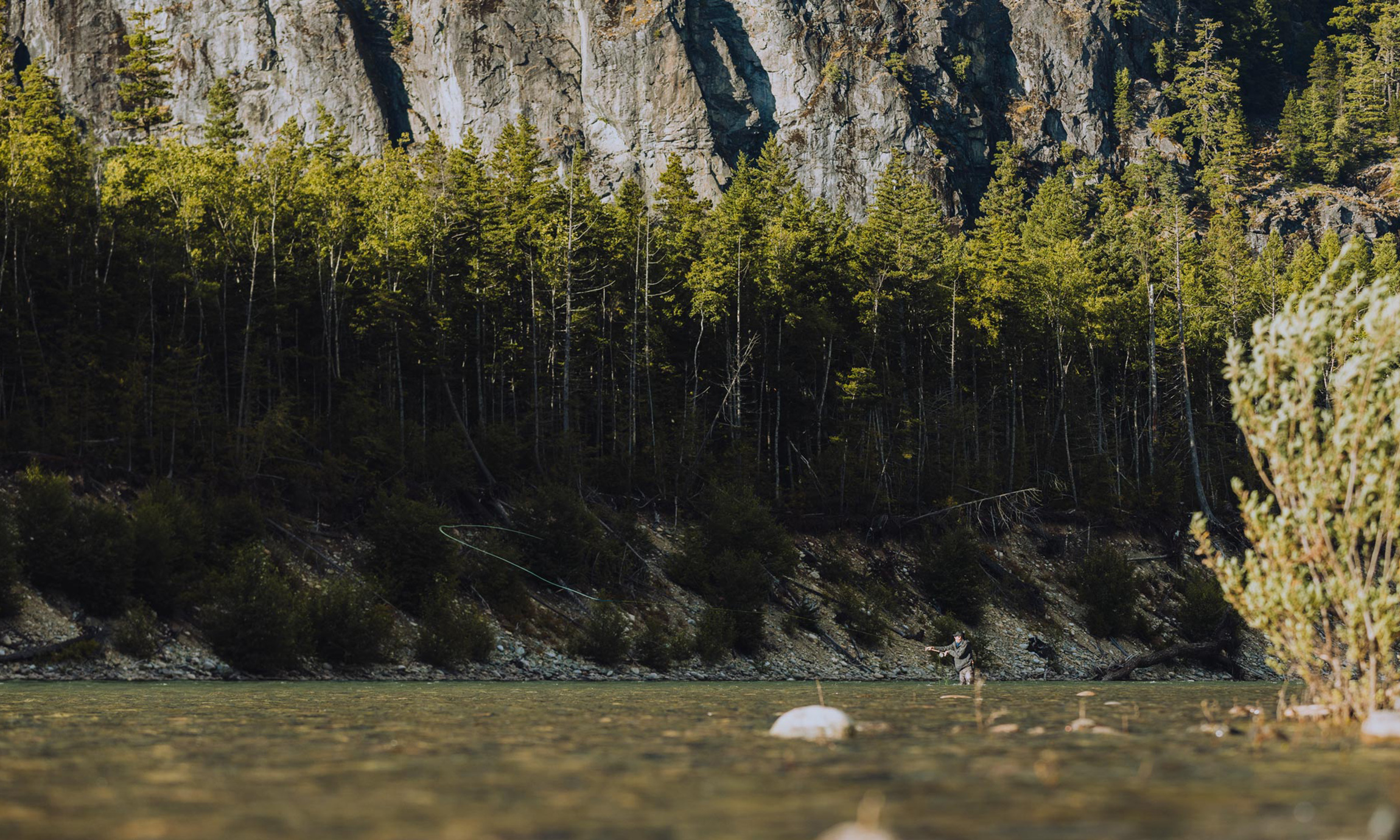
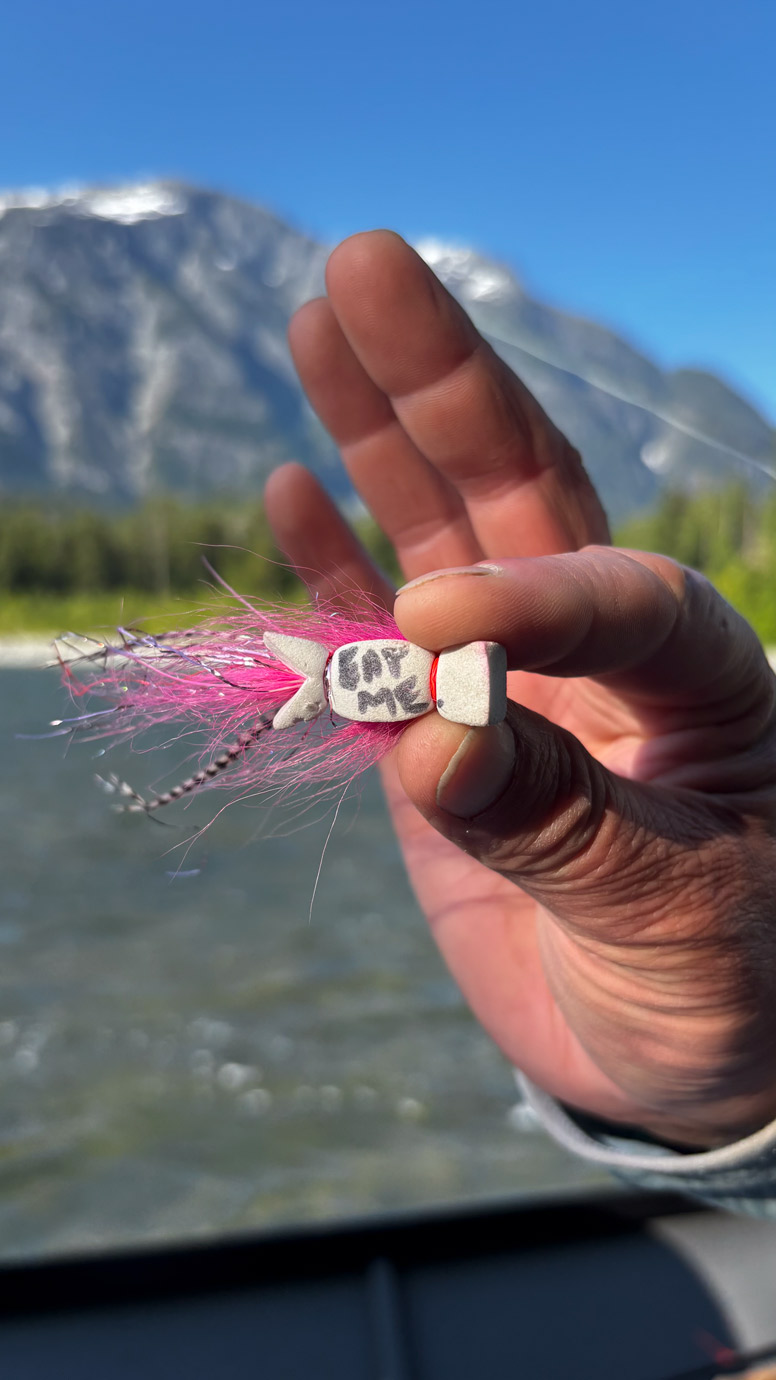
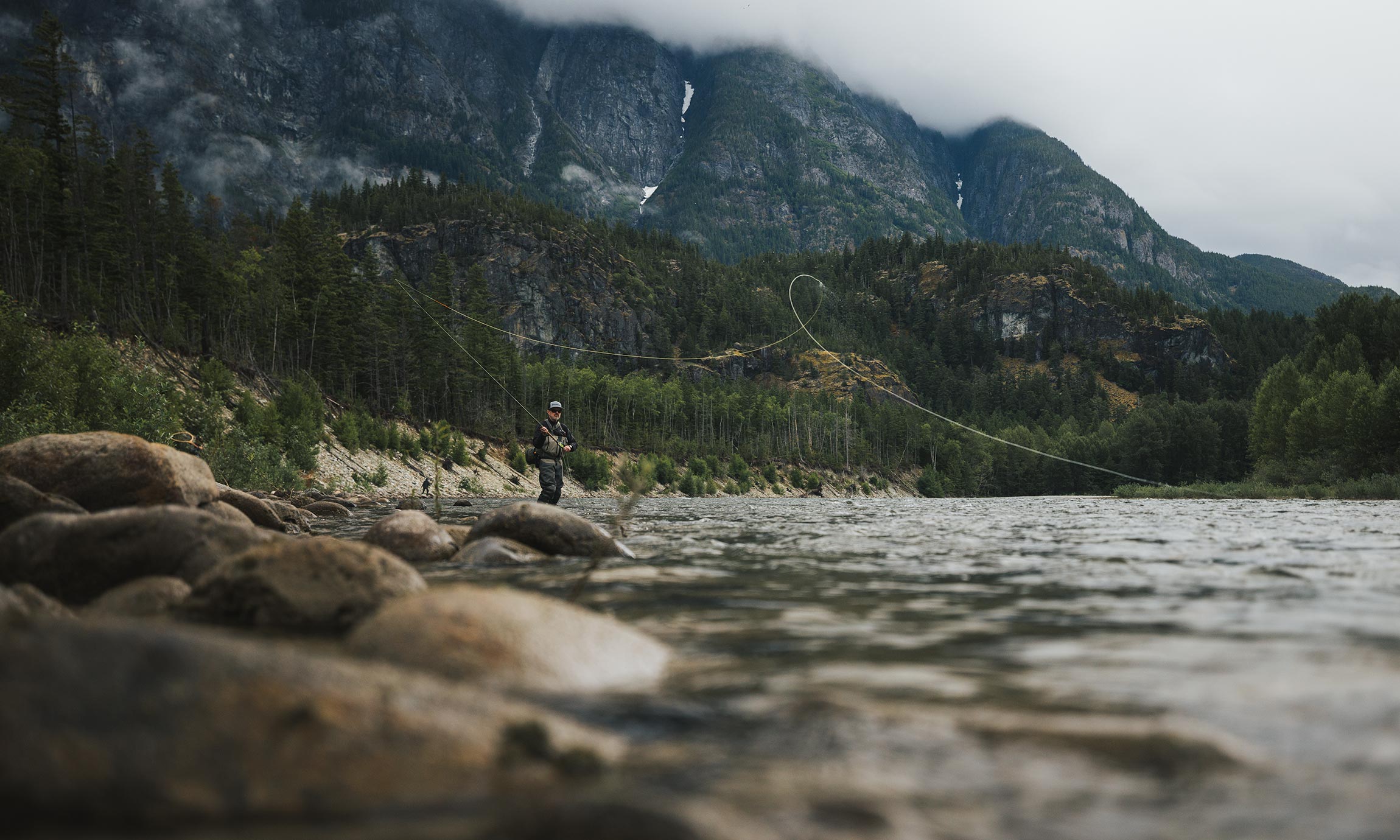
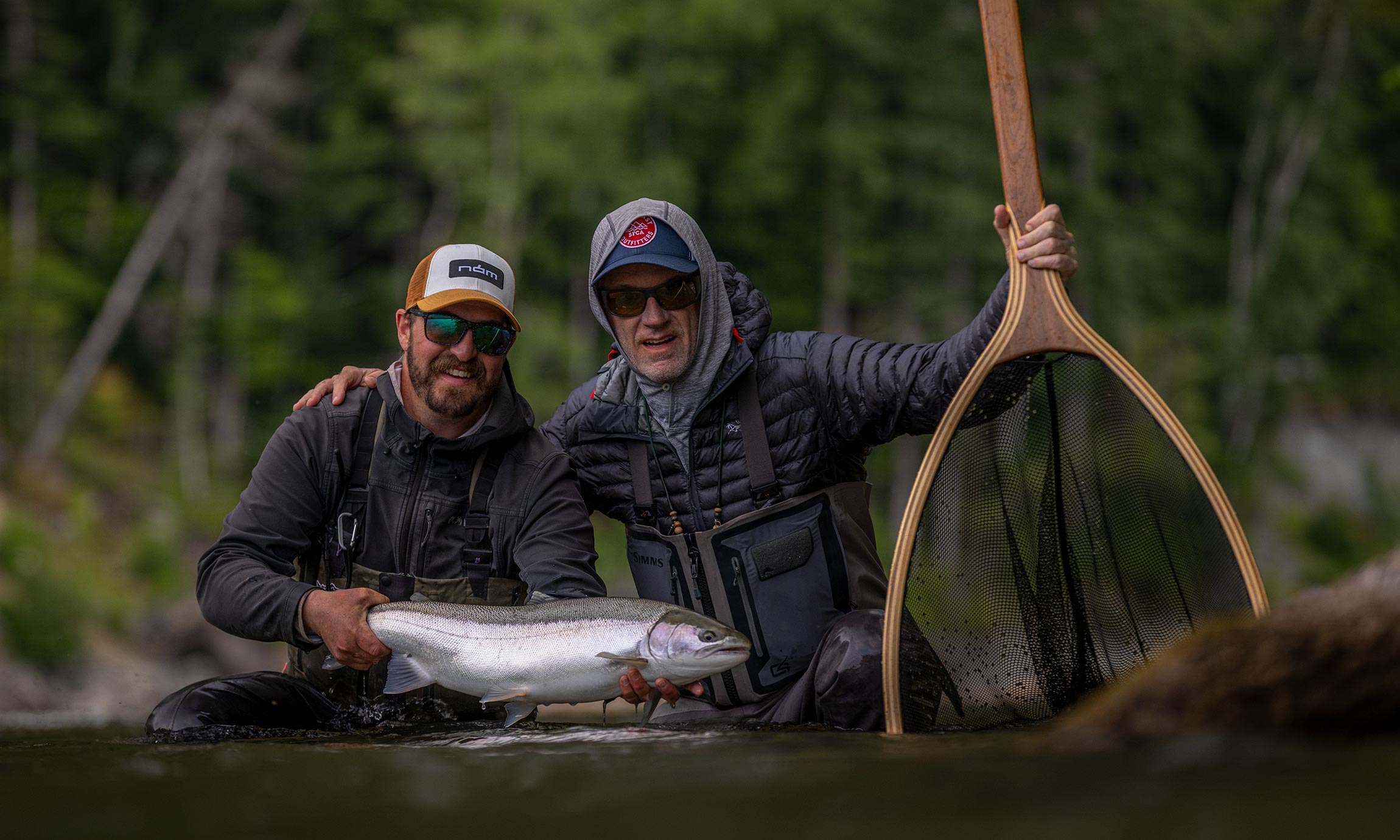
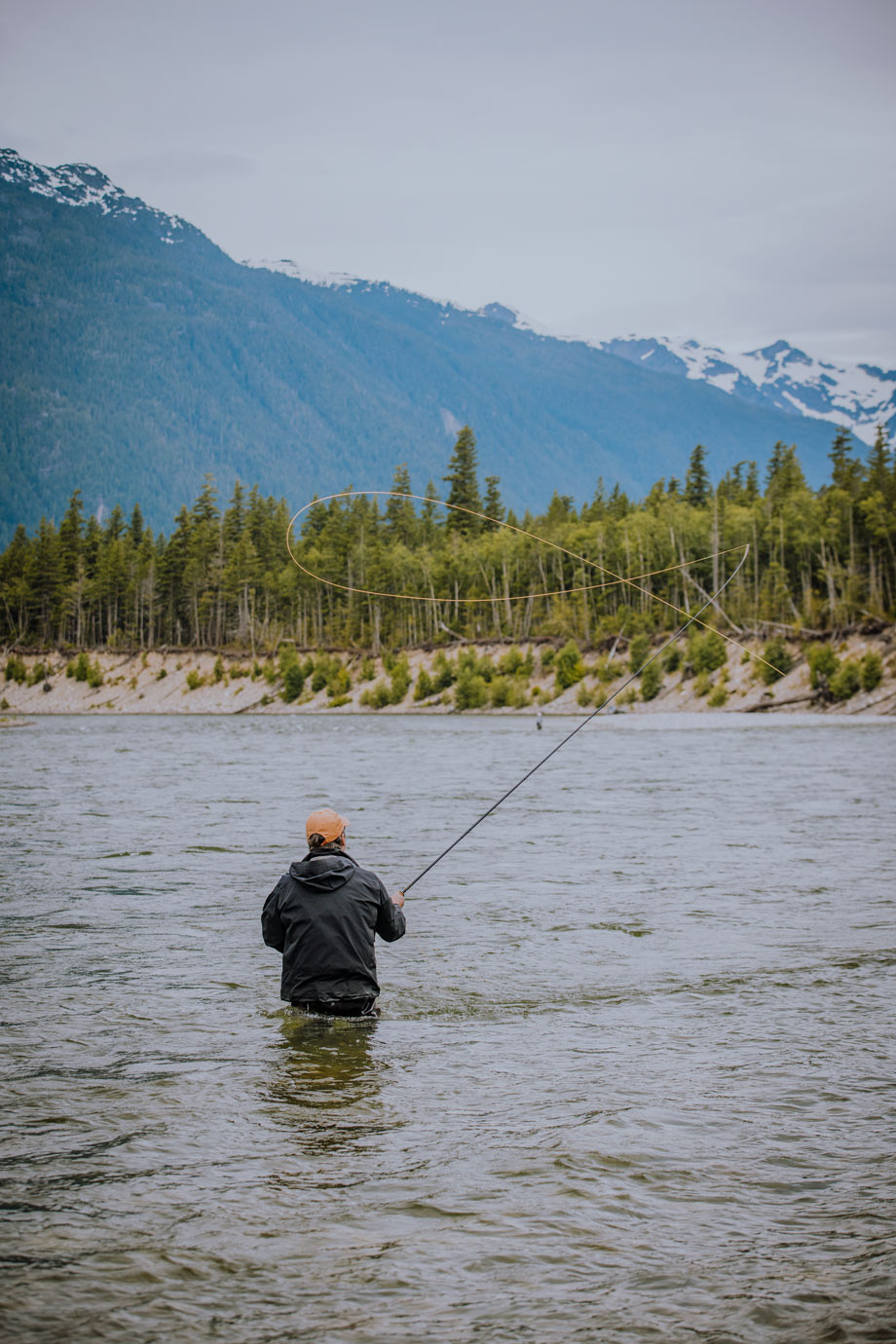
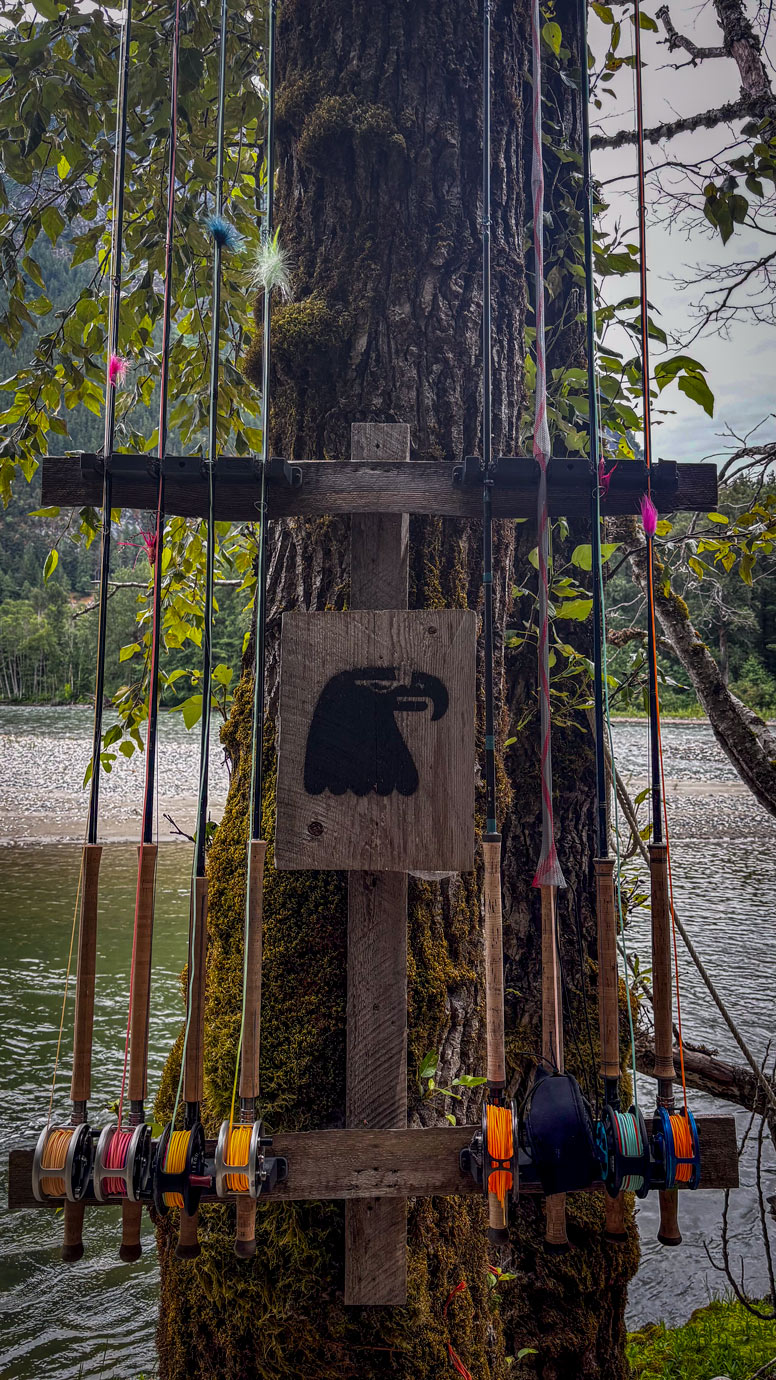
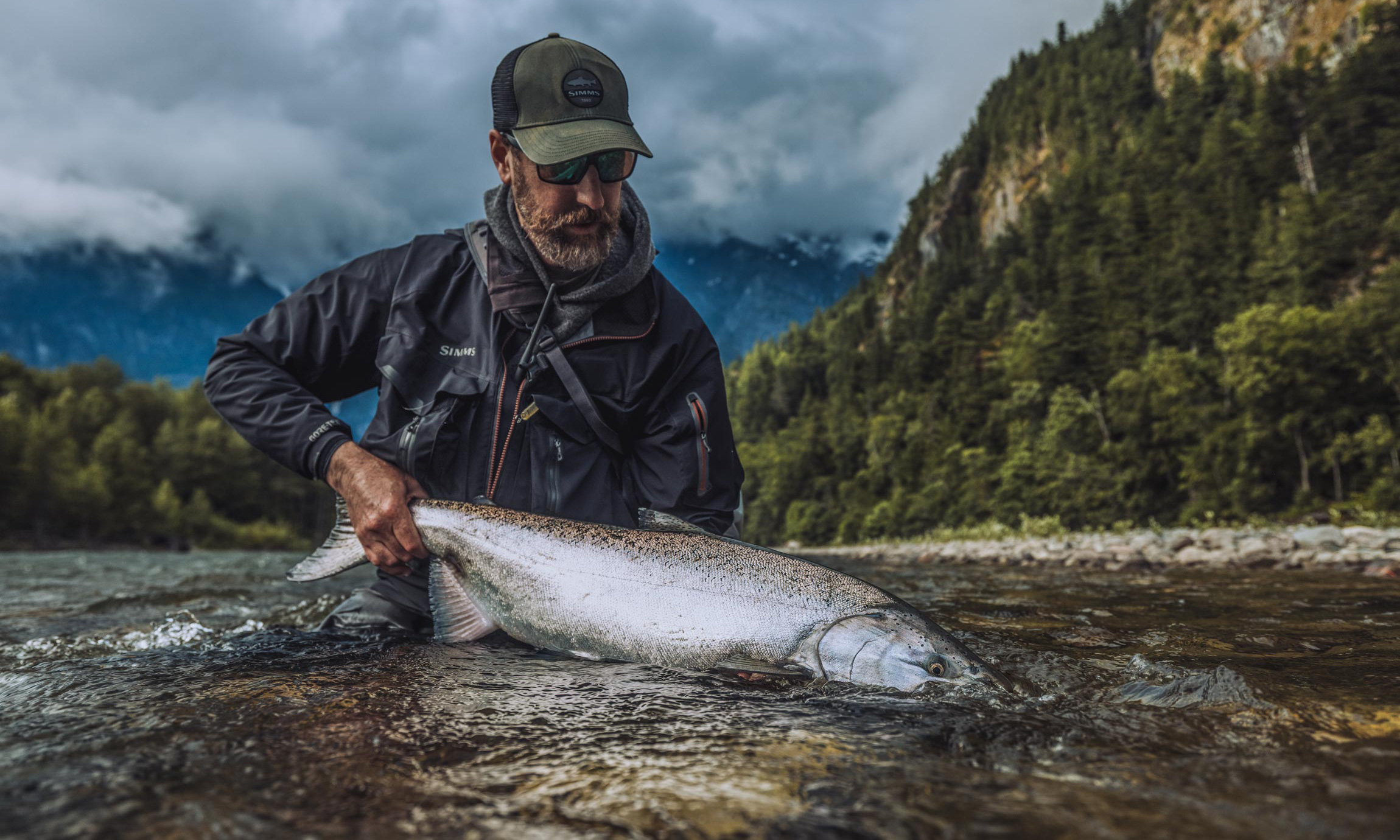
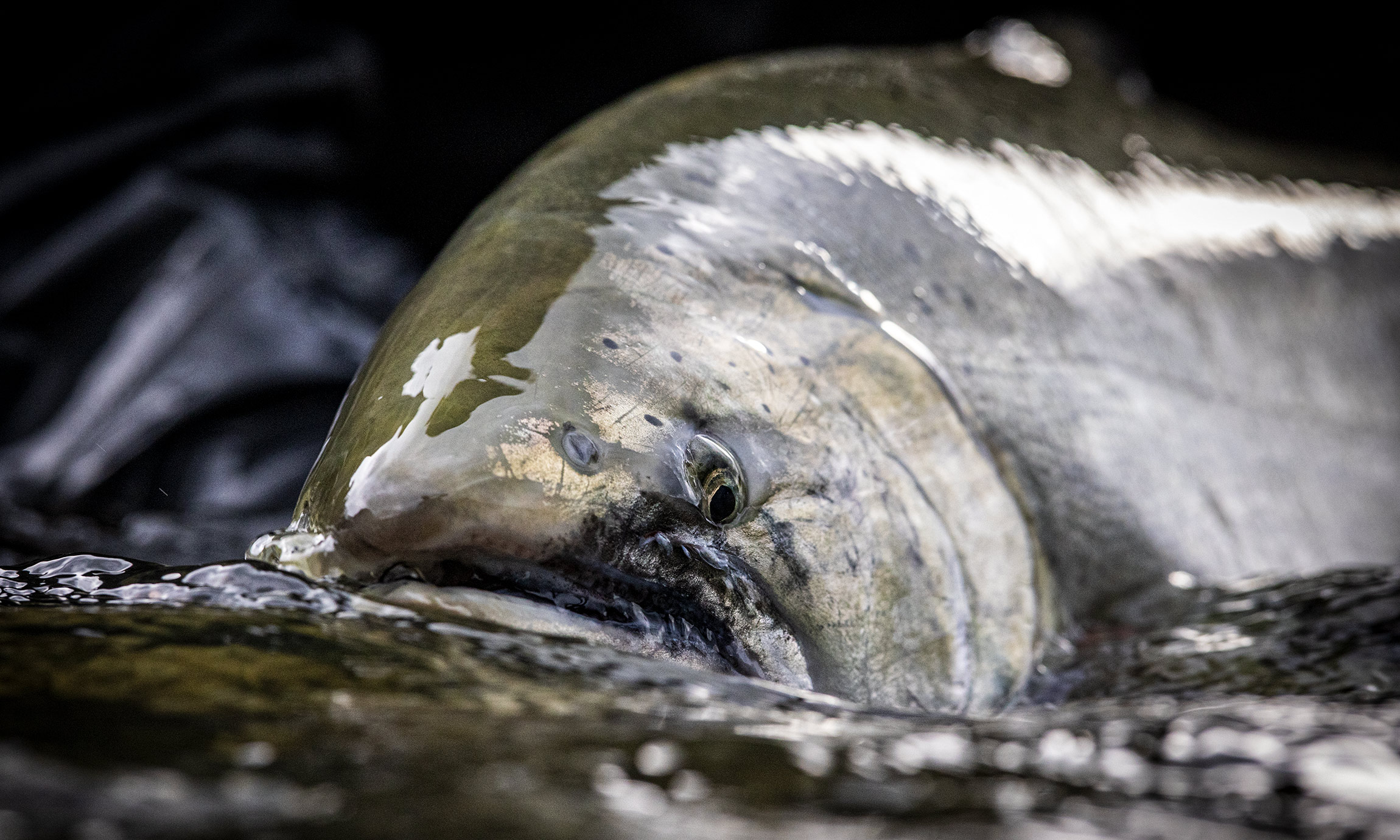
If you want to test fishing equipment to its limits (and do not want to hook the bumper of a passing truck for the test) the Dean is a good place to do it.
I had never been spooled before. That changed quickly.
One fish ran with a speed I could not slow. Backing disappeared until the fight was no longer about landing the steelhead; it was about saving the fly line.
I clamped both hands over the reel and broke the fish off before the final turns exposed the forgotten knot at the bottom of the spool- the one you assume will never see daylight.
It took four minutes to wind in what remained.
I also watched a click-and-pawl reel lose its handle under the speed of another fish’s run. Somehow, that steelhead was still landed. Broken rods, lost lines, opened hooks and emptied reels are common currency here, shared equally by guests and guides.
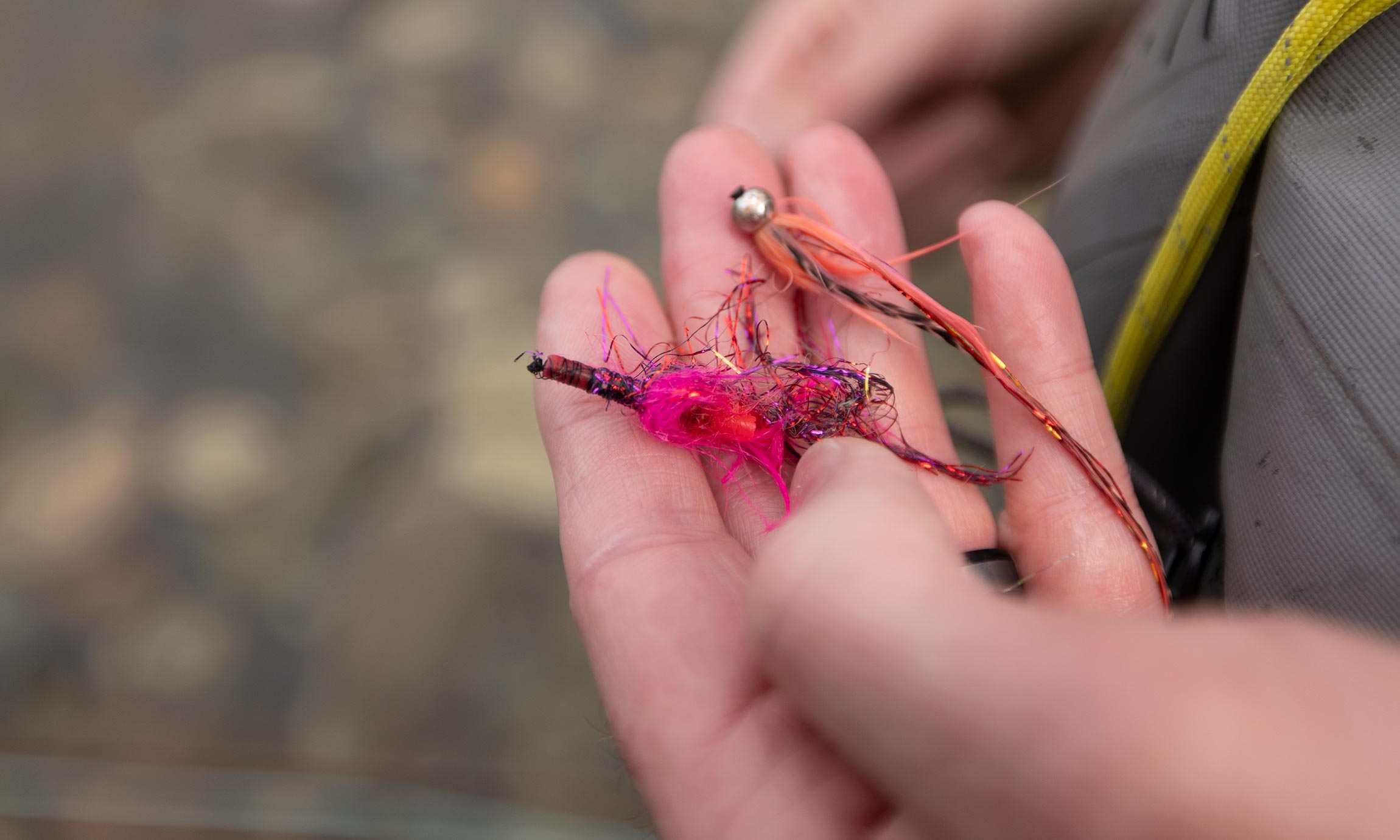
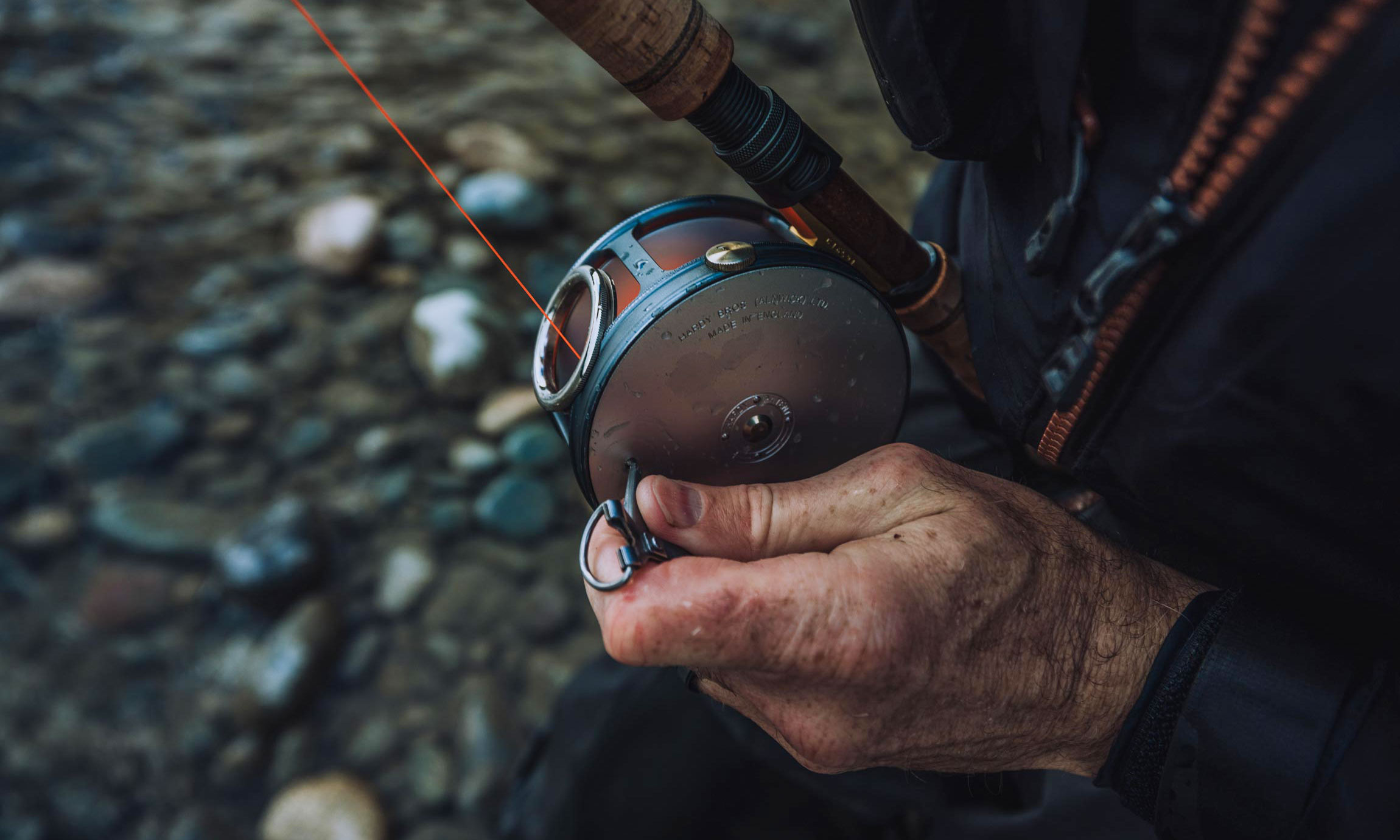
Broken rods, lost lines, opened hooks and emptied reels are common currency here, shared equally by guests and guides.
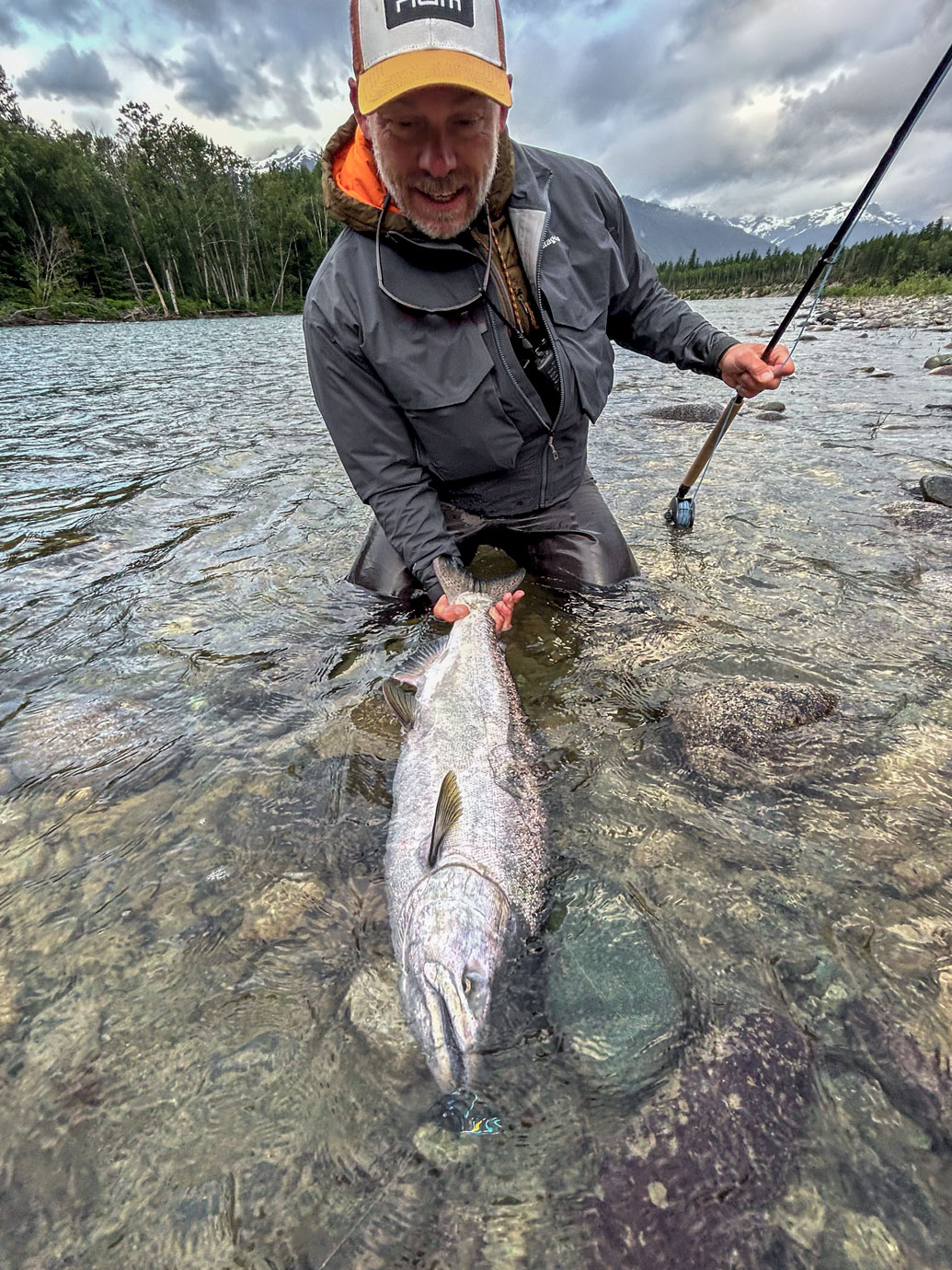
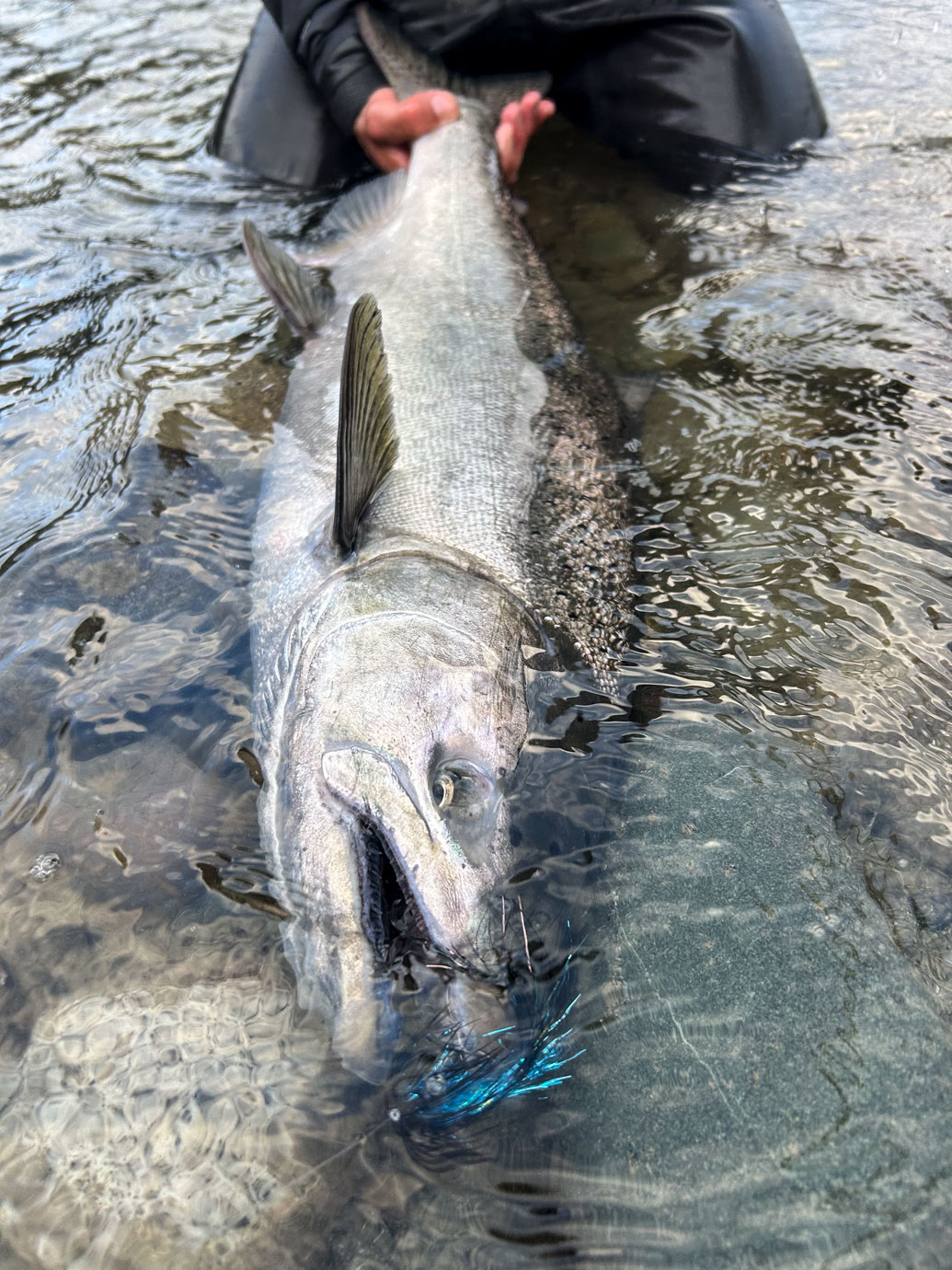
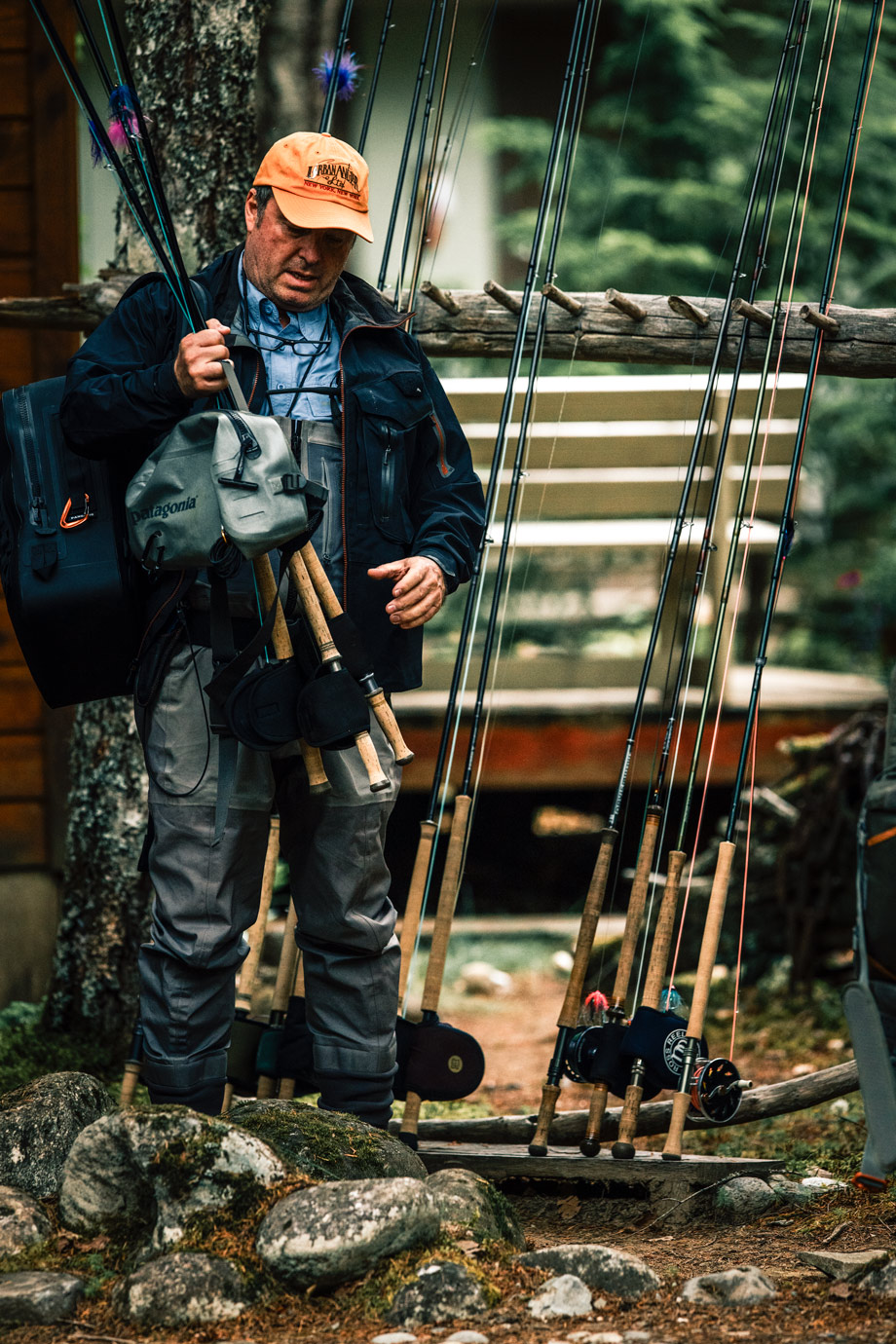
At BC West, changeover day brings its own rhythm. New guests arrive eager and wide-eyed, carrying carefully organized tackle and a season’s worth of expectations. Departing anglers leave as broken-in believers, their gear a little rougher and their understanding of steelhead permanently altered.
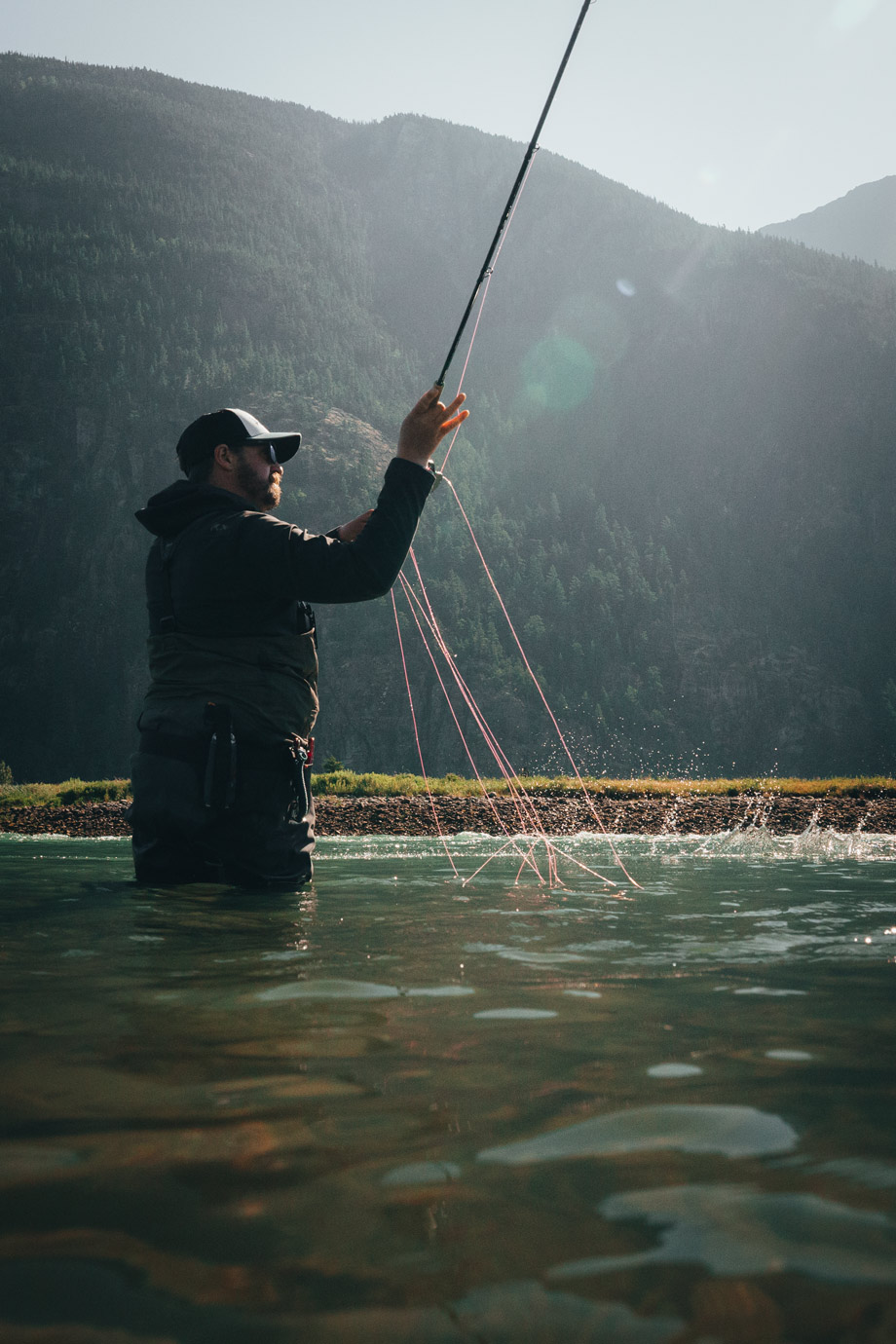
On one changeover morning, the guests were fishing on their own while the crew prepared the lodge for the weekly shuffle. Steve, the head guide, had an hour to fish before the work began. I was alone across the river with my camera when I watched him hook into a fish.
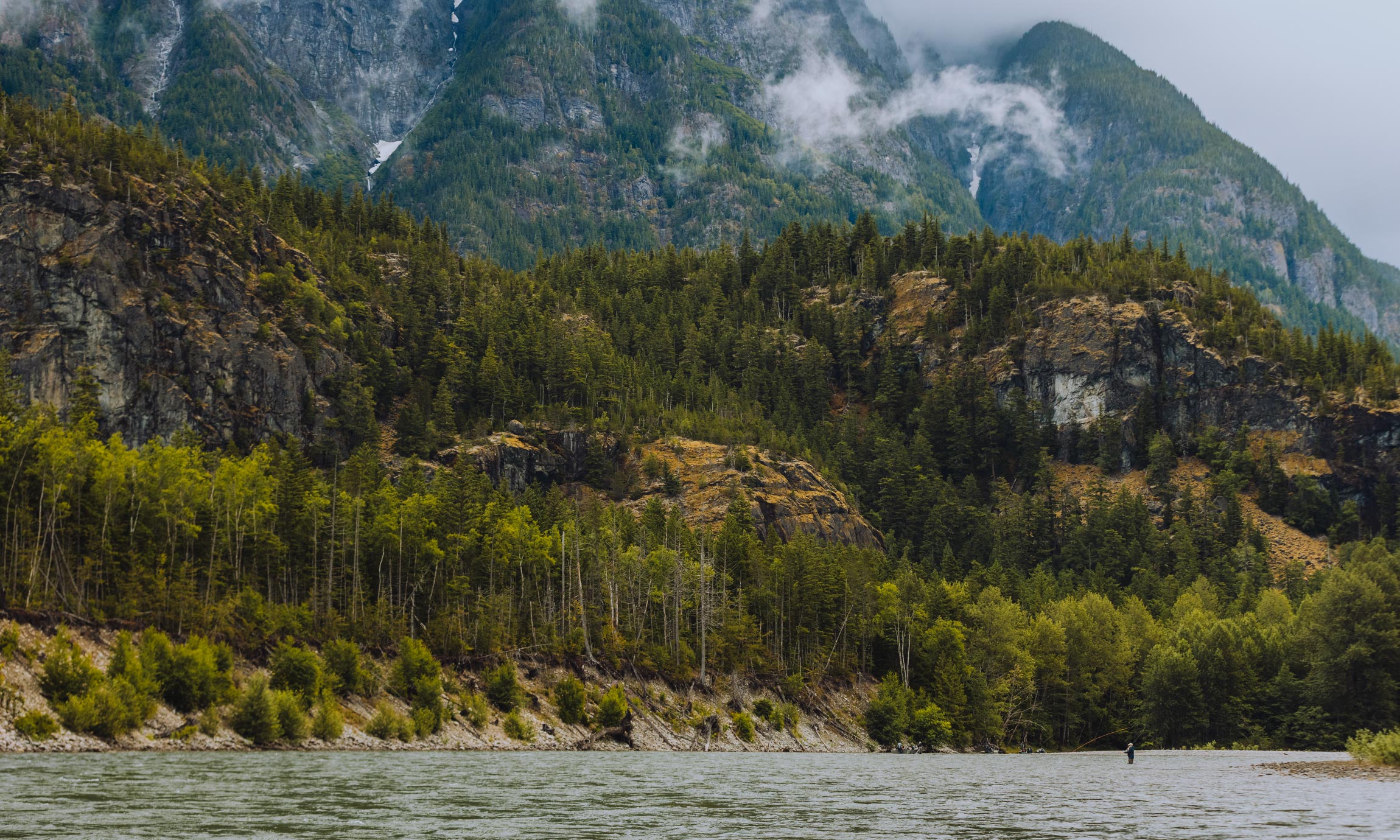
Even from across the river, I could tell it was a unit. As they do, the fish ran. Nick must have been watching from somewhere upriver because his voice suddenly crackled over the radio. “You’re in trouble, aren’t ya?”
Steve was, but this was not his first rodeo either.
He chased the fish downstream on foot, moving across an island in the river while trying to maintain pressure. For a moment, it looked as if he might turn it.
He never did.
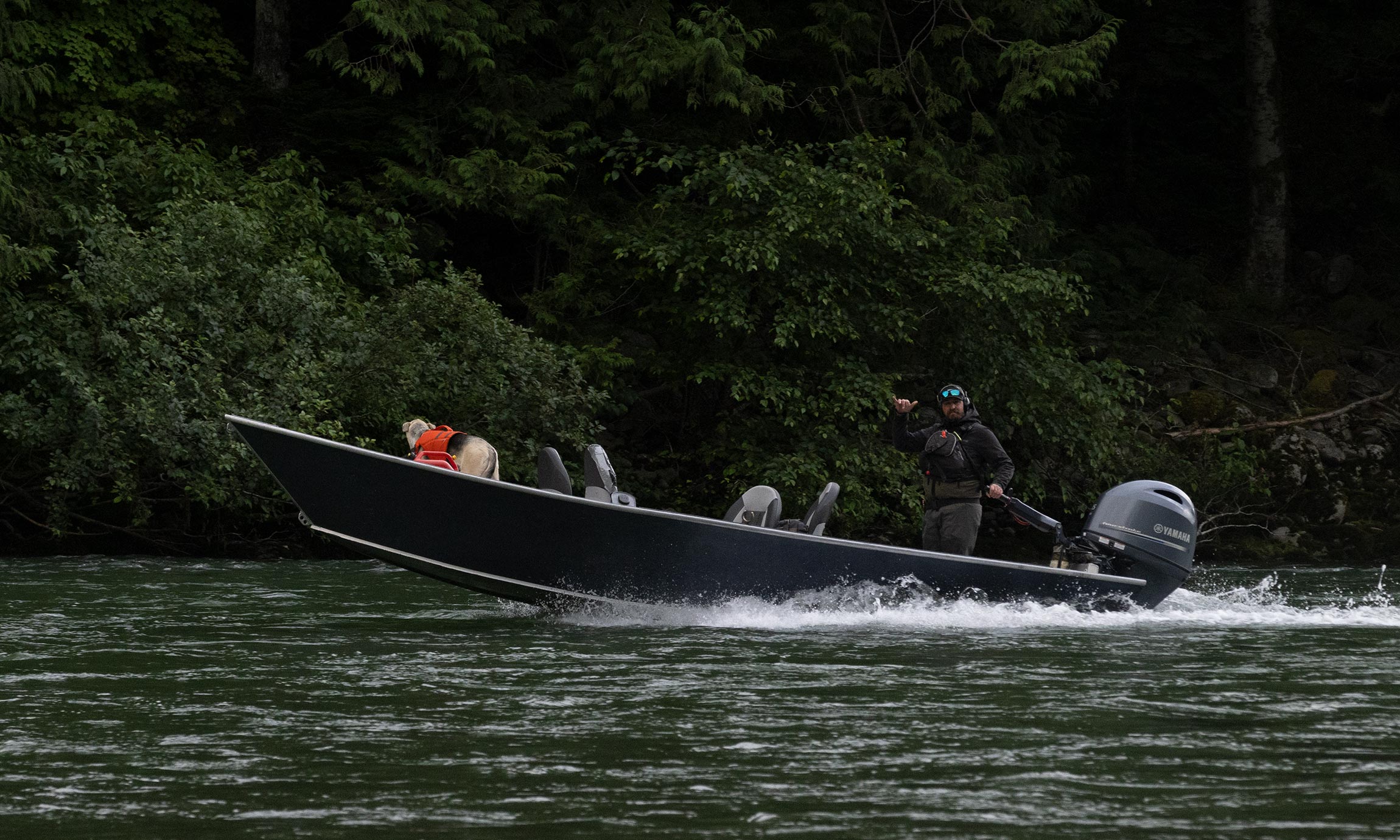
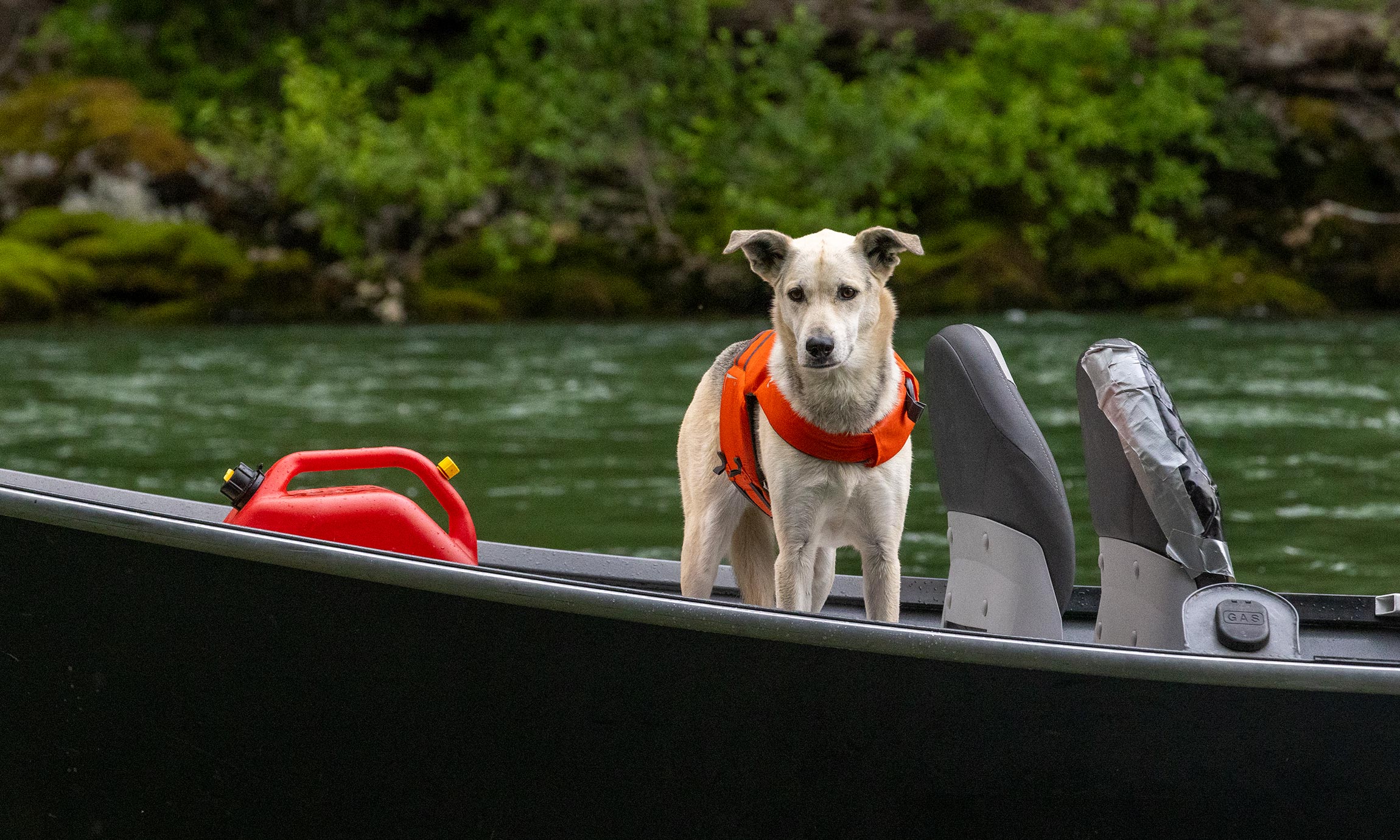
Steve sprinted back toward his boat with the rod in one hand and the fish still running toward the fjord. He jumped in, got his dog aboard, started the motor and fought the steelhead while driving downstream.
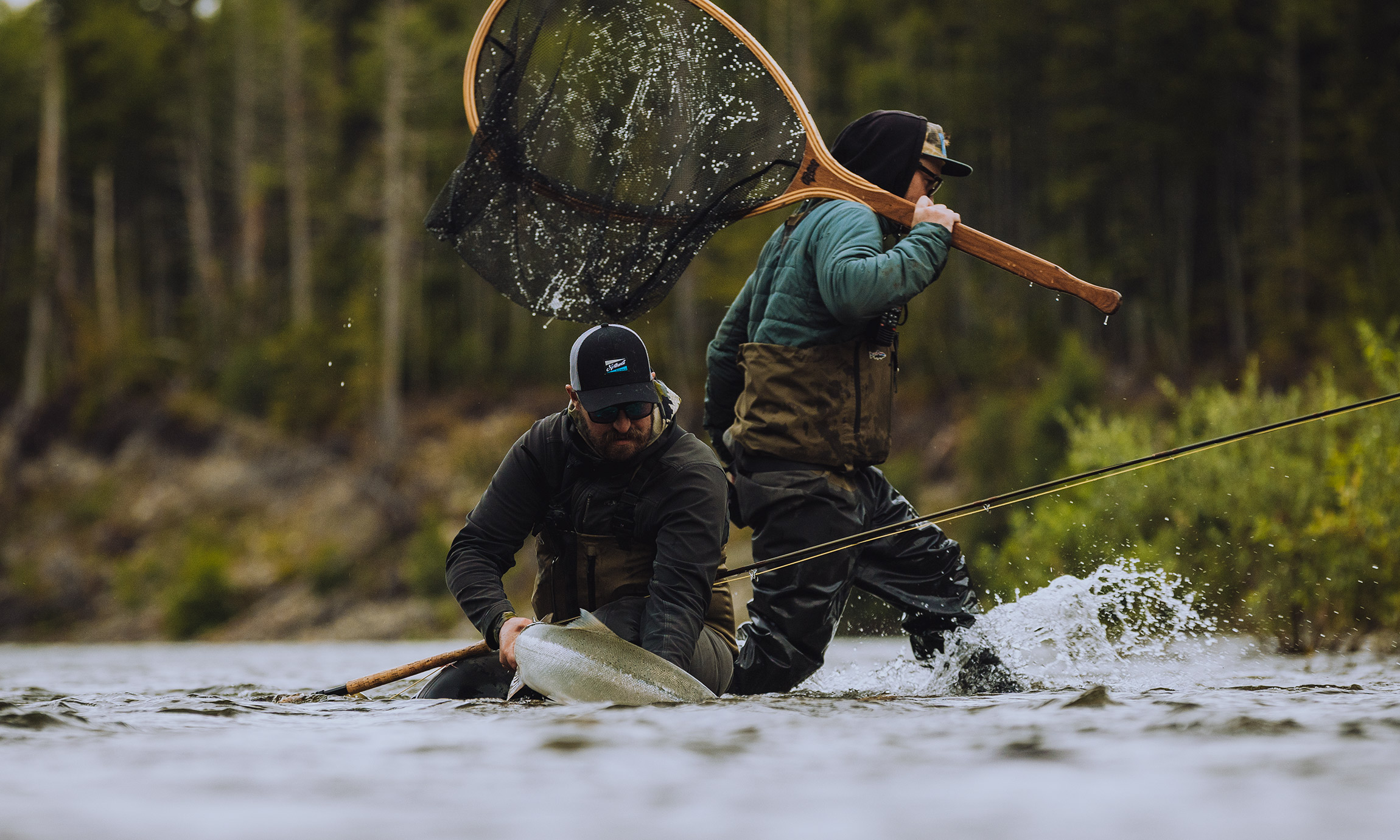
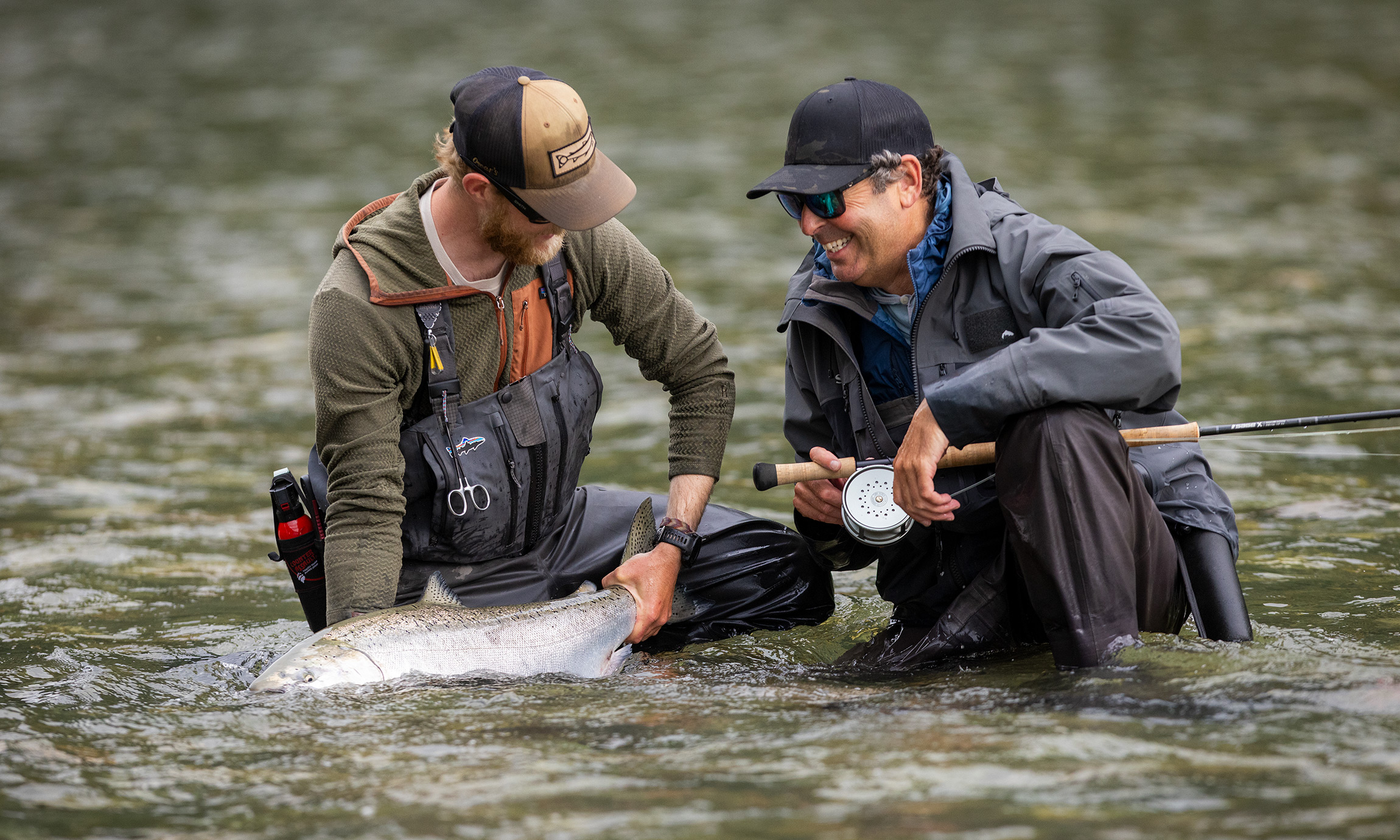
He was fighting the fish, reeling and driving the boat all at once. Below the island, he maneuvered toward shore, dropped anchor and jumped from the boat. That was where Cooper met him.
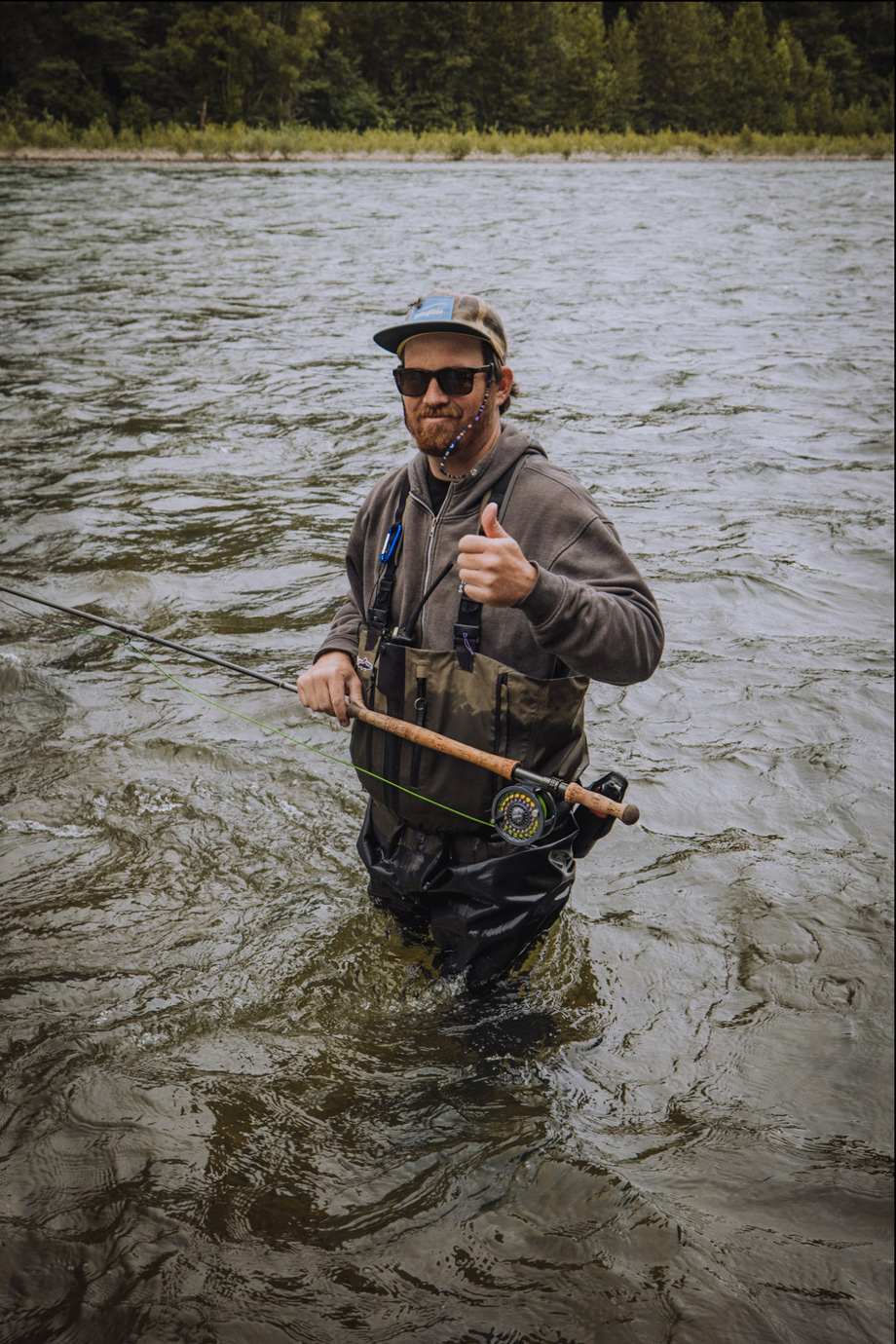
Cooper was a guest fishing on his own that morning. On the Dean, moments like this have a way of leveling the playing field. The usual line between guide blurred completely into a shared language of adrenaline and mutual respect. Cooper stepped in right when it mattered, helping land this absolute specimen of a fish for the head guide himself. A frantic solo struggle turned into a shared triumph.
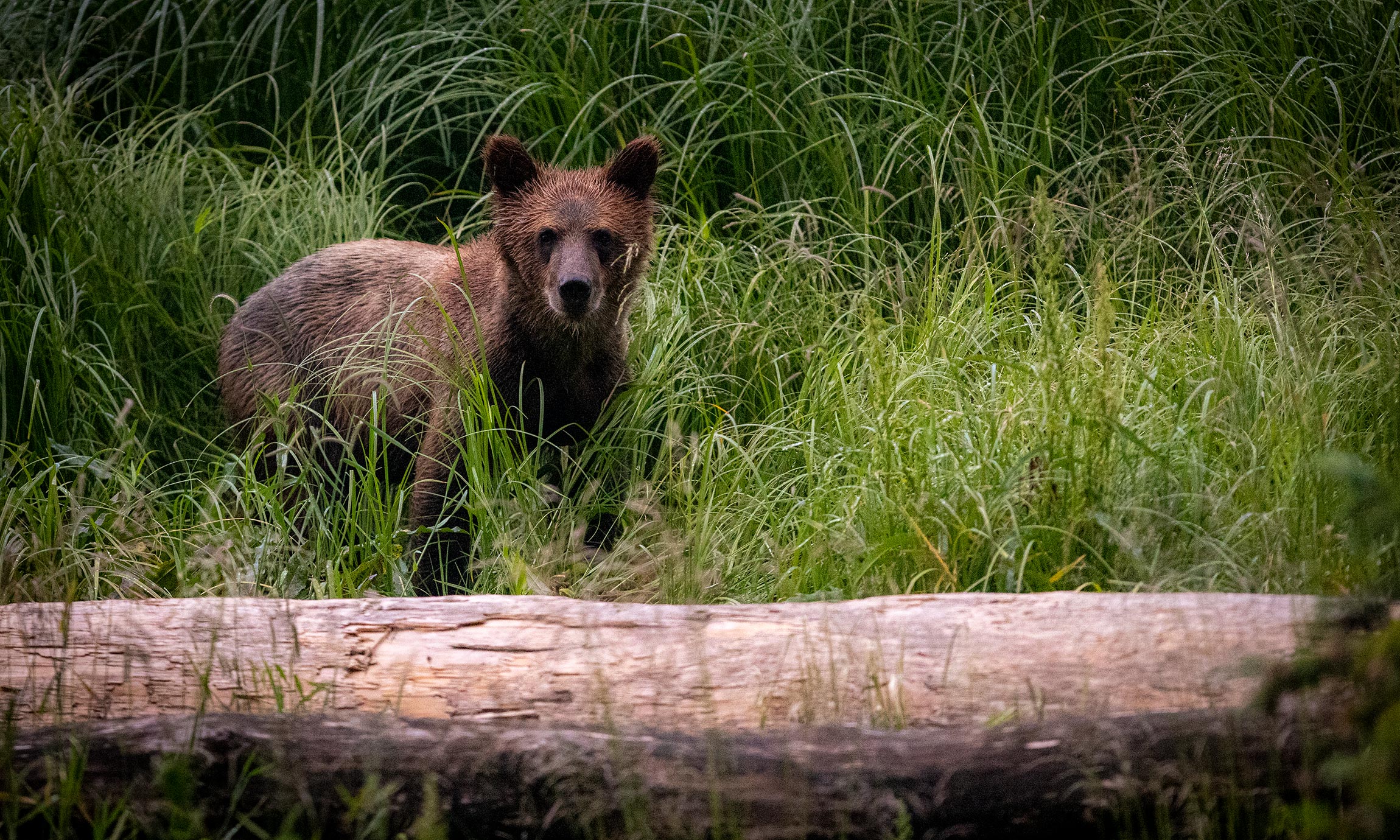
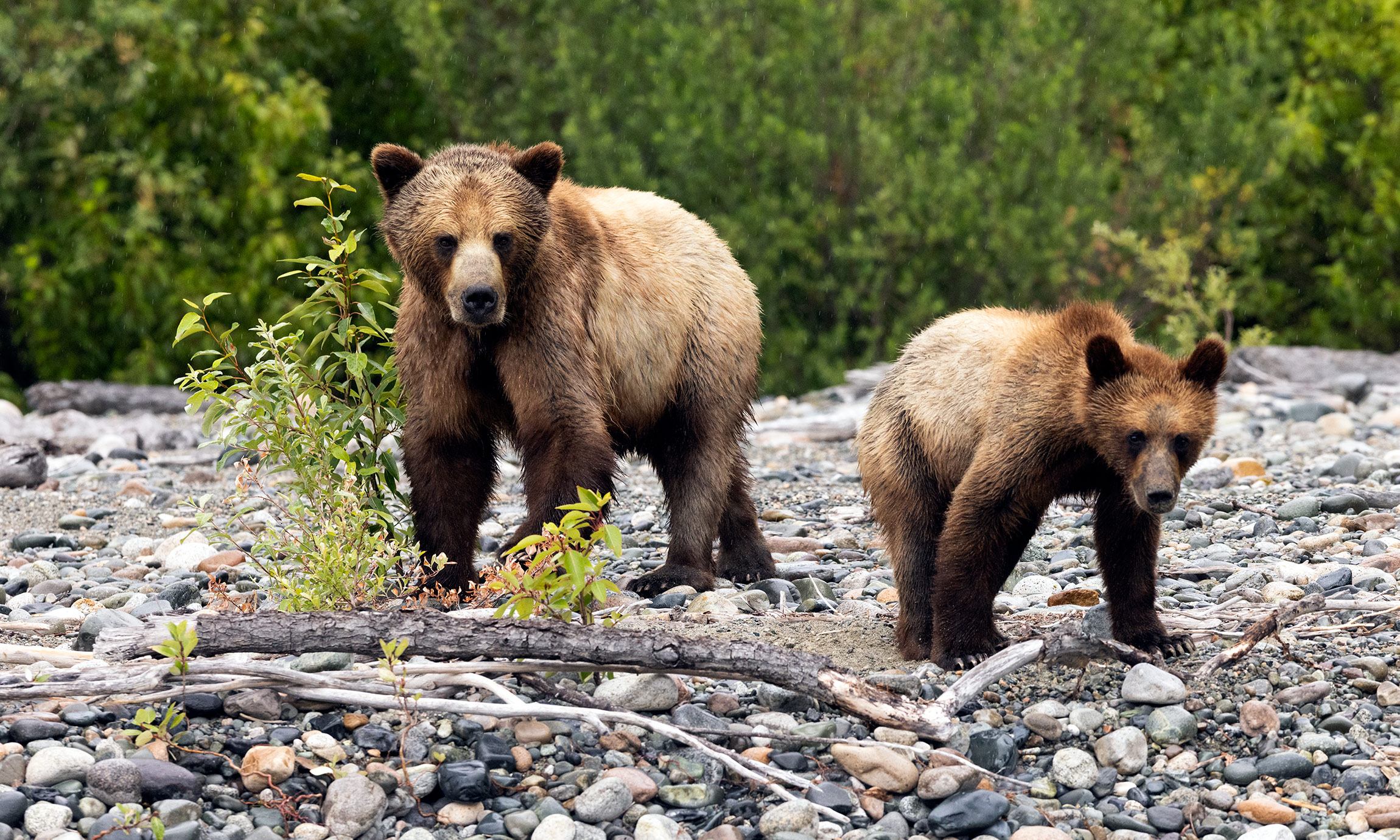
Across the river, I tightened my grip on the camera and ran through the forest, nearly forgetting that this was bear country. I wanted the photograph almost as much as Steve wanted the fish.
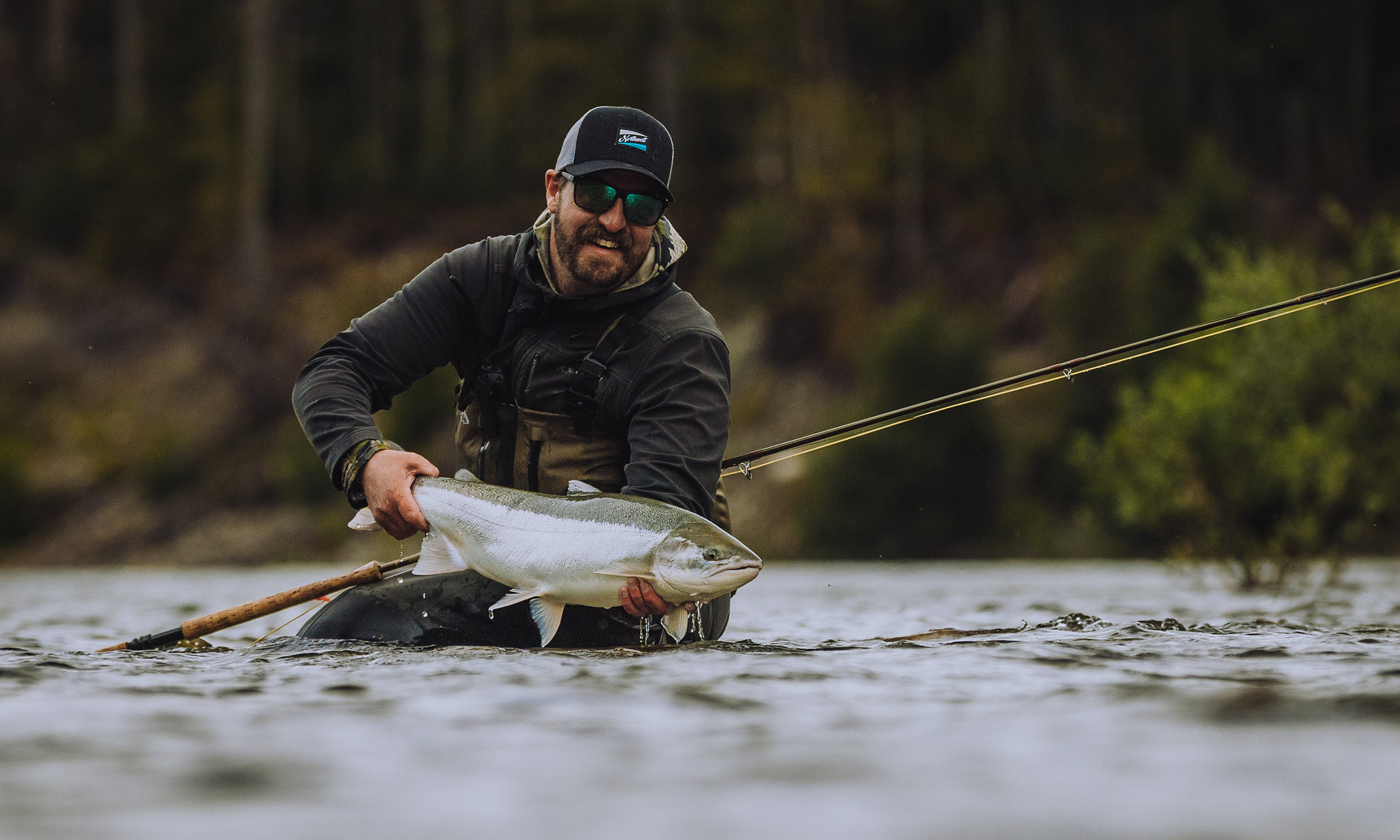
That urgency is part of what draws me to fishing and photography. Each asks you to prepare for something you cannot control. You study the water, check your equipment and put yourself in the right place. Then the river decides what happens. A steelhead takes, or it does not. The hook holds, or it pulls free. The light settles perfectly across the water, or it disappears behind the mountains before the camera comes up. You work for these moments, but you never own them. Maybe that’s why sharing the moments matters so much.
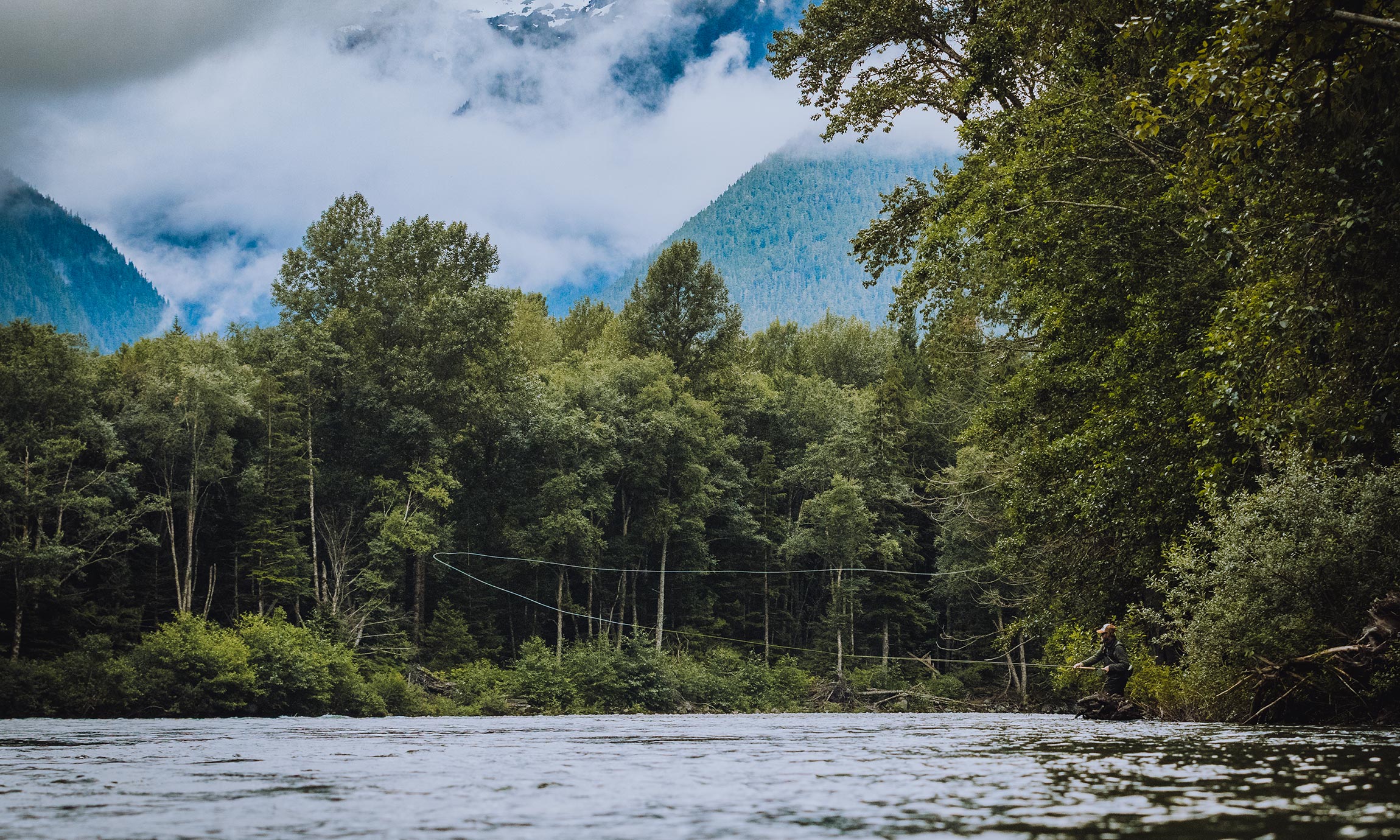
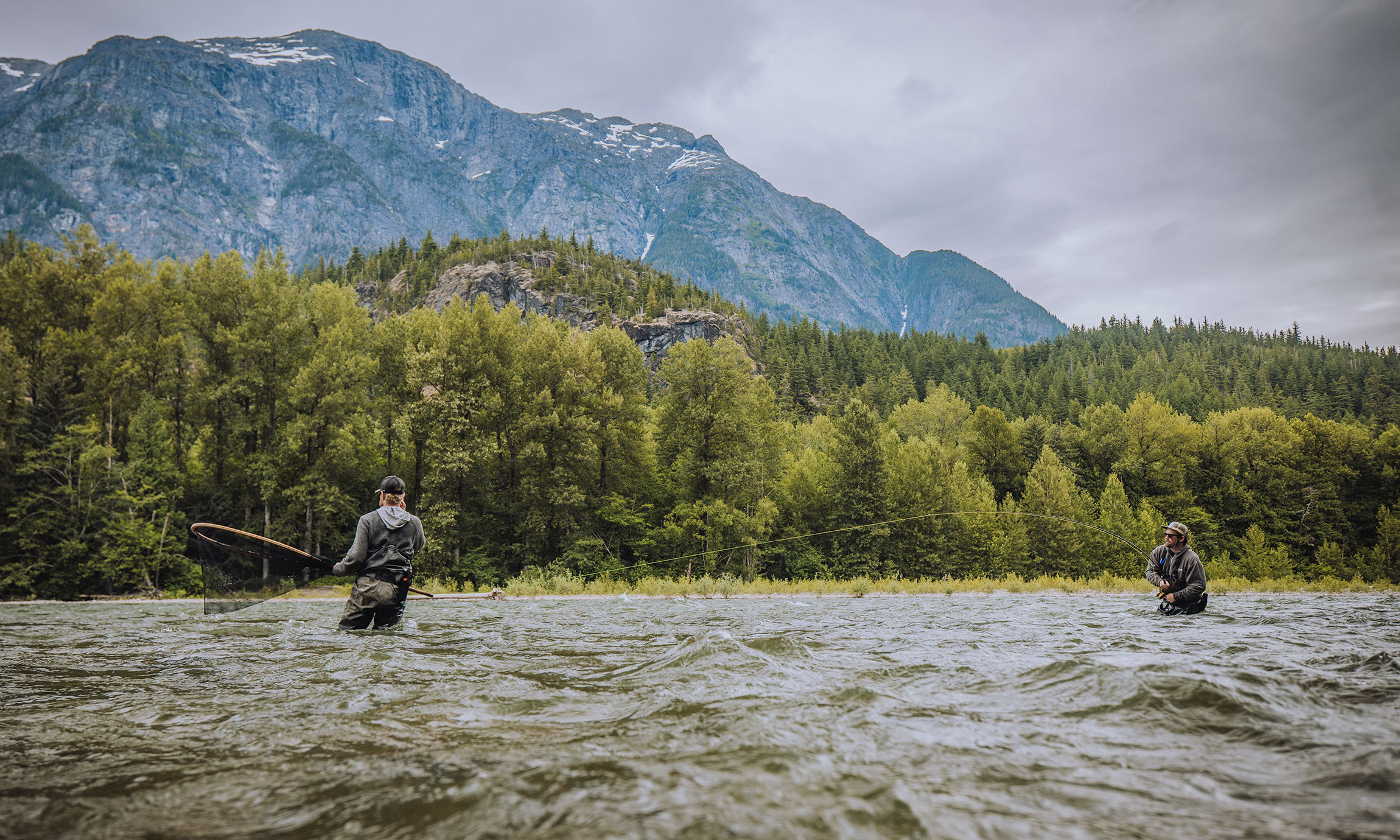
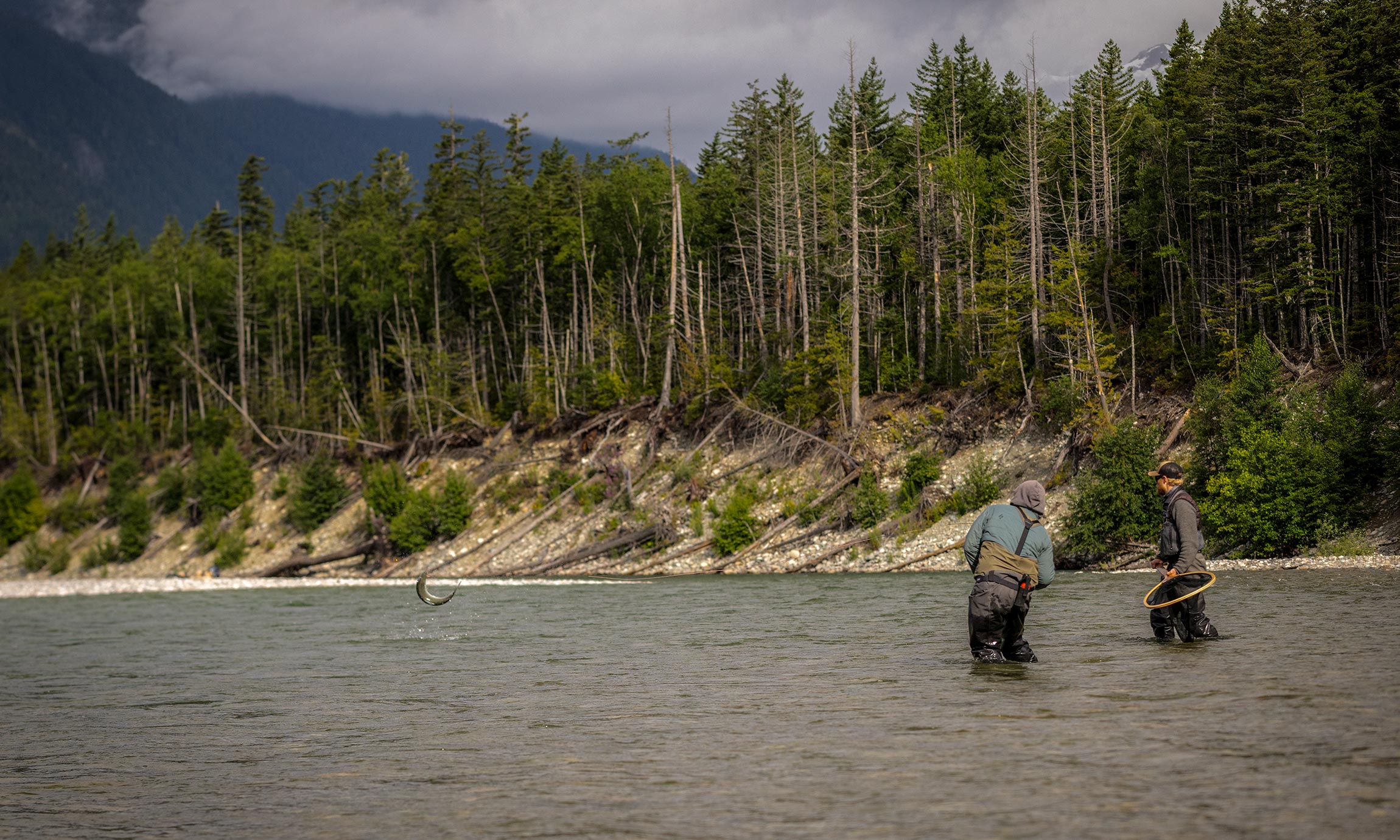
On the Dean, skill gets you only so far. The river is too fast, the fish too fresh and the margin for error too thin. Some steelhead are lost for no reason anyone can identify. Others survive an improbable string of mistakes and still reach the net. Sometimes the outcome feels less like mastery than luck. Maybe that is the Dean’s real lesson.
We arrive with carefully tied knots, expensive rods and the belief that experience has prepared us. Then a wild fish- silver, ocean-bright and only minutes removed from the salt- turns downstream and reminds us how little control we really have. Some fish are lost. Some are meant to be landed.
All of them leave us humbled.
Contributed By
Jimmie Pedersen
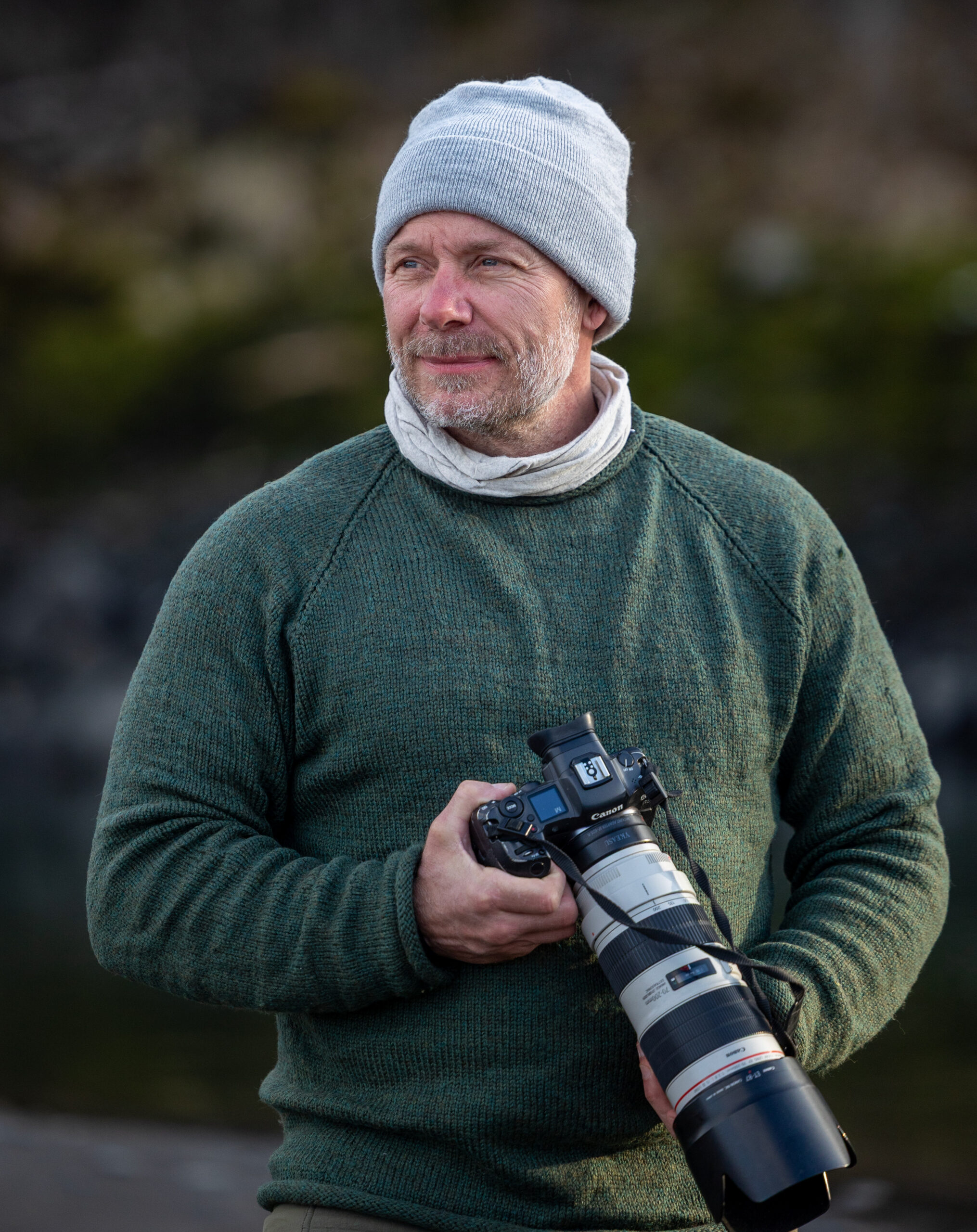
Born in Copenhagen and raised in Denmark, Jimmie Pedersen’s life has been defined by the water. A lifelong angler, Jimmie moved to Cape Breton Island and began his career as a professional fishing guide long before he ever picked up a camera. It was the years spent on the river, observing the light, the seasons, and the quiet drama of the sport, that eventually pushed him to document his world through a lens.
Now based in Cheticamp, Nova Scotia, Jimmie spends his springs and summers guiding for Atlantic salmon in his home waters before heading west to British Columbia to guide for steelhead. His photography is a direct extension of his life at the helm of a boat, capturing the raw, authentic stories of the rivers he calls home.